
Alabama Window Tint Laws (2026): Legal VLT Limits
Alabama window tint law requires 32% VLT on front side windows. SUVs may use any darkness on rear windows. Medical exemptions available. Penalties up to $500.
5 min read
53 articles
Alabama window tint law requires 32% VLT on front side windows. SUVs may use any darkness on rear windows. Medical exemptions available. Penalties up to $500.

Alaska window tint law requires 70% VLT on front side windows and 40% on rear windows. Mirrored tint banned. Medical exemptions available with annual certification.
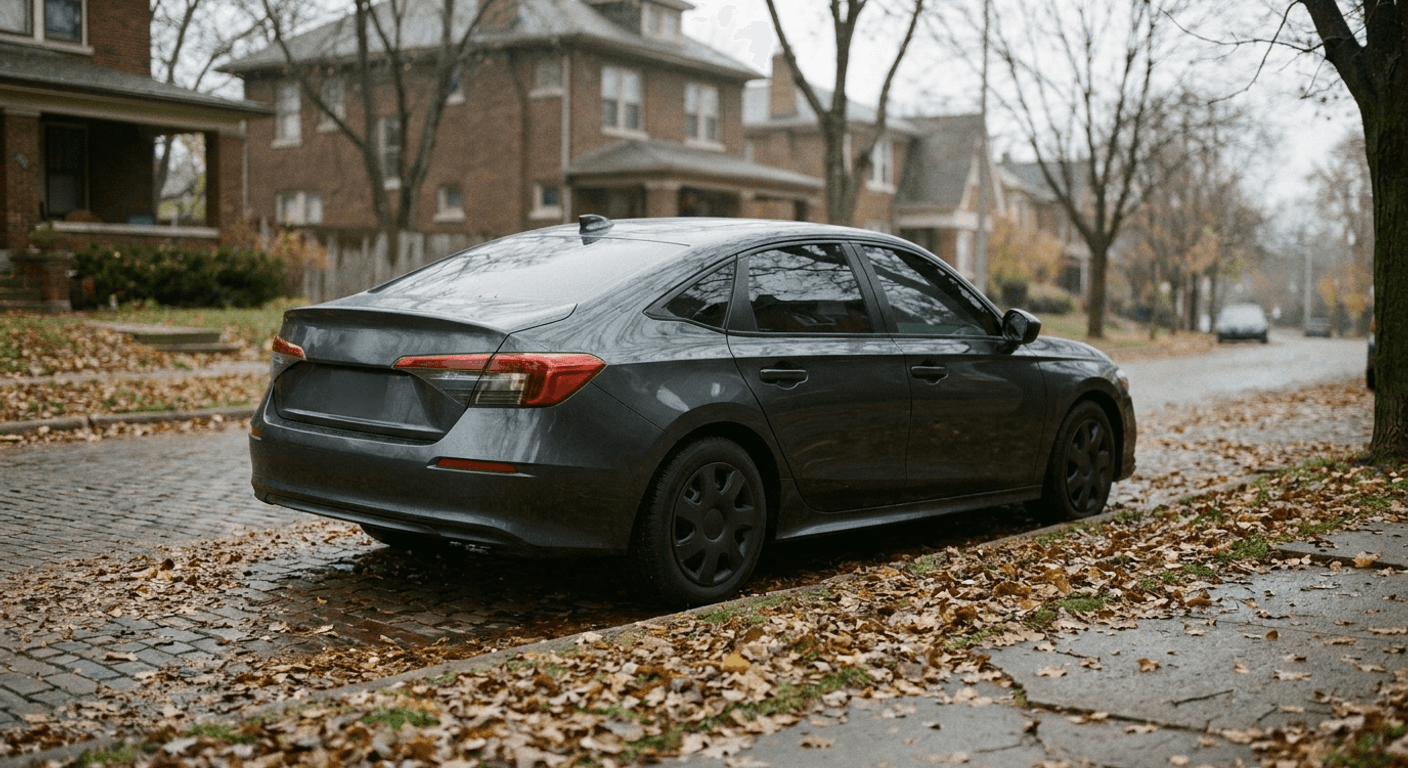
Arizona window tint law requires front side windows to allow at least 33% VLT. Back and rear windows may be any darkness. Learn the full 2026 rules, penalties, and medical exemption process.
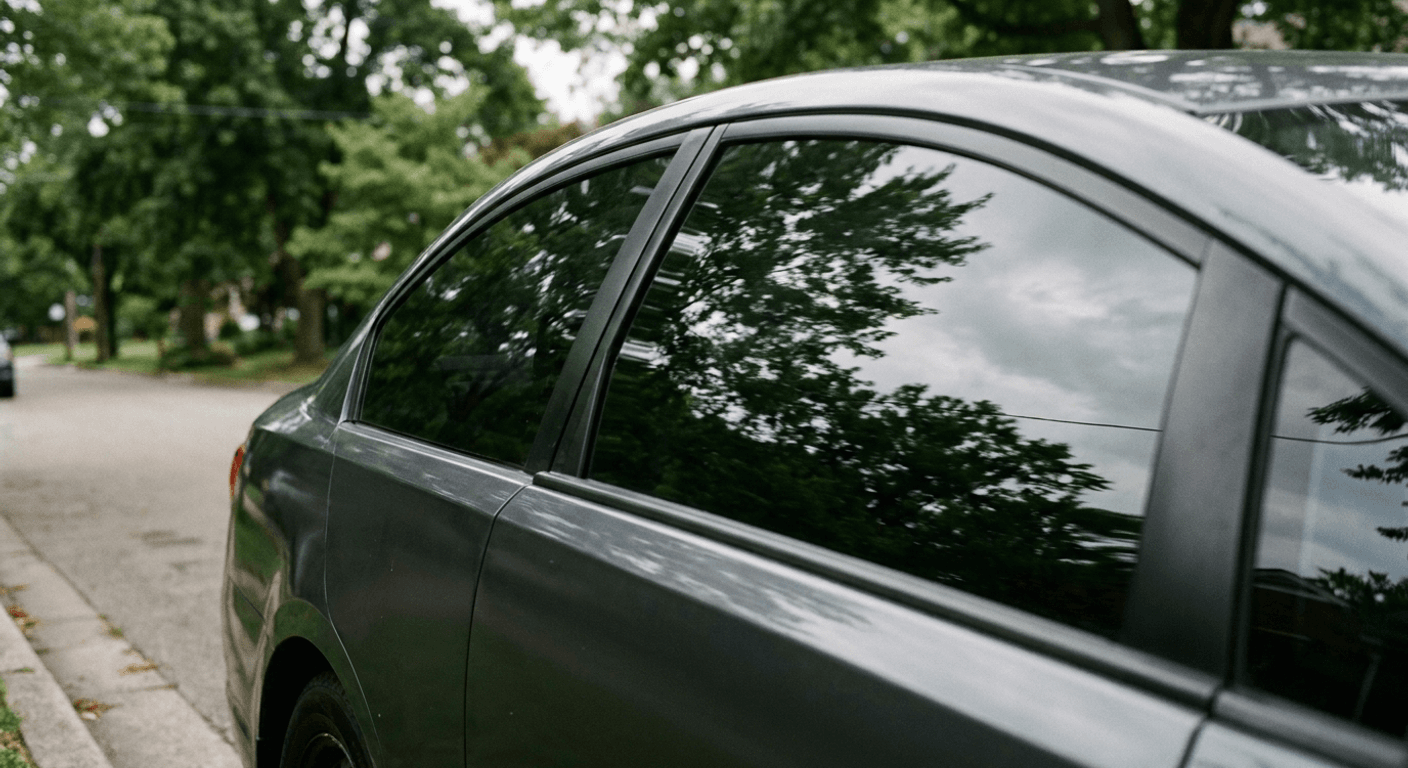
Arkansas window tint law sets front side windows at 25% VLT for all vehicles. SUVs and trucks can go to 10% on rear side windows. Get the full 2026 rules, medical exemptions, and penalties.
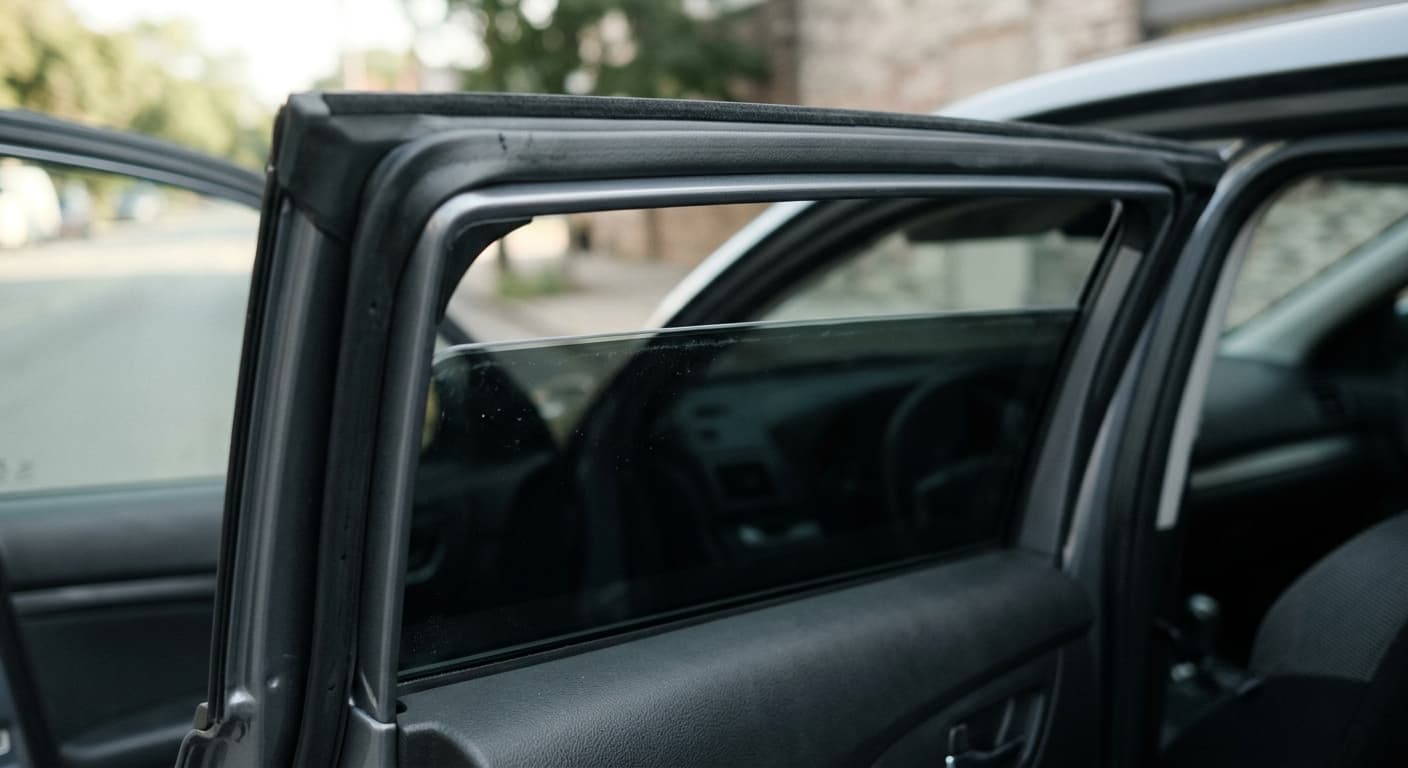
California requires front side windows to allow 70% VLT (film must be 88%). Back side windows may be any darkness; the rear window needs dual outside mirrors.
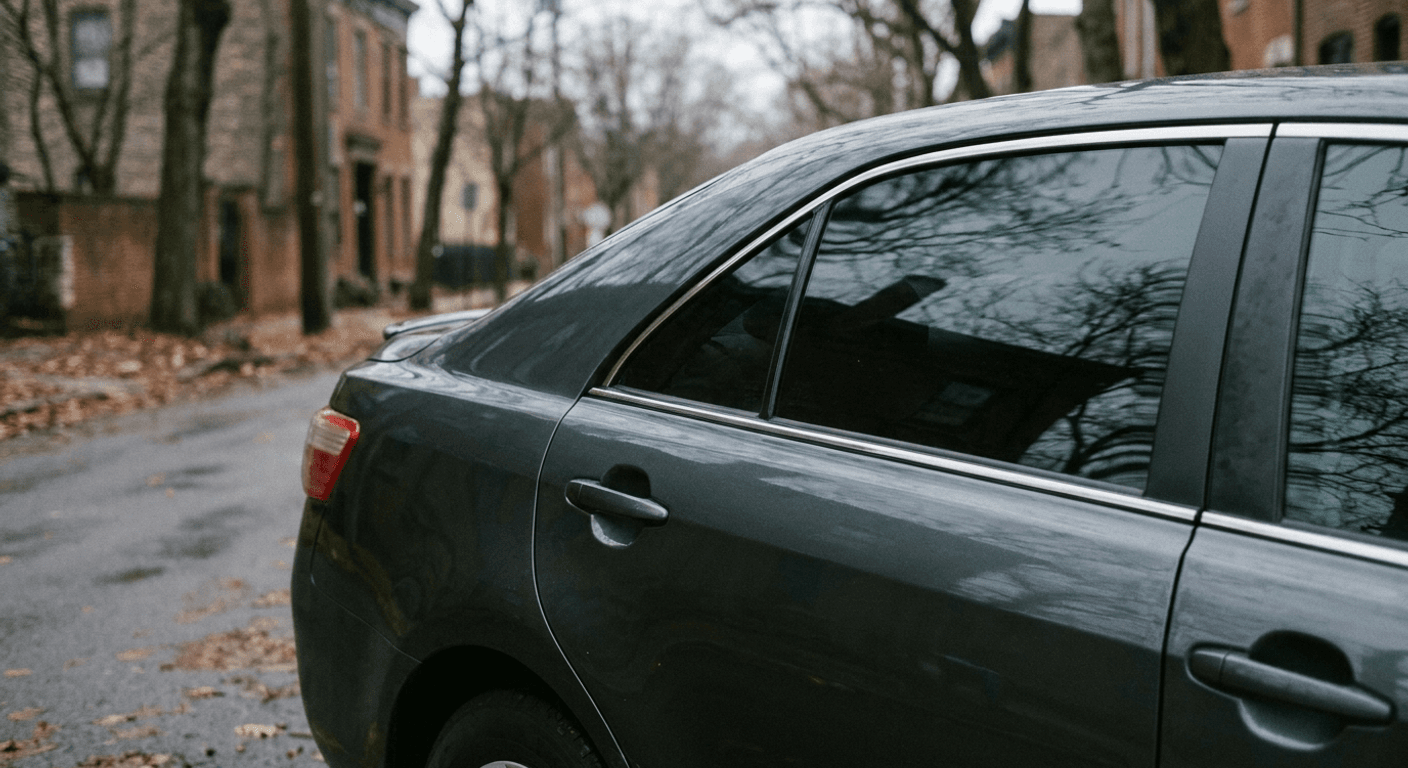
Colorado requires 27% VLT on front side windows. Rear windows may be any darkness if front sides and windshield allow 70%+ VLT. No medical exemption.
Connecticut requires 35% VLT on front side windows. Sedans need 35% on rear sides; SUVs may use any darkness. Rear window any tint with dual mirrors. Medical exemption fully exempts qualifying drivers.
Delaware bans aftermarket front side tint for most drivers; windows must stay at factory FMVSS 205 level. Rear windows may be any darkness. Medical waiver available from DMV.
DC window tint laws: standard vehicles require 70% VLT on front side windows and 50% on back/rear. Minivans allow 55% front and 35% back/rear. Penalties up to $5,000.

Florida requires 28% VLT on front windows, 15% on sedan rear windows, and 6% on SUV/truck rear windows. Learn the rules, medical exemptions, and penalties.
Georgia requires 28% VLT on front windows and 15% VLT on sedan rear windows. SUVs and trucks may have any darkness in back. Learn exemptions, penalties, and the O.C.G.A. 40-8-73.1 rules.
Hawaii requires 35% VLT on front side windows. After 2025 Act 129, rear and back side windows may be any darkness. No medical exemption. Penalties up to $550.
Idaho window tint law: 35% VLT on front side windows, 20% on back side windows, 35% on rear. Medical exemption available. No compliance sticker required.
Illinois window tint law allows 50% front if back is 30%+, or 35% front if back is 35%+, or any darkness in back if the front stays untinted. Penalties, exemptions explained.
Indiana requires 30% VLT on the windshield strip, front-door side windows, and rear back window. Side windows behind the front doors are not regulated. Limits, medical exemptions, and penalties explained.
Iowa HF 766, signed May 15, 2026, sets a 50% VLT front-side window minimum and a 70% windshield floor in statute. Takes effect July 1, 2026.
Iowa front side windows require 50% VLT under HF 766, which took effect July 1, 2026 (previously 70%). No medical exemption. Back and rear windows any darkness.
Kansas requires 35% VLT on all windows for every vehicle type. Medical exemption is UV-clear film only (78%+ VLT). Learn current limits and penalties.
Kentucky window tint law requires 35% VLT on front side windows. Sedans need 18% on rear windows; SUVs and vans have an 8% floor. Penalties, exemptions, and sticker rules explained.
Louisiana window tint law requires 25% VLT on front side windows (lowered from 40% by 2025 Act 143, eff. Aug 1 2025), 25% on back side windows (unchanged), and 12% on rear windows. Penalties and exemptions explained.
Maine requires 35% VLT on front side windows. Rear windows may be any darkness with dual mirrors. Learn fines, medical exemptions, and inspection rules.
Maryland requires 35% VLT on all windows for sedans; SUVs and trucks are exempt behind the driver based on registration class. Learn the rules, the medical exemption, and penalties.
Massachusetts requires 35% VLT on all side and rear windows. Learn the legal limits, windshield strip rule, medical exemption process, and penalties under MGL ch. 90, s. 9D.
Michigan bans aftermarket tint on front side windows except a non-reflective top-4-inch strip. Rear windows may be any darkness. Learn the rules under MCL 257.709.
Minnesota window tint law requires 50% VLT on all windows for passenger cars. Pickups and vans are exempt on rear windows. Learn the rules, exemptions, and penalties.
Mississippi window tint law sets a 28% VLT minimum on side and rear windows for sedans, with a factory-tint exception for pickups, vans, and SUVs. Learn the rules, medical exemption, sticker requirement, and penalties.
Missouri window tint law requires 35% VLT on front side windows. Back and rear windows have no limit. Learn the rules, penalties, and medical exemptions.
Montana window tint law: 24% VLT on front windows, 14% on sedan rear windows, no limit for SUVs/vans. Learn the rules, the pre-1991 waiver, and penalties.
Nebraska window tint law requires 35% VLT on front side windows and 20% on sedan rear windows. A law-enforcement medical waiver is available under 60-6,260. Penalties and SUV rules explained.
Nevada window tint law requires 35% VLT on front side windows with a 7% tolerance (28% passes). Rear windows any darkness with dual mirrors. Medical exemption available.
New Hampshire window tint law: front side windows must be 70% VLT (nearly clear); back/rear 35%. Windshield strip top 6 inches only. Medical exemption available.
New Jersey bans aftermarket tint on front side windows and windshield (NJSA 39:3-74). Rear windows any darkness. Medical exemption available. Fines up to $5,000.
New Mexico allows 20% VLT on front side windows, among the darkest legal limits in the US. Learn sedan vs. SUV rules, windshield limits, medical exemptions, and penalties.
New York requires 70% VLT on all side windows for sedans. Learn the rules, plus or minus 7% tolerance, medical exemption process, and penalties under VTL 375(12-a).
North Carolina requires 35% VLT on side and rear windows (32%+ presumed compliant); multipurpose vehicles (minivans, pickups) are exempt behind the driver. 2026 rules, medical exemptions, penalties.
North Dakota lowered its window tint limit to 35% VLT (from 50%) via 2025 HB 1340, effective Aug 1, 2025. Learn current rules, windshield limits, and penalties.
Ohio requires 50% VLT on front side windows. Back side and rear windows have no minimum. Learn Ohio tint limits, penalties, and medical exemptions.
Oklahoma requires 25% VLT on front, back, and rear windows for all current vehicles, with a narrow pre-1996 model year grandfather exception. Learn tint limits, penalties, and exemptions.
Oregon window tint law requires film at 50% VLT minimum and combined film-plus-glass at 35%. Learn legal limits, banned colors, medical exemptions, and penalties.
Pennsylvania window tint law requires 70% VLT on all passenger car windows. SUVs and trucks have no restriction behind the driver. Medical exemptions via PennDOT.
Rhode Island window tint law: front side windows require 70% VLT minimum. SUVs and trucks may use any darkness behind the driver. $250 penalty per violation.
South Carolina window tint law: 27% VLT minimum on front windows for all vehicles. SUVs may use any darkness on rear windows. Red, yellow, amber tint banned.
South Dakota window tint laws: front side windows must allow 35% VLT; back side and rear windows 20%. Learn penalties, sticker rules, and the broad 9% tolerance.
Tennessee window tint laws: every window (front side, back side, rear) must allow at least 35% VLT for all vehicle types. Installer sticker required.
Texas window tint laws: 25% VLT minimum on front side windows, any darkness on back and rear. Red, blue, and amber films banned on the windshield. Medical exemptions available.
Utah window tint laws: 35% VLT minimum on front side windows since May 7, 2025 (HB 112), down from 43%. Any darkness on rear windows. No medical exemption for front-window tint.
Vermont prohibits aftermarket tint on front side windows. Rear windows may have any darkness. Medical exemptions available. Act 165 (2024)'s planned July 2026 change was repealed before taking effect.
Virginia requires 50% VLT on front windows. Sedans: 35% rear. SUVs/trucks: any rear darkness. Police cannot stop solely for tint. Medical exemptions available.
Washington requires 24% VLT on all windows except the windshield. Learn front/rear limits, banned colors, medical exemptions, and penalties under RCW 46.37.430.
West Virginia requires 35% VLT on front windows; trucks and SUVs have no VLT floor behind the driver, but the 20% reflectivity cap still applies. Learn limits, banned colors, and penalties.
Window tint laws by state: VLT limits for front side, rear, and windshield windows. Compare all 50 states plus DC, including 2025-2026 changes.
Wisconsin requires 50% VLT on front side windows (35% with medical exemption) and 35% on back and rear windows. Learn the rules, penalties, and how to comply.
Wyoming requires 28% VLT on front side windows. Sedans need 28% on all windows; multipurpose vehicles with dual mirrors may use any rear tint. Learn the rules.