
Rhode Island
Rhode Island Window Tint Laws (2026): Legal VLT Limits
Independently fact-checked against primary sources (last audited August 18, 2026). · Reviewed by the RecordingLaw editorial team. · Law checked current as of August 18, 2026. · 1 primary source cited on this page. How we verify our legal content

Rhode Island requires front side windows to allow at least 70% of visible light through, making it one of the strictest states for aftermarket tint. Passenger cars must meet the same 70% standard on back side and rear windows, while trucks, buses, SUVs, limos, and funeral vehicles can use any darkness behind the driver provided they have dual outside mirrors.
What is the legal tint limit in Rhode Island?
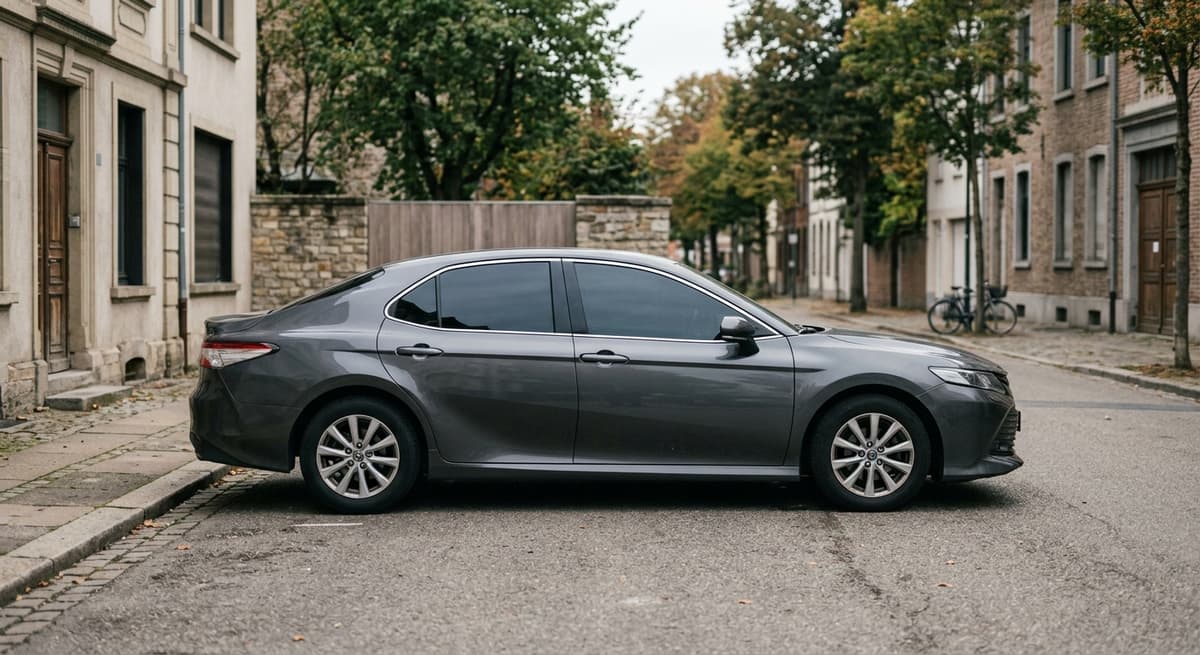
Rhode Island's window tint law is one of the most restrictive in the United States. The front side windows on any vehicle must transmit at least 70% of visible light. That is nearly the same as factory-standard clear glass.
For passenger cars, the back side windows and rear window must also meet the 70% minimum. There is essentially no room for meaningful aftermarket darkening on a standard sedan in Rhode Island.
The rules are meaningfully different for multipurpose vehicles. Trucks, buses, SUVs, vans, limousines, and funeral vehicles are allowed any level of darkness on the windows behind the driver, as long as the vehicle has dual outside mirrors. This is a common structure in many states: the driver still needs adequate rearward visibility, and the mirrors satisfy that requirement.
A quick note on how VLT works: a higher percentage means more light passes through, so a lighter appearance. A lower percentage means less light, so a darker look. Rhode Island's 70% minimum is near the top of the scale.
| Window | Passenger Car | Multipurpose/Truck/SUV/Bus/Limo |
|---|---|---|
| Front side | 70% min VLT | 70% min VLT |
| Back side | 70% min VLT | Any darkness (dual mirrors required) |
| Rear window | 70% min VLT | Any darkness (dual mirrors required) |
| Windshield | Top 6 inches only | Top 6 inches only |
Windshield tint rules in Rhode Island
Rhode Island permits tint on the windshield only along the uppermost 6 inches. R.I. Gen. Laws 31-23.3-4(4) exempts the use of any transparent material limited to that top strip, provided the strip does not encroach upon the driver's direct forward viewing area as described and defined in the applicable Federal Motor Vehicle Safety Standards. The rest of the windshield must remain clear; no tinting is permitted below that narrow top strip.
There is no specific reflectivity cap written into the window tint statute. The statute's only conditions on the windshield strip are that the material be transparent and that it stay clear of the driver's direct forward viewing area. Drivers who want to add tint anywhere on their vehicle should consult a licensed installer who knows the current Rhode Island requirements.
No color bans are listed in the Rhode Island window tint statute. However, many states have informal enforcement standards, and unusual colors can attract attention. Sticking to standard neutral shades is always the safer choice.
Medical exemptions
Rhode Island allows a medical exemption for drivers and passengers with a qualifying medical condition that requires reduced sun exposure. To obtain one, you submit an application to the Rhode Island DMV accompanied by a certification from a physician or optometrist documenting the medical need.
Once approved, the DMV issues a sticker to be applied to the driver's side window identifying the exemption, and the underlying documentation should also be carried in the vehicle at all times so it can be presented during a traffic stop. The specific VLT limits that may be authorized under a medical exemption are determined through the DMV process on a case-by-case basis.
If you or a regular passenger has a condition such as lupus, photosensitivity, or severe eye disease, it is worth pursuing the exemption before paying to install darker tint. Installing non-compliant tint without a formal exemption and relying on verbal explanation during a stop is not a reliable strategy.
How tint is measured and certified
Window tint darkness is measured using a tint meter, a device that shines a beam of light through the glass and reads the percentage that passes through. Officers can use a tint meter during a traffic stop to check compliance on the spot.
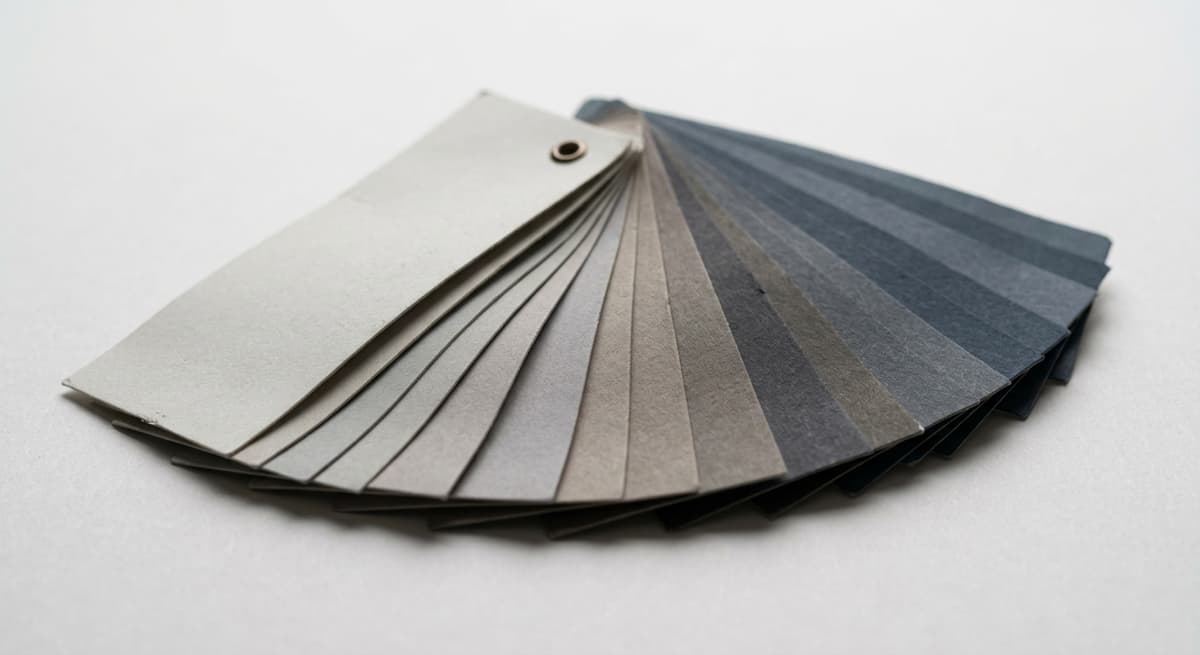
Rhode Island's statute does not specify a measurement tolerance, meaning there is no official buffer zone. If your tint reads below 70% on the front side glass, you may be cited even if you are a fraction below the limit.
R.I. Gen. Laws 31-23.3-3 requires the installer to affix a label, no larger than 1.5 square inches, to the lower left corner of the front window (as viewed from outside), showing the installer's name and the percentage of light transmittance. Keep any additional certificate of transmittance from your installer in the vehicle as well.
If you are purchasing a used vehicle with tinted windows, have the tint measured by a professional before driving it in Rhode Island. You are responsible for the windows on your vehicle regardless of whether you had the film installed.
Penalties for illegal tint in Rhode Island
R.I. Gen. Laws 31-23.3-5 sets a ceiling, not a fixed fine. Subsection (b) provides that a person who owns a motor vehicle with a non-compliant sunscreening device or material installed on it shall be fined not more than two hundred fifty dollars ($250). The amount actually imposed is up to the court, and $250 is the maximum an owner faces.
The statute handles installers separately. Subsection (a) fines a person or business that installs non-compliant sunscreening material not more than $250 for each offense. That per-offense language appears only in the installer provision. Subsection (b), the provision that reaches a vehicle owner, contains no per-offense or per-window language, so the statute does not stack a separate $250 fine on each non-compliant window of a driver's car.
The remedy is typically to remove the non-compliant film and bring the windows into compliance. Some officers may issue a fix-it notice on a first stop, but a fine of up to $250 can be issued without a warning.
If you want to tint your windows in Rhode Island
Rhode Island's 70% front window rule leaves little practical room for standard aftermarket film on passenger car front windows. Most cosmetic films darken far below the 70% threshold and would be illegal.
Here is what to do if you are considering tinting your windows:
First, confirm your vehicle type. If you drive a truck, SUV, van, or bus, you have considerably more flexibility on the windows behind the driver. The 70% rule still applies at the front on any vehicle.
Second, shop for film rated at 70% VLT or higher for the front windows. This is a very light film and is primarily used for UV blocking rather than privacy or heat reduction.
Third, if you have a qualifying medical condition, pursue the DMV medical exemption before installation. A formal exemption allows darker film, and the DMV issues a sticker for the driver's side window that identifies it.
Fourth, use a reputable, licensed installer who knows Rhode Island law and will provide a certificate of the installed VLT. Keep that certificate in your vehicle with your registration and insurance.
Fifth, if you buy a car with existing tint, have it measured before driving it. You are the registered owner and the enforcement target.
This article is general legal information, not legal advice. Window tint limits vary by state and change, and enforcement depends on local practice and your specific vehicle. For a definitive answer, check your state DMV or consult a local attorney.
For an overview of tint rules across all 50 states, see the Window Tint Laws hub. If you are also researching what you can attach to your windshield, see Rhode Island Windshield Mounting Restrictions.
More Rhode Island Laws
Frequently Asked Questions
What is the legal tint in Rhode Island?
Rhode Island requires front side windows to allow at least 70% of visible light through (70% VLT minimum). Passenger cars must also meet 70% on back side and rear windows. Multipurpose vehicles like SUVs, trucks, limos, and buses can use any darkness on windows behind the driver if they have dual outside mirrors.
How dark can my front windows be in Rhode Island?
Front side windows must allow at least 70% visible light transmission. This applies to all vehicle types, including SUVs and trucks. 70% is nearly identical to standard factory glass and leaves almost no room for noticeable aftermarket darkening.
Is 35% tint legal in Rhode Island?
No. 35% tint on the front side windows is not legal in Rhode Island. The minimum is 70% VLT on front side glass for all vehicles. 35% transmits less than half the light required by law and would be a clear violation. On back side and rear windows of a multipurpose vehicle, any darkness is permitted.
Can I get a medical exemption for window tint in Rhode Island?
Yes. Rhode Island allows a medical exemption for drivers or passengers with conditions that require reduced sun exposure. You apply to the Rhode Island DMV with an affidavit signed by a physician or optometrist licensed to practice in Rhode Island, and the DMV issues a sticker to be applied to the driver's side window identifying the exemption. The statute does not require you to carry the paperwork itself, though keeping a copy in the vehicle is sensible.
What is the penalty for illegal tint in Rhode Island?
R.I. Gen. Laws 31-23.3-5 sets a maximum rather than a flat amount. Subsection (b) says an owner whose vehicle has non-compliant tint installed on it shall be fined not more than $250. The per-offense language in that section sits in subsection (a), which applies to the installer, so the statute does not stack a separate $250 fine on each non-compliant window of an owner's vehicle.
Is windshield tint legal in Rhode Island?
Windshield tint is permitted only on the uppermost 6 inches, and the material must be transparent. The statute also requires that the strip not encroach on the driver's direct forward viewing area as described and defined in the applicable Federal Motor Vehicle Safety Standards. Tint below that top strip is not permitted under Rhode Island law.
Do SUVs have different tint rules in Rhode Island?
Yes. SUVs, vans, trucks, buses, limousines, and funeral vehicles can use any level of tint darkness on windows behind the driver, as long as the vehicle has dual outside mirrors. However, the front side windows must still meet the 70% VLT minimum on all vehicle types.
Updates
Corrected the penalty section to reflect that R.I. Gen. Laws 31-23.3-5 sets a $250 maximum rather than a flat per-window fine, removed an incorrect claim that the windshield strip must be non-reflective, added the statute's actual forward-viewing-area condition, and clarified that the medical exemption does not legally require carrying paperwork in the vehicle.
Corrected Rhode Island's window-tint page: it wrongly said no compliance label is required, but R.I. Gen. Laws 31-23.3-3 requires the installer to affix a labeled sticker to the front window; also added that the DMV issues a windshield sticker as part of an approved medical exemption, and extended the statute citation range to include the chapter's pre-1993 grandfather clause.
Independently fact-checked against the cited primary sources; governing law re-checked for recent changes
Reviewed and approved by an editor
The Law Behind This Article
This article rests on the statutory provisions below, held in our own legal record and retrieved from the official source. Tap a section to read the operative text.
Rhode Island General Laws, Title 31: Motor and Other Vehicles, Chapter 31-23.3: Nontransparent Windshields and Windows
§ 31-23.3-2Windshields and windows obscured by nontransparent materialsIn forcecited in 2 of our articles
No person shall own and operate any motor vehicle upon any public highway, road or street with nontransparent or sunscreen material, window application, reflective film or non-reflective film used in any way to cover or treat the front windshield, the side windows immediately adjacent to the right and left of the operator’s seat, the side windows immediately to the rear of the operator’s seat and the front passenger seat and the rear window unless this vehicle meets one of the criteria set forth in § 31-23.3-3.
Official text (excerpt) · last checked 2026-09-01 · Read the full text in our law library · Verify at webserver.rilegislature.gov
Also relied on in: Rhode Island Windshield Mounting Laws (2026 Guide)
§ 31-23.3-4ExemptionsIn forcecited in 2 of our articles
The provisions of this chapter shall not apply to: (1) Motor vehicles manufactured with windshields and window glass areas equipped in accordance with specifications of 49 CFR 571.205 as authorized by 15 U.S.C. § 1407. (2) Motor vehicles owned or leased by federal, state and local law enforcement agencies. (3) The use of nontransparent or sunscreen material or window application on motor vehicles which has a total visible light transmittance of not less than seventy percent (70%) measured perpendicular to the surface of the glass on the windshield and side windows immediately adjacent to the right and left of the operator’s seat, the side windows immediately to the rear of the operator’s seat and the front passenger seat or on the rear window if the vehicle is equipped with two (2) outside mirrors, one on each side, adjusted so that the driver has a clear view of the highway behind the vehicle.
Official text (excerpt) · last checked 2026-07-30 · Read the full text in our law library · Verify at webserver.rilegislature.gov
§ 31-23.3-3Rules and regulations authorized — Administrator of the division of motor vehiclesIn forcecited in 2 of our articles
(a) The administrator of the division of motor vehicles shall establish rules and regulations to provide standards and tests to measure the percentage of reflective and transmittance of light. (b) Any person, firm, corporation, or other entity installing such a sunscreen device on a motor vehicle shall provide and affix a label to the front window not to exceed one and one-half (1½) square inches in size, which contains the installer’s name and the percentage of light transmittance. Facing the motor vehicle from the outside, the label shall be placed in the lower left corner of the front window.
Official text (excerpt) · last checked 2026-07-30 · Read the full text in our law library · Verify at webserver.rilegislature.gov
§ 31-23.3-5PenaltiesIn forcecited in 2 of our articles
(a) Any person, firm, corporation, or other business entity that installs any sunscreening material which is not in compliance with the provisions of this chapter shall be fined not more than two hundred fifty dollars ($250) for each offense. (b) Any person who owns a motor vehicle which has installed on it any sunscreening device or material in violation of this chapter shall be fined not more than two hundred fifty dollars ($250).
Official text (excerpt) · last checked 2026-07-30 · Read the full text in our law library · Verify at webserver.rilegislature.gov
§ 31-23.3-1DefinitionsIn force
The following words and phrases, for the purposes of this chapter only, have the following meanings: (1) “Motor vehicle” means any vehicle, except those vehicles defined in § 31-1-8 as vehicles used in farm husbandry, which is registered or required to be registered in the state. (2) “Multipurpose passenger vehicle” means a motor vehicle with motive power designed to carry ten (10) persons or fewer which is constructed either on a truck chassis or with special features for occasional off-road operation. (3) “Reflectance” means the ratio of the amount of total light, expressed in a percentage, which is reflected outward by the product or material to the amount of total light falling on the product or material. (4) “Sunscreening material” means a product or material, including film, glazing, and perforated sunscreening, which, when applied to the windshield or windows of a motor vehicle, reduces the effects of the sun with respect to light reflectance or transmittance.
Official text (excerpt) · last checked 2026-07-30 · Read the full text in our law library · Verify at webserver.rilegislature.gov
§ 31-23.3-6Vehicles with existing sunscreening materialsIn forcecited in 2 of our articles
The owners of all motor vehicles who have sunscreening material in their motor vehicle in violation of the provisions of this chapter may be found in violation of the provisions of this chapter; provided, an owner of a motor vehicle shall not be required to remove any sunscreening material if that material was initially installed by the motor vehicle manufacturer and was purchased prior to December 1, 1993.
Official text (excerpt) · last checked 2026-07-30 · Read the full text in our law library · Verify at webserver.rilegislature.gov
Search our full record of US law — 2.1 million sections, every state + federal →
Sources and References
- R.I. Gen. Laws 31-23.3-1 through 31-23.3-6 (Window Tinting)(webserver.rilegislature.gov).gov
- R.I. Gen. Laws 31-23.3-2 (Windshields and windows obscured by nontransparent materials)(webserver.rilegislature.gov)
- R.I. Gen. Laws 31-23.3-4 (Exemptions, including the 6-inch windshield strip and the medical exemption)(webserver.rilegislature.gov)
- R.I. Gen. Laws 31-23.3-5 (Penalties)(webserver.rilegislature.gov)