DUI Laws by State: Penalties, BAC Limits & License (2026)
Independently fact-checked against primary sources (last audited August 18, 2026). · Reviewed by the RecordingLaw editorial team. · Law checked current as of August 18, 2026. · 4 primary sources cited on this page. How we verify our legal content
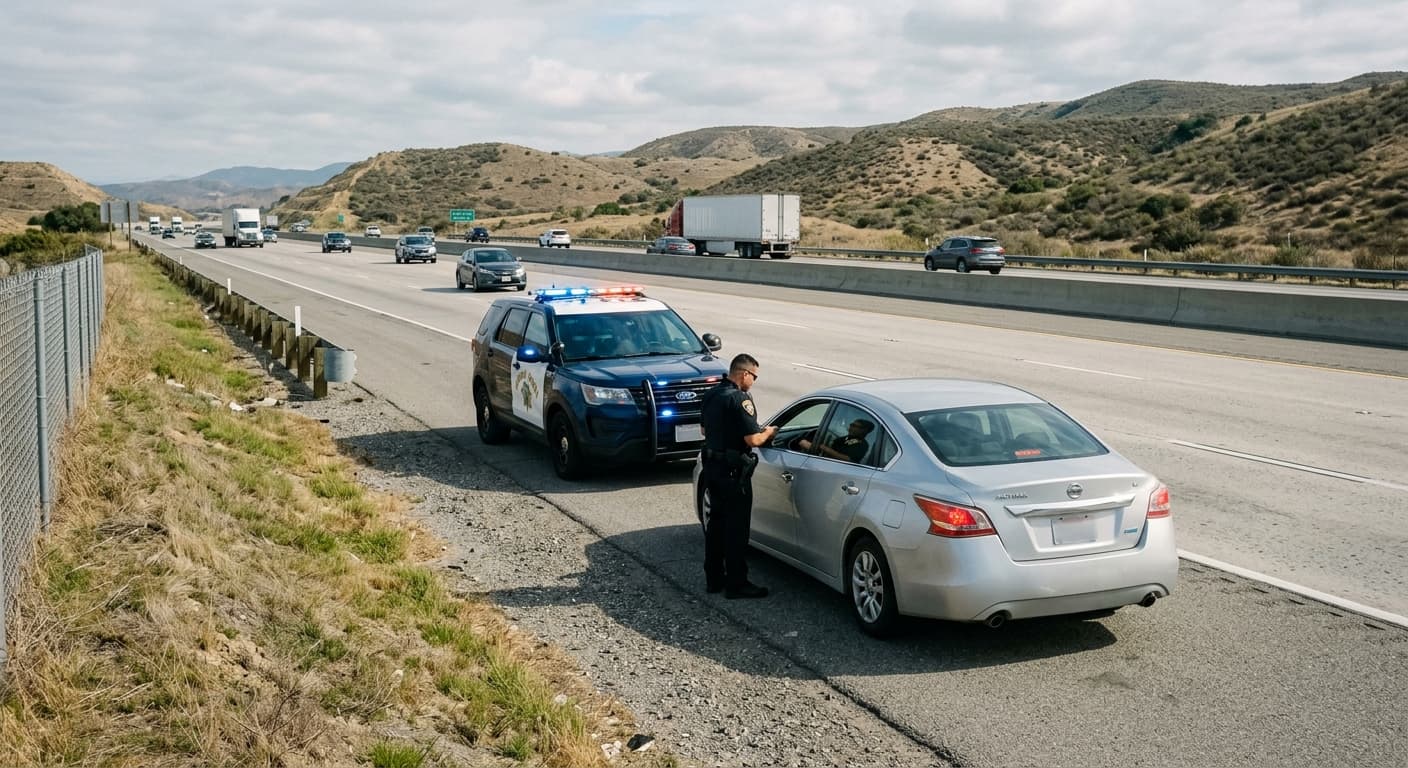
Driving under the influence is a state crime, so almost everything about it changes when you cross a state line: what the offense is called, how long you lose your license, whether you need an ignition interlock, how far back prior offenses count, and when a repeat DUI becomes a felony. Only one thing is nearly uniform, the 0.08 percent blood alcohol limit, and even that has an exception. This guide explains the national framework once, then links a detailed page for all 50 states and the District of Columbia. It also covers the parts that trip people up most: the separate DMV suspension deadline that runs alongside the criminal case, the rising use of ignition interlocks, the implied-consent rules for refusing a test, and how a repeat offense crosses the line into a felony.
What DUI is called in each state
The conduct is the same nationwide, but the label is not. Many states use DUI (driving under the influence). Others use DWI (driving while intoxicated or impaired), OWI (operating while intoxicated), OVI (Ohio), OUI (Maine and Massachusetts), DUII (Oregon), OVUII (Hawaii), or DWUI (Wyoming). A few states use two names for two tiers of the same offense. The table below shows each state's term and its per se BAC limit, with a link to the full state guide.
| State | Offense name | Per se BAC limit |
|---|---|---|
| Alabama | DUI | 0.08% |
| Alaska | DUI | 0.08% |
| Arizona | DUI | 0.08% |
| Arkansas | DWI | 0.08% |
| California | DUI | 0.08% |
| Colorado | DUI | 0.08% |
| Connecticut | DUI | 0.08% |
| Delaware | DUI | 0.08% |
| District of Columbia | DUI / OWI | 0.08% |
| Florida | DUI | 0.08% |
| Georgia | DUI | 0.08% |
| Hawaii | OVUII | 0.08% |
| Idaho | DUI | 0.08% |
| Illinois | DUI | 0.08% |
| Indiana | OWI | 0.08% |
| Iowa | OWI | 0.08% |
| Kansas | DUI | 0.08% |
| Kentucky | DUI | 0.08% |
| Louisiana | DUI | 0.08% |
| Maine | OUI | 0.08% |
| Maryland | DUI / DWI | 0.08% |
| Massachusetts | OUI | 0.08% |
| Michigan | OWI | 0.08% |
| Minnesota | DWI | 0.08% |
| Mississippi | DUI | 0.08% |
| Missouri | DWI | 0.08% |
| Montana | DUI | 0.08% |
| Nebraska | DUI | 0.08% |
| Nevada | DUI | 0.08% |
| New Hampshire | DWI | 0.08% |
| New Jersey | DWI | 0.08% |
| New Mexico | DWI | 0.08% |
| New York | DWI | 0.08% |
| North Carolina | DWI | 0.08% |
| North Dakota | DUI | 0.08% |
| Ohio | OVI | 0.08% |
| Oklahoma | DUI | 0.08% |
| Oregon | DUII | 0.08% |
| Pennsylvania | DUI | 0.08% |
| Rhode Island | DUI | 0.08% |
| South Carolina | DUI | 0.08% |
| South Dakota | DUI | 0.08% |
| Tennessee | DUI | 0.08% |
| Texas | DWI | 0.08% |
| Utah | DUI | 0.05% |
| Vermont | DUI | 0.08% |
| Virginia | DUI | 0.08% |
| Washington | DUI | 0.08% |
| West Virginia | DUI | 0.08% |
| Wisconsin | OWI | 0.08% |
| Wyoming | DWUI | 0.08% |
The 0.08 percent limit, and Utah's 0.05
Every state makes it illegal to drive with a blood alcohol concentration at or above 0.08 percent, a standard tied to federal highway funding. The lone exception is Utah, which lowered its limit to 0.05 percent in 2018, the strictest in the country. On top of the per se number, every state also bans driving while actually impaired, so a driver below the limit can still be convicted if an officer and the evidence show impairment. Two other limits are uniform in practice: commercial drivers are held to 0.04 percent, and drivers under 21 face a zero-tolerance rule, usually 0.02 percent or any measurable amount. A higher reading, commonly 0.15 percent or more, triggers enhanced penalties in most states.
First-offense penalties vary widely
A first DUI is a misdemeanor in nearly every state, but what that means ranges dramatically. Some states impose no mandatory jail and a license suspension of only 90 days; others require days in jail, fines well over $1,000, and a suspension of a year. A handful treat a first offense as a civil or traffic matter rather than a crime. The variables that drive the number are the BAC reading, whether anyone was hurt, whether a child was in the car, and the driver's record. Because the ranges are so different, the only reliable figure is the one in your own state, which is why each state guide lays out the first-offense jail, fine, and suspension in a penalty table.

Ignition interlock: the national trend
An ignition interlock device is a breathalyzer wired to a vehicle's ignition that prevents it from starting if it detects alcohol. The national trend is toward requiring one earlier and more often. Some states mandate an interlock only for repeat offenders or for a high BAC, while a growing group, including Arizona, New Mexico, and others, requires one for every DUI conviction, even a first. In many states the interlock is also the mechanism that lets a suspended driver keep driving, through an interlock-restricted license. Each state guide states whether a device is required on a first offense and for how long.
Look-back periods and when a DUI becomes a felony
A look-back period (sometimes called a washout) is how many years a prior DUI counts to enhance a new one. It ranges from five years in some states to ten in most, twenty in Vermont, and a lifetime in New Mexico, where every prior counts forever. Some states use a hybrid rule instead of a single window. Montana, for example, counts a prior conviction only if less than 10 years have elapsed between it and the current offense, but once the new charge is a third or subsequent offense, every previous conviction counts. The look-back drives when a repeat DUI becomes a felony. A few states escalate quickly, treating a second offense as a felony, while most wait until the third or fourth. A couple, such as New Jersey, have no felony DUI by offense count at all and instead charge a death or serious injury separately. The state guides give the exact look-back and the felony threshold for each state.
Refusing the test and implied consent
Every state has an implied-consent law: by driving, you agree to a chemical test of breath, blood, or urine if you are lawfully arrested for DUI. Refusing carries its own penalty, almost always a license suspension that is longer than the suspension for failing the test, and in some states refusal is itself a separate crime. Refusal can also be used as evidence against you. Because the refusal consequence is usually worse than the failure consequence, refusing rarely helps. The administrative suspension for a refusal runs separately from the criminal case.
Two separate cases: the criminal charge and the DMV suspension
One of the most misunderstood features of a DUI is that it sets off two independent processes. The criminal case proceeds in court and decides guilt and criminal penalties. The administrative case runs at the state DMV or licensing agency and decides whether and how long your license is suspended, often starting within days of the arrest and before any conviction. Each has its own deadline, and the DMV deadline to request a hearing is frequently the shortest, sometimes only a week or two. Missing it usually means the suspension takes effect automatically, regardless of what happens in court.

Can a DUI be expunged or sealed
Whether a DUI can ever come off your record depends heavily on the state. Many states bar expungement of a DUI conviction entirely, allowing only dismissed or acquitted charges to be cleared. Others permit a first-offense DUI to be sealed or expunged after a waiting period, often five to ten years, and usually only once. A growing number, through "clean slate" reforms, allow a single set-aside under conditions. Each state guide explains the local rule, but the general lesson is that a DUI conviction is hard to erase, which is one reason the stakes at the front end are high.
What to do after a DUI arrest
A DUI arrest starts two clocks at once, so the practical first steps are the same in most states: note the deadline on your arrest paperwork to request a DMV hearing, because that window is short, and gather the documents you were given, including any test results and the suspension notice. The criminal case will proceed on its own schedule. General information cannot tell you how your case will come out, since the outcome turns on the specific facts, the evidence, the BAC, and your record. Many people consult a licensed DUI defense attorney in their state to understand the charge, both deadlines, and the options for the criminal case and the license case. Select your state below for the offense name, the BAC and penalty details, the interlock and look-back rules, and the agencies that handle your case.
Underage and commercial DUI
Two groups face stricter limits everywhere. Drivers under 21 are covered by zero-tolerance laws, which set the limit at a near-zero level, commonly 0.02 percent or any measurable alcohol, so a young driver can lose a license well below the 0.08 adult threshold. Commercial drivers are held to 0.04 percent, half the standard limit, and a DUI, even in a personal vehicle, can end a commercial driving career under federal disqualification rules. Some states also create a separate underage DUI charge with its own penalties. These rules are consistent in structure across states, though the exact numbers and add-ons vary, so each state guide notes the local figures.
Aggravating factors that raise a DUI penalty
Beyond the base offense, most states add penalties for aggravating circumstances, and these are where a routine first DUI can become serious fast. A high BAC, commonly 0.15 percent or more, lengthens the suspension and interlock term and can add mandatory jail. Having a child in the vehicle is a powerful enhancer, sometimes a separate felony charge. Causing an accident with injuries can convert a misdemeanor into a felony regardless of offense count. Excessive speed, driving on an already-suspended license, and refusing the test can each increase the consequences. The state guides flag the aggravators that matter most in each state.
DUI involving drugs
DUI is not limited to alcohol. Every state also prohibits driving under the influence of drugs, including illegal drugs, prescription medication, and, in many states, cannabis above a set THC level. Drug DUIs are harder to measure than alcohol because there is often no clean per se number, so they rely more on officer observations and chemical testing. The penalties generally track the alcohol DUI penalties in the same state. As cannabis legalization spreads, states keep adjusting how they detect and charge drugged driving, making it one of the faster-moving areas of DUI law.
DUI, SR-22 insurance, and the long-term cost
The court fine is often the smallest financial consequence of a DUI. After a conviction, most states require the driver to file proof of insurance, commonly an SR-22 certificate, for a period of years before a license is reinstated, and a DUI typically raises premiums sharply for that time. There are also reinstatement fees, the cost of the ignition interlock device and its monthly monitoring, and mandatory alcohol-education or treatment programs the driver pays for. Added together, the real cost of a first DUI often reaches several thousand dollars beyond the fine, which the state guides reference where the figures are published.
Working with a DUI defense attorney
You are not required to hire a lawyer, but a DUI is an area where representation tends to matter, because of the two-track structure and the short DMV deadline. A defense attorney can request the administrative hearing in time, review whether the traffic stop and the testing were lawful, identify problems with the breath or blood evidence, and advise on whether to fight the charge or negotiate. Unlike injury or disability cases, DUI defense is generally billed as a flat or hourly fee rather than on contingency. The most time-sensitive step is the DMV hearing request, so acting quickly after an arrest protects the most options.
DUI checkpoints and your rights at a stop
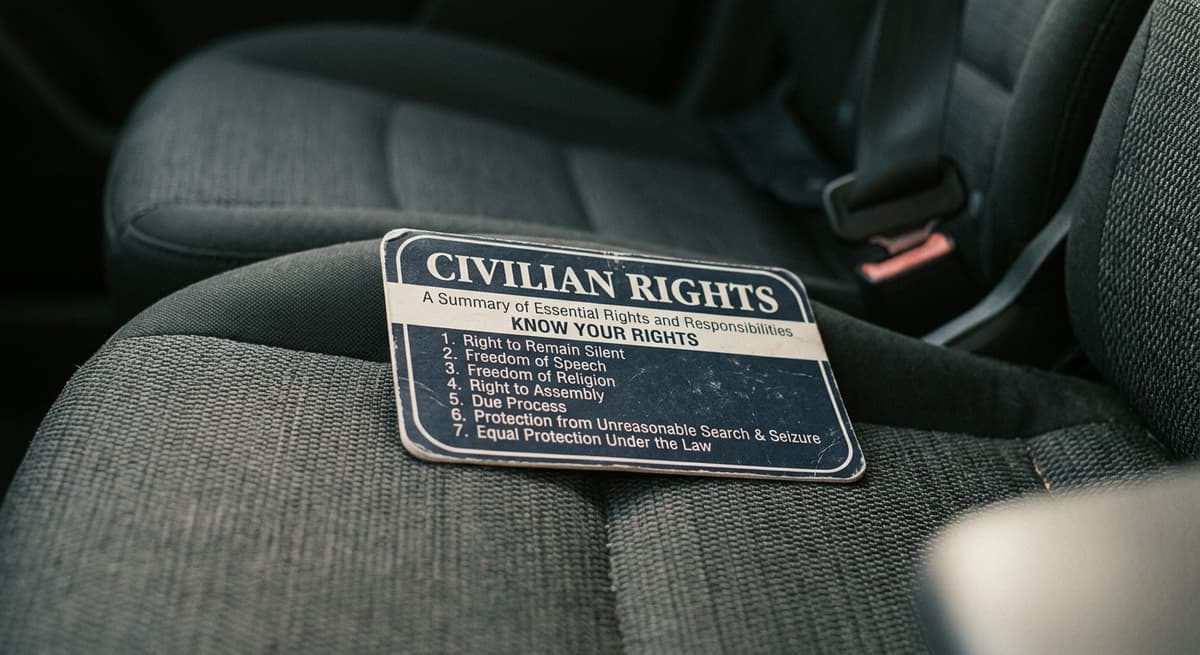
Sobriety checkpoints are legal in most states, though about a dozen prohibit them under their own constitutions. At a lawful checkpoint or traffic stop you must provide your license and registration, but field sobriety tests and preliminary roadside breath tests are, in many states, something a driver can decline without the automatic license penalty that attaches to refusing the official post-arrest chemical test. The rules differ by state and the distinctions are technical, which is one reason the legality of the stop and the testing is often the first thing a defense attorney examines. The state guides note where checkpoints are and are not allowed.
How a DUI affects your job, travel, and record
A DUI reaches well beyond the courtroom. It appears on background checks, which can affect jobs that involve driving, professional licenses, and security clearances, and a commercial driver can be disqualified outright. A DUI can also complicate international travel, since some countries, notably Canada, may deny entry to someone with a recent impaired-driving conviction. Because a conviction is hard to expunge in many states, these collateral consequences can last for years. Weighing them is part of deciding whether to fight a charge, and each state guide explains the local expungement or sealing options that can eventually limit the damage.
Frequently Asked Questions
What is the BAC limit for DUI?
The per se limit is 0.08 percent in every state except Utah, which is 0.05 percent. Commercial drivers are limited to 0.04 percent, and drivers under 21 face a near-zero limit, usually 0.02 percent or any measurable amount.
Why is a DUI called different things in different states?
The crime is the same, but states use different labels: DUI, DWI, OWI, OVI (Ohio), OUI (Maine and Massachusetts), DUII (Oregon), OVUII (Hawaii), and DWUI (Wyoming). The table above shows each state's term.
When does a DUI become a felony?
It depends on the state. A few states make a second DUI a felony, most wait until the third or fourth, and a couple have no felony DUI by offense count. A DUI causing serious injury or death is a felony almost everywhere.
Do you always lose your license for a first DUI?
Almost always, but for different lengths. First-offense suspensions range from about 90 days to a full year depending on the state and the BAC. Many states let you keep driving on an ignition-interlock-restricted license.
What happens if you refuse a breath test?
Under implied consent, refusing triggers a license suspension that is usually longer than the suspension for failing the test, and in some states refusal is a separate crime. Refusal can also be used as evidence.
Can a DUI be expunged?
It varies by state. Many states never allow a DUI conviction to be expunged; others allow a first offense to be sealed after a waiting period of five to ten years. Select your state for the local rule.
Updates
Corrected the look-back section: Montana is not a lifetime look-back state, it counts a prior only within 10 years unless the new charge is a third or subsequent offense, when all prior convictions count.
Corrected the Arkansas row of the state-by-state DUI offense-name table: Arkansas calls the offense DWI, not DUI, matching the state's own statute and this site's Arkansas DWI page.
Independently fact-checked against the cited primary sources; governing law re-checked for recent changes
Governing law re-checked for recent changes
Reviewed and approved by an editor
State-by-state comparison
Each state guide below is paired with the governing statute our editors adjudicated for it, held in our own legal record and verified against the official source.
Each statute shown is the same adjudicated anchor its state guide renders, independently verified against primary sources. A dash means not yet adjudicated in our record — never that no law exists.
The Law Behind This Article
This article rests on the statutory provisions below, held in our own legal record and retrieved from the official source. Tap a section to read the operative text.
Utah Code, Title 41: Motor Vehicles
§ 41-6a-502Driving under the influence of alcohol, drugs, or a combination of both or with specified or unsafe blood alcohol concentration -- Penalities -- Reporting of convictions.In forcecited in 2 of our articles
(1) An actor commits driving under the influence if the actor operates or is in actual physical control of a vehicle within this state if the actor: (a) has sufficient alcohol in the actor's body that a subsequent chemical test shows that the actor has a blood or breath alcohol concentration of .05 grams or greater at the time of the test; (b) is under the influence of alcohol, any drug, or the combined influence of alcohol and any drug to a degree that renders the actor incapable of safely operating a vehicle; or (c) has a blood or breath alcohol concentration of .05 grams or greater at the time of operation or actual physical control. (2) (a) A violation of Subsection (1) is a class B misdemeanor.
Official text (excerpt) · last checked 2026-09-05 · Read the full text in our law library · Verify at le.utah.gov
Cited in 33 court opinions in our collectionLatest citing opinion in our collection: 2026
Opinions citing this section in our collection:
- State v. Roybal (Utah Supreme Court 2010, 656 Utah Adv. Rep. 63)“…nfluence of alcohol, a third degree felony, in violation of Utah Code section 41-6a-502 (2005). 1 Roybal moved to suppress all…”
- State v. Harvey (Court of Appeals of Utah 2019, 446 P.3d 125)“…he had a BAC of .08 or greater while operating a vehicle. Utah Code Ann. § 41-6a-502(1) (LexisNexis 2014). In Harvey’s case,…”
- Salt Lake City v. Bench (Court of Appeals of Utah 2008, 596 Utah Adv. Rep. 11)“…rrested Bench for driving while intoxicated, a violation of Utah Code section 41-6a-502. See Utah Code Ann. § 41…”
Identified automatically from the court opinions citing this section — not a ranking of which case controls.
Also relied on in: Utah DUI Laws: 0.05% BAC Limit & Penalties (2026)
Search our full record of US law — 2.1 million sections, every state + federal →
Sources and References
- NHTSA, Drunk Driving (the 0.08 federal standard)(nhtsa.gov).gov
- NHTSA, Countermeasures That Work: alcohol-impaired driving(nhtsa.gov).gov
- U.S. DOT, impaired driving(transportation.gov).gov
- Utah Code 41-6a-502 (the 0.05 BAC limit)(le.utah.gov).gov
- Montana Code Annotated 61-8-1011 (counting prior DUI convictions: 10-year window, all priors at a third or subsequent offense)(mca.legmt.gov)