
AI Copyright Laws by Country: 2026 Global Guide
How AI and copyright law differ by country: who can own AI-generated work, and where AI may be trained on copyrighted data, across the US, EU, UK, Japan and more.
8 min read
264 articles · page 1 of 5
How AI and copyright law differ by country: who can own AI-generated work, and where AI may be trained on copyrighted data, across the US, EU, UK, Japan and more.

The EU denies copyright to purely AI-generated works and makes AI providers honour training opt-outs and publish training summaries under the EU AI Act.
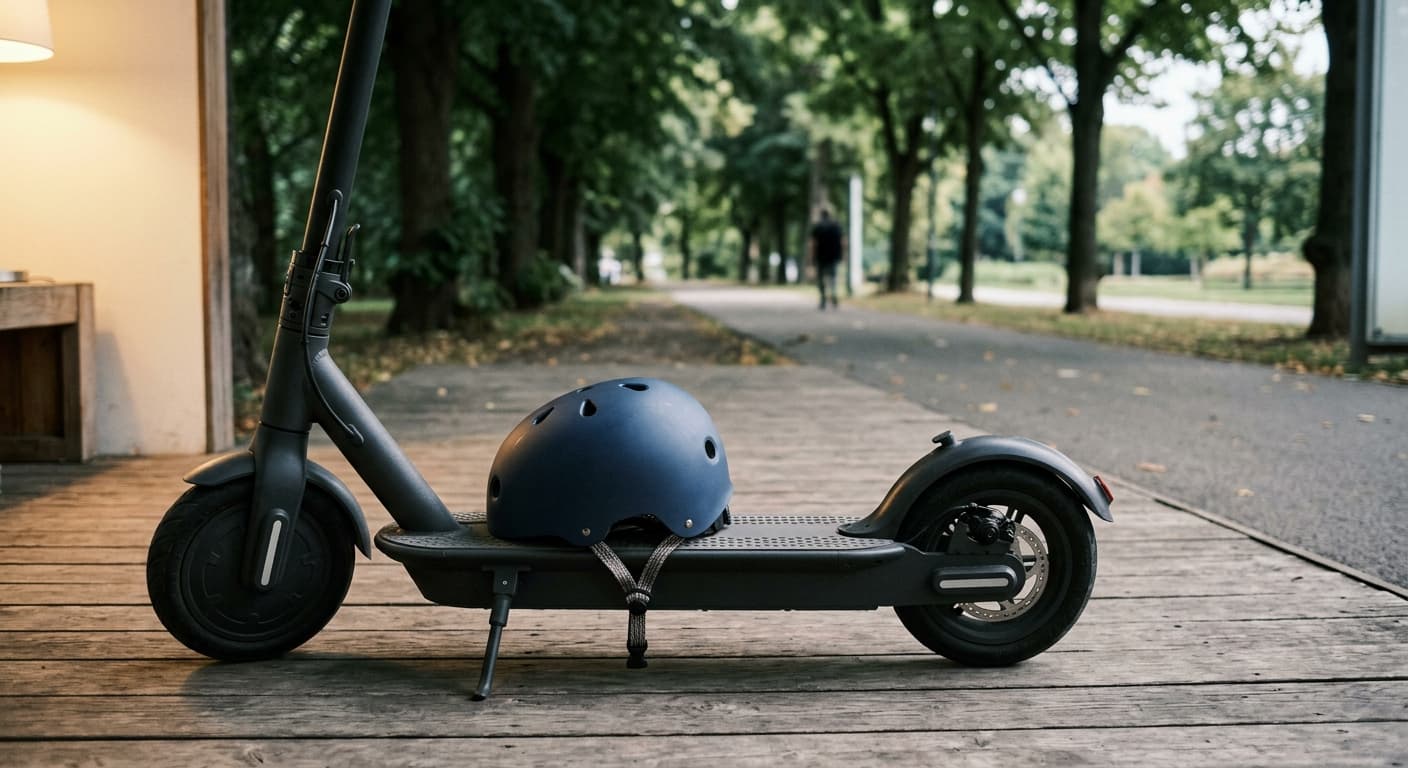
Albania has banned e-scooters, private and rental, from public roads since October 2025. Police have seized about 1,000 scooters while a court challenge is pending.
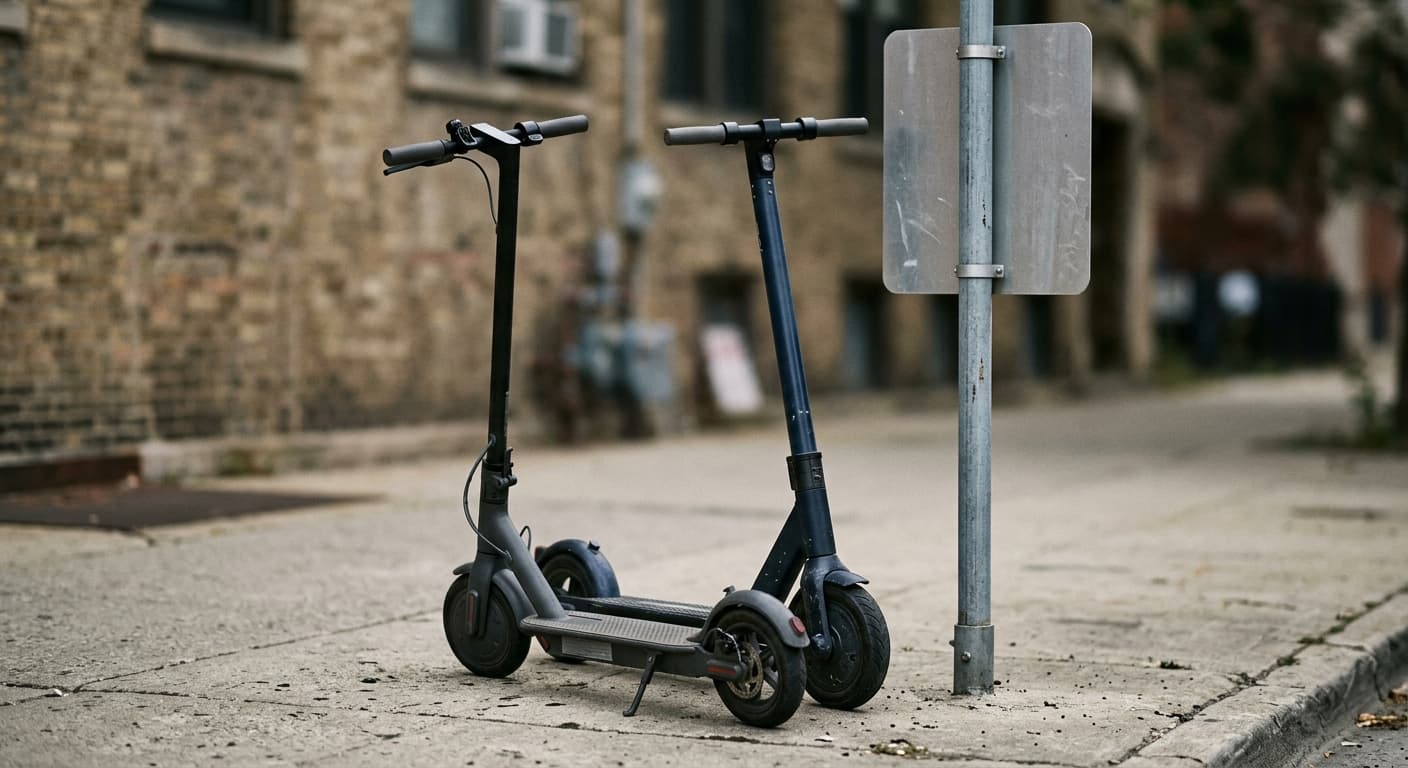
Algeria's 2025 decree created a power-based licensing regime for electric mopeds and motorcycles, but standing kick-scooters are still not covered by it.
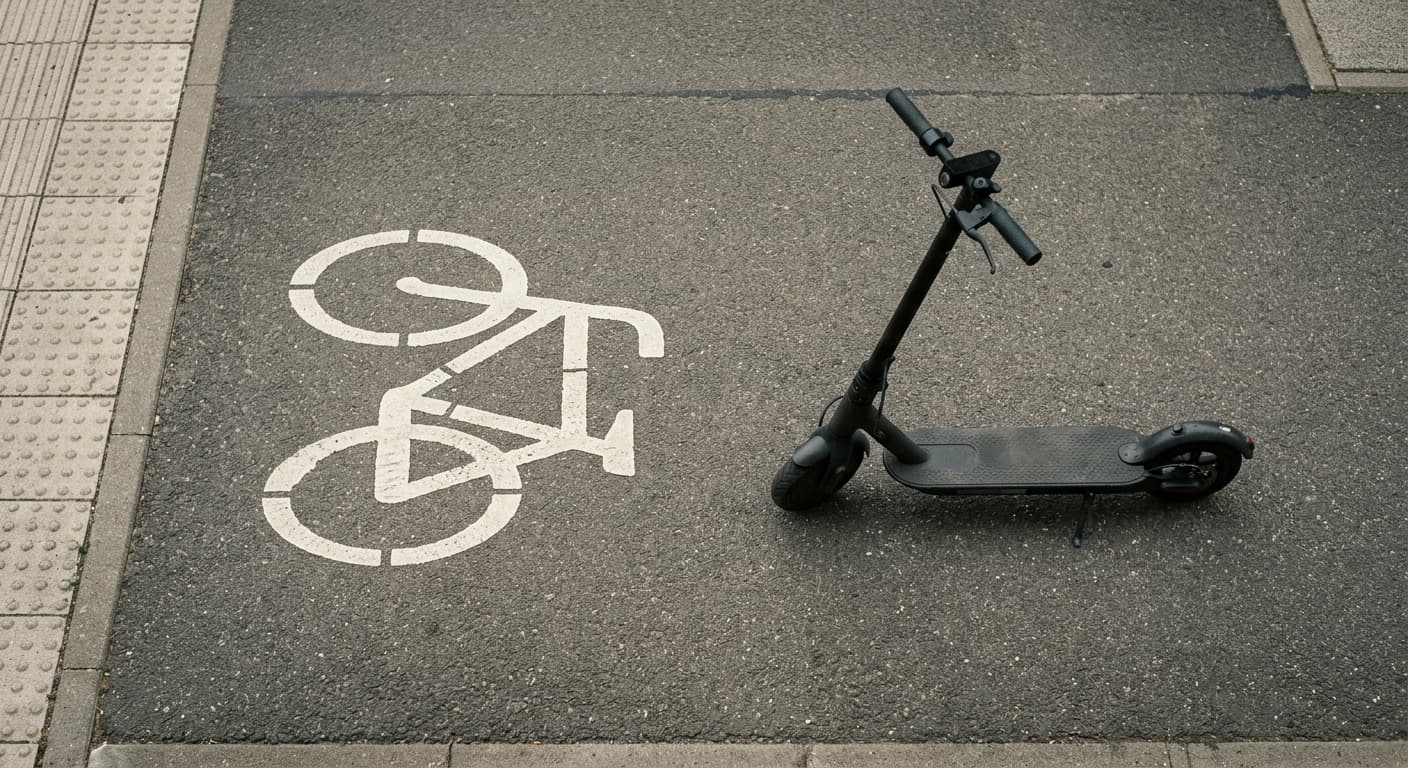
Andorran press reporting describes a 25 km/h cap, a minimum age of 16, and mandatory insurance for e-scooters, while Andorra la Vella separately bans sidewalk riding.
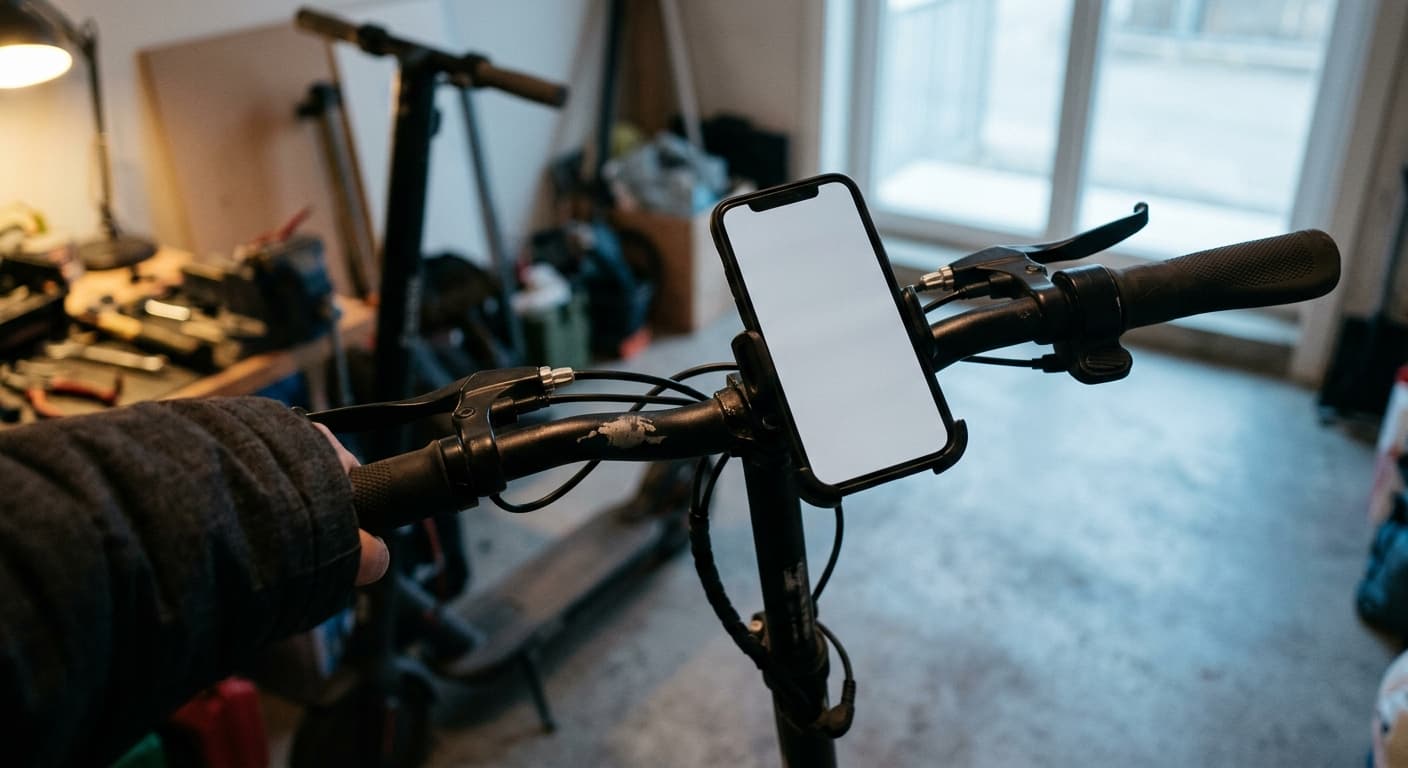
Angola names trotinetas directly and treats them like pedestrian traffic under Article 102, though a separate vehicle category may instead require registration and a helmet.
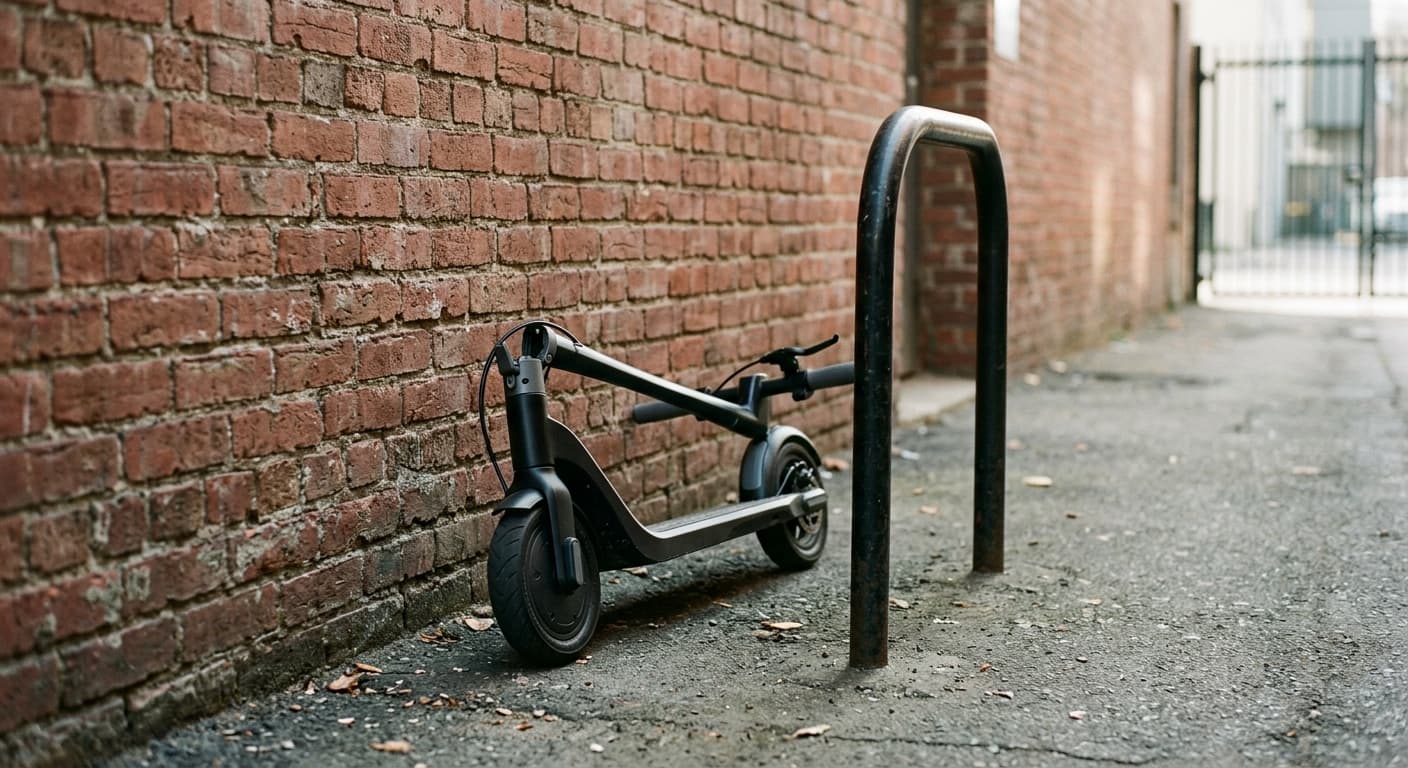
Antigua and Barbuda has no dedicated e-scooter law. Cap. 460 defines any mechanically propelled vehicle as a motor vehicle, sweeping e-scooters in by default.

Argentina defamation is civil and criminal, but since Law 26.551 (2009) calumnia and injurias carry fines only, never prison, not for public matters.
Argentina has no national e-scooter law. Compare Buenos Aires City's Ley 6164 with Rosario's and Cordoba's own, different ordinances.
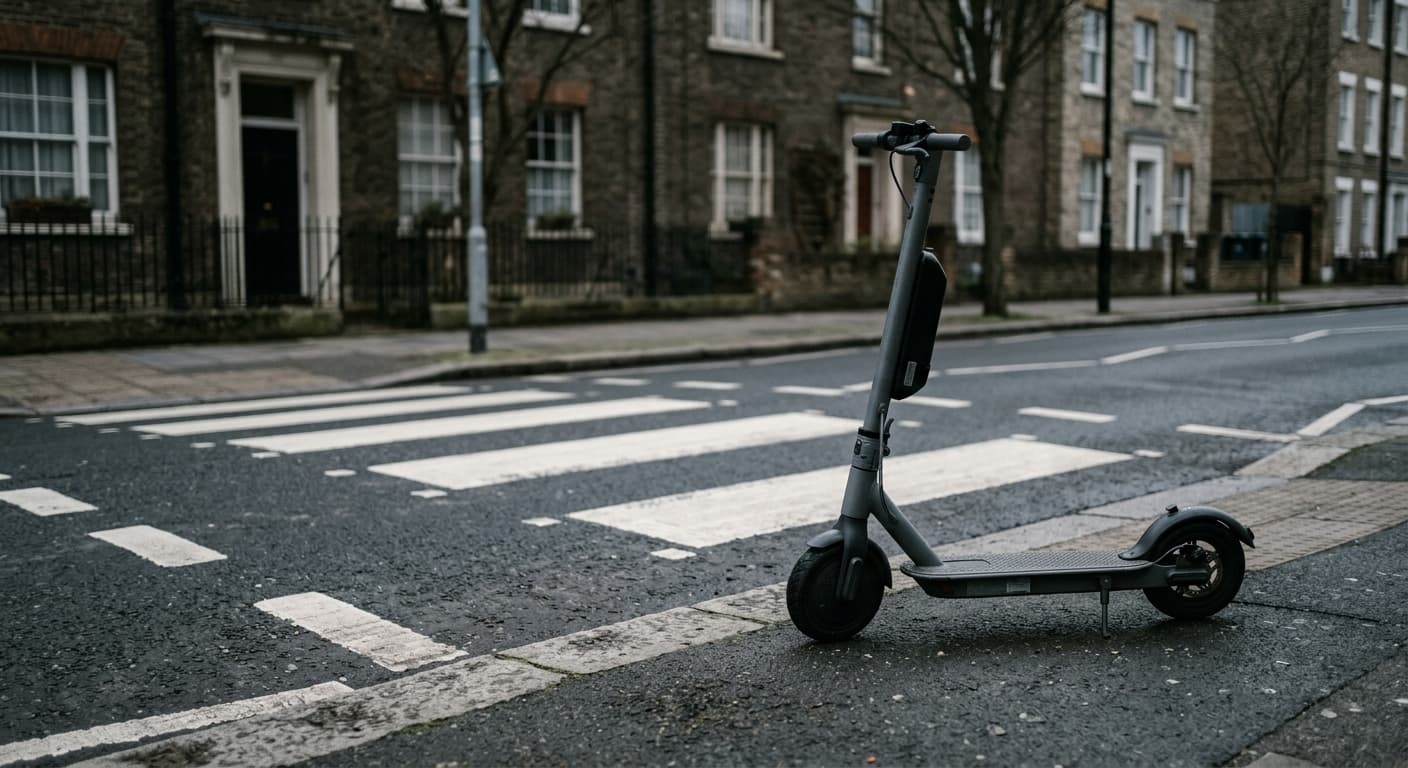
Armenia has no e-scooter law at all. Nothing forbids riding one and nothing regulates it, with no age floor, helmet rule, or speed cap in place.

Australia requires a human author for copyright. Purely AI-generated works are unprotected, and there is no text-and-data-mining exception for AI training.

How Australian law splits between federal and state, with a jurisdiction-by-jurisdiction table covering tenancy, employment, driving, probate, fences, strata, firearms and working-with-children checks.

In Austria defamation is both criminal and civil. StGB sections 111, 115 and 297 create the offences; ABGB 1330 and the Media Act allow damages.

How Austrian law actually works: the codes, courts and citations, and why German legal information usually does not apply in Austria.
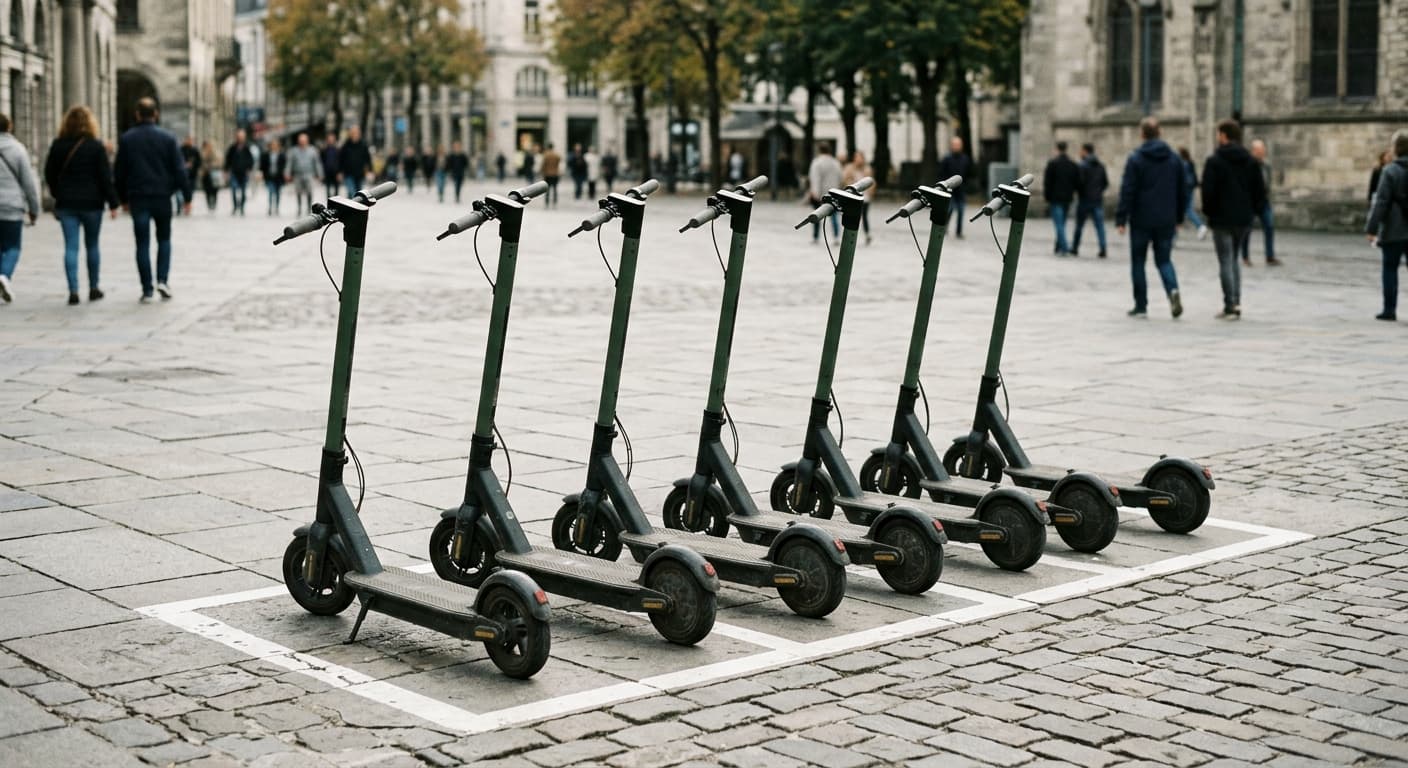
The Bahamas has no e-scooter law. The Road Traffic Act's 'wholly or partially propelled by mechanical means' definition treats e-scooters as motor vehicles.

Defamation in Bahrain is both civil and criminal: Penal Code articles 364-366 (up to 2 years) and Law 60/2014 on IT crimes for online insult and slander.
Bahrain's Decision No. 58 of 2026 caps private e-scooters at 25 km/h on internal roads only, bars highway riding, and requires a helmet plus shoulder, hand, and leg protection.

Defamation in Bangladesh is both a crime (Penal Code ss. 499-500, up to 2 years) and a civil tort; the separate online offence was repealed in 2025.
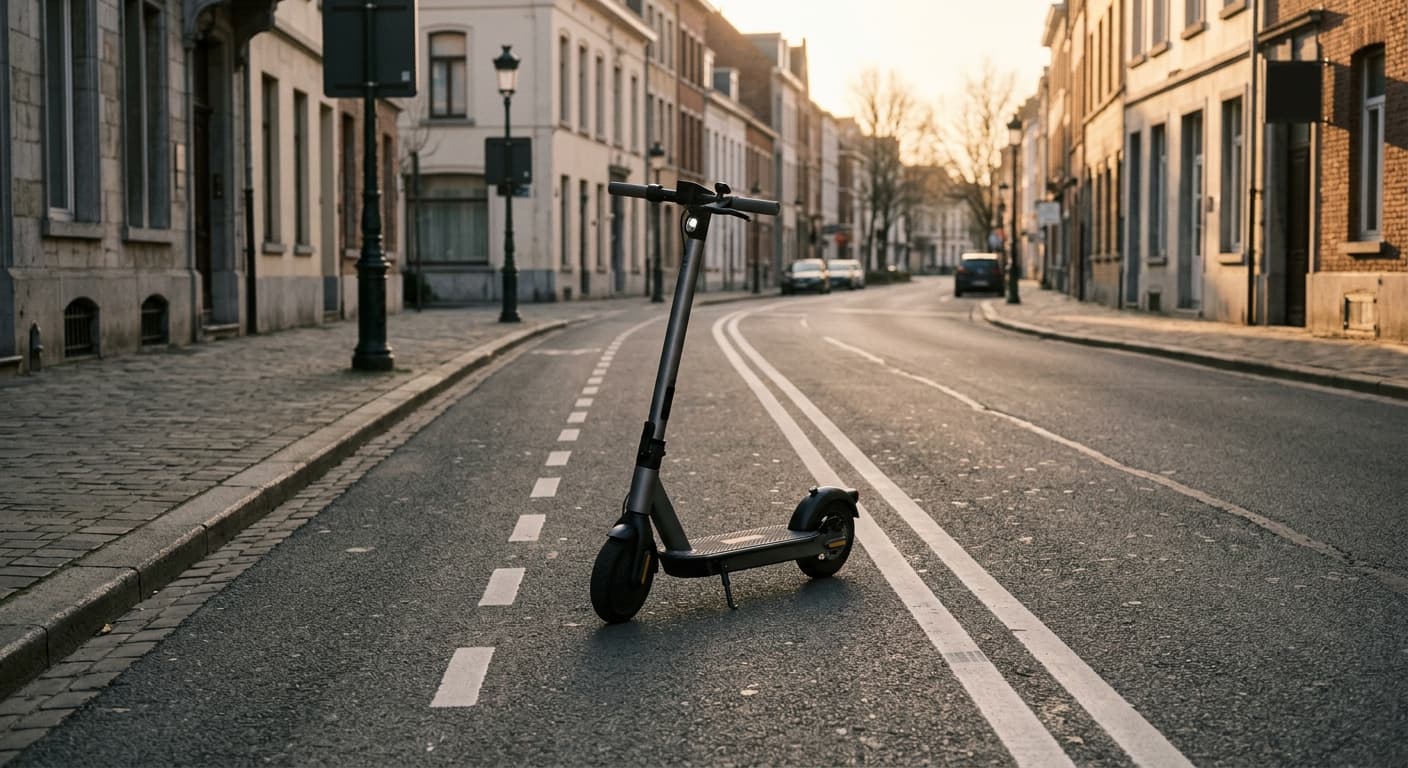
Bangladesh's 2018 Road Transport Act defines any electrically powered vehicle as a motor vehicle with no exemption, placing e-scooters under motorcycle-level rules.
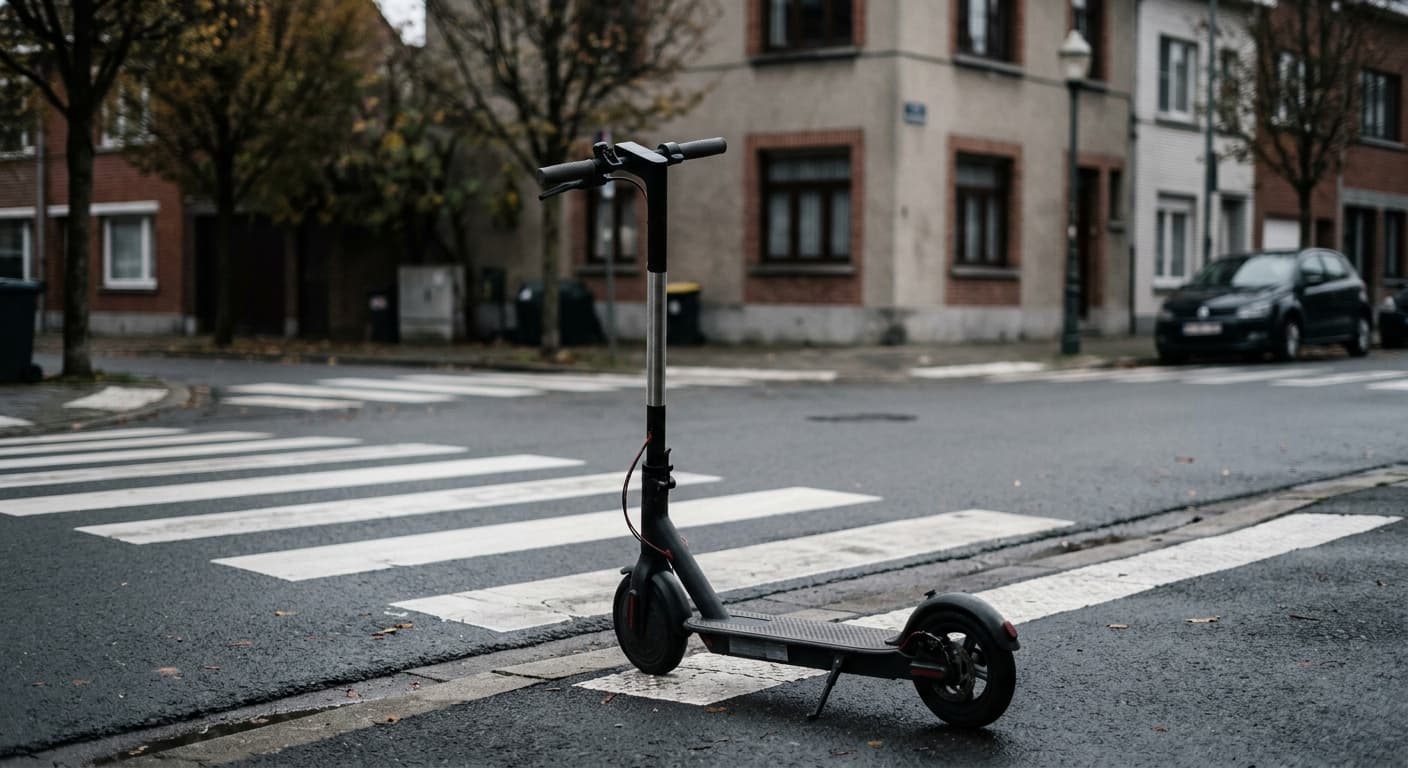
Barbados has no e-scooter-specific law, so its Road Traffic Act's broad motor vehicle definition likely applies, implying registration and licensing obligations.
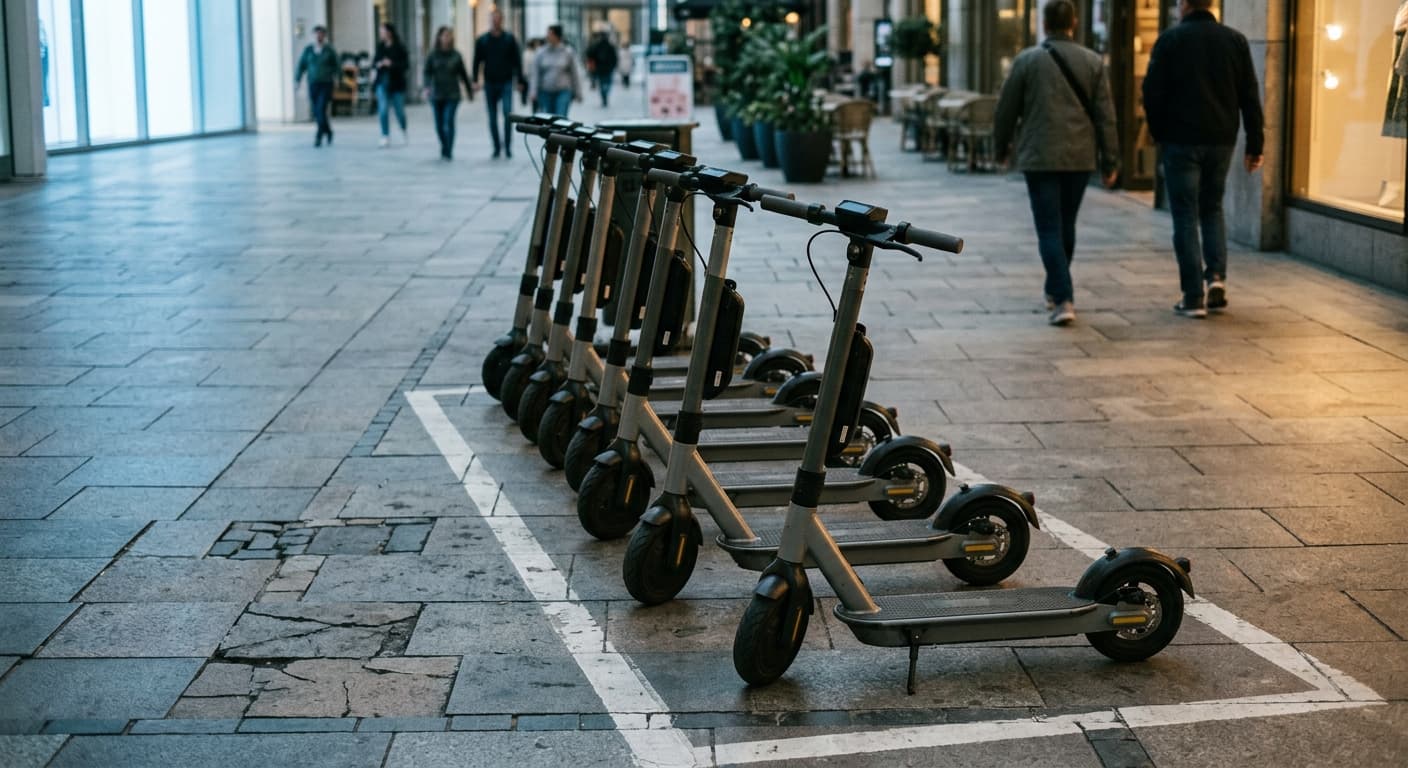
Belarus has regulated e-scooters nationally since 1 September 2025, capping speed at 25 km/h on bike paths and 10 km/h on sidewalks, with no stated age or helmet rule.
How Belgian law actually works: civil-law codes, the federal and regional split that decides inheritance tax, property duties and tenancy, the courts, and the 2026 changes including the new Penal Code.

In Belgium defamation is both criminal and civil. Penal Code arts 443 to 453 punish calomnie and diffamation; Civil Code art 1382 allows damages.
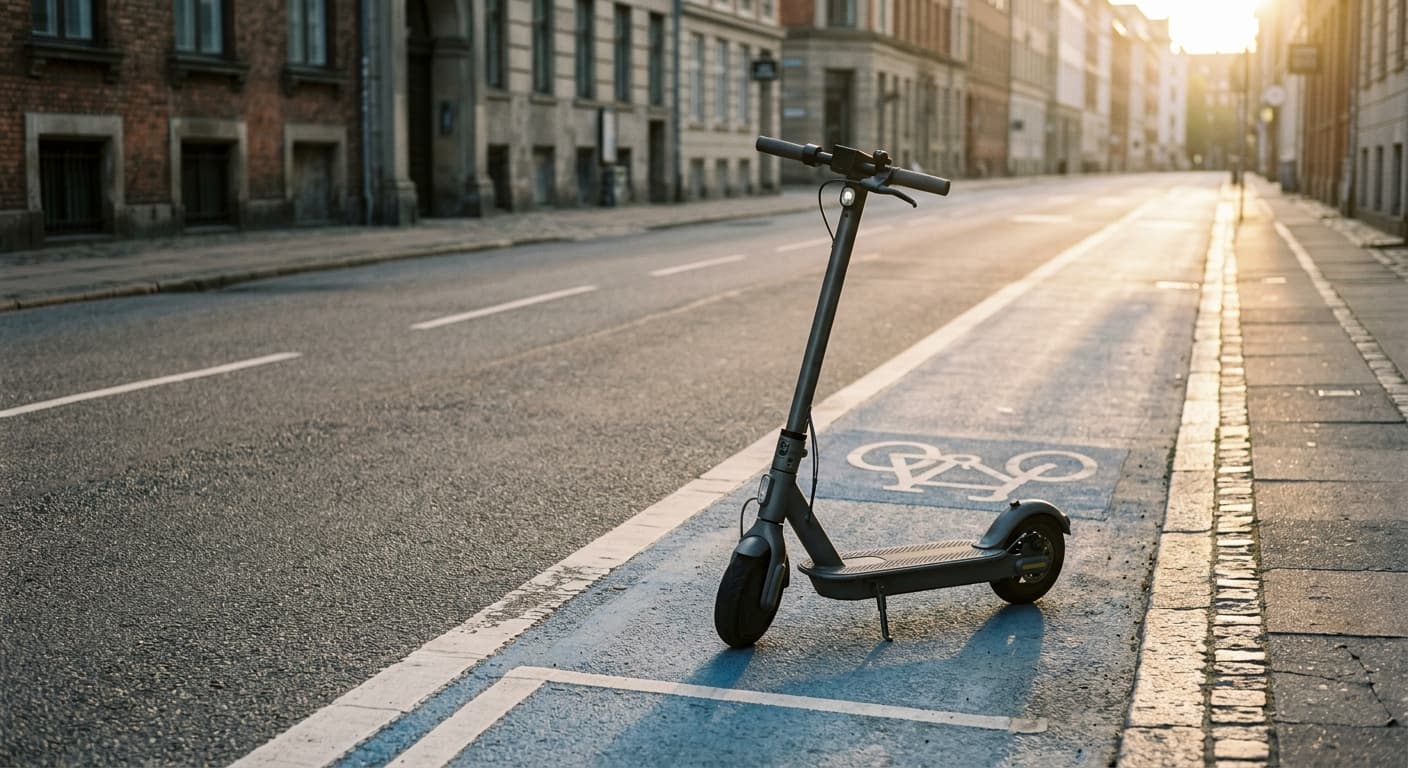
Belize has no scooter-specific law, but fuel-neutral vehicle definitions sweep e-scooters in, with reporting citing a minimum age of 17 and a motorcycle licence.
Bhutan has no dedicated e-scooter law, but its transport regulations define motor vehicle broadly enough to capture e-scooters by default.
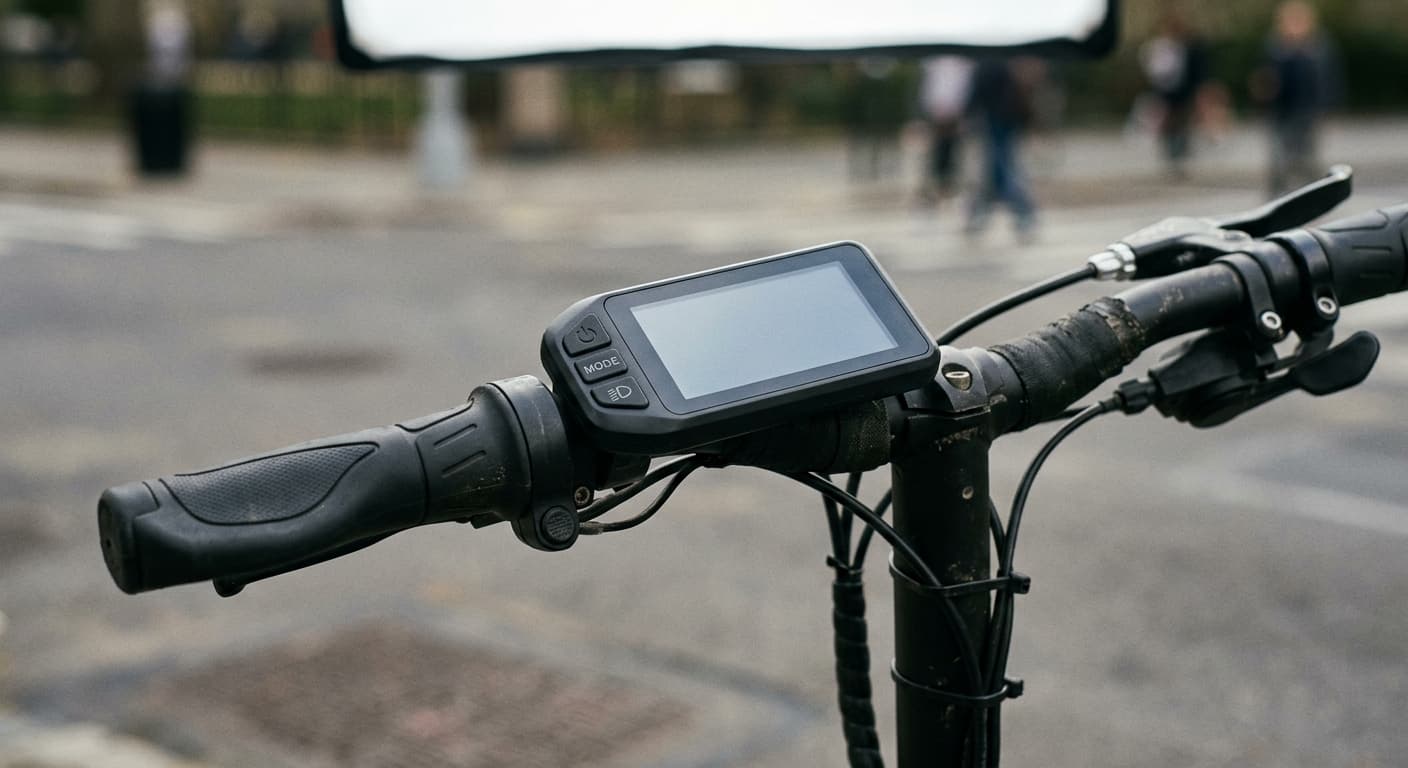
Bolivia's national traffic code never mentions e-scooters, a genuine legal vacuum with no registration, age floor, helmet rule, or insurance requirement.
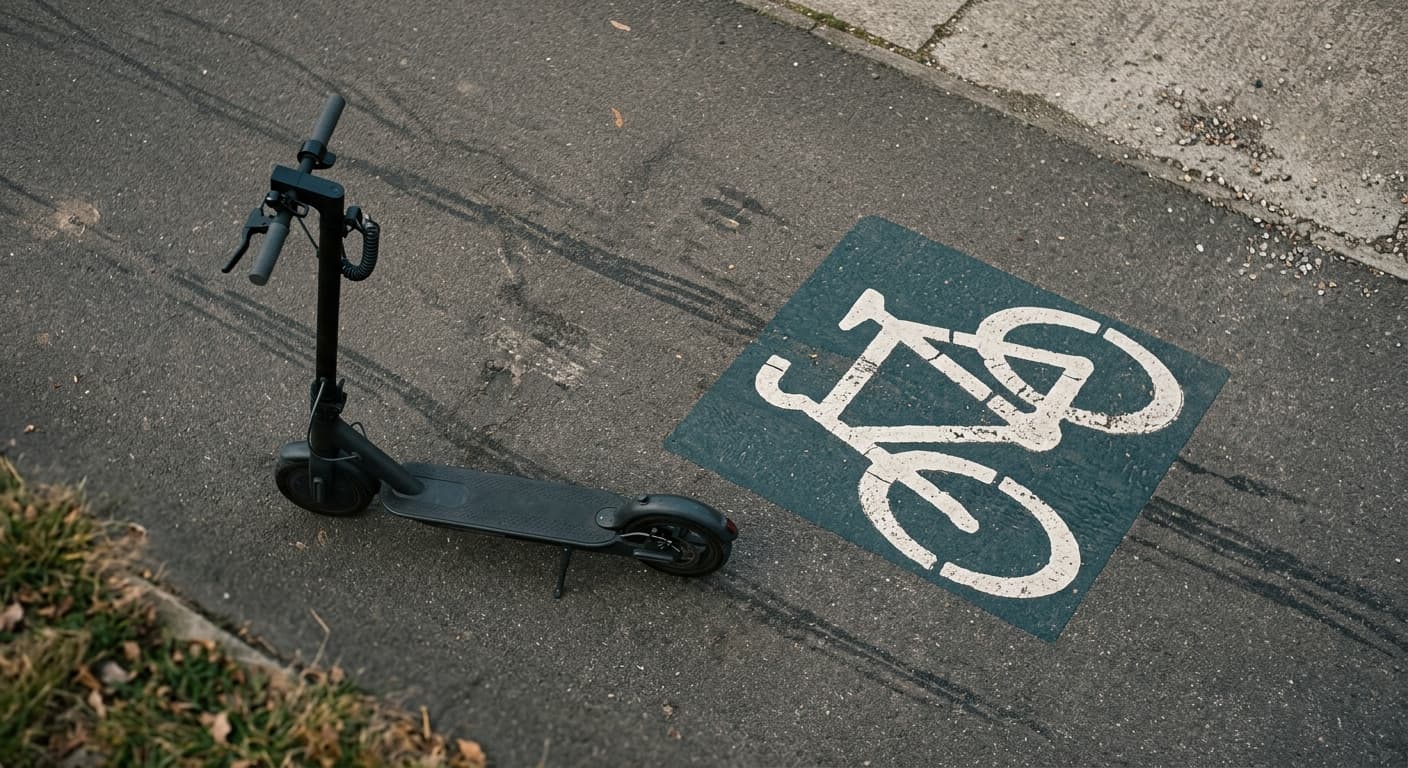
Bosnia and Herzegovina has no state-level e-scooter law after a bill failed on 22 July 2026, while Republika Srpska already runs its own riding regime.
Botswana's 1972 Road Traffic Act defines "motor vehicle" as anything self-propelled by electrical power, with no lighter category for e-scooters to fall into.

Defamation in Brazil is both criminal (Penal Code arts 138-140) and civil (Civil Code arts 186, 927). Crimes against honour, defences and damages explained.
Brazil's CONTRAN 996/2023 exempts e-scooters from national registration and licensing, but Sao Paulo sets its own 20 km/h cap, bans sidewalk riding, and requires riders to be 18.
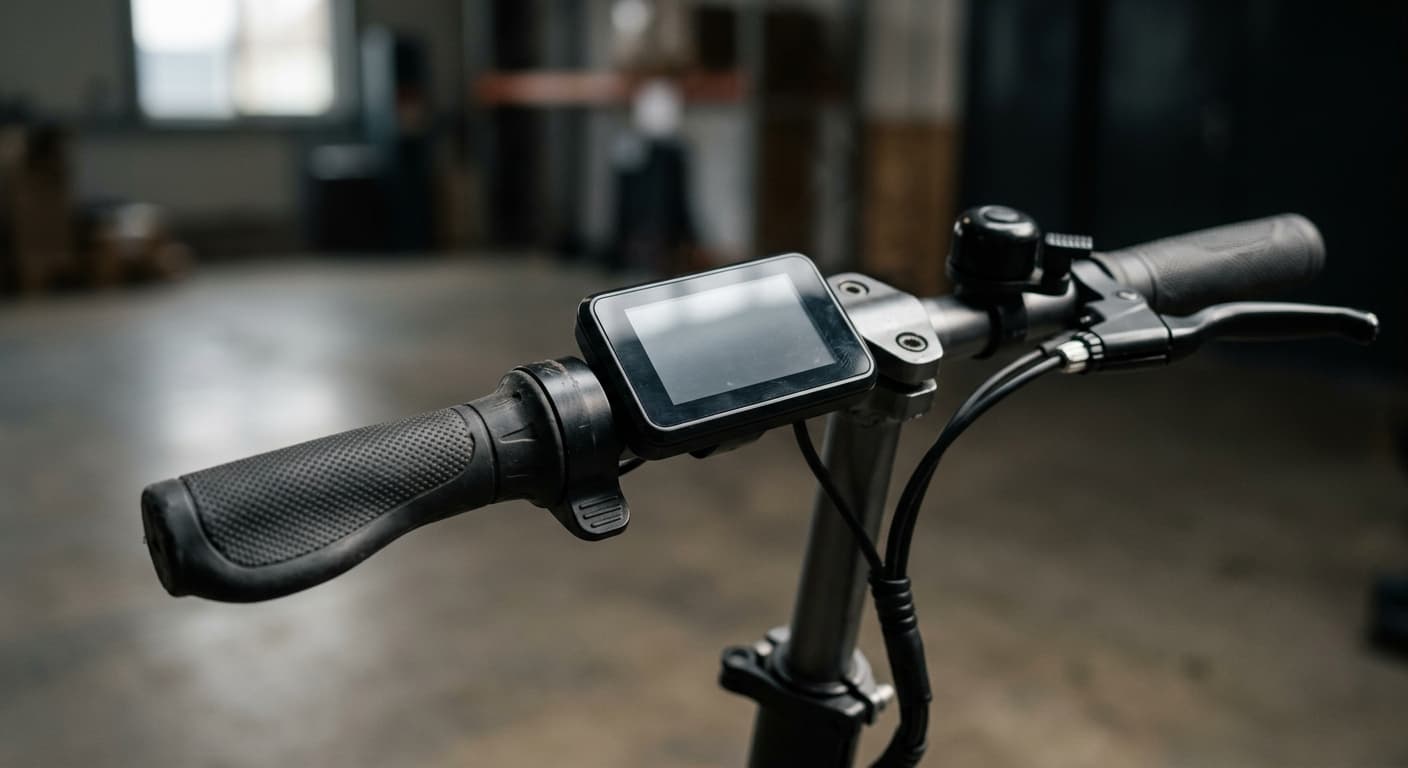
Brunei has no dedicated e-scooter law, so its Road Traffic Act's broad motor vehicle definition sweeps scooters into the same registration and driving licence rules as cars.

In Bulgaria defamation is both criminal and civil. Criminal Code Articles 146 to 148 punish insult and defamation with fines, not prison.
Bulgaria lets riders 16 and older use e-scooters on roads generally, caps devices at 25 km/h, and requires a helmet only under 18, with fines criticized as too low at 10 to 50 BGN.
Burundi's 2012 traffic code names the motorized scooter category directly and exempts it from vehicle registration, though a licence or helmet rule is not confirmed.
Cambodia exempts e-scooters under 11 kilowatts from needing a driving licence, requiring only an ID card from age 15, but a number plate is still required.

Defamation in Cameroon is both civil and criminal: Penal Code section 305 punishes it with jail and fines, and the 2010 cybercrime law covers online posts.
Cameroon's 1979 decree defines vehicles only by engine size, but the CEMAC regional road code that binds Cameroon is far broader, and it already covers an e-scooter.

Canada's Copyright Act requires human skill and judgment for protection. How AI-generated works, AI training, and software are treated under Canadian law.

Defamation in Canada is both civil (common law and Quebec Civil Code) and, rarely, criminal under Criminal Code ss.298-301. Defences, damages and limits.

How Canada's federal and provincial laws differ across 13 provinces and territories, with citation-backed guides to recording, privacy, child support and more.
The Central African Republic has no e-scooter law of its own. A shared CEMAC road code applies instead, putting e-scooters in the same category as a car.
Chad has no e-scooter statute, but a regional CEMAC road code applies. With no moped tier available, e-scooters land in the same category as a car.
Chile defamation is civil and criminal: calumnia and injuria are Penal Code crimes (Arts 412-431), and victims can also sue for civil damages.
Chile regulates e-scooters nationally as a 25 km/h VMP category requiring a helmet for every rider, while a seated device without self-balancing cannot use public roads at all.

China can protect AI-assisted works when the user shows meaningful creative input, as in Li v. Liu (2023). How training data and software are treated.

Defamation in China is both civil (Civil Code arts. 1024-1025) and criminal (Criminal Law art. 246, up to 3 years), with 2013 online thresholds.
China has no national e-scooter category. See why Beijing, from May 2026, and Shanghai ban them outright, the fines, and how smaller cities vary.
Colombia defamation is civil and criminal: injuria (Art 220) and calumnia (Art 221) are crimes under the Penal Code (Law 599/2000), with prison and fines.
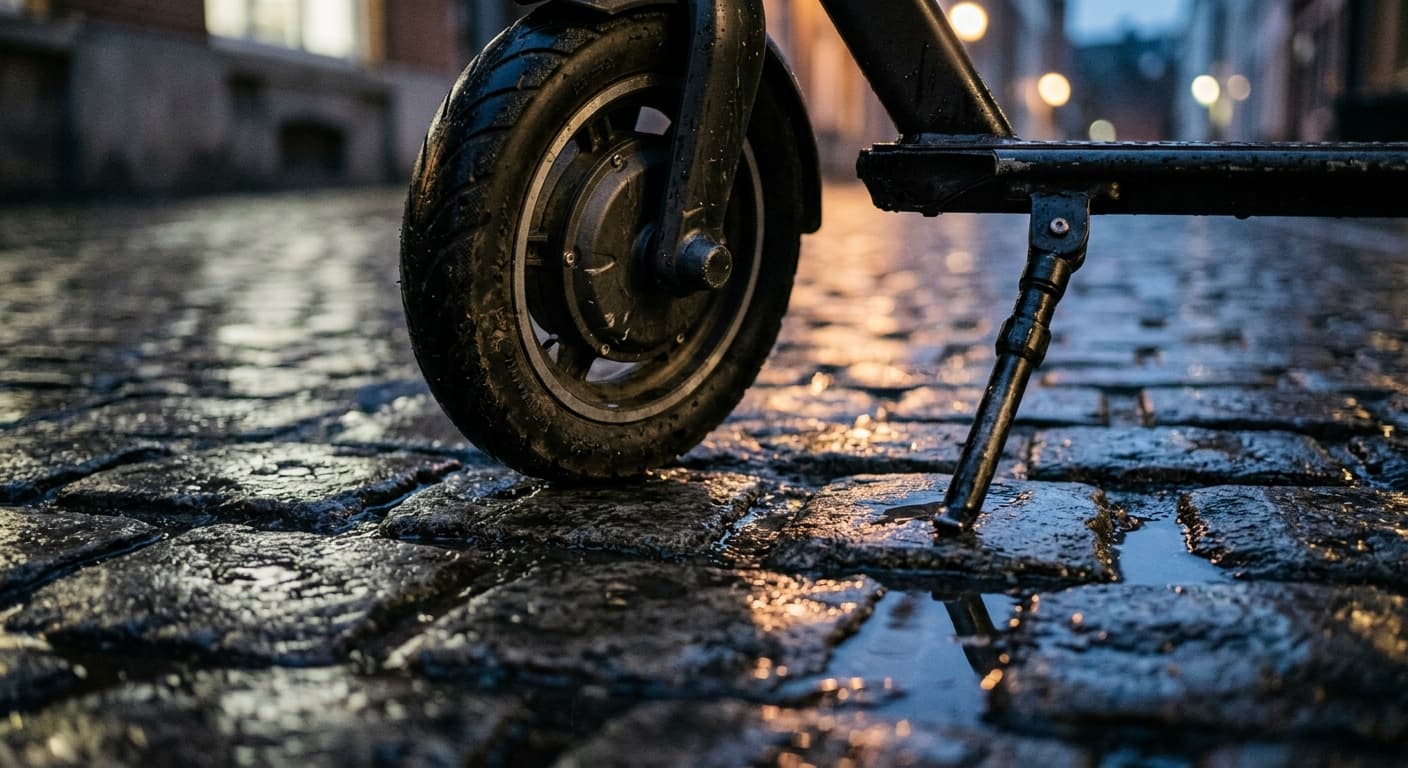
Colombia's Ley 2486 de 2025 sets national e-scooter rules: 1,000W cap, age 16, no sidewalks. A separate 2026 resolution adds licence plates from January 2027.
Compare consumer protection traditions across countries: warranties, cooling-off periods, refunds, chargebacks, unfair terms, and dispute resolution.
Defamation in Costa Rica is both a crime (Penal Code arts 145-152: injuria, difamacion, calumnia) and a civil matter, but prison was abolished in 2010.
E-scooters are prohibited on Costa Rican roads today, confiscated under Article 124. A signed reform, Ley 10834, opens a legal path only from December 20, 2026.

How arrest rights, criminal complaints, and criminal records work across countries, comparing common-law and civil-law traditions side by side.
In Croatia defamation is both criminal and civil. The Criminal Code punishes insult and calumny with fines; civil claims allow damages.
Croatia has required e-scooter riders to wear a helmet at every age since 2022, one of only two EU countries with an all-ages mandate, plus a minimum riding age of 14.
Cuban press reporting describes an A1 licence requirement for a powered electric two-wheeler under Ley 109, though the statute's own text could not be verified.
In Cyprus defamation is a civil matter only; criminal libel was abolished in 2003, and claims now proceed under the Civil Wrongs Law, Cap 148.
Cyprus raised its e-scooter minimum age to a uniform 17 in April 2026 under Law 19(I)/2018, replacing two separate lower age thresholds after accidents involving young riders.
In the Czech Republic defamation is both criminal and civil. Criminal Code section 184 punishes defamation; the Civil Code protects honour and reputation.
The Czech Republic treats a seatless e-scooter capped at 1kW and 25 km/h as a legal bicycle needing no registration, while Prague ended all rental contracts on 1 January 2026.