Costa Rica E-Scooter Laws: Banned Today, Legal From Dec 20, 2026
Independently fact-checked against primary sources (last audited July 23, 2026). · 2 primary sources cited on this page. How we verify our legal content
This article is general information about e-scooter laws in Costa Rica and is not legal advice. If you are cited or have your device confiscated, or need advice for a specific situation, consult a Costa Rican traffic lawyer or the Ministerio de Obras Públicas y Transportes (MOPT). Information last verified on 23 July 2026.
Are e-scooters legal in Costa Rica right now?
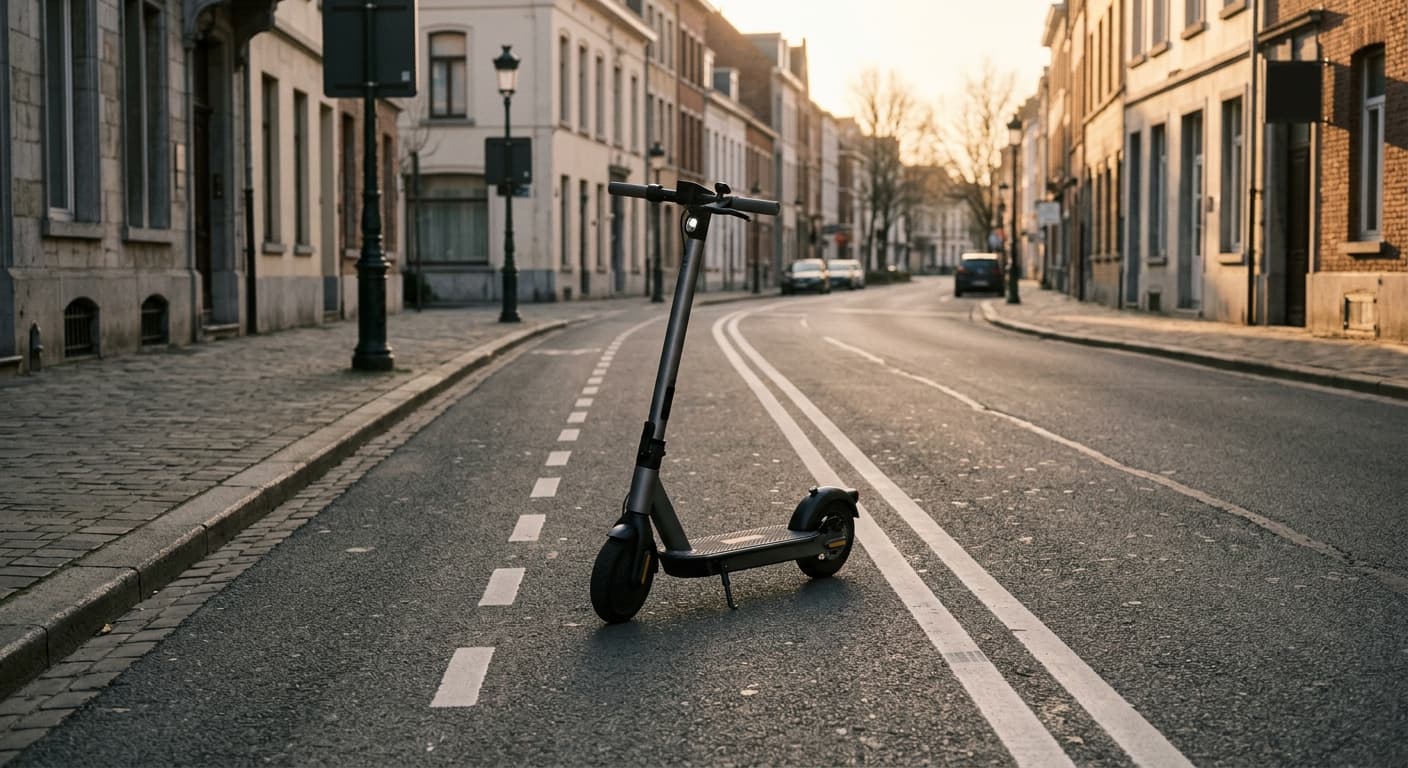
No. As of this writing, Costa Rica's traffic law does not recognize e-scooters, skateboards, or similar self-propelled devices as an authorized means of transport at all, on the road or on the sidewalk. The Ministerio de Obras Públicas y Transportes (MOPT) states this plainly on its own site: use of patinetas and similar devices on public roads is illegal, citing Article 124 of the Ley de Tránsito (Ley 9078). Traffic police confiscate the device on the spot.
This is a genuine current-law prohibition, not an unenforced technicality or a gap by omission. A reform that would open a legal path is already signed into law, but it does not take effect until December 20, 2026, described in full below. Until that date, riding an e-scooter on a Costa Rican public road or sidewalk remains an offense today, regardless of anything reported about the future reform.
What counts as a covered device under the current ban
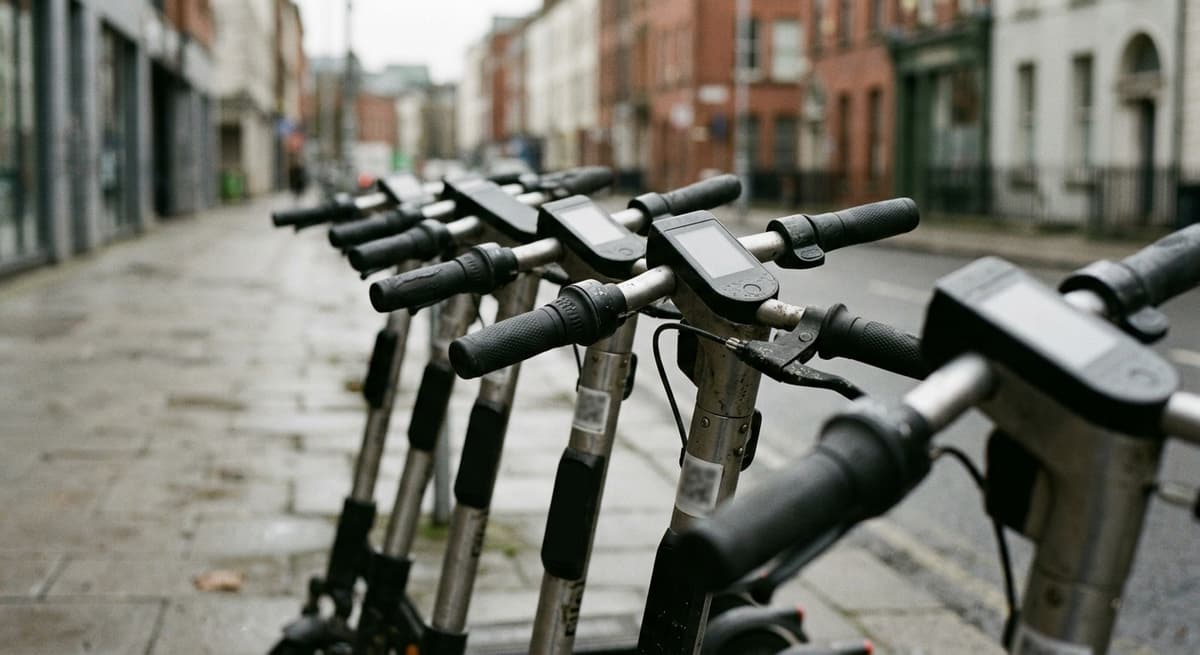
MOPT's guidance describes the prohibition as covering "artefactos autopropulsados" (self-propelled devices) broadly, applying to both motorized and non-motorized versions of patinetas and patines, with the sole named exception being ordinary bicycles. Article 124 of the Ley de Tránsito itself is the operative citation.
Separately, and importantly not part of this ban, Costa Rica legalized a related but distinct device category in 2025: the "bicimoto," an electric-assist moped-bicycle hybrid that runs on electric power only (no internal combustion). That reform, amending the Ley de Tránsito and the Ley de Movilidad y Seguridad Ciclística, entered into force around April 2025 and sets its own rules (25 km/h cap on flat terrain, mandatory helmet, no bike lanes or sidewalks). Do not confuse a bicimoto, which already has its own legal path, with a stand-up e-scooter, which does not.
Where you can ride (today)
Nowhere on a public road or sidewalk. MOPT's own guidance is explicit that the prohibition covers both roads and aceras (sidewalks), citing danger to both the rider and other road users, and to pedestrians specifically on sidewalks. The ministry points to skateparks as the recommended lawful alternative.
Penalties (today)
Confiscation is automatic on top of a fine. MOPT states the fine is approximately ₡26,000 colones. Costa Rican press reported a fine of ₡23,000 for the same violation as far back as 2021, alongside 31 citations issued in one enforcement period that year, suggesting the amount has been adjusted upward over time rather than newly introduced.
To retrieve a confiscated device, the fine must be paid, and if the device's owner is under 15, a parent or legal guardian must accompany them to do so.
Enforcement in practice
Costa Rican traffic police treat this as a routine, not occasional, enforcement priority, particularly around holiday periods when device use rises. MOPT has issued repeated public reminders (2024 alone saw at least two separate notices, one tied specifically to mid-year school vacation) warning that patinetas and similar devices are illegal on both roads and sidewalks and will be confiscated.
Enforcement patterns do not change the legal status of any rule. The fact that a specific rider has not been stopped does not make the device legal on the road; the ban applies regardless of how consistently it happens to be enforced in a given location or period.
Legal history and what may change
Costa Rica's Legislative Assembly passed Ley 10834, published in La Gaceta (Alcance N°164 to La Gaceta N°239) on December 19, 2025. The law reforms Articles 2 and 217 of the base Ley de Tránsito (Ley 9078) and adds a new Article 217 BIS, creating a category called "movilidad activa" (active mobility). Reported summaries describe this new definition as covering the use of any non-motorized means of transport, explicitly naming skateboards ("patinetas"), bicycles, wheelchairs, and skates, alongside pedestrian mobility, though this research could not open the operative Article 217 BIS text directly after repeated attempts on Costa Rica's official legal-text portal (SCIJ), which returned only a navigation shell rather than article content each time.
Under the law's own Article 2, it takes effect twelve months after publication, meaning December 20, 2026. That date is confirmed. What is not yet confirmed is the precise scope: reported language describing "movilidad activa" as non-motorized transport raises a real, unresolved question about whether an electric-motor scooter specifically falls inside the new category, or whether the reform is really aimed at skateboards, bicycles, and similar non-motorized devices while leaving electric scooters where they are today, subject to a future COSEVI (Consejo de Seguridad Vial) implementing regulation that has not yet been issued or confirmed. Do not read December 20, 2026 as a confirmed legalization date for electric scooters specifically until that operative text or COSEVI's regulation clarifies the scope.
For how a neighboring Spanish-speaking market handles e-scooters, see our guide to Spain's e-scooter laws, and our global e-scooter law guide for the full country picture.
Frequently Asked Questions
Are e-scooters legal in Costa Rica?
Not today. Costa Rica's traffic law does not recognize e-scooters as an authorized means of transport, and police confiscate them under Article 124. A reform that opens a legal path exists but does not take effect until December 20, 2026.
What happens if my e-scooter is confiscated in Costa Rica?
Traffic police seize the device on the spot. To get it back you must pay a fine reported around ₡26,000. If the owner is under 15, a parent or legal guardian must accompany them to retrieve it.
Will e-scooters be legal in Costa Rica in 2026?
A signed reform, Ley 10834, creates a new "movilidad activa" category effective December 20, 2026, but it is not yet confirmed whether that category covers electric-motor scooters specifically or only non-motorized devices like skateboards and bicycles.
Is a bicimoto the same thing as an e-scooter in Costa Rica?
No. Costa Rica separately legalized "bicimotos," electric-assist moped-bicycle hybrids, under a different 2025 reform already in force. That does not cover stand-up e-scooters, which remain under the current ban.
Can I ride an e-scooter on the sidewalk in Costa Rica?
No. The current prohibition explicitly covers sidewalks as well as roads, citing danger to pedestrians.
What law bans e-scooters in Costa Rica right now?
Article 124 of the Ley de Tránsito (Ley 9078), which the Ministerio de Obras Públicas y Transportes cites directly as the basis for confiscating patinetas and similar devices.
Updates
Independently fact-checked against the cited primary sources
Sources and References
- Ministerio de Obras Públicas y Transportes (MOPT), uso de patinetas o similares en carretera es ilegal y peligroso(mopt.go.cr).gov
- Repositorio MOPT, Ley 10834, reforma de los artículos 2 y 217 y adición de un artículo 217 BIS a la Ley 9078(repositorio.mopt.go.cr).gov
- La República (Costa Rica), 31 multas se han emitido por usar patines y patinetas en vía pública(larepublica.net)
- Telediario Costa Rica, bicimotos Costa Rica: esto establece nueva reforma(telediario.cr)