Peru E-Scooter Laws: No Plate or License Needed, Sidewalks Banned (2026)
Independently fact-checked against primary sources (last audited July 23, 2026). · 2 primary sources cited on this page. How we verify our legal content
This article is general information about e-scooter laws in Peru and is not legal advice. If you are cited for a traffic violation or need advice for a specific situation, consult a Peruvian traffic lawyer or the Ministerio de Transportes y Comunicaciones. Information last verified on 23 July 2026.
Are e-scooters legal in Peru?
Yes. Peru created a national category for e-scooters and similar devices, vehículo de movilidad personal (VMP), through Decreto Supremo N°023-2021-MTC, published July 2, 2021, which modified the Reglamento Nacional de Tránsito. A later decree, obtained directly from El Peruano (Peru's official gazette), further defines a VMP as a device fitted with an electric motor that travels faster than 12 km/h up to a maximum construction speed of 25 km/h.
This is a national rule, not a local pilot. Lima's active dockless rental market and privately owned scooters both operate under the same VMP category, though Lima Metropolitana layers its own enforcement and fine schedule on top of the national framework, described below.
What counts as an e-scooter here
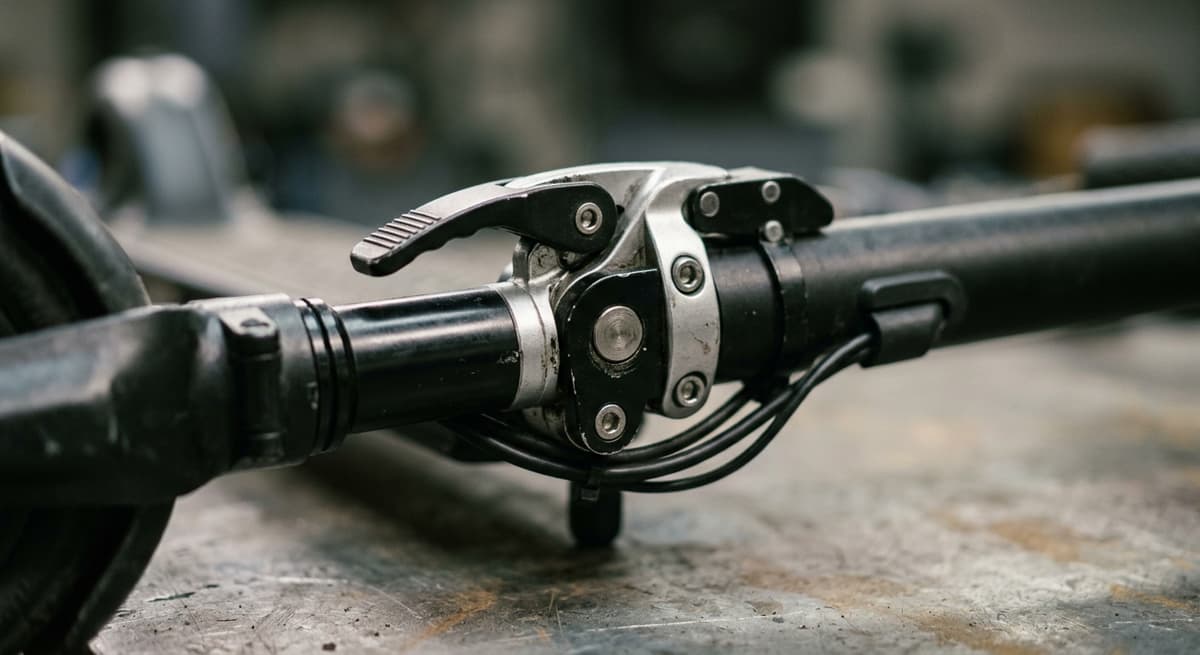
The operative definition covers any electric-motor device built for a maximum speed between roughly 12 and 25 km/h, designed for a single rider. In June 2026, the MTC (Ministerio de Transportes y Comunicaciones) published Resolución Directoral N°0016-2026-MTC/18, adding technical and graphic reference criteria to help authorities identify VMPs specifically, including electric scooters, self-balancing devices with handlebars, electric unicycles, and hoverboards, as distinct from mopeds and motorcycles.
A device that exceeds these speed and single-rider design limits falls outside the VMP category and into ordinary motor-vehicle classification instead, with its own registration, plate, and licensing requirements.
Where you can ride
Riders must use cycle infrastructure where it exists, or a street where motorized traffic does not exceed 40 km/h. Sidewalks are prohibited by name in the regulation, which states plainly that a VMP operator may not travel on the acera (sidewalk). The one exception is when the roadway is completely obstructed, and even then only by dismounting and walking the device across, not riding it.
Rider rules
- Minimum age: not specified in the decree text obtained for this page, a genuine gap in the primary source rather than a confirmed absence of an age floor.
- License: none required. VMPs are explicitly excluded from the vehicle classification that would otherwise require one.
- Registration or plate: none required.
- Helmet: mandatory, described in the regulation as a protective impact helmet.
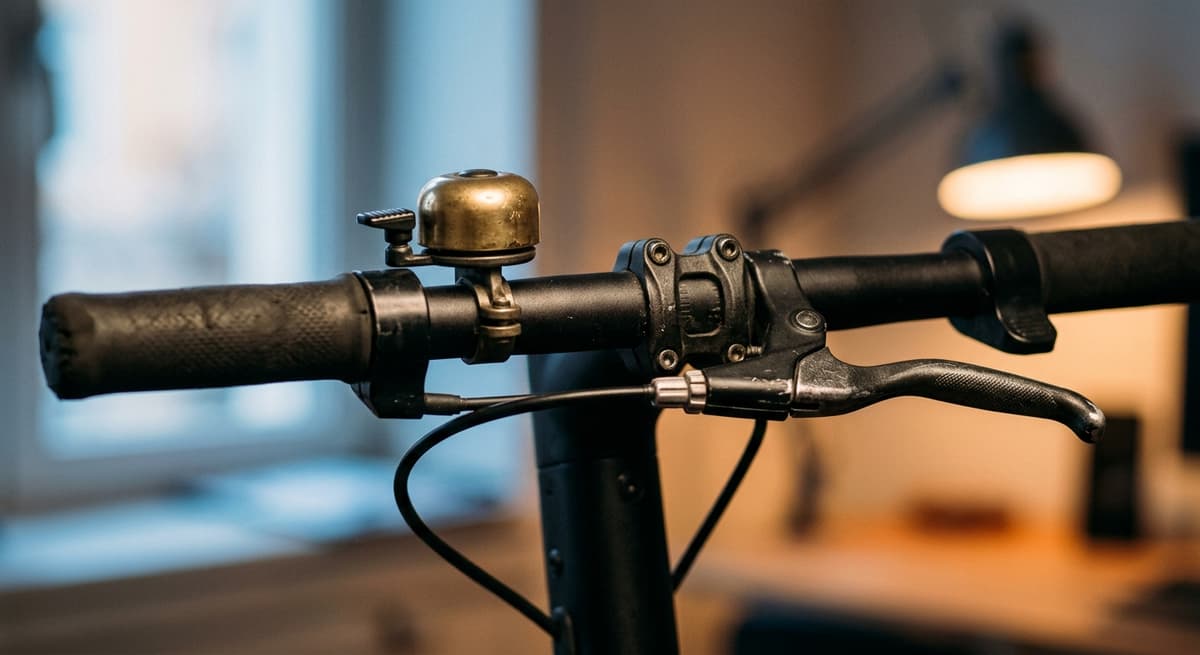
- Equipment: a functioning brake system, a horn or bell, working front and rear lights, and reflective side strips are required, along with a reflective garment for the rider.
Penalties
The national decree built in a one-year, educational-only enforcement period from its effective date rather than fining riders immediately, so early leniency was a written transition rule, not an enforcement gap. After that grace period, fines run 0.5% to 8% of Peru's UIT (a national tax reference unit), with options to reduce the penalty through a safety course or community service.
Lima's own tax and fines administration, SAT, publishes a separate schedule for VMP violations within the capital, referencing the underlying national traffic regulation: 440 soles (reduced to 74.80 with prompt payment) for riding under the influence, with the vehicle seized; 220 soles (37.40 reduced) for missing brakes, lights, reflective materials, or a helmet; 110 soles (18.70 reduced) each for reckless riding or riding on a sidewalk, the latter with possible confiscation. Riders outside Lima should not assume these exact soles figures apply nationwide.
Enforcement in practice
The national decree's own educational-only grace period means enforcement was, by design, minimal in its first year. Peruvian press and riders report ongoing confusion about exactly when that grace period ends and full fines take effect, which is a real transition question, not a sign the rules themselves are unsettled.
Enforcement patterns do not change the legal status of any rule. Riding without a helmet or on a sidewalk remains a violation regardless of how consistently a given grace period or enforcement campaign is applied at any given time.
Local and regional variation
Lima Metropolitana is the country's largest VMP market and layers its own enforcement, through SAT's fine schedule described above, on top of the national decree. Other Peruvian cities may have their own municipal ordinances addressing dockless-fleet siting and parking, though this research did not independently confirm specific rules outside Lima.
For a European comparison, see our guide to Spain's e-scooter laws, and our global e-scooter law guide for the full country picture.
Frequently Asked Questions
Are e-scooters legal in Peru?
Yes. Peru defines e-scooters nationally as VMPs (vehículos de movilidad personal) under a decree that modified the Reglamento Nacional de Tránsito, with no plate, license, or SOAT required for a compliant device.
Do I need a license to ride an e-scooter in Peru?
No. VMPs are explicitly excluded from Peru's vehicle classification system, so no driver's license, registration, or SOAT insurance applies.
Can I ride an e-scooter on the sidewalk in Peru?
No, sidewalk riding is prohibited by name, except when the roadway is completely blocked, and even then only by dismounting and walking the device.
What is the fine for an e-scooter violation in Peru?
Nationally, fines run 0.5% to 8% of Peru's UIT after an initial educational-only grace period. Lima's own SAT lists separate soles amounts for specific violations, such as 220 soles for missing safety equipment.
Is there a minimum age to ride an e-scooter in Peru?
The decree text obtained for this research does not specify one. Treat that as an open gap rather than a confirmed absence of an age rule.
Is a helmet required to ride an e-scooter in Peru?
Yes, along with reflective gear, working brakes, and front and rear lights.
Updates
Independently fact-checked against the cited primary sources
Sources and References
- El Peruano (official gazette), Decreto Supremo modifying the Reglamento Nacional de Tránsito(elperuano.pe).gov
- Servicio de Administración Tributaria (SAT) de Lima, papeletas para vehículos de movilidad personal(sat.gob.pe).gov
- Con Nuestro Perú, MTC publica reglamento para vehículos de movilidad personal(connuestroperu.com)
- La República, MTC aprueba nuevos criterios para identificar scooters eléctricos, monociclos y otros VMP(larepublica.pe)