Luxembourg E-Scooter Laws: No Helmet Mandate, MVE Rules (2026)
Independently fact-checked against primary sources (last audited July 23, 2026). · 1 primary source cited on this page. How we verify our legal content
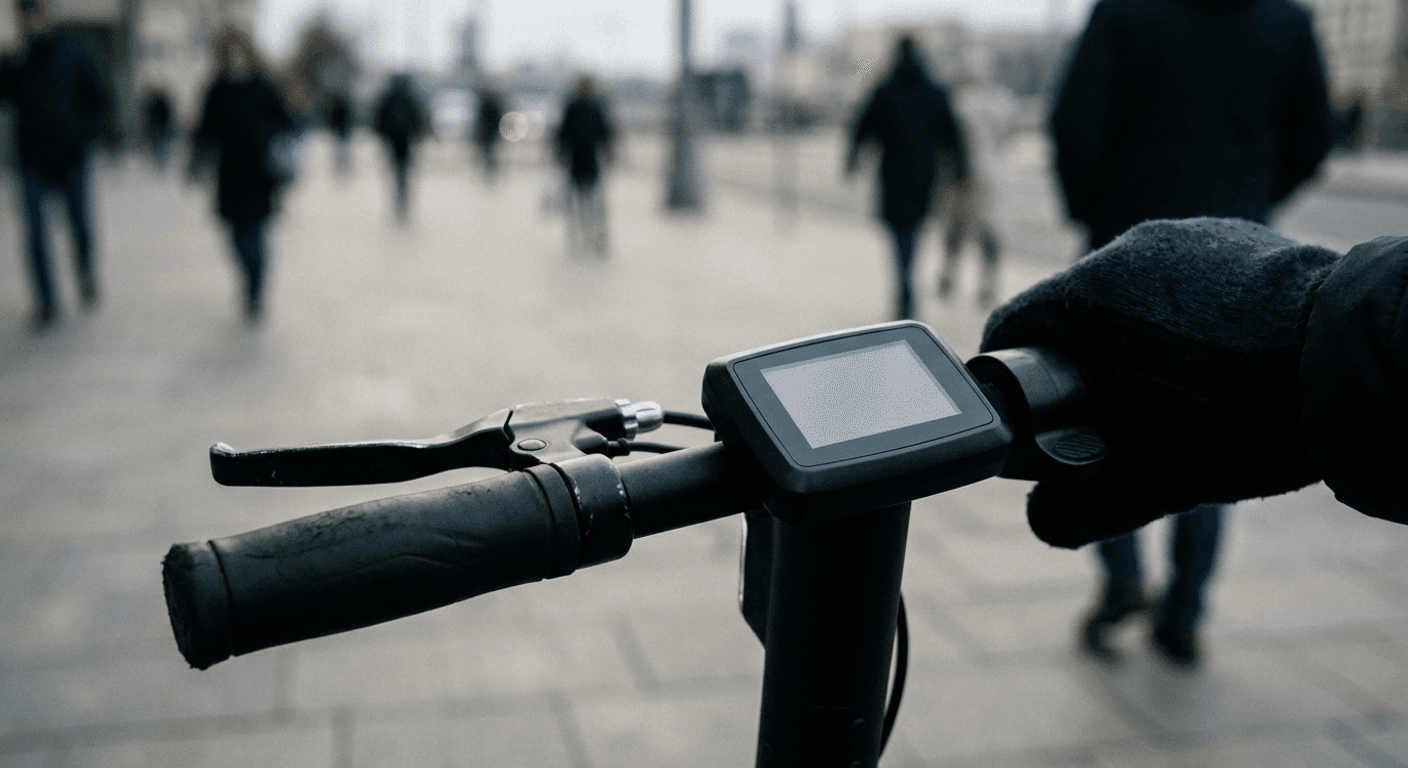
This article is general information about e-scooter (e-scooter, trottinette electrique, micro-vehicule electrique (MVE)) law and is not legal advice. For a specific fine or accident question, consult a Luxembourg avocat or the Police Grand-Ducale directly, since this guidance page itself carries no legal force. Information last verified on 23 July 2026.
Are e-scooters legal in Luxembourg?
Yes. Luxembourg's Code de la route defines a category called MVE, micro-vehicule electrique, that covers e-scooters and similar single-person electric devices. According to the Police Grand-Ducale's official guidance page, an MVE is a small road vehicle with at least one wheel, with or without a seat, designed to move one person, propelled solely by an electric motor with a maximum continuous rated power no greater than 1,000 watts, and with a maximum design speed above 6km/h but not exceeding 25km/h.
That guidance page does not itself cite the underlying Code de la route or Reglement grand-ducal article numbers; it functions as a plain-language government summary rather than a reproduction of the statute text. A reader who needs the exact article citation should check legilux.public.lu, Luxembourg's official legislation portal, directly.
What counts as an e-scooter here
The three defining thresholds are power (up to 1,000 watts, continuous rated), and speed (above 6km/h and up to 25km/h by design). A device is capped at 1.50 metres in length under the same guidance.
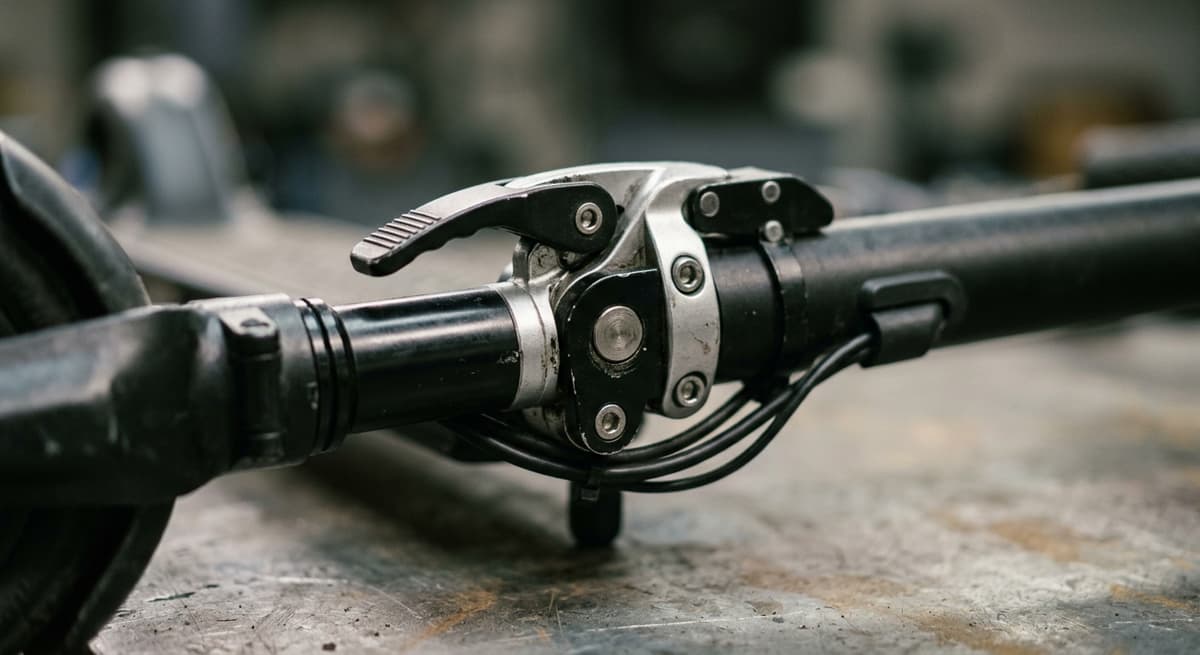
Where you can ride
Age drives most of the where-ridable rule in Luxembourg. A child under 10 is not authorized to operate an MVE on public roads at all. Children aged 10 to 13 are limited to sidewalks, pedestrian paths, cycle paths, parks, and residential or pedestrian zones, not the open roadway. According to Luxembourg news coverage summarizing the same official guidance, once a rider reaches 13, using cycle infrastructure where it exists becomes mandatory, though the government guidance page's own explicit detail is concentrated on the under-13 brackets rather than spelling out adult road-position rules directly.
Rider rules
Helmet: recommended, not required. The Police Grand-Ducale's own guidance states plainly that wearing a helmet is strongly recommended but not obligatory, for any MVE rider. This is a genuinely lighter-touch rule than several other countries covered in this guide, where a helmet mandate applies at least to younger riders.
No registration; household insurance typically applies. Luxembourg requires no registration for an MVE. Damage caused by or with an MVE is generally covered under a rider's Responsabilite Civile Vie Privee, household civil-liability insurance, rather than a dedicated vehicle policy.
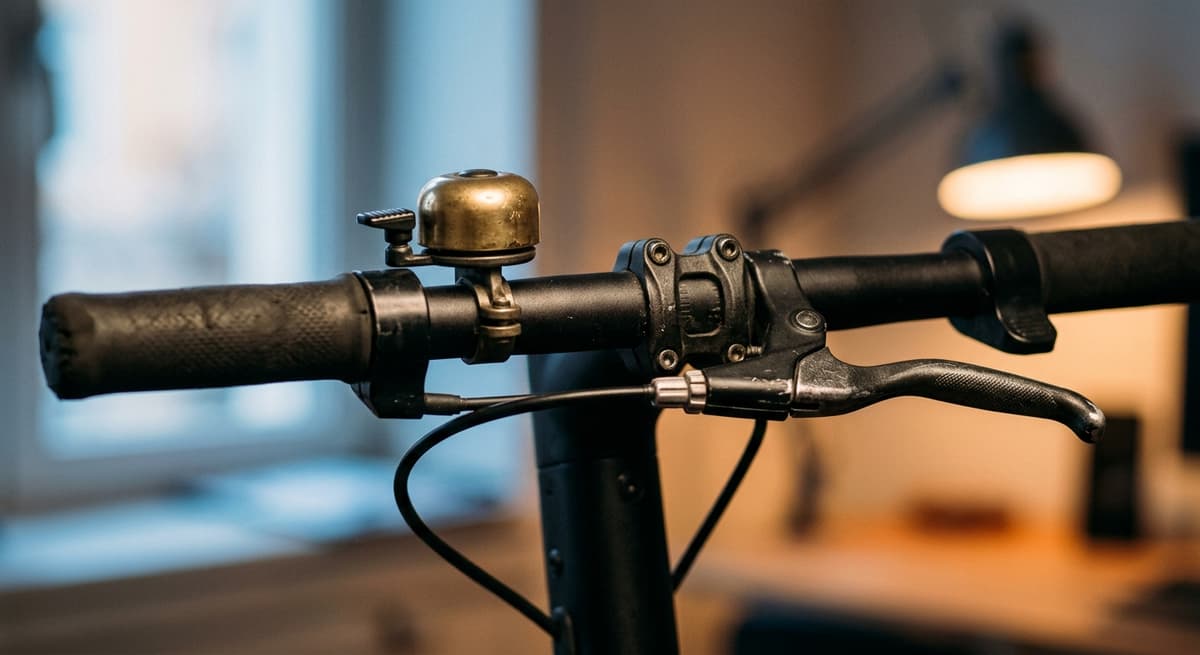
Mandatory equipment. Every MVE must carry a bell, a working braking system, a non-flashing white front light and red rear light kept on both day and night, and reflective strips or clothing where reflectors cannot be fitted to the device itself.
Alcohol and drug limits. The same blood-alcohol limits that apply to motorists apply to MVE riders: 0.5 per mille for adult riders, 0.2 per mille for riders under 18, plus a THC limit of 1 nanogram per millilitre of blood.
One rider per device; no passengers. Only one person may ride an MVE at a time. Luxembourg news coverage reports a 74-euro fine specifically for carrying a passenger.
Penalties
Luxembourg news coverage, corroborating the Police Grand-Ducale's own guidance, reports fines of 49 to 74 euros for missing mandatory equipment, and a separate 74-euro fine for carrying a passenger. The government guidance page itself does not spell out a specific fine schedule for ordinary equipment or age violations; it is more explicit about the consequence of speed-tuning a device, which it treats as a criminal offence (delit) resulting in seizure and, per the guidance, significant penal consequences, since a tuned device is effectively reclassified as a faster vehicle category with its own registration, licence, and insurance obligations.
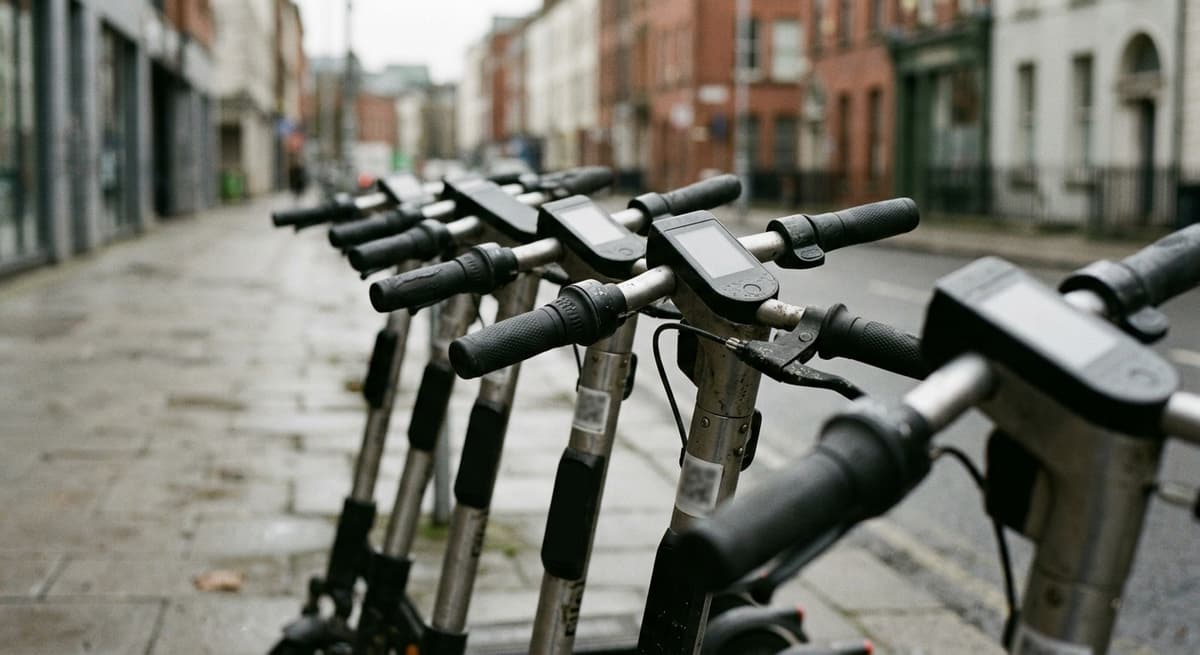
Enforcement in practice
The Police Grand-Ducale publishes its own consumer-facing legal guidance page and links its own press releases documenting roadside checks (controles) that specifically target speed-tuned devices, concentrated in Luxembourg-Ville. This is a more visible, self-documented level of published enforcement detail than several other countries in this batch offer.
That published enforcement activity concerns tuned, speed-modified devices specifically. It does not indicate anything about how strictly the lighter-touch rules, such as the recommended-not-mandatory helmet rule or the age-based where-ridable restrictions, are enforced day to day, and a strong publicity focus on tuning enforcement should not be read as evidence about enforcement of the rest of the MVE rules.
Legal history and what may change
The Police Grand-Ducale's guidance page carries its own disclaimer that it is provided for informational purposes only and has no legal value, a reminder that the underlying Code de la route and Reglement grand-ducal provisions were not separately opened this session. No specific pending legislative change to the MVE framework was found or confirmed this session.
For how Luxembourg's lighter-touch, no-helmet-mandate approach compares with a stricter EU neighbor, see Belgium's e-scooter laws, or the world e-scooter law guide for the full country comparison.
Frequently Asked Questions
Are e-scooters legal in Luxembourg?
Yes. Luxembourg's Code de la route defines an MVE (micro-vehicule electrique) category covering e-scooters and similar devices with a motor up to 1,000 watts and a top design speed of 25km/h.
Do I need to wear a helmet on an e-scooter in Luxembourg?
No. The Police Grand-Ducale's own guidance states a helmet is strongly recommended but not legally mandatory for MVE riders of any age.
What is the minimum age to ride an e-scooter in Luxembourg?
A child under 10 may not ride an MVE on public roads at all. Ages 10 to 13 are limited to sidewalks, pedestrian paths, cycle paths, parks, and residential or pedestrian zones. From 13, riders are generally treated as unrestricted, though official guidance is most explicit about the under-13 brackets.
Do I need to register or insure an e-scooter in Luxembourg?
No registration is required. Damage is generally covered under a rider's household civil-liability insurance rather than a dedicated vehicle policy.
What happens if I tune my e-scooter to go faster in Luxembourg?
Tuning an MVE to exceed its speed limit is treated as a criminal offence. It can result in seizure of the device and can trigger the registration, licence, and insurance obligations of a faster vehicle category.
Does Luxembourg police actually enforce e-scooter rules?
The Police Grand-Ducale publishes its own guidance and links press releases documenting roadside checks targeting speed-tuned devices, concentrated in Luxembourg-Ville. That published activity concerns tuning specifically, not the lighter-touch age or helmet rules.
Updates
Independently fact-checked against the cited primary sources
Sources and References
- Police Grand-Ducale (police.public.lu), official Luxembourg police portal: legal guidance page on electric scooters (trottinettes electriques), covering the MVE definition, age rules, helmet rule, insurance, equipment, and alcohol limits(police.public.lu).gov
- Le Quotidien (Luxembourg daily newspaper): coverage of new Code de la route micro-mobility rules, including the MVE category and age-based restrictions(lequotidien.lu)
- L'essentiel (Luxembourg news outlet): coverage of e-scooter fines, including the reported 74-euro passenger fine and 49-74 euro equipment fines(lessentiel.lu)
- Paperjam (Luxembourg business and legal news outlet): coverage of the legal framework for electric scooters, including where riders may use cycling infrastructure(paperjam.lu)