Lithuania E-Scooter Laws: Age Tiers From Under-10 to 16 (2026)
Independently fact-checked against primary sources (last audited July 23, 2026). · 1 primary source cited on this page. How we verify our legal content
This article is general information about e-scooter (elektrinė mikrojudumo priemonė) law in Lithuania and is not legal advice, and some specifics below rely on a summarized rendering of the statute rather than a verbatim quotation. For a definitive answer, consult a Lithuanian jurist or the Lithuanian Parliament's legal-acts portal directly. Information last verified on 23 July 2026.
Are e-scooters legal in Lithuania?
Yes. Lithuania formally adopted "elektrinė mikrojudumo priemonė" (electric micro-mobility device) as its category name for e-scooters and similar devices on 1 January 2024, under Saugaus eismo automobilių keliais įstatymas (the Road Traffic Safety Law) and its implementing Kelių eismo taisyklės (Road Traffic Rules), known as KET. Lithuania's own e-seimas.lrs.lt legal-acts portal returned an AI-summarized rendering rather than fully verbatim statutory language when consulted directly this session. A second source, a Lithuanian road-safety site that reproduces the governing KET chapter (VIII-1) in the original language, was used to confirm the specifics below with direct quotations. Where the two sources agreed, this article treats the point as confirmed; where they diverged (helmet scope, noted below), the discrepancy is flagged rather than resolved by guessing.
What counts as an e-scooter here
The device definition covers a single-person electric device with a maximum power of 1 kW and a maximum design speed of 25 km/h, with a seat reference point, if the device has one, no higher than 540 mm. This mirrors Estonia's kergliikur definition closely, both apparently drawing on the same underlying EU micro-mobility framing.
Where you can ride
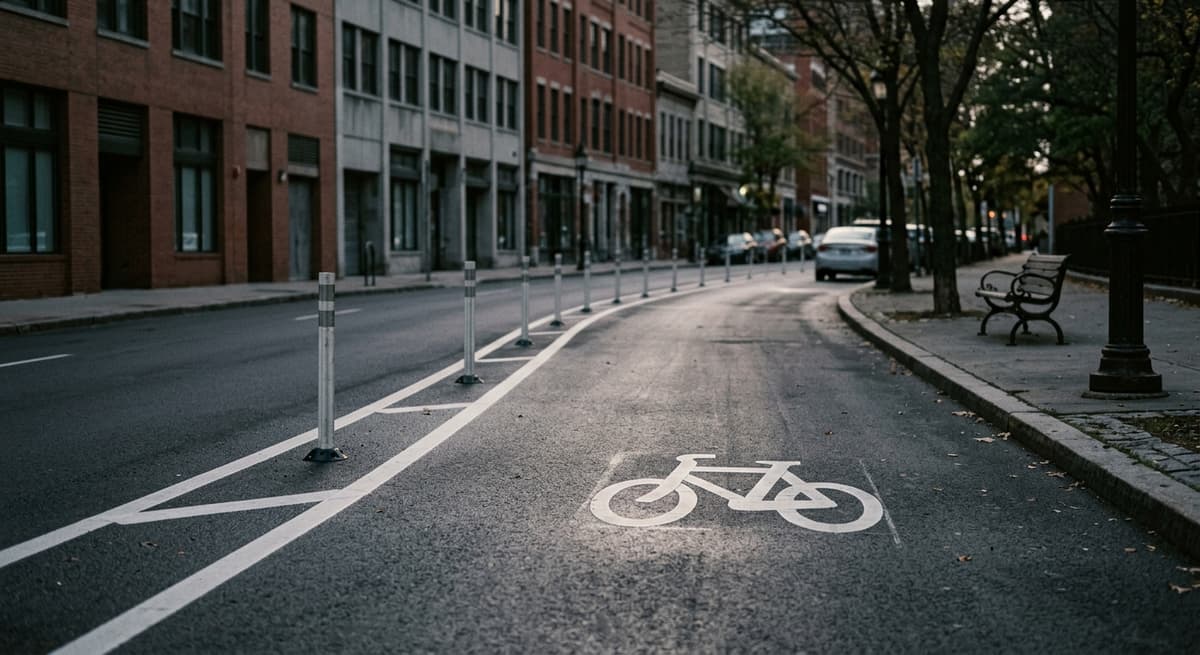
A second source, a Lithuanian road-safety site reproducing the relevant KET (Kelių eismo taisyklės) chapter in the original language, clarifies the sidewalk point that the initial research left open. Permitted surfaces are bike paths, bike lanes, the road shoulder, and the roadway. Sidewalk riding is generally prohibited but permitted specifically where no bike path exists, which is the "exception" the earlier summary had referenced without detail. Where riding on a sidewalk or pedestrian path is permitted, or when passing near pedestrians generally, riders must give way, avoid creating danger, and keep to a speed no greater than walking pace. Highways and marked pedestrian crossings remain off-limits.
Rider rules
Age: the most granular tiering in this comparison
Lithuania's age structure is the most detailed found among the countries in this guide:
| Age | Rule |
|---|---|
| Under 10 | Residential courtyards only, under adult supervision |
| 14 to 15 | Permitted with a mandatory training certificate |
| 16 and older | Permitted on public roads and bike paths generally |
This tiered structure, especially the specific training-certificate pathway for 14- and 15-year-olds, is more granular than the single age floor most other countries in this guide use.
Speed: a confirmed near-pedestrian cap
The general speed cap is 20 km/h. On top of that, a specific reduced cap of no more than 7 km/h applies when passing near pedestrians, whether on a shared path or a permitted stretch of sidewalk. The KET chapter reproduction quotes this directly rather than paraphrasing it. This kind of granular, numeric near-pedestrian speed rule, rather than a general duty to yield, is unusual among the eight countries in this guide and stands out as a genuinely distinctive Lithuanian rule.
Helmet
The KET chapter text, quoted directly from a Lithuanian road-safety site reproducing it, states that every rider of an electric micro-mobility device must wear and fasten a cyclist, skateboarder, or motorcyclist-type helmet, without carving out an exception for adult riders. This is a broader, all-ages requirement than the age-18-and-road-specific split described in some other secondary summaries of the same reform; where sources disagree on scope, this article treats the direct KET quotation as the stronger basis, but notes the discrepancy so a rider is not caught off guard either way: expect a helmet to be required regardless of age.
Alcohol and insurance: gaps
This article did not find a stated alcohol limit or insurance requirement for e-scooter riders in the sources consulted this session. These are information gaps, not confirmed absences of a rule, and should not be assumed to mean no such requirement exists.
Penalties
This article did not locate an itemized fine schedule for e-scooter violations in Lithuania this session.
Enforcement in practice
This article did not find crackdown-style enforcement reporting for Lithuania. The underlying law itself, with its tiered age structure and specific near-pedestrian speed cap, reads as comparatively detailed and strict on paper, which suggests active regulatory attention even without corresponding public enforcement-outcome data (fines issued, injuries recorded) turning up in the sources consulted.
Legal history and what may change
The current framework dates to 1 January 2024, when the elektrinė mikrojudumo priemonė category took effect. This article did not find evidence of further pending changes as of the research date. The speed caps, sidewalk exception, and all-ages helmet rule are now confirmed against a direct quotation of the governing rule chapter. Alcohol and insurance rules remain a genuine gap; a reader who needs a definitive answer on either should confirm directly with e-seimas.lrs.lt or a Lithuanian jurist rather than assuming an absence of a rule.
For how Lithuania's detailed age-tiering compares with Latvia's single age-14 floor and mandatory registration regime, see the full comparison in the world e-scooter law guide.
Frequently Asked Questions
What is the minimum age to ride an e-scooter in Lithuania?
Lithuania uses a tiered structure rather than a single floor: under-10 riders are limited to residential courtyards under adult supervision, ages 14 to 15 may ride with a mandatory training certificate, and 16 and older riders have general access to public roads and bike paths. This is the most granular age-tiering found among the countries in this comparison.
Is there a special speed limit near pedestrians in Lithuania?
Yes. On top of a general 20 km/h cap, a confirmed reduced speed limit of no more than 7 km/h applies when passing near pedestrians, whether on a shared path or a permitted stretch of sidewalk. This level of specificity is unusual among the countries covered in this guide.
Do I need a helmet to ride an e-scooter in Lithuania?
Yes, for every rider regardless of age, per a direct quotation of the governing KET traffic-rules chapter. Some secondary summaries of the same reform describe a narrower rule limited to under-18s and to adults specifically on roads; this article treats the direct rule-chapter quotation as the stronger basis, so riders should expect a helmet to be required either way.
What is the alcohol limit for e-scooters in Lithuania?
This article did not find a stated alcohol limit for e-scooter riders in either source consulted. This is a gap in available information, not a confirmed absence of a rule.
Can I ride an e-scooter on the sidewalk in Lithuania?
Generally no, but there is a real exception: sidewalk riding is permitted specifically where no bike path exists. Where it is permitted, riders must give way to pedestrians and keep to walking pace (no more than 7 km/h). Highways and marked pedestrian crossings remain off-limits.
Updates
Independently fact-checked against the cited primary sources
Sources and References
- e-seimas.lrs.lt (Lithuanian Parliament legal-acts portal): text of the Saugaus eismo automobilių keliais įstatymas (Road Traffic Safety Law) amendment establishing the elektrinė mikrojudumo priemonė (electric micro-mobility device) category, effective 1 January 2024, covering the device definition and age tiers (this source returned an AI-summarized rendering rather than fully verbatim statutory text; treat the specifics below as near-primary, not a direct quotation)(e-seimas.lrs.lt).gov
- Ketonline.lt (driving-school site): explainer on the 1 January 2024 Saugaus eismo įstatymo amendments affecting e-scooters(ketonline.lt)
- LRT (Lithuanian public broadcaster): coverage of traffic rules cyclists and e-scooter riders can overlook, and the risks of doing so(lrt.lt)
- eismas.eu (Lithuanian road-safety information site reproducing the Kelių eismo taisyklės, KET VIII-1 chapter verbatim in Lithuanian): quoted provisions on the age tiers, permitted riding surfaces (bike paths, bike lanes, road shoulder, roadway, sidewalks only where no bike path exists), the 20 km/h general and 7 km/h near-pedestrian speed caps, and a helmet requirement stated for all riders(eismas.eu)