Estonia E-Scooter Laws: Kergliikur Rules and Sidewalk Riding (2026)
Independently fact-checked against primary sources (last audited July 23, 2026). · 2 primary sources cited on this page. How we verify our legal content
This article is general information about e-scooter (kergliikur) law in Estonia and is not legal advice, and several specific rules below could not be independently confirmed against the primary statute this session. For a definitive answer to a specific question, consult an Estonian jurist or check riigiteataja.ee directly. Information last verified on 23 July 2026.
Are e-scooters legal in Estonia?
Yes. Estonia regulates e-scooters under the kergliikur (light vehicle) category in Liiklusseadus, the Traffic Act. This article draws on Estonian legal-explainer coverage of that statute rather than the bare statutory text of riigiteataja.ee, Estonia's official legislative register, which was not successfully reached this session. Confidence in the specifics below is correspondingly lower than for the other countries in this guide, and readers should treat several of the rules as reported rather than independently verified against the primary source.
What counts as an e-scooter here
A kergliikur is defined as a single-person electric device with a maximum motor power of 1 kW and a manufacturer speed not exceeding 25 km/h. The category covers e-scooters as well as e-skateboards, e-unicycles, and self-balancing devices, treating them as a single class rather than regulating scooters separately.
Where you can ride
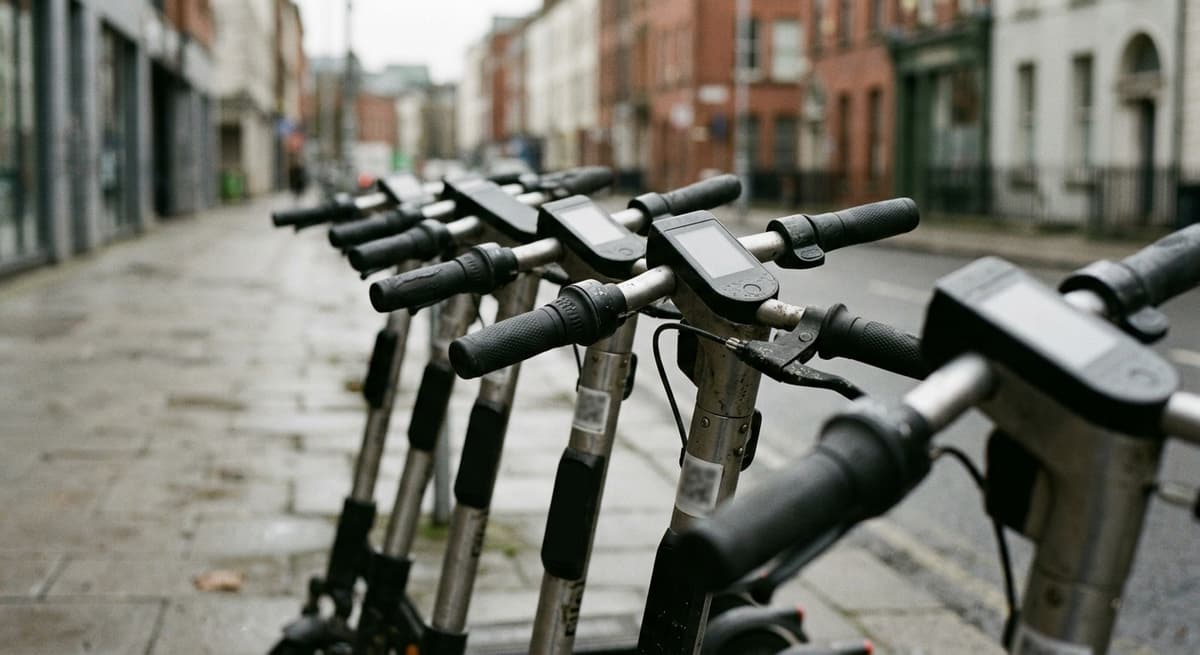
This is Estonia's clearest point of contrast with Sweden and Norway. Kergliikur riders are explicitly permitted on bike paths, bike lanes, pedestrian paths, and sidewalks. Unlike an ordinary cyclist, who is generally required to stay off the sidewalk, a kergliikur rider is not. This is a genuinely more permissive rule than either Nordic country covered elsewhere in this guide applies to sidewalk riding.
Rider rules
Age: tiers instead of a single floor
Rather than one minimum age, Estonia's reported rule structure ties permission to age bands. Riders under 8 are restricted to sidewalks and outdoor areas. Riders aged 10 to 15 may use roads only if they hold a jalgratturi juhiluba, a bicycle licence. Riders 16 and older face no additional age-based restriction within areas where kergliikur use is permitted. Notably, no single stated minimum age applies to basic sidewalk or path use, which is unusual among the eight countries covered in this guide.
Helmet
This article could not find a stated helmet requirement for kergliikur riders this session. That is a gap in what was found, not a confirmation that no helmet rule exists. Do not assume Estonia has no helmet requirement based on this article alone.
Alcohol
This article could not find a stated alcohol or blood-alcohol limit for kergliikur riders this session. As with the helmet question, this is a total information gap rather than a confirmed absence of a rule.
Equipment
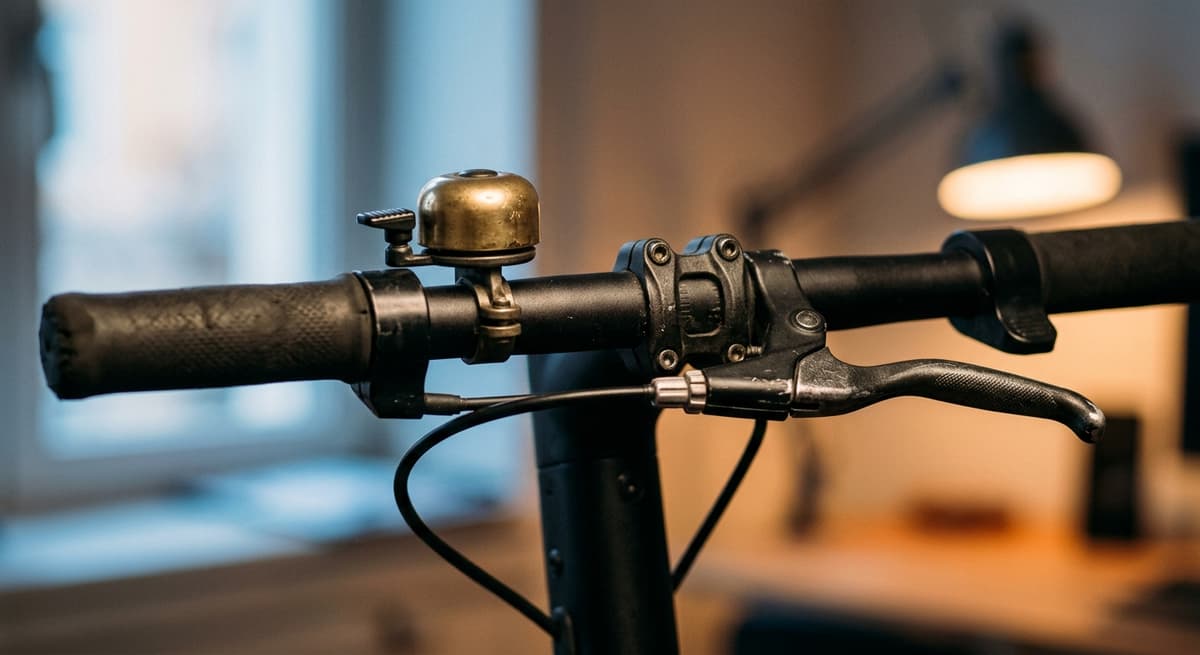
Reported equipment requirements include functioning brakes, a bell (except on handlebar-free devices), a front white light and rear red light, and side reflectors.
Penalties
This article did not locate a fine schedule for kergliikur violations this session.
Enforcement in practice
This article did not find crackdown-style enforcement reporting for Estonia, unlike Denmark and Norway. Estonia's kergliikur framework reads as more permissive on its face than its Baltic and Nordic neighbors, particularly on sidewalk access and the absence of a single stated age floor, but an absence of enforcement data does not establish how actively the age tiers or equipment rules are actually enforced.
Legal history and what may change
Estonia's Transport Administration (Transpordiamet) confirms that kergliikur traffic rules and device requirements have applied under Liiklusseadus since 2021. Beyond that effective date, this article was unable to trace the current rules to a specific article number or later amendment this session, since riigiteataja.ee's full text was not successfully loaded despite repeated attempts. Given how many specifics remain unconfirmed here (alcohol limit, helmet requirement, insurance, and registration all returned no result), a reader relying on Estonia's exact current rules should verify directly against riigiteataja.ee or with an Estonian jurist rather than relying solely on this article.
Rental e-scooters from operators including Bolt and Tuul are widely available in Tallinn and other Estonian cities, operating within the same kergliikur framework described above.
For how Estonia's Baltic neighbor Latvia takes a very different approach, including a mandatory registration requirement Estonia does not have, see the full comparison in the world e-scooter law guide.
Frequently Asked Questions
Can I ride an e-scooter on the sidewalk in Estonia?
Yes. Estonia's kergliikur category explicitly permits sidewalk riding, alongside bike paths, bike lanes, and pedestrian paths. This is more permissive than Sweden or Norway, which restrict or ban sidewalk riding.
What is the minimum age to ride an e-scooter in Estonia?
There is no single stated minimum age. Rules are instead tiered: under-8 riders are restricted to sidewalks and outdoor areas, ages 10 to 15 may use roads only with a bicycle licence, and 16 and older riders face no additional age restriction.
Is there an alcohol limit for e-scooters in Estonia?
This article could not find a stated alcohol limit for kergliikur riders. That is an information gap in the sources available this session, not a confirmed absence of any rule, and should be checked directly against Estonian law before assuming there is no restriction.
Do I need a helmet to ride an e-scooter in Estonia?
No stated helmet requirement was found for kergliikur riders in the sources consulted for this article. This is a gap in available information rather than a confirmed absence of a rule.
Are rental e-scooters available in Estonia?
Yes, operators including Bolt and Tuul run rental fleets in Tallinn and other Estonian cities, operating under the same kergliikur category that applies to privately owned devices.
Updates
Independently fact-checked against the cited primary sources
Sources and References
- Postimees (Estonian national newspaper): explainer on Liiklusseadus (Traffic Act) rules for kergliikur (light vehicle) e-scooters, covering the device definition, age tiers, and permitted riding surfaces(postimees.ee)
- LMP Law Firm: explainer on the Liiklusseadus amendment regulating the use of electric scooters in Estonia(lmp.ee)
- TTJA (Tarbijakaitse ja Tehnilise Järelevalve Amet, Estonia's Consumer Protection and Technical Regulatory Authority): safety and compliance guidance confirming the kergliikur technical definition (single-person electric device, no seat, factory speed up to 25 km/h, motor power up to 1 kW); the page covers device compliance rather than rider-conduct rules (age, helmet, alcohol)(ttja.ee).gov
- Transpordiamet (Estonian Transport Administration): confirms kergliikur (including e-scooter) traffic rules and device requirements have applied under Liiklusseadus since 2021(transpordiamet.ee).gov