Czech Republic E-Scooter Laws: Prague's 2026 Rental Ban Explained
Independently fact-checked against primary sources (last audited July 23, 2026). · 3 primary sources cited on this page. How we verify our legal content
This article is general information about e-scooter laws in the Czech Republic and is not legal advice. For a specific case involving registration, insurance or a Prague rental contract, confirm current details with Policie CR or a Czech advokat. Information last verified on 23 July 2026.
Are e-scooters legal in the Czech Republic?
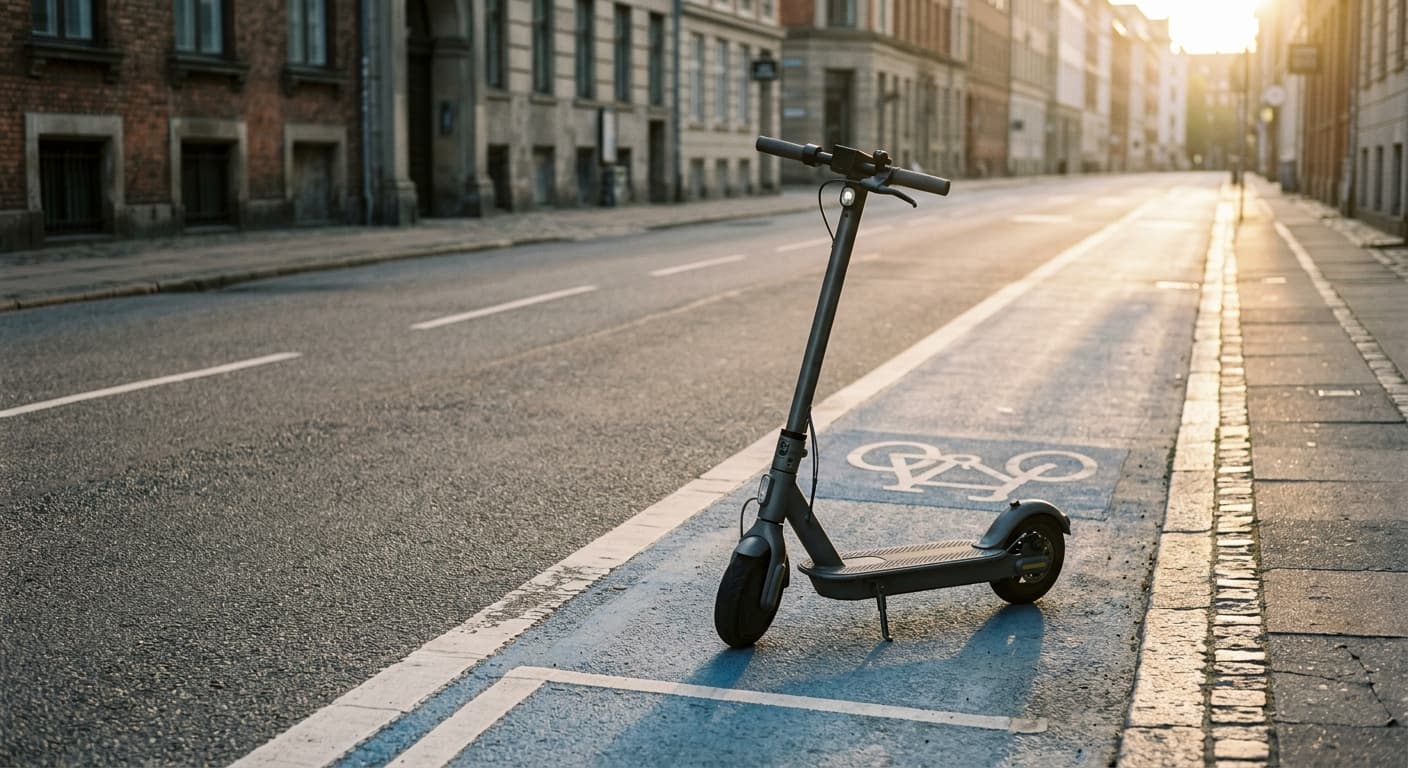
Yes, privately owned e-scooters are legal nationwide. The Czech Republic does not run a separate e-scooter statute; instead it fits a standard e-scooter into the existing bicycle category. Under Section 57(2) of zakon c. 361/2000 Sb. o silnicnim provozu, a koloboska (scooter) with no seat, an auxiliary motor of no more than 1 kW, and a maximum design speed of no more than 25 km/h is treated as a bicycle for road traffic purposes, according to Police CR's official page on e-scooters.
The headline story for 2026 is about rentals in the capital, not private ownership. Prague ended every shared and rental e-scooter operator contract effective 1 January 2026, a change that is already in force as of this article. That is a fleet-level, contract-based decision by Prazska integrovana doprava (PID), the city's transit authority, working through the roads authority's operator contracts, not a change to the underlying traffic-law status of a privately owned e-scooter. A resident or visitor's own e-scooter rides under exactly the same rules in Prague as anywhere else in the country.
What counts as an e-scooter here
The Czech Republic splits e-scooters into two very different legal classes. The ordinary standing scooter, with no seat, an auxiliary motor capped at 1 kW and a maximum design speed of 25 km/h, is legally a bicycle under Section 57(2) and needs no registration, plates or insurance.
A scooter that adds a seat and can exceed 6 km/h, or that can exceed 25 km/h regardless of a seat, falls out of the bicycle category entirely. That heavier or faster class is governed instead by EU Regulation 168/2013 and zakon c. 56/2001 Sb., which require registration, a state licence plate and mandatory insurance, the same source confirms. An AM category driving licence may also be required for two-wheeled motor vehicles with a design speed above 25 km/h.
Where you can ride
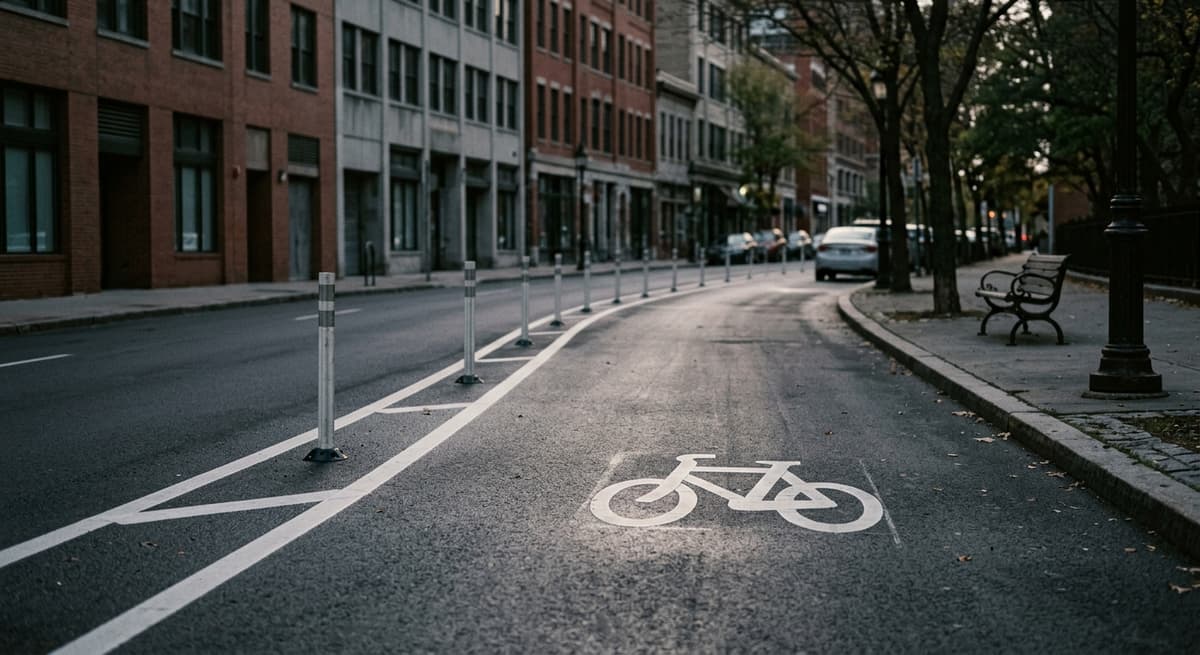
A standard, bicycle-class e-scooter follows ordinary Czech cycling rules: bike paths and bike lanes where they exist, and the road otherwise, with the same access a bicycle has. The registered, seated or faster class is treated as a motor vehicle and follows motor-vehicle road rules rather than bicycle rules.
Rider rules
Police CR's official e-scooter page does not state a minimum age, a helmet requirement, or an alcohol threshold specific to e-scooters. What is well documented for the closely related bicycle category is that a rider of a non-motorized vehicle (a category that includes both bicycles and the standard bicycle-class e-scooter) faces a real alcohol offence at two tiers: up to 1 per mille blood alcohol is one offence level, and above 1 per mille is a more serious one, with a fine reported from 25,000 to 50,000 Kc for the higher tier under Section 125c of the same law, according to Police CR's separate cyclist-alcohol guidance and converging secondary reporting. Whether this bicycle-alcohol framework is formally and specifically applied to e-scooters, rather than just to bicycles, was not confirmed in the source reviewed for this article, so treat it as a strong likely parallel rather than a scooter-specific rule.
No helmet requirement specific to e-scooters was found either. General Czech cyclist rules are commonly understood to require a helmet only for riders under 18, but that detail was not independently reverified for e-scooters this session, so it is offered here as context rather than as a confirmed e-scooter rule.
Penalties
| Class | Registration/insurance | Alcohol |
|---|---|---|
| Standard (no seat, up to 1 kW, up to 25 km/h) | None required, treated as a bicycle | No e-scooter-specific figure found; the related non-motorized-vehicle alcohol tiers reportedly run up to 1 per mille and above 1 per mille, with fines up to 25,000 to 50,000 Kc at the higher tier |
| Seated or over 25 km/h | Registration, plates and mandatory insurance required under EU Regulation 168/2013 | Falls under general motor-vehicle rules instead |
Enforcement in practice
Enforcement patterns do not change the legal status of a rule and are not permission to break it. For the standard, bicycle-class e-scooter, day-to-day enforcement is minimal because the device is legally invisible as "just a bicycle": there is no registration check, no plate, and no separate scooter-specific patrol activity documented in the sources reviewed.
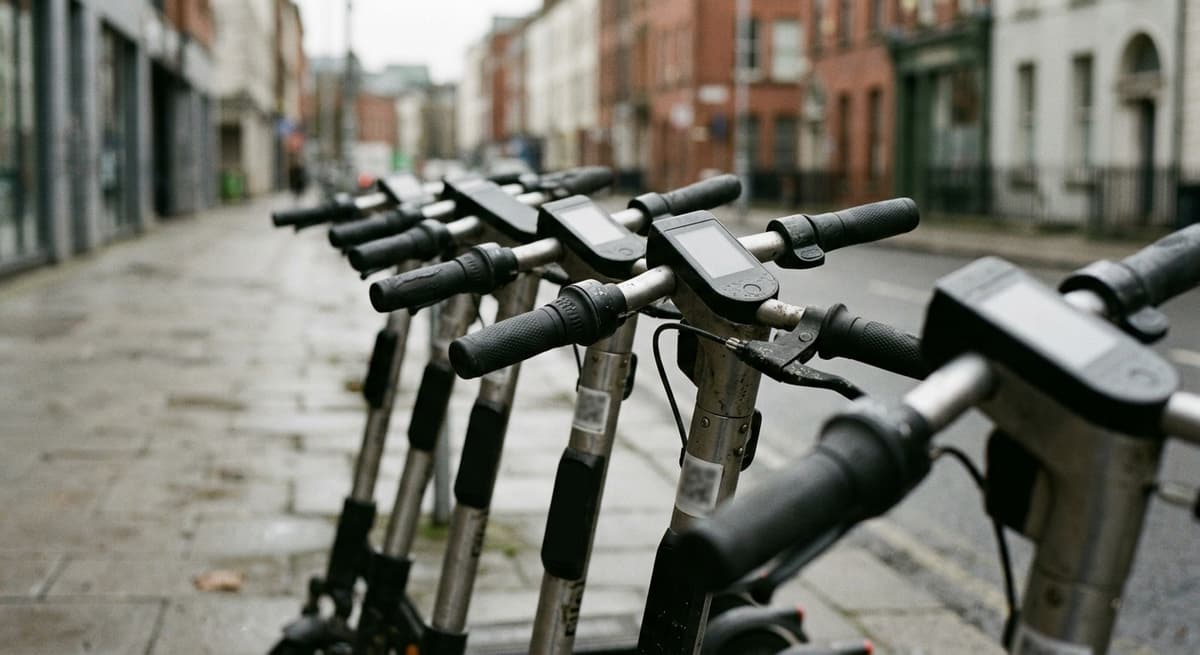
Prague's response to rental-scooter problems illustrates that same pattern from the other direction. Rather than adding street-level ticketing, the city solved its rental-fleet concerns at the contract level by simply ending every shared-operator agreement from 1 January 2026, according to PID. That is a policy tool available to a city over the operators it contracts with, and it says nothing about whether a privately owned e-scooter is being ticketed more or less than before.
Germany, just across the western border, takes a different registration-badge approach to e-scooters; see our Germany e-scooter rules guide. For the wider regional picture, see our world e-scooter law guide.
Frequently Asked Questions
Are e-scooters legal in Prague after the rental ban?
Yes. Prague's 1 January 2026 change ended shared and rental operator contracts only. Privately owned e-scooters remain fully legal and unaffected, and ride under the same national rules as anywhere else in the Czech Republic.
Do I need to register an e-scooter in the Czech Republic?
Only if it has a seat and can exceed 6 km/h, or if it can exceed 25 km/h regardless of a seat. A standard standing e-scooter capped at 25 km/h and 1 kW needs no registration, plate or insurance, because it is legally treated as a bicycle.
Is there a minimum age to ride an e-scooter in the Czech Republic?
Police CR's official e-scooter guidance does not state a minimum age specific to e-scooters, so this was not confirmed for this article.
Can I still rent an e-scooter in Prague?
Not through the shared operator schemes that existed before 2026; those contracts ended 1 January 2026. Other Czech cities such as Brno and Ostrava have not been confirmed to follow Prague's move.
Is there an alcohol limit for e-scooter riders in the Czech Republic?
No e-scooter-specific figure was found in official guidance. The closely related non-motorized-vehicle alcohol rules for cyclists reportedly apply two tiers, up to and above 1 per mille, but whether that framework formally covers e-scooters specifically was not confirmed for this article.
Updates
Independently fact-checked against the cited primary sources
Sources and References
- Policie CR, official page on electric scooters (elektricke kolobezky)(policie.gov.cz).gov
- Prazska integrovana doprava (PID), announcement ending shared e-scooter operator contracts in Prague from 2026(pid.cz)
- e-Sbirka.cz, official Czech government Collection of Laws portal, consolidated zakon c. 361/2000 Sb.(e-sbirka.cz).gov
- EUR-Lex, EU Regulation 168/2013 on the approval of two- or three-wheel vehicles(eur-lex.europa.eu).gov