Iran E-Scooter Laws: Banned on Streets, No Way to Cite It (2026)
Independently fact-checked against primary sources (last audited July 23, 2026). How we verify our legal content
This article is general information about e-scooter laws in Iran and is not legal advice. Iran's e-scooter rules rest on public statements from traffic police rather than a codified vehicle category, so for a specific situation consult a local advisor. Information last verified on 23 July 2026.
Are e-scooters legal in Iran?
According to Iran's traffic police, no. Sardar Seyyed Abolfazl Mousavi Pour, head of the Greater Tehran traffic police, stated publicly that riding these devices on streets and public thoroughfares is banned, with three exceptions: parks, sports facilities, and routes specifically designated for e-scooters. That statement was corroborated independently by multiple Iranian news outlets.
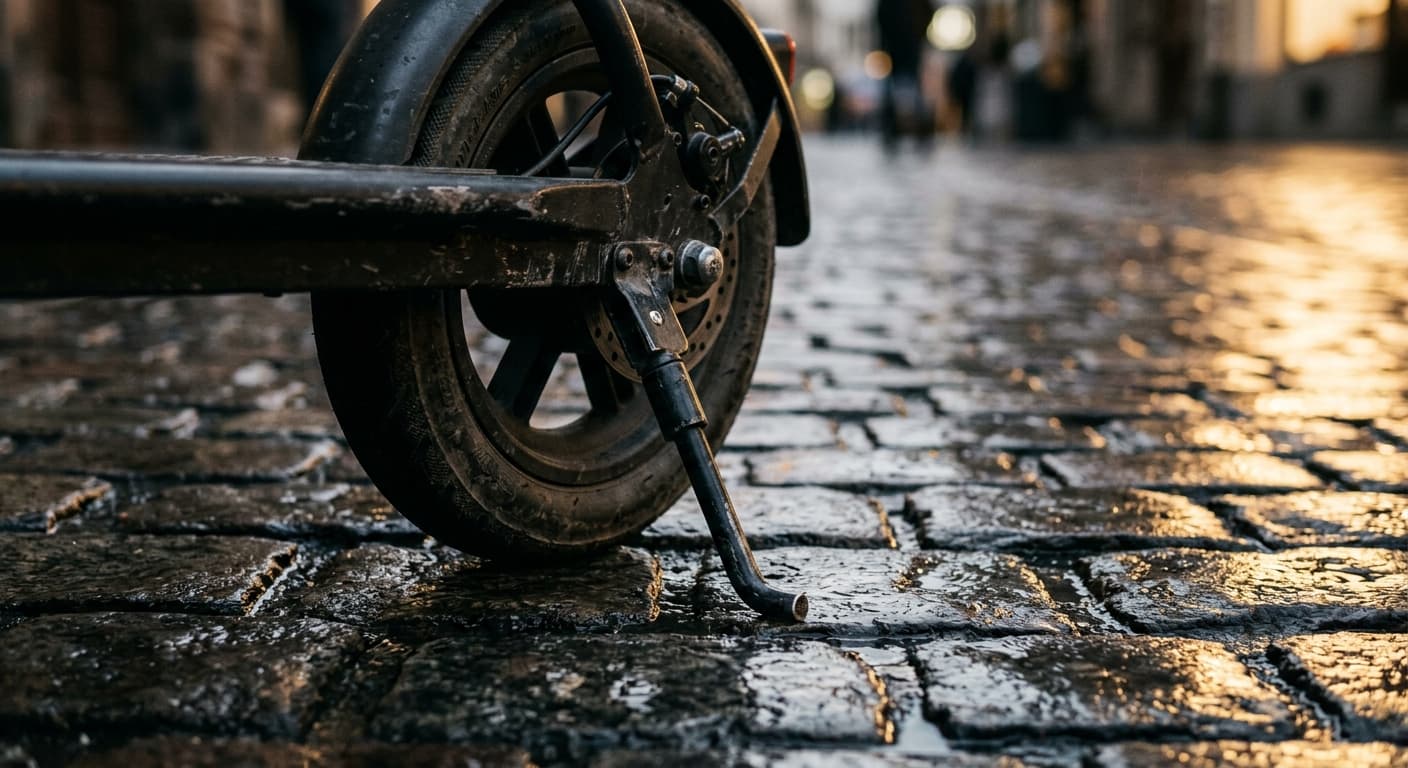
What makes Iran's situation unusual is not the ban itself but how it is enforced, or rather, how it cannot be. E-scooters have no registration plate and no defined legal vehicle category under Iran's traffic code. Police can physically stop someone riding on the street, but the same official who announced the ban says officers have no legal mechanism to write a citable violation, because there is no vehicle category to cite it under.
This is a genuine structural gap, not ordinary under-enforcement. A rule that cannot be formally documented is still a rule. The police chief's own statement frames current street use as prohibited policy, and riders should not read the absence of a fine mechanism as permission.
What counts as an e-scooter here
No source found this session defines an e-scooter as its own vehicle class under Iran's traffic regulations. For driver-licensing purposes, Iran currently treats e-scooters similarly to bicycles, meaning no licence is required to operate one. That bicycle-like treatment does not extend to registration or insurance, which is where the practical problems for riders begin.
Where you can ride
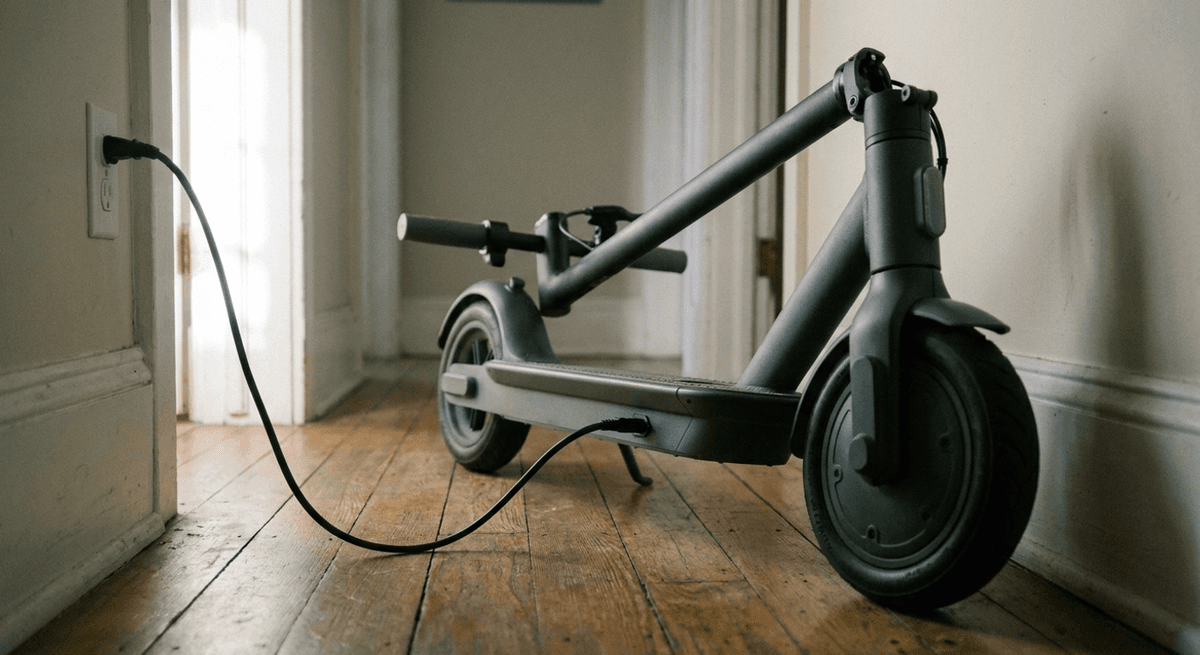
Per the traffic police statement, e-scooters may be used in parks, sports facilities, and routes specifically designated for the devices. Streets and general public thoroughfares are off-limits. No source describes a citywide network of designated e-scooter routes in Tehran or elsewhere; the "designated routes" language appears to describe specific, limited locations rather than a general urban lane system.
Rider rules
No licence is required, consistent with Iran's bicycle-like treatment of e-scooters for driver-licensing purposes. But because the devices are not registered, they are not covered by the mandatory third-party insurance that applies to cars and motorcycles. A rider who is found at fault in a collision bears the full financial burden personally, including the other party's medical costs and property damage. No helmet law specific to e-scooters was found this session.
Penalties
There is no fine schedule to quote here, and that absence is itself the point. Iran's traffic police have stated directly that because e-scooters carry no registration plate and have no established legal status, it is "legally impossible to document violations." The only enforcement tool available in the field is physical intervention, an officer stopping someone from riding on a banned street, not a ticket, fine, or formal record.
Enforcement in practice
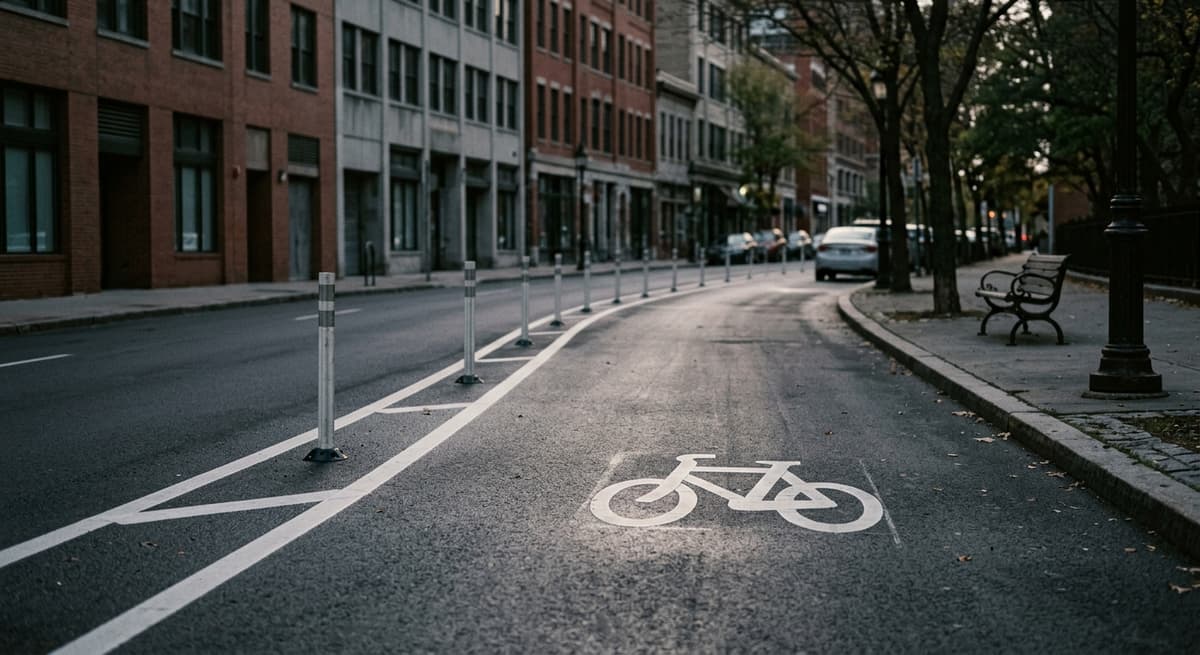
Iran's e-scooter enforcement gap is structural rather than a matter of police discretion or workload. The traffic police chief's own words describe a genuine rule-of-law problem: a real, publicly stated ban that the legal system currently provides no formal mechanism to enforce with a citation. That is a stronger and more specific claim than the vaguer "enforcement is inconsistent" story found in some neighboring countries.
This still does not mean street riding is tolerated or free of consequence. Officers retain the power to physically stop a rider in the moment, and a rider involved in an accident faces full personal liability with no insurance backstop. A gap in the citation mechanism is not the same as the activity being legal, and it is not permission to ride on the street.
Legal history and what may change
Iran experimented with regulated shared micromobility once before. In 2020, a company called URIDE unveiled a bicycle and e-scooter sharing system in Tehran, and a report from that year, itself labeled by its publisher as a sponsored post rather than independent journalism, described licensing discussions underway with the city's Office of Clean Transportation at the time. No source found this session describes that pilot, or any successor to it, as still operating or as having produced a lasting legal framework.
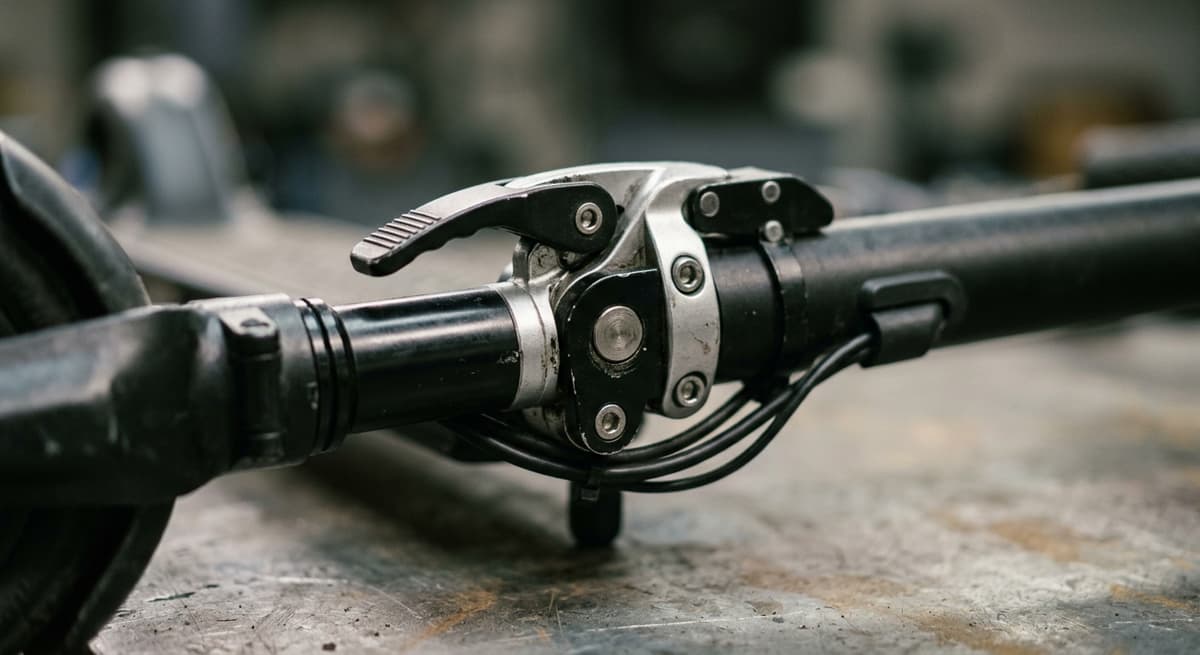
By 2026, the traffic police chief's public statement describes current street use as banned, which is consistent with no such framework having taken hold. No source found this session describes any pending amendment to Iran's traffic regulations that would create a defined e-scooter category, registration process, or insurance product. The gap the police chief described appears to remain open as of the access date.
For how other countries handle e-scooters, see our global e-scooter law guide.
Frequently Asked Questions
Are e-scooters legal in Iran?
Iran's traffic police say no, e-scooter use on streets and public roads is banned except in parks, sports facilities, and specially designated routes. That is the police's stated position, not a settled court ruling, but it is the only official guidance available.
Can police fine someone for riding an e-scooter on the street in Iran?
Officers can physically stop a rider, but the Tehran traffic police chief has said there is no legal mechanism to issue a citable fine, because e-scooters have no registration plate or defined vehicle category. That is a gap in the law, not permission to ride.
Do I need a licence to ride an e-scooter in Iran?
No. Iran currently treats e-scooters similarly to bicycles for driver-licensing purposes, so no licence is required.
Is an e-scooter rider covered by insurance in Iran?
No. Because e-scooters are not registered, they fall outside the mandatory third-party insurance required for cars and motorcycles. A rider found at fault in an accident is personally liable for damages and medical costs.
Is there an e-scooter rental service in Iran?
A 2020 pilot called URIDE offered shared e-scooters and bicycles in Tehran, but no source found this session confirms it, or any similar scheme, is still operating.
Where can I legally ride an e-scooter in Iran?
According to Iran's traffic police, parks, sports facilities, and routes specifically designated for e-scooters. General streets and public roads are described as banned.
Updates
Independently fact-checked against the cited primary sources
Sources and References
- tinn.ir (Iran Transportation & Infrastructure News Network), Tehran traffic police chief on e-scooter ban and unfineable violations(tinn.ir)
- asriran.com, corroborating report quoting Tehran traffic police on e-scooter registration and insurance gap(asriran.com)
- fararu.com, second corroborating report of the same Tehran traffic police statement, dated 4 June 2026(fararu.com)
- Tehran Times, 2020 sponsored report on URIDE's shared e-scooter and bicycle pilot in Tehran(tehrantimes.com)