Israel E-Scooter Laws: 25 km/h Cap, Age 16, Enforcement Expanding (2026)
Independently fact-checked against primary sources (last audited July 23, 2026). How we verify our legal content
This article is general information about e-scooter laws in Israel and is not legal advice. If you are cited for a traffic violation or need advice for a specific situation, consult an Israeli traffic lawyer or the Ministry of Transport. Information last verified on 23 July 2026.
Are e-scooters legal in Israel?
Yes. Israel regulates e-scooters as a distinct category within its Traffic Regulations, generally referred to as a light transport vehicle (rechev tachbura kal). A device that meets the category's technical specifications can be ridden without falling back on the rules for mopeds or motorcycles.
Private ownership and rental use fall under the same underlying rules. The research for this page did not find a separate licensing or operating regime that applies only to shared or rental e-scooter fleets, which are active in Israeli cities alongside privately owned devices.
What counts as an e-scooter here
The Traffic Regulations define the category by a set of technical limits rather than by brand or marketing name. The regulation text, mirrored on Wikisource, caps maximum speed at 25 km/h and motor power at 250W.
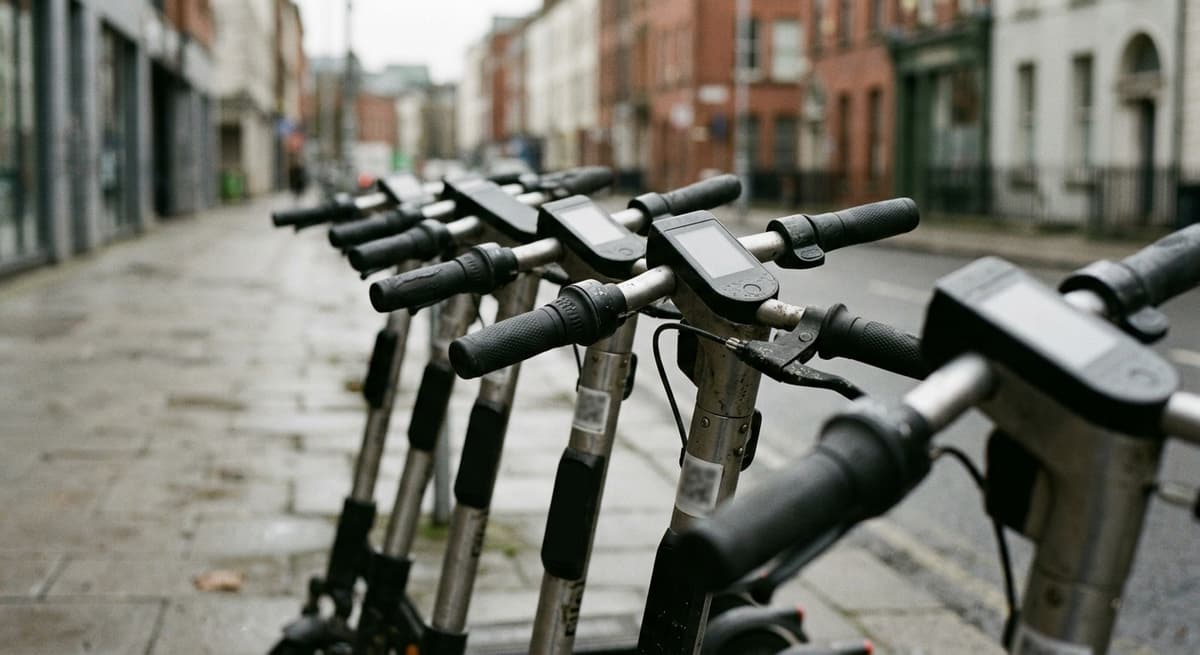
Other listed requirements include hydraulic brakes on at least two wheels, a self-weight of no more than 30 kg, a total permitted weight (device plus rider) of no more than 160 kg, and compliance with Israeli Standard 6230, the country's technical standard for these devices. A device that exceeds the speed or power limits falls outside this category and is treated under a different, stricter vehicle class.
Where you can ride
Israeli consumer guidance describes e-scooters as subject to the same road-use rules as electric bicycles: riding is expected on bike paths where they exist, or on the road itself where no bike path is available, rather than on sidewalks. This detail comes from a secondary consumer guide rather than a primary regulation opened this session, so treat it as reported rather than independently verified.
The regulation text itself, which this page did draw directly from Wikisource, focuses on the device's technical specifications rather than spelling out where it may be ridden, so readers should not assume sidewalk riding is permitted anywhere in Israel.
Rider rules
- Minimum age: widely reported at 16, sourced to consumer and professional traffic-safety guides rather than a primary government page this session.
- Helmet: reported as mandatory for riders, per the same class of secondary sources; the underlying regulation was not independently opened for this specific point.
- Training or license: secondary sources describe a theory-test or training certification requirement separate from a full driver's license.
- Registration and plate: reportedly required since 2024, with a specific plate requirement reported from August 2024, though the exact effective dates could not be confirmed against a primary source this session.
- Passengers: riding with a second person on one device is treated as a specific, separately enforceable violation.
- Phone and earphone use: called out by the Knesset committee material as one of the specific violations municipal inspectors were empowered to enforce.
Penalties
No single Israeli gov.il page on e-scooter fines could be opened this session (repeated access errors), so the figures below are reported from a secondary Israeli consumer legal guide and should be treated accordingly rather than as independently confirmed against the regulation text.
| Violation | Reported fine |
|---|---|
| Riding without a helmet | ₪1,000 |
| Non-compliant or non-standard equipment | ₪1,000 |
| Riding without required training certification | ₪750 |
| Rider under the minimum age | ₪1,000 |
| Missing or non-displayed number plate | ₪1,000 |
| Using a phone while riding | ₪1,000 |
| Riding in a prohibited location (e.g., wrong path) | ₪250 to ₪1,000 depending on the specific violation |
These are civil traffic fines reported for individual riders. This page found no reporting suggesting a separate, larger scale of penalty for rental operators as such, unlike some other countries in this series.
Enforcement in practice
Enforcement has been actively expanding rather than static. In 2022, the Knesset's Economic Affairs Committee approved widening municipal inspectors' authority to enforce e-scooter and e-bike rules directly, rather than leaving enforcement solely to police. The committee's own material lists the specific violations inspectors were empowered to act on: no helmet, riders under 16, riding without required training or a license, two people on one scooter, and phone or earphone use while riding.
That expansion followed a documented safety gap. Reporting tied to the Knesset committee's discussion cited 2021 data showing 1,364 people hospitalized with injuries from electric scooters or bicycles in a single year, and the committee's own framing connected the enforcement expansion directly to that injury data rather than to a general policy preference.
Enforcement patterns do not change the legal status of a rule and are not permission to ignore it. A city where inspectors rarely stop unhelmeted riders has not made riding without a helmet lawful; it has simply not yet enforced an existing rule in that instance.
Legal history and what may change
Israel's e-scooter framework has moved in the direction of tighter compliance machinery rather than looser rules. The 2022 expansion of municipal inspector powers is the clearest documented step, and it was explicitly framed as a response to injury data rather than as a first-time introduction of rules that already existed on paper.
Reporting also describes a rollout of registration and plates for these devices, placed around 2024, though this page could not confirm the exact effective dates against a primary government source this session. Readers relying on the exact registration timeline should check current Ministry of Transport guidance directly.
For how other countries handle e-scooters, see our global e-scooter law guide.
Frequently Asked Questions
Are e-scooters legal to ride in Israel?
Yes. Israel regulates e-scooters as a distinct light transport vehicle category, and devices that meet the technical specifications (25 km/h, 250W motor or less) can be ridden without a driver's license, subject to age, helmet, and other rider rules.
Is there a difference between private and rental e-scooter rules in Israel?
This page did not find a separate rental-specific legal regime; private and rental devices both fall under the same Traffic Regulations category.
What is the minimum age to ride an e-scooter in Israel?
Consumer and legal guides widely report a minimum age of 16, though this page could not confirm the figure against a primary government page this session, so treat it as a reliable but secondary-sourced figure.
Do I need to register an e-scooter in Israel?
Registration and a number plate have reportedly been required since 2024, though the exact effective dates could not be confirmed against a primary source this session.
What happens if I ride an e-scooter without a helmet in Israel?
Secondary sources report a fine, commonly cited around 1,000 shekels, for riding without a helmet. Enforcement of this rule has been expanding since municipal inspectors gained direct authority to act on it in 2022.
Why did Israel expand e-scooter enforcement in 2022?
The Knesset's Economic Affairs Committee approved wider municipal inspector authority after 2021 data showed 1,364 people hospitalized with injuries from electric scooters and bicycles, connecting the enforcement change directly to that safety data.
Updates
Independently fact-checked against the cited primary sources
Sources and References
- Traffic Regulations (תקנות התעבורה), light transport vehicle definition, mirrored text(wikisource.org)
- The Times of Israel, Knesset panel approves expanding enforcement of electric scooter and bike rules(timesofisrael.com)
- CityRunner, electric scooter laws in Israel: permitted age, fines, and licensing(cityrunner.co.il)
- Association of Professional Traffic Safety Officers, new regulations approved for electric scooters, minimum age raised to 16(igudkb.co.il)