Nicaragua E-Scooter Laws: No Scooter Term, Motor Vehicle Rules (2026)
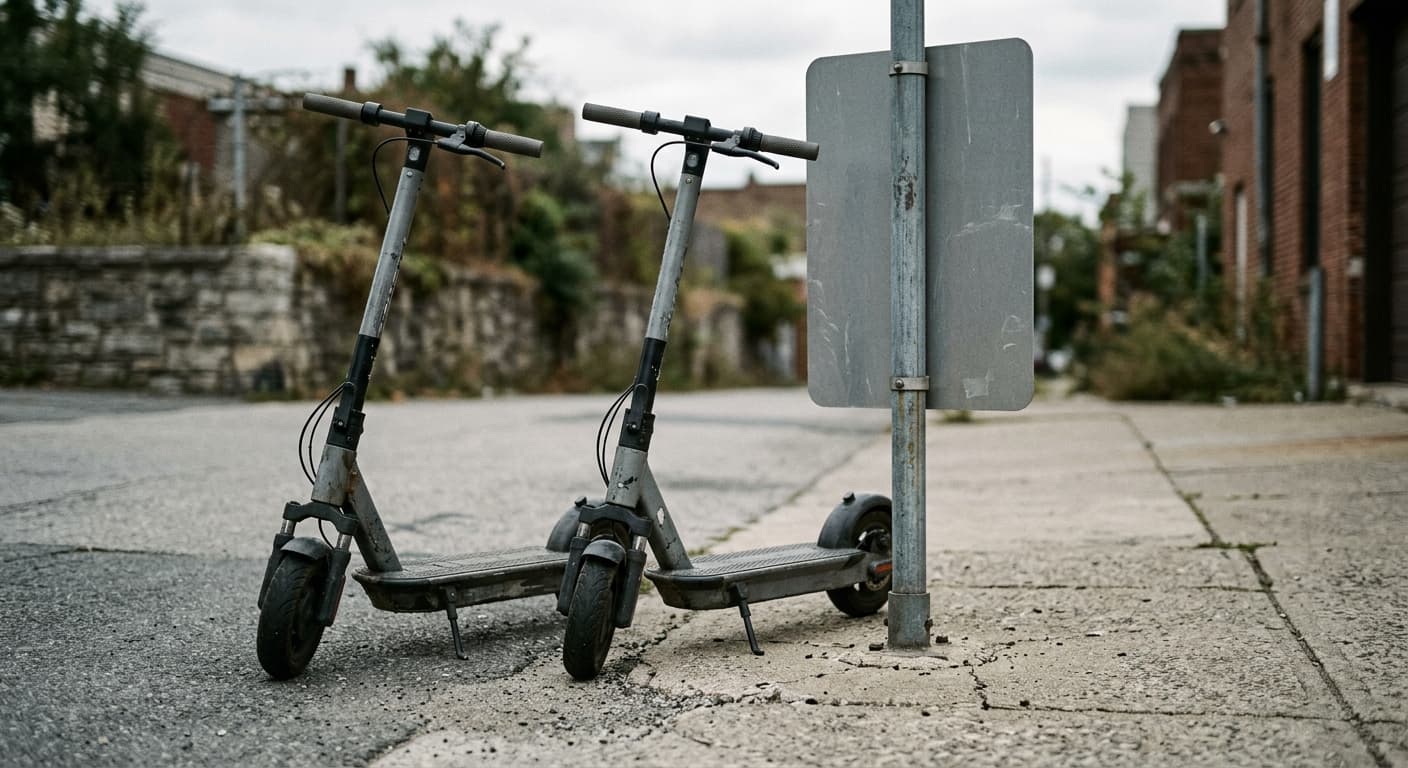
This article is general information about e-scooter laws in Nicaragua and is not legal advice. Nicaraguan traffic law does not address scooters directly, so confirm current requirements with a Nicaraguan attorney or the Direccion General de Transito before riding. Information last verified on 23 July 2026.
Are e-scooters legal in Nicaragua?
Nicaragua's governing statute is Ley No. 431, Ley para el Regimen de Circulacion Vehicular e Infracciones de Transito, in its consolidated text through 27 May 2021 (published in La Gaceta No. 34, 22 February 2022). The law defines vehiculo automotor as "los que se desplazan usando un sistema de propulsion propia, sea por motor de combustion interna, electrico o hibrido," meaning any vehicle that moves under its own propulsion system, whether the motor is combustion, electric, or hybrid.
That wording is what decides an e-scooter's status. Because the definition names an electric motor in the same breath as a combustion engine, a motorized scooter with its own electric motor falls inside vehiculo automotor by the plain text, the same broad category that covers cars and motorcycles. This research searched the full consolidated text of Ley 431 for patineta, scooter, monopatin, and ciclomotor and found no scooter-specific term or carve-out anywhere in the law. The classification here is an inference from a general definition, not a scooter-specific citation, and that gap is worth being direct about: Nicaragua has not written a rule for this device, which is different from the device being permitted.
What counts as an e-scooter here
Ley 431 has no standing definition for a kick-style or standing electric scooter. Its structure separates categories mainly by whether a device is self-propelled by a motor or by muscular power. Alongside the vehiculo automotor definition, the law describes the road network, the red vial, as serving "vehiculos automotores, de pedal o los de tracción animal," listing motorized vehicles, pedal vehicles, and animal-drawn vehicles as distinct groups. A pedal bicycle falls into the pedal category. A motorized kick-scooter has no pedals and its own motor, so by elimination it lands in vehiculo automotor rather than the pedal category, the same reasoning that applies to a moped or a motorcycle.
Rider rules
Because Ley 431 does not single out scooters, it also does not set out a scooter-specific minimum age, helmet requirement, insurance rule, or registration procedure. If a motorized scooter is treated as a vehiculo automotor, the general registration and driver-licensing obligations that apply to that category would apply in principle. This research did not find any confirmation, from the Direccion General de Transito Nacional, the Policia Nacional, or Nicaraguan press, that this general rule has actually been applied to a kick-scooter in a real enforcement action, nor whether the law's implementing Reglamento carves out an exception for lower-powered devices the way some countries exempt sub-250-watt motors. Both remain open questions.
Where you can ride
No source in this research addresses where a scooter may be ridden in Nicaragua specifically, whether on the road, in a cycle lane, or on a sidewalk. Ley 431's road-network provisions describe motorized vehicles, pedal vehicles, and animal traction as separate users of the red vial, but the text does not go further into lane-by-lane rules for a device the size of a scooter. This is a genuine gap in what could be verified this session, not a finding that any particular option is permitted.
Penalties
Ley 431 sets out a general infractions and fines regime for vehicle offenses such as operating without registration or without a valid license, but this research did not verify specific monetary figures that would apply to a scooter classified as a vehiculo automotor. No press reporting or government notice describing an actual scooter-related fine in Nicaragua was located. Anyone riding a motorized scooter on Nicaraguan public roads should check current figures directly with the Direccion General de Transito Nacional rather than relying on a general vehicle fine schedule assumed to transfer over.

Enforcement in practice
No incident reports, seizure data, or enforcement statements specific to e-scooters were found for Nicaragua in this research, unlike some of its Central American neighbors where at least a press statement or an evaluation comment exists. That silence is a data gap, not evidence that riding a scooter is tolerated or ignored. Enforcement patterns, where none have been documented, do not change what the underlying law says, and the absence of enforcement is not permission to ride.
Legal history and what may change
Ley 431 is a consolidated text current through 27 May 2021. This research did not locate the implementing Reglamento referenced by the statute, so it is unconfirmed whether that regulation adds a lower-power device carve-out or any scooter-specific provision. No pending bill or proposed amendment addressing scooters was found. For comparison, U.S. states regulate e-scooters individually and in far more device-specific detail; see the U.S. e-scooter laws guide for that contrast, and the world e-scooter law map for how other countries have handled the same gap.
Frequently Asked Questions
Are electric scooters mentioned by name in Nicaraguan law?
No. Ley 431, Nicaragua's traffic law, never uses the words patineta, monopatin, or scooter anywhere in its consolidated text. A motorized scooter's legal status rests on the law's general vehiculo automotor definition instead.
What law governs e-scooters in Nicaragua?
Ley No. 431, Ley para el Regimen de Circulacion Vehicular e Infracciones de Transito, is the operative statute. Its vehiculo automotor definition is propulsion-neutral, covering combustion, electric, or hybrid motors, which is what pulls a motorized scooter into its scope.
Do I need to register an e-scooter in Nicaragua?
If a motorized scooter is treated as a vehiculo automotor, the general registration rules for that category would apply in principle, but this research did not confirm that this has actually been applied to a kick-scooter, or whether a lower-power exemption exists.
Are there rental e-scooter programs in Nicaragua?
None were found in this research for Managua or any other Nicaraguan city.
Is riding an e-scooter in Nicaragua illegal?
There is no outright ban written into Ley 431, but there is also no permissive framework for scooters. Being swept into the general vehiculo automotor category implies registration and licensing obligations that a kick-scooter has no practical way to satisfy, so the absence of a specific rule should not be read as permission.
Sources and References
- Ley 431, Texto Consolidado, Art. 8(c) (vehiculo automotor defined as propulsion-neutral: combustion, electric, or hybrid motor)(legislacion.asamblea.gob.ni).gov
- Ley 431, Texto Consolidado (red vial provision distinguishing vehiculos automotores, de pedal, and de tracción animal)(legislacion.asamblea.gob.ni).gov
- Ley 431, Texto Consolidado, publication data (La Gaceta No. 34, 22 February 2022, text current through 27 May 2021)(legislacion.asamblea.gob.ni).gov
- Ley 431, Texto Consolidado, full-text search confirming no patineta, scooter, monopatin, or ciclomotor term exists in the law(legislacion.asamblea.gob.ni).gov