Belize E-Scooter Laws: Age 17, Licence and Registration Rules (2026)
This article is general information about e-scooter law in Belize and is not legal advice. Because the rules here rest on a general vehicle statute rather than a scooter-specific law, confirm current requirements with Belize's Department of Transport before buying, importing, or riding one. Information last verified on 23 July 2026.
Are e-scooters legal in Belize?
There is no Belizean law that names or defines an e-scooter. What exists instead is a broad, technology-neutral vehicle code that catches one by definition rather than by name. The Motor Vehicles and Road Traffic Act, Cap. 230 (Revised Edition 2011), defines a "motor vehicle" as "any mechanically propelled vehicle intended or adapted for use on roads," and a "motor cycle" as "a motor vehicle with less than four wheels and the weight of which unladen does not exceed eight hundred pounds." Neither definition mentions fuel type, so an electric motor qualifies exactly as a petrol engine would.
That sweep-in is not a technicality without consequences. Reporting that attributes its detail to Belize's Department of Transport describes a real regulatory regime applying to these vehicles: registration and licensing are required before the vehicle can be used on a public road at all, and operating one without that paperwork is described as unlawful and exposes the rider to prosecution under Cap. 230.
Private e-scooters
A privately owned electric scooter is legal to own in Belize, but lawful road use depends on clearing the same registration and licensing steps a small motorcycle would need, plus meeting the age and licence conditions below. Riding one on a public road unregistered is reported as unlawful, not merely inadvisable.
Rental e-scooters
No rental e-scooter company or program was identified operating in Belize during this research. If that changes, a rental operator would still need to work within the same Cap. 230 framework, since the Act does not distinguish rental from private ownership.
What counts as an e-scooter here
This is the biggest open question in Belizean e-scooter law, and it deserves to be stated plainly rather than smoothed over. The only Belizean source that discusses these vehicles in any detail, a Department of Transport-sourced piece from a San Pedro news outlet, uses the phrase "electric motorcycle (scooter)" to describe a seated, moped-style vehicle, closer to a small Vespa than to a standing kick scooter.
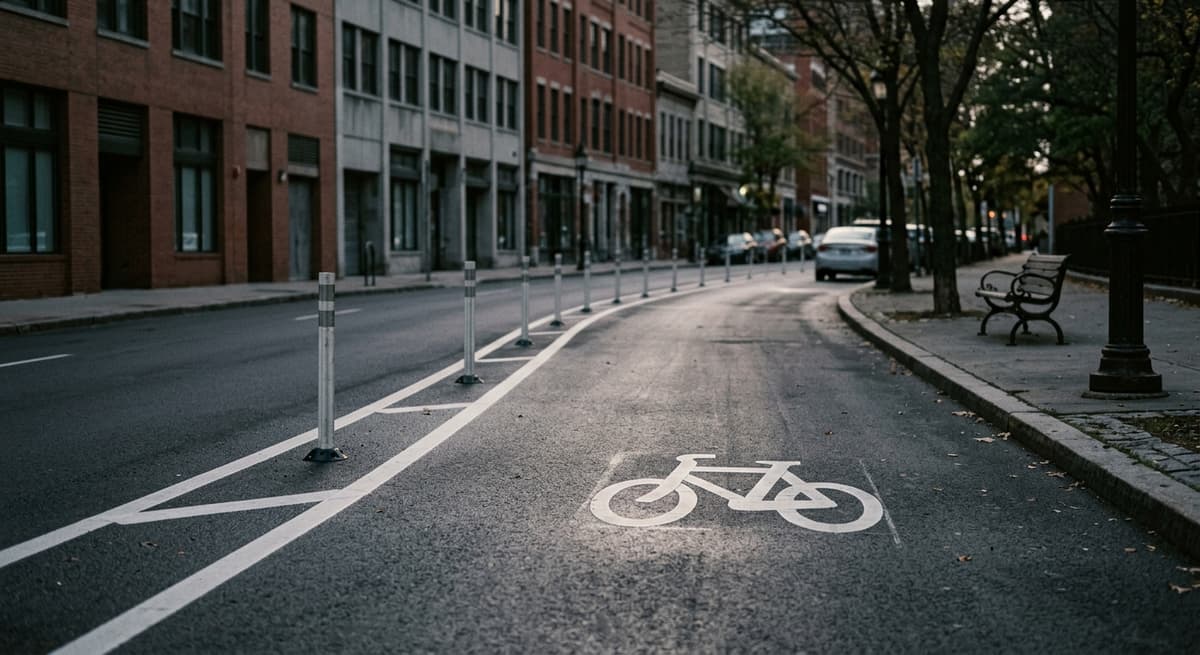
Cap. 230's own "motor cycle" definition is built around wheel count and unladen weight (under 800 pounds), not the shape or riding posture of the vehicle. That means a standing kick e-scooter is not explicitly excluded from the definition, but it is not explicitly included either. No Belizean source located for this article specifically addresses how the Department of Transport would classify a lightweight, standing, kick-style device. Treat the rules below as the framework Belize applies to powered two-wheelers generally, with the standing-scooter question genuinely unresolved.
Rider rules
Rules reported as coming from the Department of Transport under Cap. 230:
- Minimum age of 17 to operate an electric motorcycle (scooter).
- A valid driver's licence with the class appropriate for a motorcycle.
- Registration and licensing of the vehicle itself before any road use.
- A protective helmet and eye protectors while riding.
- Commercial importers or sellers need a Dealers' General Licence from the Department of Transport before selling these vehicles.
No source located for this article addressed insurance requirements specifically for electric scooters, separate from the general Cap. 230 registration and licensing process.
Where you can ride
No Belizean source located for this article addresses sidewalks, footpaths, or cycle lanes specifically for e-scooters. The reported rule structure, registration and a motorcycle-class licence before road use, implies these vehicles are meant for the road system rather than pedestrian space, in the same way a small motorcycle would be, but no explicit sidewalk prohibition or cycle-lane allowance was found.
Penalties
No specific fine amount was located for an unregistered or unlicensed electric scooter in Belize. What is documented is the consequence in principle: operating one without registration and licensing is described as unlawful, and Cap. 230 makes that a prosecutable offence rather than a paperwork formality. Treat this as a real legal exposure with an unconfirmed dollar figure, not a rule with no teeth.
Enforcement in practice
The clearest enforcement signal found for Belize is the Department of Transport's own public guidance, which is specific enough to name an age floor, a licence class, and a helmet requirement, rather than staying vague. That level of detail suggests the Department has turned its attention to these vehicles directly, though no seizure or prosecution statistics were located to show how consistently the rule is applied on the ground.
Whatever the enforcement picture turns out to be, it does not change the underlying legal position. A scooter that is visibly common on the road is not the same thing as a scooter that is registered and licensed, and riding one that is neither carries the same prosecution risk under Cap. 230 whether or not it happens to draw attention that day.
Legal history and what may change
Belize passed a Motor Vehicles and Road Traffic (Electronic Devices) Regulations in 2023 (S.I. No. 146), and the name alone invites confusion with scooter regulation. It is not that. This is a rule about using a phone or similar communications device while driving, unrelated to scooters or micromobility. No proposal specifically targeting e-scooters or standing kick scooters was located for Belize during this research.
Belize's regulatory position on scooters, in other words, is a general vehicle law stretched to fit a device it was not written to describe, rather than the product of a dedicated legislative process. That is the honest state of the law as of this research, not a gap this article can fill in on Belize's behalf.
Compare how other countries handle the same question in the world e-scooter law guide.
Frequently Asked Questions
Are e-scooters legal in Belize?
There is no scooter-specific law. Belize's Motor Vehicles and Road Traffic Act, Cap. 230, defines "motor vehicle" and "motor cycle" without reference to fuel type, so an electric scooter is treated the same as a small motorcycle, meaning registration and licensing are reportedly required before road use.
What is the minimum age to ride an e-scooter in Belize?
Reporting attributed to Belize's Department of Transport gives a minimum age of 17 for operating an electric motorcycle (scooter).
Do I need a licence to ride an e-scooter in Belize?
Reported Department of Transport rules require a valid driver's licence with the class appropriate for a motorcycle, along with registering and licensing the vehicle itself.
Do standing kick e-scooters count the same as seated electric scooters in Belize?
This is unresolved. The only detailed Belizean source discusses seated, moped-style electric scooters. No source specifically addresses how the Department of Transport would treat a standing kick-style device, though Cap. 230's motor cycle definition is based on wheel count and weight, not shape.
Can I rent an e-scooter in Belize?
No rental e-scooter operator was identified in Belize during this research. The rules described in this article concern privately owned devices.
What happens if I ride an unregistered e-scooter in Belize?
Reporting describes operating an unregistered, unlicensed electric scooter on a public road as unlawful, exposing the rider to prosecution under Cap. 230. No specific fine amount was located.
Sources and References
- Motor Vehicles and Road Traffic Act, Cap. 230 (Revised Edition 2011), the fuel-neutral "motor vehicle" and "motor cycle" definitions that sweep in an electric scooter(ruraltransformation.gov.bz).gov
- The San Pedro Sun, "Use of Electric Motorcycles (Scooters) in Belize" (23 May 2023), reporting the Department of Transport's age-17, licence, helmet and Dealers' General Licence rules(sanpedrosun.com)
- Belize Ministry of Infrastructure, Development and Housing, checked directly for a separate scooter or micromobility rule; none found, consistent with scooters sitting under the general Motor Vehicles Act rather than a dedicated ministry programme(midh.gov.bz).gov
- National Assembly of Belize, source of the Motor Vehicles and Road Traffic (Electronic Devices) Regulations, 2023 (S.I. No. 146), confirmed to be a phone-while-driving rule, not a scooter regulation(nationalassembly.gov.bz).gov