Zambia E-Scooter Laws: The 2022 Statutory 'Scooter' Definition (2026)
This article is general information about e-scooter laws in Zambia and is not legal advice. The 2022 statutory scooter definition discussed below has not been confirmed to be operationalized, so confirm current requirements with a Zambian lawyer or the Road Transport and Safety Agency before riding. Information last verified on 23 July 2026.
Are e-scooters legal in Zambia?
Zambia's current road traffic statute is the Road Traffic Act, 2002 (Act No. 11 of 2002). It replaced the vehicle registration, licensing, driving licence and third-party insurance provisions of the earlier Roads and Road Traffic Act, Chapter 464 (originally Act No. 37 of 1958). Section 234(1) of the 2002 Act repeals "Parts V to XIV of the Roads and Road Traffic Act and the First Schedule, Second Schedule and the Third Schedule to that Act," which is exactly where Chapter 464 had housed motor vehicle registration, vehicle licensing, driving licences and compulsory insurance. Chapter 464's earlier Parts I to IV, covering road classification and road authorities rather than vehicles, remain in force, but they are not the source of Zambia's current vehicle definitions.
The 2002 Act carried the old Act's definition of motor vehicle forward almost word for word: "any mechanically propelled vehicle intended for use, or capable of being used, on roads unless such vehicle shall have been specifically excluded by regulations from this definition." That definition has no engine-capacity floor and no fuel-type limit, so an electric scooter reads straight into it unless a regulation has carved it out, and no such carve-out was found in this research.
The Act already contemplates electric propulsion elsewhere. Its auto cycle definition, the closest existing category to a seated e-bike or step-through electric scooter, covers "a bicycle which has pedals and a motor attached and can be propelled by means of such pedals and by mechanical or electrical power from such motor." This shows Zambian law does not treat an electric motor as somehow outside the concept of mechanical propulsion, which supports reading the general motor vehicle definition to include electric devices as well.
What counts as an e-scooter here
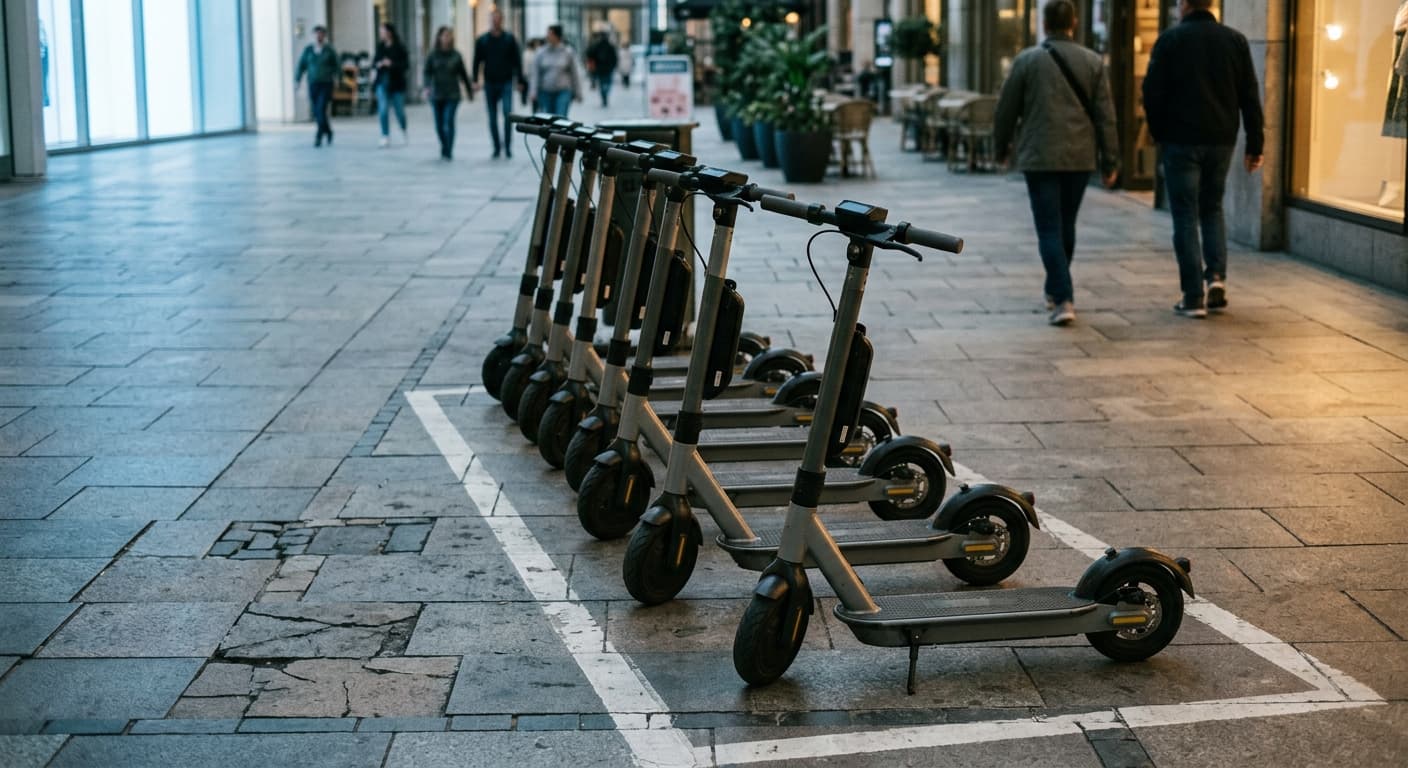
The most significant and current finding in Zambia's law is the Road Traffic (Amendment) Act, 2022 (Act No. 8 of 2022), assented on 9 August 2022. Its own opening text describes it as an Act "to amend the Road Traffic Act, 2002" and states it "shall be read as one with the Road Traffic Act, 2002, in this Act referred to as the principal Act." The amendment inserts a standalone definition into section 2 of that principal Act, alongside a run of other new definitions added in alphabetical order: "scooter means a two wheeled vehicle with a step through chassis and footrest platform." It is the only country researched in this batch where the word scooter itself appears as a defined term in national vehicle-code legislation.
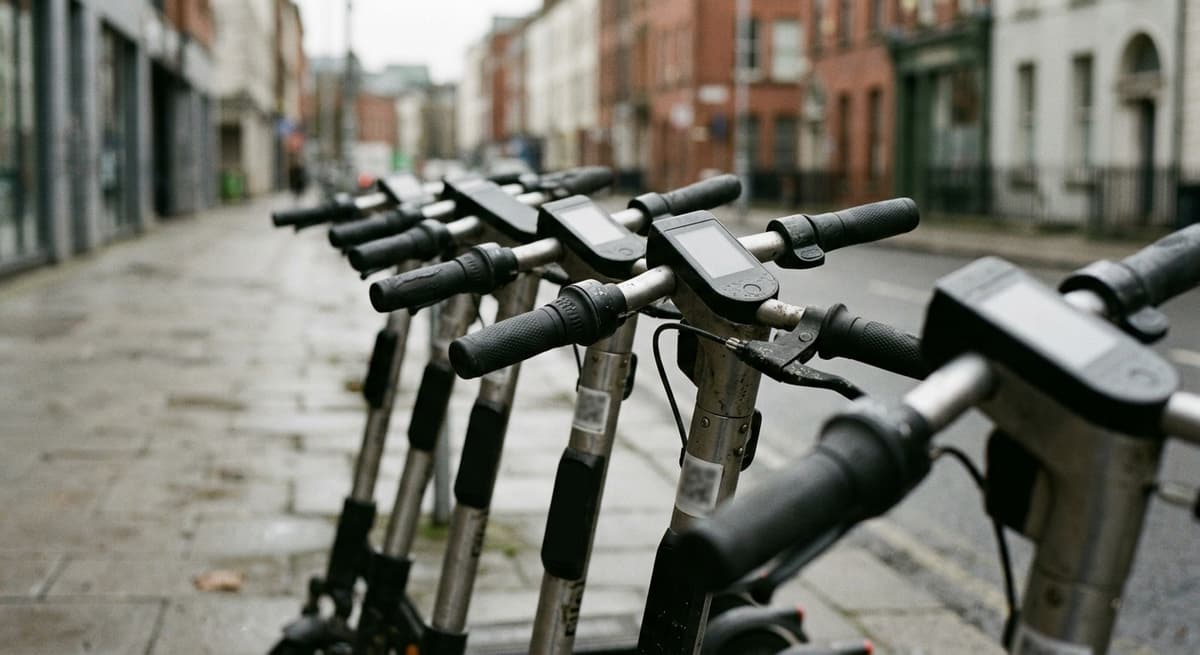
That definition needs to be read carefully rather than assumed to settle the question. Step through chassis is a term of art usually describing a moped or Vespa-style seated vehicle with a lowered, open frame between the seat and handlebars, not the flat standing deck of a kick-style e-scooter. The definition contains no explicit requirement for an engine or motor, so a literal reading could sweep in a stand-up device by its footrest and two-wheel geometry, but the phrase as a whole reads more naturally as targeting motorized step-through mopeds. The same 2022 amendment separately redefines motor cycle to expressly include an auto cycle and a quadra cycle, and scooter is not folded into that list; it stands alone, with no cross-reference anywhere in the amendment to a specific licence class or penalty provision. No Road Transport and Safety Agency regulation implementing it was located in this research. Which licence class, if any, attaches to a scooter under this definition could not be traced, and this article does not claim the amendment settles the status of a stand-up kick scooter.
Where you can ride
No scooter-specific road-use rule was located. As a mechanically propelled vehicle, an e-scooter would in principle fall under general motor vehicle road rules rather than any cycle-specific provision, since the Act's mechanical-propulsion definitions are drafted to include electric motors.
Rider rules
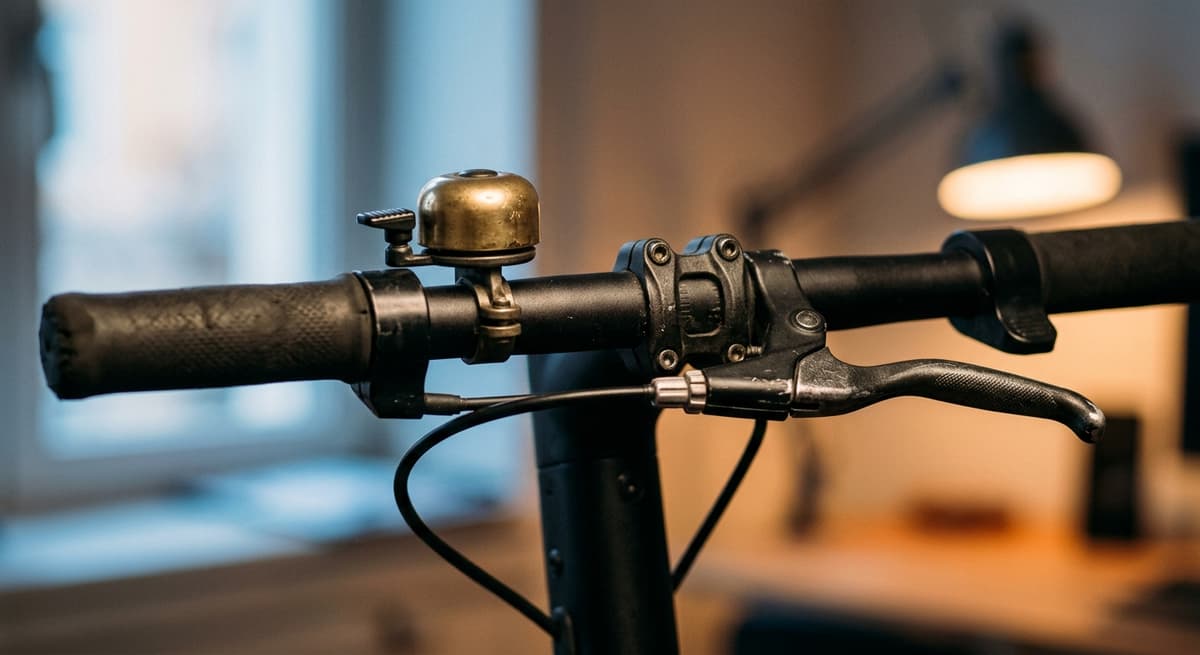
Section 63 of the 2002 Act leaves the classes of motor vehicle for driving licence purposes to be prescribed by regulation, and scooter is not named among the categories written into the Act's own text. Section 64 sets the minimum age to obtain a licence to drive an auto cycle or invalid carriage at sixteen, with eighteen for every other vehicle category not separately listed. Protective helmets for "persons riding on motor cycles" are addressed through a Ministerial regulation-making power under section 182, rather than a self-executing duty written directly into the Act's text, and no such regulation specific to scooters was confirmed in this research.
Penalties
No scooter-specific or e-scooter-specific penalty provision was located. General penalties for driving an unregistered or unlicensed mechanically propelled vehicle would be the closest applicable framework, but a specific figure was not confirmed in this research and is not asserted here.
Enforcement in practice
No incident reports, enforcement data, or rental-operator presence for e-scooters were found for Lusaka or any other Zambian city. That silence is a data gap, not confirmation that the device is tolerated, and it does not change the legal analysis above either way.
Legal history and what may change
The Road Traffic Act, 2002 already displaced most of Chapter 464's vehicle-law provisions, and the 2022 amendment adding the scooter definition is the most recent legislative change found on top of that framework. Whether the Road Transport and Safety Agency has since issued implementing regulations, a fee schedule, or a licence class tied to that definition was not confirmed in this research and would be the natural next development to watch.
Frequently Asked Questions
What is the governing road traffic statute in Zambia?
The Road Traffic Act, 2002 (Act No. 11 of 2002). It repealed and replaced the vehicle registration, licensing, driving licence and insurance provisions of the older Roads and Road Traffic Act, Chapter 464, though Chapter 464's earlier road-classification provisions remain in force separately.
Does Zambian law have a legal definition of scooter?
Yes. The Road Traffic (Amendment) Act, 2022 (Act No. 8 of 2022) inserted a standalone definition into section 2 of the Road Traffic Act, 2002: a two wheeled vehicle with a step through chassis and footrest platform. It reads more naturally as a motorized step-through moped than a stand-up kick scooter, and no licence class was found attached to it.
Are electric scooters treated as motor vehicles in Zambia?
The Road Traffic Act, 2002 defines motor vehicle broadly as any mechanically propelled vehicle, with no capacity floor, and the Act's auto cycle definition already treats electric motors as mechanical propulsion. On that basis an electric scooter fits the motor vehicle definition.
Does the 2022 scooter definition confirm kick e-scooters are legal in Zambia?
No. The definition's wording, step through chassis, targets seated moped-style vehicles more naturally than stand-up kick scooters, and no licence class or enforcement provision was found cross-referencing it. It should not be read as settling the status of a stand-up device.
What is the minimum age to ride a scooter or auto cycle in Zambia?
The Road Traffic Act, 2002 sets sixteen as the minimum licence age for an auto cycle, compared with eighteen for other vehicle classes under section 64. No age was confirmed specifically for the 2022 scooter definition.
Are there rental e-scooter schemes in Lusaka?
None were found in this research.
Sources and References
- Road Traffic Act, 2002 (Act No. 11 of 2002), section 2, definitions of "motor vehicle" and "auto cycle"(zambialii.org)
- Road Traffic Act, 2002, section 234(1), repeal of Parts V to XIV of the Roads and Road Traffic Act, Chapter 464 (vehicle registration, licensing and insurance provisions)(zambialii.org)
- Road Traffic (Amendment) Act, 2022 (Act No. 8 of 2022), clause 2, insertion of "scooter" definition into section 2 of the Road Traffic Act, 2002 and redefinition of "motor cycle"(parliament.gov.zm).gov
- Road Traffic Act, 2002, section 63 (classes of motor vehicle), section 64 (age of driver) and section 182 (protective helmet regulation power)(zambialii.org)