Sri Lanka E-Scooter Laws: Why It's a Motor Vehicle by Definition (2026)
Independently fact-checked against primary sources (last audited July 23, 2026). How we verify our legal content
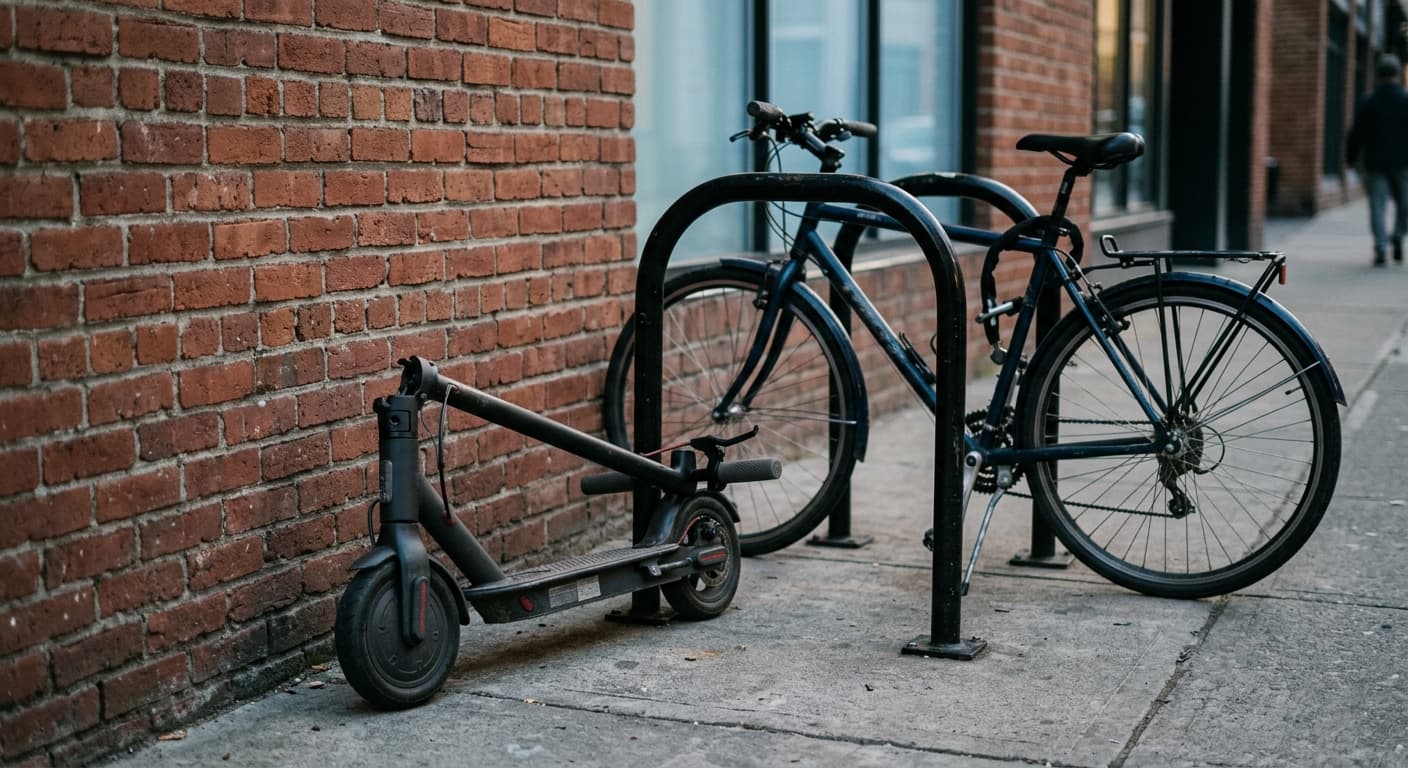
This article is general information about e-scooter laws in Sri Lanka and is not legal advice. Because an e-scooter falls under the same registration, licensing, and insurance regime as any other motor vehicle here, confirm current requirements with the Department of Motor Traffic before importing or riding one. Information last verified on 23 July 2026.
Are e-scooters legal in Sri Lanka?
Only as a fully registered, licensed, and insured motor vehicle, the same as a car or motorcycle. Sri Lanka has no gap for e-scooters to fall through and no separate light-vehicle category to escape into: the Motor Traffic Act's own definition of "motor vehicle" in section 240 reads, "any mechanically and/or electrically, and/or solar energy propelled vehicle... intended or adapted for use on roads," with no minimum power or speed threshold. That wording names electrical propulsion directly in the statute itself, so an e-kick-scooter is a motor vehicle by definition, not by inference or analogy.
This makes the absence of a dedicated e-scooter law here meaningfully different from a country where e-scooters simply have not been considered. Sri Lanka's Parliament wrote a definition broad enough to capture any electrically propelled device used on a road, then never carved a lighter-touch category back out for something like a kick-scooter. Riding one without registration, a licence, insurance, and a helmet is not a legal gray area, it is a violation of the same Act that governs cars and motorcycles.
What counts as an e-scooter here
Section 240 also defines "motor cycle" as a motor vehicle, including a moped, other than a motor tricycle, having a tare that together with any side car does not exceed two hundred and fifty kilograms. Again, there is no power or speed floor, so a typical e-kick-scooter, well under 250 kg, would qualify as a motor cycle for licensing and helmet purposes on top of being a motor vehicle for registration purposes.
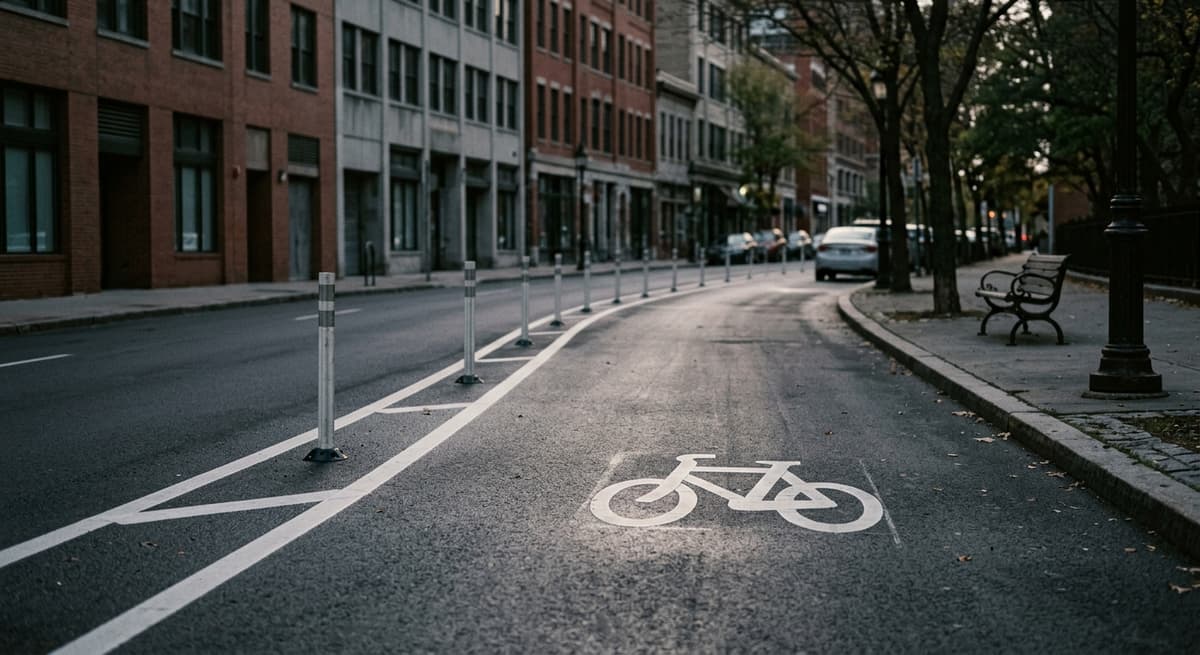
This research checked the Act's full definitions section, which lists dozens of other vehicle-class terms (motorcar, motor coach, motor tricycle, quadricycle, land vehicle, motor home, and more), and found no separate electric kick scooter or light electric vehicle category anywhere in it. Unlike some countries that have carved out a lighter category for micromobility, Sri Lanka's statute book simply has not done so.
Where you can ride
The Act's provisions reviewed for this research govern registration, licensing, insurance, and equipment rather than setting out a specific road, cycle-lane, or path rule for e-scooters distinct from other motor vehicles. In practice, an e-scooter that meets the Act's motor vehicle requirements would use ordinary roads like any other registered motor cycle, since no dedicated micromobility lane category was found in the Act.
Rider rules
Registration is mandatory under section 2 before anyone may possess or use a motor vehicle. A revenue licence is mandatory under section 25 for using any motor vehicle. Third-party insurance, by policy or security, is mandatory under section 99 for use on a road. A driving licence is mandatory under Part VII (sections 122 to 139), with a minimum age of 18 for light motor vehicle classes that include motor cycles, and 21 for heavier classes. A protective helmet, approved by the Minister, is mandatory under section 158 for anyone driving or being carried on a motor cycle, with no exemption stated for low-power vehicles.
Penalties
The Act treats an e-scooter as an ordinary motor vehicle, so riding one without registration, a revenue licence, insurance, or a driving licence is an offence under the Act's general enforcement provisions for unregistered, uninsured, or unlicensed motor vehicles. This research verified the registration, licensing, insurance, and helmet requirements themselves from the full consolidated text, but did not verify the specific fine amounts or maximum penalties for non-compliance, so no figure is stated here. Confirm current penalty amounts with the Department of Motor Traffic or the Sri Lanka Police before relying on any number found elsewhere.
Enforcement in practice
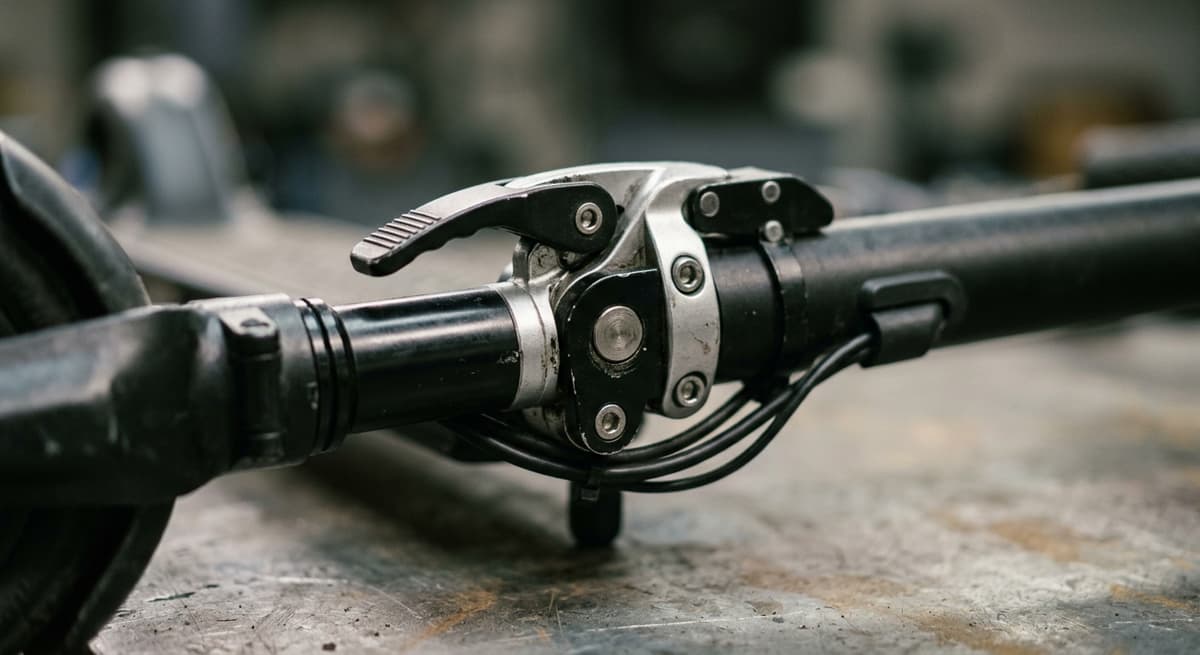
No news reporting of active police enforcement specifically targeting kick-scooters was found in this research, unlike, for example, seated e-moped brands that dominate market searches and rental listings. This likely reflects low real-world exposure to standing kick-scooters specifically, rather than any leniency written into the law itself.
Sri Lanka's registered moped and motorcycle rental businesses already operate on the assumption that a licence is required, consistent with the Act's treatment of any powered two-wheeler. The absence of a documented enforcement pattern for e-scooters specifically is not the same as the device being exempt; the Act's registration, licensing, insurance, and helmet requirements apply regardless of how often they are actively policed against this particular device type. Enforcement patterns do not change the legal status, and they are not permission.
Legal history and what may change
The Act gives the Minister power, under sections 19 and 190, to make regulations on the construction, equipment, and use of any specified class of motor vehicles. That power is broad enough to create a dedicated e-scooter or light-electric-vehicle category by regulation at any time, but this research found no evidence that such a regulation has actually been made.
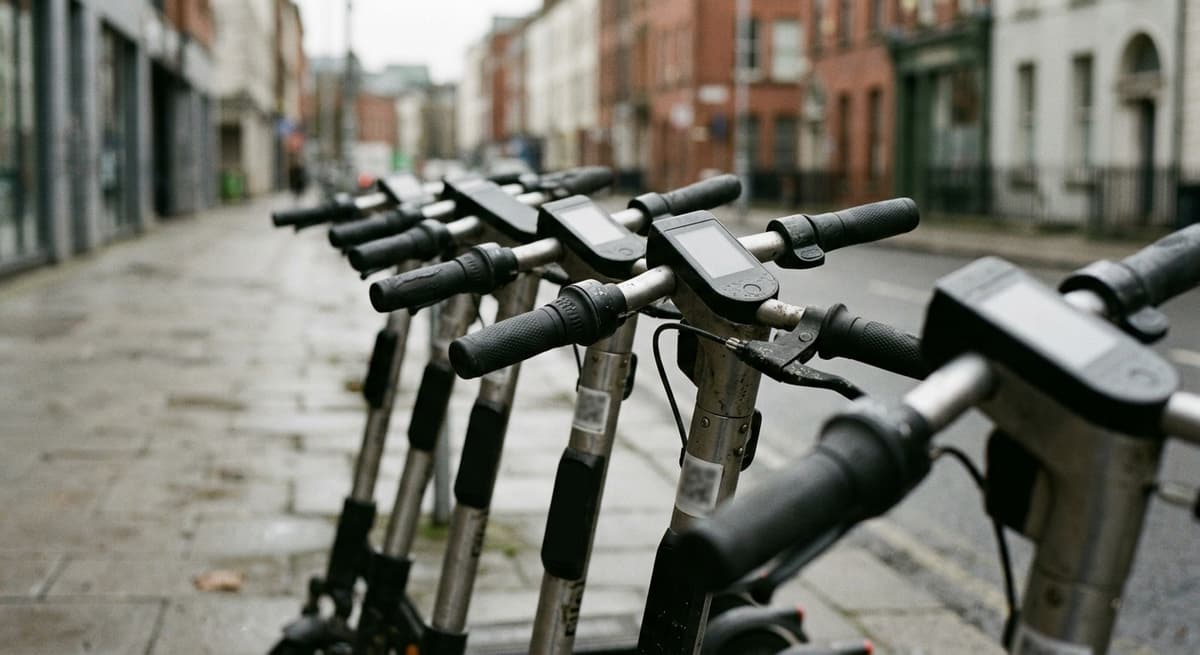
Anyone importing or riding an e-scooter in Sri Lanka should check current Department of Motor Traffic regulations, since a subordinate regulation could change the picture described here without amending the Act itself. For comparison, see how Singapore's PMD rules handle the same device differently, and the world e-scooter law guide for other countries' approaches.
Frequently Asked Questions
Are e-scooters legal in Sri Lanka?
Only if registered, licensed, insured, and ridden with a helmet, the same as any other motor vehicle. The Motor Traffic Act’s definition of "motor vehicle" expressly includes electrically propelled vehicles with no minimum power threshold, so an e-scooter cannot avoid these requirements by being small or low-powered.
Do I need to register an e-scooter in Sri Lanka?
Yes. Section 2 of the Motor Traffic Act requires registration before anyone may possess or use a motor vehicle, and the Act’s definition of "motor vehicle" covers electrically propelled devices with no exemption for e-scooters.
Do I need a driving licence to ride an e-scooter in Sri Lanka?
Yes. A driving licence is mandatory under Part VII of the Act, with a minimum age of 18 for the light motor vehicle classes that include motor cycles, a category most e-scooters would also fall under by weight.
Is a helmet required for e-scooters in Sri Lanka?
Yes. Section 158 requires a protective helmet for anyone driving or being carried on a motor cycle, with no stated exemption for low-power vehicles.
Is there a lighter category for small e-scooters in Sri Lanka?
No. This research checked the Act’s full definitions section and found no dedicated electric kick scooter or light-electric-vehicle category anywhere in it, only the broad motor vehicle and motor cycle definitions that already sweep in e-scooters.
Can I rent an e-scooter in Sri Lanka?
No dockless e-scooter rental scheme was identified in this research. Rental businesses found operate registered mopeds and motorcycles and already require a licence, consistent with the Act’s treatment of powered two-wheelers.
Are e-scooter riders in Sri Lanka commonly stopped by police?
No specific enforcement pattern targeting kick-scooters was found in this research, likely because the market is dominated by seated e-mopeds rather than standing scooters. The absence of documented enforcement does not mean the registration, licence, insurance, and helmet requirements do not apply.
Updates
Independently fact-checked against the cited primary sources
Sources and References
- Lanka Law, Motor Traffic Act (Consolidated 2024), Chapter 203, full text: sections 2, 25, 99, 122-139, 158, 240 definitions(lankalaw.net)
- Ather Energy Sri Lanka, market context showing the Sri Lankan e-two-wheeler market is dominated by seated, registered e-mopeds(atherenergy.lk)
- MotoWheeler, Sri Lankan e-two-wheeler dealer listings consistent with registered motor cycle treatment(motowheeler.com)
- Riderly, Sri Lankan motorcycle/moped rental terms requiring a valid licence(riderly.com)