Indonesia E-Scooter Laws: Detailed Rules, Warning-Level Enforcement (2026)
Independently fact-checked against primary sources (last audited July 23, 2026). · 2 primary sources cited on this page. How we verify our legal content
This article is general information about e-scooter laws in Indonesia and is not legal advice. If you are cited by police or need advice for a specific situation, consult an Indonesian traffic lawyer or the Kementerian Perhubungan (Kemenhub). Information last verified on 23 July 2026.
Are e-scooters legal in Indonesia?
Yes, and Indonesia's rules are unusually specific. Peraturan Menteri Perhubungan (Permenhub) No. PM 45 Tahun 2020, "Kendaraan Tertentu dengan Menggunakan Penggerak Motor Listrik," took effect on the date of its promulgation, June 22, 2020, and has not been amended since, based on this research. It is a genuine national framework covering both privately owned devices and rental fleets under the same rules, with a dedicated article governing rental-operator duties described below.
What counts as an e-scooter here
Article 2(1) of Permenhub 45/2020 covers five specific device types together: skuter listrik (e-scooter), sepeda listrik (e-bike), hoverboard, sepeda roda satu or unicycle, and otopet (kick scooter). Each has its own speed cap: skuter listrik and sepeda listrik are both capped at a maximum speed of 25 km/h, while hoverboard, unicycle, and otopet are capped at a much lower 6 km/h.
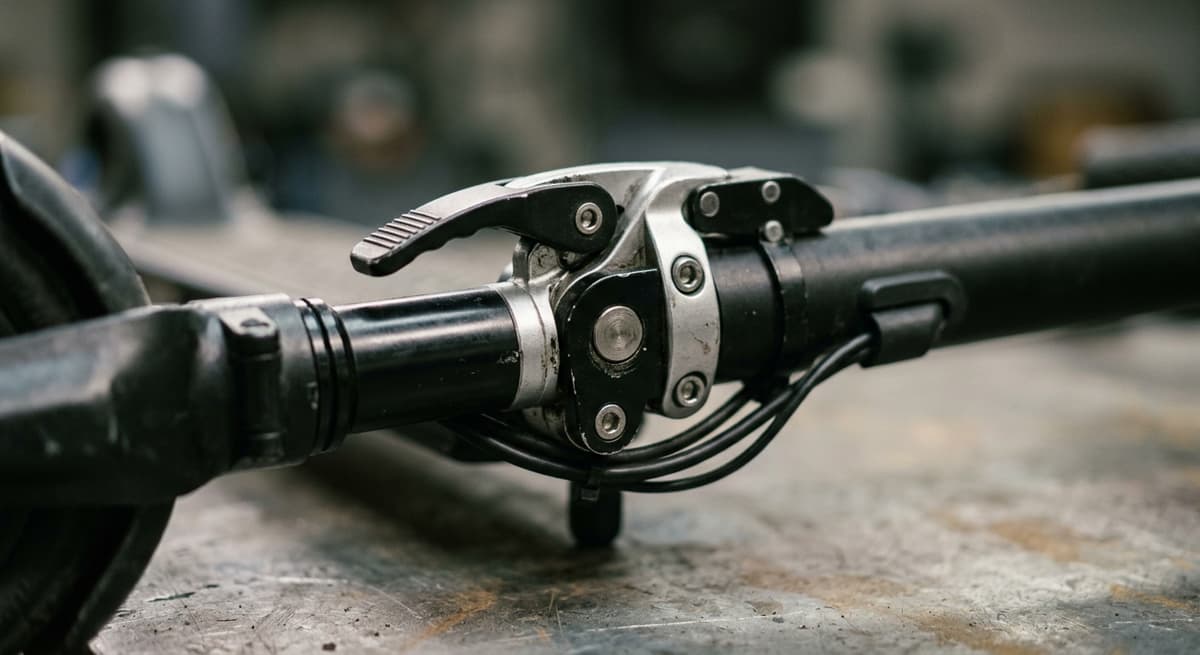
No passengers are allowed except on an e-bike with a built-in passenger seat, and modifying the motor to increase speed is prohibited.
Where you can ride
This is the narrowest part of Indonesia's framework. Riders must use a dedicated lane, either a bike lane or a lane specifically provisioned for these vehicles, or stay within a designated "kawasan tertentu" (specific zone). The regulation names six eligible zone types: residential areas, car-free-day streets, tourist areas, areas around integrated mass-transit hubs, office-park areas, and off-road areas.
Sidewalk use is a conditional fallback, not a general right. It is only allowed where no dedicated lane or zone exists, and only with "adequate capacity" and regard for pedestrian safety. Jurisdiction to actually designate which lanes and zones qualify sits with local government: the Governor of DKI Jakarta for Jakarta, and regents or mayors elsewhere, so the specific streets and zones you can legally use vary city by city even though the underlying national rule is uniform.
Rider rules
- Minimum age: 12.
- Supervised riders: ages 12 to 15 must be accompanied by an adult.
- Helmet: mandatory.
- License (SIM): not required.
- Registration (STNK): not required, a structural contrast with countries like Taiwan or Japan that require plates.
- Passengers: not permitted, except on an e-bike with a built-in passenger seat.
Penalties
Permenhub 45/2020 itself does not set out a specific monetary fine schedule in the text obtained for this research. Enforcement instead proceeds under general traffic-law provisions, and, per Indonesia's own traffic police, that enforcement is described as warning-first rather than fine-first, detailed below.
Enforcement in practice
This is the central contrast of Indonesia's e-scooter law: the rules on paper are specific and detailed, but street-level enforcement is admittedly soft. Indonesia's national traffic police (Korlantas Polri) have stated on their own site that, for related light electric vehicles, enforcement currently relies on "coordination and warnings" rather than ticketing, with one regional traffic unit chief quoted saying enforcement is still being worked out because a full penalty framework has not been separately regulated.
Riders very commonly use these devices on ordinary roads and sidewalks well outside the zones Permenhub 45/2020 actually authorizes, with press describing only occasional warnings rather than routine tickets for that specific violation. Enforcement patterns do not change the legal status of any rule. Riding outside a designated lane or zone remains outside the rule regardless of how consistently that gets enforced in a given city or on a given day.
Local and regional variation
The rule itself is national and uniform (device classes, age, speed caps, helmet), but where you can actually ride varies by city, because Permenhub 45/2020 delegates the specific zone and lane designation to local government rather than naming streets itself. DKI Jakarta's governor sets designated lanes and zones for Jakarta; elsewhere, regents or mayors do. Jakarta has in practice taken a stricter local line on sidewalks specifically, with local reporting describing sidewalk use as prohibited there to prevent damage to sidewalk infrastructure, a tighter local rule layered on top of the conditional national default.
For a comparison of another Southeast Asian market's approach, see our guide to Singapore's PMD and e-scooter rules, and our global e-scooter law guide for the full country picture.
Frequently Asked Questions
Are e-scooters legal in Indonesia?
Yes, nationwide, under Permenhub 45/2020, which sets specific age, speed, and zone rules for e-scooters and four related device types.
What is the minimum age to ride an e-scooter in Indonesia?
12. Riders aged 12 to 15 must be accompanied by an adult.
Can I ride an e-scooter on the sidewalk in Indonesia?
Only as a conditional fallback where no dedicated lane or designated zone exists, and only with adequate capacity and regard for pedestrian safety. Jakarta has taken a stricter local line prohibiting sidewalk use.
Do I need a license or registration for an e-scooter in Indonesia?
No. Permenhub 45/2020 does not require a driver's license (SIM) or vehicle registration (STNK) for a compliant device.
Will I actually get fined for riding outside the designated zones in Indonesia?
Indonesia's own traffic police describe current enforcement of light-electric-vehicle rules as warnings and coordination rather than routine ticketing, though that does not make riding outside the designated lanes and zones lawful.
What is the speed limit for an e-scooter in Indonesia?
25 km/h for a standard e-scooter or e-bike. Hoverboards, unicycles, and otopets are capped much lower, at 6 km/h.
Updates
Independently fact-checked against the cited primary sources
Sources and References
- Peraturan BPK, Peraturan Menteri Perhubungan (Permenhub) No. PM 45 Tahun 2020, full text(peraturan.bpk.go.id).gov
- Korlantas Polri, bahaya penggunaan sepeda listrik di jalan raya(korlantas.polri.go.id).gov
- CNBC Indonesia, skuter listrik dapat lampu hijau, boleh di trotoar?(cnbcindonesia.com)
- Detik Finance, catat nih, aturan main skuter listrik di jalan raya(detik.com)