Malaysia E-Scooter Laws: Banned on Every Public Road (2026)
Independently fact-checked against primary sources (last audited July 23, 2026). How we verify our legal content
This article is general information about e-scooter law in Malaysia and is not legal advice. The rule described here is a nationwide ban with real criminal penalties, so confirm current status with the Road Transport Department (JPJ) before assuming any exception applies. Information last verified on 23 July 2026.
Are e-scooters legal in Malaysia?
No, not on any public road. This directly contradicts a claim repeated in several vendor blogs that e-scooters are "legal in Malaysia with restrictions." A July 2026 QuickCheck article states plainly that "e-scooters and e-bikes are illegal on all public roads in Malaysia," adding that they "can legally be used in gazetted areas such as parks and playgrounds, pedestrian zones and private property."
The governing rule is the Road Traffic Rules (Prohibition of Use of Certain Micromobility Vehicles) 2021, in effect since 17 December 2021, which bans micromobility vehicles from public roads. It is enforced through section 54(2)(a) of the Road Transport Act 1987. This is a criminal prohibition, not a civil fine schedule, described further under Penalties below.
What counts as an e-scooter here
"Micromobility vehicle," the category the 2021 Rules ban from public roads, is defined via the Road Transport (Amendment) Act 2020 (Act A1618) as any vehicle "propelled by electrical means, an internal-combustion engine or human power or a combination [thereof]... having a maximum speed of 50 km/h." This sweeps in e-scooters and e-bikes as well as similar low-powered devices, all treated the same way under the ban.
Where you can ride
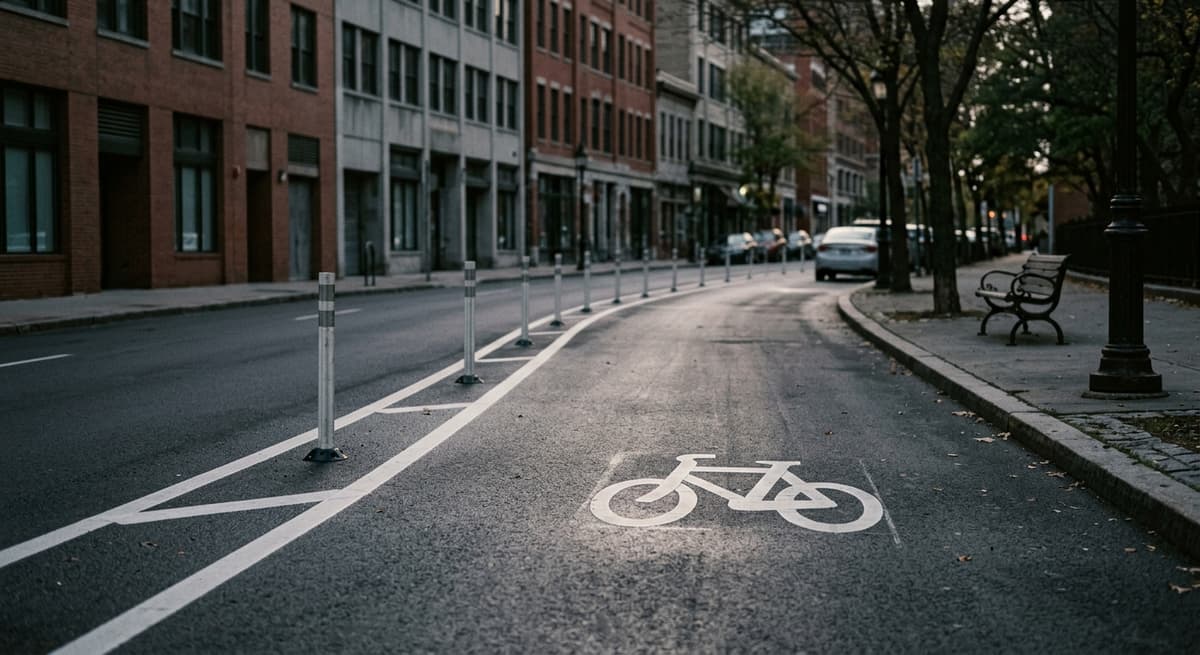
Nowhere on a public road, anywhere in Malaysia. The only lawful places to ride are gazetted areas such as parks and playgrounds, pedestrian zones set aside for the purpose, and private property. There is no exception for cycle lanes, quiet residential streets, or any other class of public road.
Rider rules
Because riding is banned outright on public roads, no age, helmet, or licence rule applies to a lawful public-road ride, since there is no such ride to regulate. Any age, helmet, or safety rule for riding in a gazetted park or private area would be set by whoever manages that specific area, not by national traffic law.
Penalties
Violating the ban carries a fine of RM1,000 to RM5,000, and/or imprisonment of up to 12 months, under section 54(2)(a) of the Road Transport Act 1987. This is a materially different penalty structure from a simple traffic fine: it includes the possibility of jail time, and the ban is actively enforced, not a paper rule.
DBKL (Kuala Lumpur City Hall) has also confiscated e-scooters left obstructing public pathways, using its own powers under the Streets, Drains and Buildings Act 1974, for example, 384 units in one reported action. This is a separate enforcement track from the Road Transport Act ban itself.
Enforcement in practice
Unlike jurisdictions where a strict-sounding rule sits largely unenforced, Malaysia's ban is described in the July 2026 source reviewed as applied with "no state or local exemptions." DBKL's separate obstruction-based confiscations show a second, active enforcement channel on top of the Road Transport Act penalties.
This is not a case where enforcement lags the law. The rule itself is a nationwide ban, and the enforcement documented this session is consistent with that.
Local and regional variation
Malaysia's ban is federal and, per the most recent source reviewed (dated 20 July 2026), applied uniformly with no state or local exemption. What varies today is not the law itself but which local authorities are lobbying the Transport Ministry to gazette an exception.
Penang's local council (MBPP) had planned to trial e-scooters in Bayan Baru and, if successful, seek to have the area formally gazetted for road use. Kuala Lumpur's DBKL has floated allowing e-scooters or mopeds to improve mobility. As of the most recent source checked, neither had actually taken effect, so Malaysia's sub-national story today is which councils want an exception, not which areas already have one.
Legal history and what may change
The ban has been in force since 17 December 2021 and remains current as of the most recent source reviewed, 20 July 2026. Penang's Bayan Baru trial and any resulting gazette notice, and any similar move by Kuala Lumpur, were not confirmed to have taken effect this session.
Check for a post-2024 Transport Ministry gazette notice before assuming either has changed the underlying federal ban. For how other countries in Southeast Asia handle e-scooters, see the Singapore PMD rules and the world e-scooter law guide.
Frequently Asked Questions
Are e-scooters legal in Malaysia?
No, not on public roads anywhere in the country. E-scooters are illegal on all public roads under the Road Traffic Rules (Prohibition of Use of Certain Micromobility Vehicles) 2021, enforced through section 54(2)(a) of the Road Transport Act 1987. They remain legal only in gazetted areas such as parks and private property.
Can I ride an e-scooter in a park in Malaysia?
Yes, gazetted areas such as parks and playgrounds, pedestrian zones, and private property remain lawful places to ride. Public roads are not.
What is the penalty for riding an e-scooter on a public road in Malaysia?
A fine of RM1,000 to RM5,000, and/or imprisonment of up to 12 months, under section 54(2)(a) of the Road Transport Act 1987.
Is Kuala Lumpur different from the rest of Malaysia on e-scooters?
Not currently. The federal ban applies uniformly with no confirmed local exemption, though DBKL (Kuala Lumpur City Hall) has floated allowing e-scooters to improve mobility, and separately confiscates scooters that obstruct public pathways under different legislation.
Are e-bikes also banned in Malaysia?
Yes. The definition of "micromobility vehicle" under the Road Transport (Amendment) Act 2020 covers any vehicle up to 50 km/h propelled by electrical means, an internal-combustion engine, or human power, which includes e-bikes as well as e-scooters.
Will Malaysia legalize e-scooters on public roads?
Not confirmed. Penang's council has discussed trialing e-scooters with a view to seeking a gazetted exception, and Kuala Lumpur's DBKL has floated a similar idea, but neither had taken effect as of the most recent source reviewed.
Updates
Independently fact-checked against the cited primary sources
Sources and References
- The Star (QuickCheck), 20 July 2026: confirms e-scooters and e-bikes are illegal on all public roads in Malaysia, legal only in gazetted parks, pedestrian zones, and private property(thestar.com.my)
- Rahmat Lim & Partners legal briefing on the Road Transport (Amendment) Act 2020 (Act A1618) micromobility vehicle definition(rahmatlim.com)
- World of Buzz reporting on DBKL's confiscation of e-scooters obstructing public pathways under the Streets, Drains and Buildings Act 1974(worldofbuzz.com)
- Malay Mail reporting on Penang's MBPP plan to trial e-scooters in Bayan Baru with a view to seeking a gazetted exception(malaymail.com)