Japan E-Scooter Laws: Legal Since 2023, 20 km/h Cap, Age 16 (2026)
Independently fact-checked against primary sources (last audited July 23, 2026). · 3 primary sources cited on this page. How we verify our legal content
This article is general information about e-scooter laws in Japan and is not legal advice. If you are cited for a traffic violation or need advice for a specific situation, consult a Japanese traffic lawyer or the National Police Agency. Information last verified on 23 July 2026.
Are e-scooters legal in Japan?
Yes. Japan created a dedicated vehicle category for e-scooters through an amendment to the Road Traffic Act that took effect July 1, 2023. Devices meeting the category's specifications are called specified small motorized bicycles, and riders 16 and older can operate them without a driver's license.
This is a legal-national framework, not a patchwork of local pilots. Both privately owned e-scooters and rental units, LUUP being the largest network, fall under the same national rule, with no separate private-versus-rental legal split.
What counts as an e-scooter here
To qualify as a specified small motorized bicycle, a device must not exceed 20 km/h, must be no longer than 190 cm and no wider than 60 cm, and must carry a motor rated at 0.60 kW or less, per the National Police Agency.
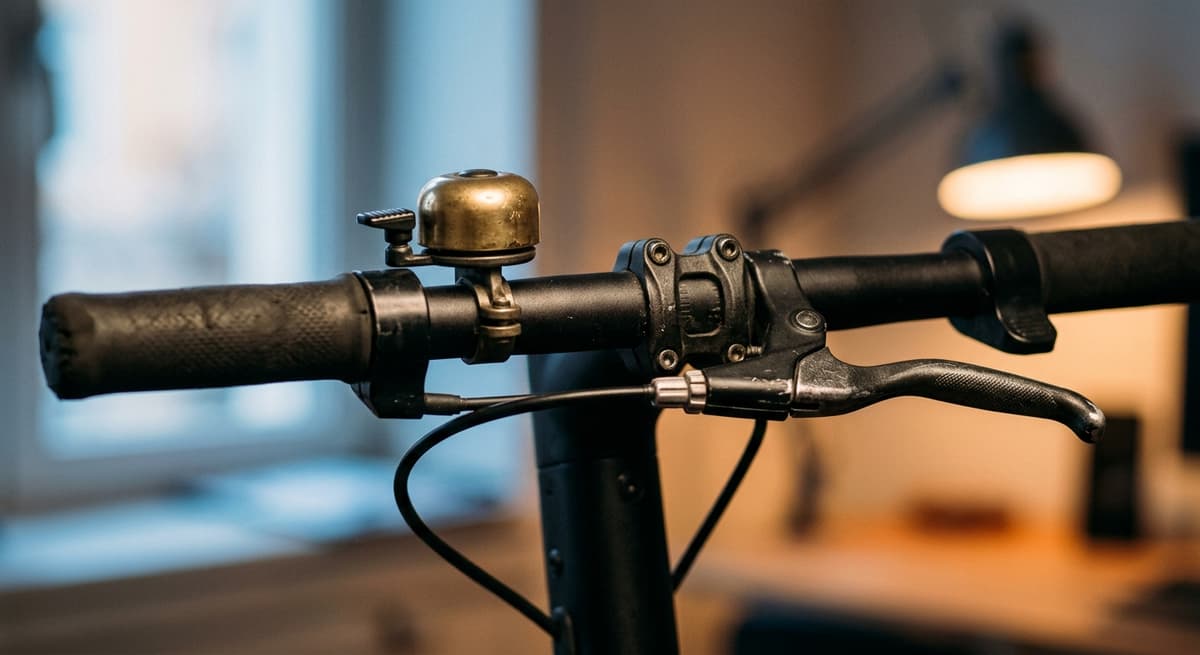
A separate, more restrictive sub-class exists specifically to permit narrow sidewalk use. It must be mechanically capable of dropping to a 6 km/h limit. Devices that exceed the base class's speed or size specifications fall outside this category entirely and are instead treated as ordinary mopeds, which require a moped license, insurance, and a different registration process.
Where you can ride
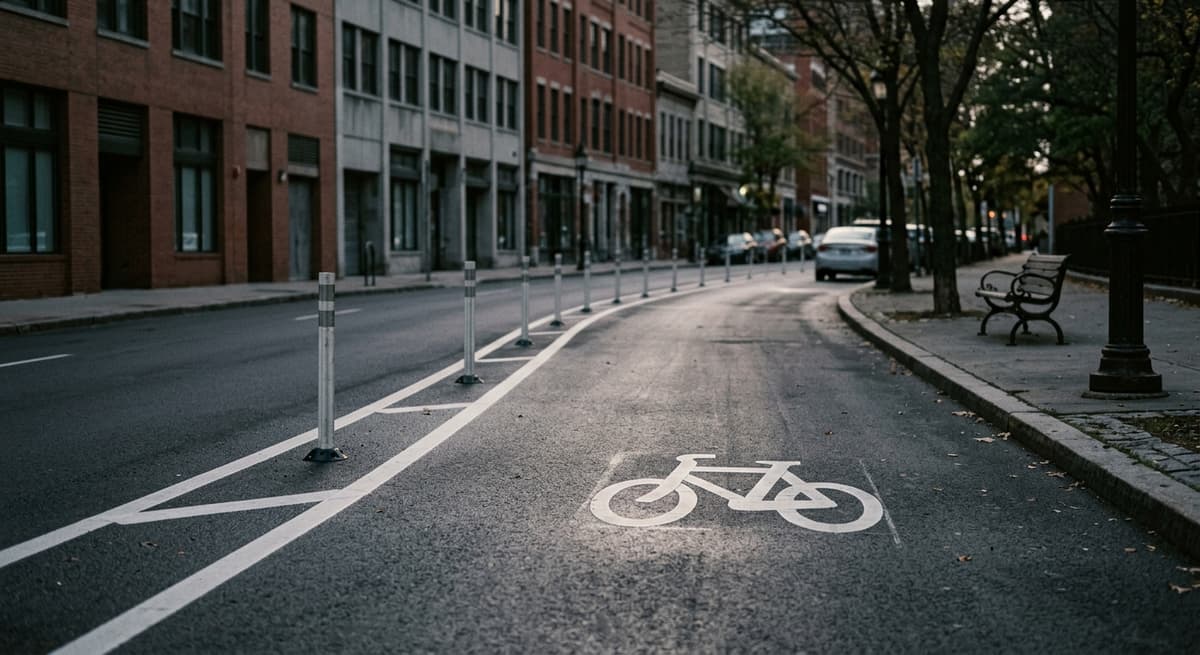
Standard specified small motorized bicycles use the roadway, much like bicycles, and follow bicycle-style rules such as two-stage right turns at intersections rather than a motor vehicle's direct turn.
Sidewalk riding is not a general right. Only the certified sidewalk sub-class may use a sidewalk, and only where a specific traffic sign permits it, and only while the device's speed-indicator light shows it is mechanically capped at 6 km/h. Riding a standard 20 km/h unit on a sidewalk, or riding the sidewalk-certified sub-class without engaging its slow mode, falls outside the rule.
Rider rules
- Minimum age: 16. Riders under 16 may not operate the vehicle at all.
- License: none required for the base class.
- Helmet: an effort obligation only. The NPA recommends one, but riding without a helmet is not, by itself, a punishable offense.
- Registration: every unit needs municipal registration and a visible number plate before it takes to the road.
- Turn signals: required, engaged roughly 30 meters ahead of a turn.
Enforcement in practice
Police run periodic, targeted campaigns, including signage checks and stings aimed at sidewalk speeds, concentrated at known hotspots rather than continuous patrol.
Because the helmet rule is only an effort obligation, day-to-day compliance with it is largely self-policed, and enforcement on that specific point is effectively absent. Enforcement patterns do not change the legal status of any rule. The age, registration, plate, and speed-cap obligations apply regardless of how visibly they are policed.
For how a neighboring market handles similar devices, see our guide to Singapore's PMD and e-scooter rules, and our global e-scooter law guide for how other countries compare.
Frequently Asked Questions
Do I need a license to ride an e-scooter in Japan?
No, not for the base specified small motorized bicycle class, as long as you are 16 or older. Faster or more powerful devices fall outside the class and need a moped license instead.
Is a helmet mandatory for e-scooters in Japan?
No. Wearing a helmet is only an effort obligation under Japanese law, so riding without one is not, by itself, a punishable offense, though the NPA recommends it.
Can I ride an e-scooter on the sidewalk in Japan?
Only if your device is the separately certified sidewalk sub-class, the sidewalk carries a specific permitting sign, and the device is mechanically limited to 6 km/h at the time.
What is the minimum age to ride an e-scooter in Japan?
16. Riders under 16 cannot legally operate a specified small motorized bicycle.
Do rental e-scooters like LUUP follow different rules than privately owned ones?
No. Rental and private e-scooters both fall under the same national specified small motorized bicycle rules.
Do I need to register my e-scooter in Japan?
Yes. Every unit needs municipal registration and a visible number plate before it can be ridden on the road.
Updates
Independently fact-checked against the cited primary sources
Sources and References
- National Police Agency (NPA), traffic rules for specified small motorized bicycles(npa.go.jp).gov
- Government of Japan public relations portal, e-scooter traffic rules explainer(gov-online.go.jp).gov
- Tokyo Metropolitan Police Department, specified small motorized bicycle traffic rules(keishicho.metro.tokyo.lg.jp).gov
- Japan Automobile Federation (JAF), guide to micromobility vehicle categories(jaf.or.jp)