Brazil E-Scooter Laws: CONTRAN's Federal Floor vs. Sao Paulo's Rules
Independently fact-checked against primary sources (last audited July 23, 2026). · 3 primary sources cited on this page. How we verify our legal content
This article is general information about e-scooter law in Brazil and is not legal advice. Municipal rules vary and can change, so confirm current requirements with your city's traffic authority before riding. Information last verified on 23 July 2026.
Are e-scooters legal in Brazil?
Yes, at a national level. Brazil's traffic authority, CONTRAN (Conselho Nacional de Transito), set a federal floor for e-scooters through Resolution No. 996 of 15 June 2023, which covers "o transito, em via publica, de ciclomotores, bicicletas eletricas e equipamentos de mobilidade individual autopropelidos" (the public-road traffic of mopeds, electric bicycles, and self-propelled individual mobility equipment, the category that includes e-scooters, hoverboards, e-unicycles, and e-skateboards).
The primary PDF of Resolution 996/2023 was opened during research for this article, but its text layer could not be extracted by the fetch tool used. The specifics below rely on secondary summaries that corroborate each other (Alianca Bike and a Detran state-transport-department mirror), rather than a direct quote from the resolution's own articles.
Per those summaries, electric bicycles and self-propelled individual mobility equipment, the e-scooter category, are not subject to registration, licensing, or plating under the federal floor. The resolution also states that "cada orgao de transito podera estabelecer regras para a circulacao desses veiculos" (each local traffic authority may set its own circulation rules), which is why the operative, on-the-ground rules for riding an e-scooter come from the municipality, not the federal resolution itself.
What counts as an e-scooter here
CONTRAN 996/2023 groups e-scooters together with hoverboards, e-unicycles, and e-skateboards under "equipamentos de mobilidade individual autopropelidos" (self-propelled individual mobility equipment), a category kept separate from "ciclomotores" (mopeds). Mopeds, defined at up to 50 km/h and up to 4,000 W, are a different, faster and heavier vehicle class that does require registration, licensing, and a helmet, enforceable nationally from 1 January 2026. Do not conflate the two categories.
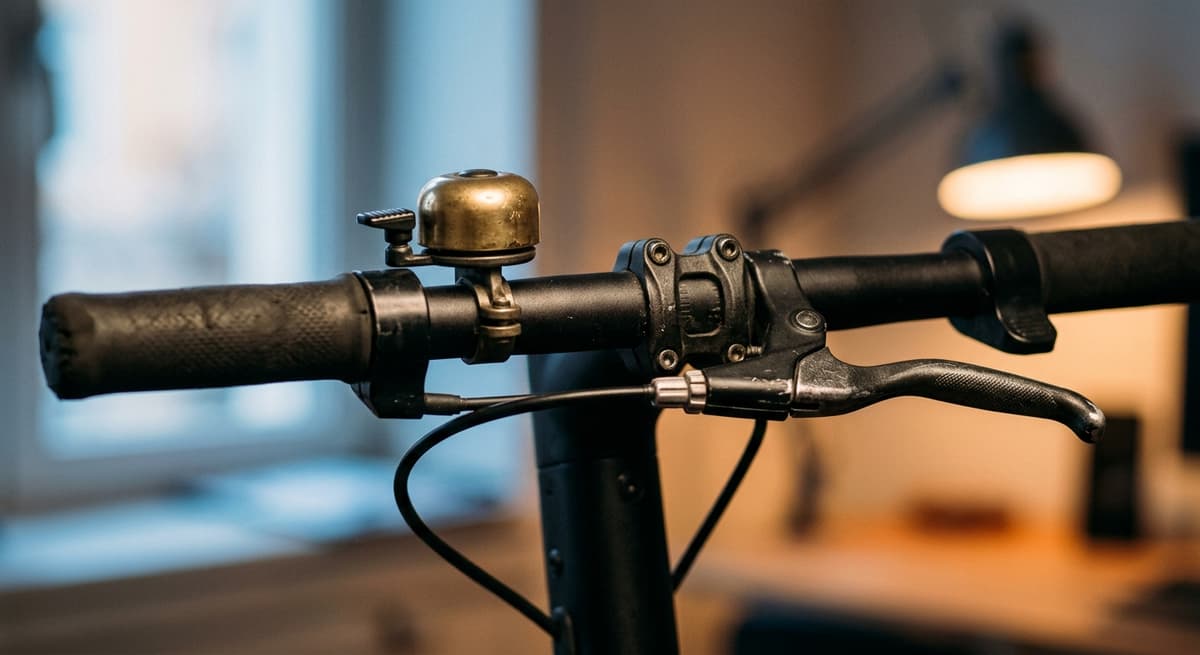
Sao Paulo's own rules cap e-scooters at 20 km/h ("Os equipamentos nao podem desenvolver velocidade acima de 20 km/h").
Where you can ride
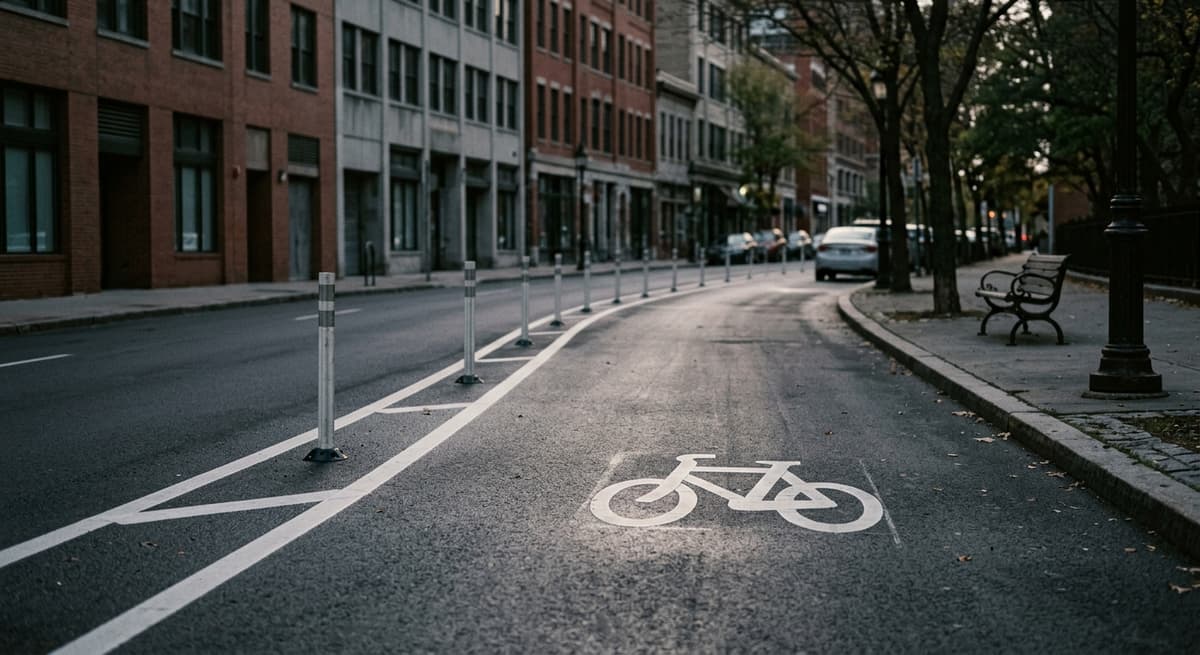
Sao Paulo permits e-scooters on "ciclofaixas, ciclovias e em vias com velocidade maxima de 40 km/h" (bike lanes, cycle paths, and streets with a maximum speed of 40 km/h). Sidewalk riding is explicitly prohibited ("e proibida ... circulacao nas calcadas").
Whether other Brazilian cities, such as Rio de Janeiro, Belo Horizonte, or Brasilia, have published their own routing rules was not checked this session. Because CONTRAN 996/2023 hands this decision to each municipality, assume no uniform national routing rule exists outside what a specific city has published.
Rider rules
Sao Paulo sets a minimum age of 18 to ride an e-scooter ("uso por menores de 18 anos" is prohibited) and bans carrying a passenger. Rental devices must be returned to Prefeitura-approved stations.
The Sao Paulo municipal announcement opened for this article did not mention a helmet requirement. Do not assert that Sao Paulo requires a helmet without checking the underlying portaria or decree, since the announcement itself is silent on it. No national licence, registration, or insurance requirement applies to the e-scooter category under CONTRAN 996/2023.
Penalties
No specific e-scooter fine schedule was found in the Sao Paulo or federal sources opened for this article. The federal ciclomotor (moped) enforcement date of 1 January 2026 covers a different vehicle class, and its penalty structure should not be assumed to apply to e-scooters.
Enforcement in practice
Sao Paulo's CET (Companhia de Engenharia de Trafego) has treated early enforcement of its new e-scooter rules as educational and orientation-first rather than punitive, per the city's own framing. Separately, the national ciclomotor registration and licence mandate only begins enforcement 1 January 2026, so most enforcement pressure documented to date has come from municipalities, not the federal government.
A city choosing an education-first approach in its early enforcement period does not mean the underlying rule, such as Sao Paulo's 20 km/h cap or 18-plus age minimum, is optional.
Local and regional variation
CONTRAN 996/2023 deliberately delegates operative rulemaking to each municipality's own traffic authority. That means Sao Paulo's 20 km/h cap, 18-plus age minimum, and station-return requirement for rental devices are Sao Paulo's own rules, not a national standard, and could differ, or simply not exist yet, in Rio de Janeiro, Belo Horizonte, Brasilia, or other state capitals.
This was not independently cross-checked against a second Brazilian city's own portaria this session. Treat Sao Paulo's rule set as an example of what a Brazilian city can adopt under the federal floor, not as evidence of what every Brazilian city requires.
Legal history and what may change
The federal ciclomotor (moped) registration and helmet mandate takes effect 1 January 2026, a future date relative to when this article was researched. It applies to mopeds, not e-scooters, but the two are easy to conflate since both derive from the same 2023 CONTRAN resolution.
Treat the moped mandate's 2026 start date as settled and enacted, and the e-scooter registration exemption described above as the current, already-in-force rule, not something changing on that same date. For how other countries structure the private-versus-rental distinction, see the world e-scooter law guide.
Frequently Asked Questions
Do I need a licence for an e-scooter in Brazil?
No. Under CONTRAN Resolution 996/2023, e-scooters, classed as self-propelled individual mobility equipment, are exempt from registration, licensing, and plates nationally. This is separate from the ciclomotor (moped) category, which does require a licence.
Is there a national speed limit for e-scooters in Brazil?
No national speed limit for e-scooters was found in the sources reviewed. Sao Paulo's own municipal rule caps e-scooters at 20 km/h, but that is a city rule, not a federal one.
Can I ride an e-scooter on the sidewalk in Sao Paulo?
No. Sao Paulo's rules explicitly prohibit sidewalk riding, permitting e-scooters only on bike lanes, cycle paths, and streets with a maximum speed of 40 km/h.
What is the minimum age to ride an e-scooter in Sao Paulo?
18 years old, under Sao Paulo's municipal rules. This is a city-level rule, not a national requirement.
Are e-scooters the same as mopeds under Brazilian law?
No. CONTRAN Resolution 996/2023 treats them as separate categories. Mopeds (ciclomotores), capped at 50 km/h and 4,000W, require registration, licensing, and a helmet from 1 January 2026. E-scooters do not.
Do Brazil's e-scooter rules differ by city?
Yes. The federal resolution exempts e-scooters from registration nationally but hands operative rulemaking, like speed caps, age minimums, and routing, to each municipality, so a rule that applies in Sao Paulo may not apply elsewhere.
Updates
Independently fact-checked against the cited primary sources
Sources and References
- Ministerio dos Transportes (gov.br): CONTRAN Resolucao No. 996, of 15 June 2023, governing ciclomotores, bicicletas eletricas, and self-propelled individual mobility equipment (PDF opened, text layer not machine-readable this session)(gov.br).gov
- Alianca Bike summary of CONTRAN Resolution 996/2023's e-bike and mobility-equipment provisions(aliancabike.org.br)
- DETRAN-RS (Rio Grande do Sul state traffic department) summary of CONTRAN's ciclomotor, e-bike, and self-propelled equipment definitions(detran.rs.gov.br).gov
- Prefeitura de Sao Paulo official announcement of the city's e-scooter (patinete eletrico) rules: 20 km/h cap, bike-lane/cycle-path routing, sidewalk ban, minimum age 18(prefeitura.sp.gov.br).gov