Ecuador E-Scooter Laws: Regulation Left to Quito and Guayaquil (2026)
Independently fact-checked against primary sources (last audited July 23, 2026). How we verify our legal content
This article is general information about e-scooter laws in Ecuador and is not legal advice. If you are cited by a transit agent or need advice for a specific situation, consult an Ecuadorian traffic lawyer or your municipal transit authority (Quito's AMT or Guayaquil's ATM). Information last verified on 23 July 2026.
Are e-scooters legal in Ecuador?
There is no single national answer, and that gap is itself the rule. Ecuador's Ley Orgánica de Transporte Terrestre, Tránsito y Seguridad Vial contains a general disposition (reported by El Universo as its thirty-third general provision, quoting the statute directly) stating that regulations for the use of electric scooters will be handled by the gobiernos autónomos descentralizados (GADs), Ecuador's decentralized municipal and regional governments, not by the national transit agency.
The ANT (Agencia Nacional de Tránsito) has confirmed this in its own words, telling El Universo that responsibility for regulating scooters and similar micromobility devices falls to local governments through their own ordinances, and that these rules will develop city by city over time, as has happened elsewhere in the world. As of this research, the ANT was still drafting a general implementing regulation to cover electric scooters and motorcycles, described in Ecuadorian press as ongoing, not yet issued.
What counts as an e-scooter here
There is no single national technical definition (speed cap, power limit, weight) for an e-scooter in Ecuadorian law obtained for this page. Because regulation is delegated to individual cities, what counts as a covered device, and what rules apply to it, depends on whichever municipality you are in. Quito's draft ordinance, discussed below, would cover electric scooters, e-bikes, light electric motorcycles, mobility devices for seniors and people with disabilities, hoverboards, and Segway-type devices as a single group.
Where you can ride
There is no confirmed national rule on this question. Where you can legally ride, if anywhere, is set by your city's own ordinance where one exists, and by the practical enforcement of general traffic and registration rules where it does not.
Rider rules
There is no confirmed national age, helmet, or licensing rule for e-scooters specifically in the source material reviewed for this page. Ecuadorian traffic agents have told El Universo they lack a legal instrument to control or sanction riders on points like helmet use or licensing, because comprehensive rules simply do not exist nationally yet.
Penalties
No national penalty schedule specific to e-scooters was found. In Guayaquil, the municipal transit authority (ATM) has been impounding unregistered electric scooters, tricimotos, and electric cargo bikes under Article 160 of the general transit regulation, which requires a current vehicle registration (matrícula) and an approved technical inspection to circulate legally, a rule written for motor vehicles generally rather than for e-scooters as a category. Devices that cannot meet that registration requirement, which is most e-scooters, are seized on that general basis.
Enforcement in practice
Ecuador's own transit agents describe this as a stated enforcement vacuum, not discretion: they say they lack a legal instrument to sanction e-scooter riders because no comprehensive national rule exists. That has not stopped enforcement entirely. Guayaquil's ATM has run intensified operations against electric scooters, tricimotos, and similar devices, citing Article 160's registration requirement rather than a scooter-specific law, and has faced at least one legal challenge from riders arguing the vehicles are a legitimate, low-impact transport option.
Enforcement patterns do not change the legal status of any device. A lack of enforcement tools in one city, or an active crackdown in another under a general rule, are both compatible with the same underlying fact: there is no comprehensive national e-scooter law, so the practical rule is whatever your city has, or has not, put in place.
Local and regional variation
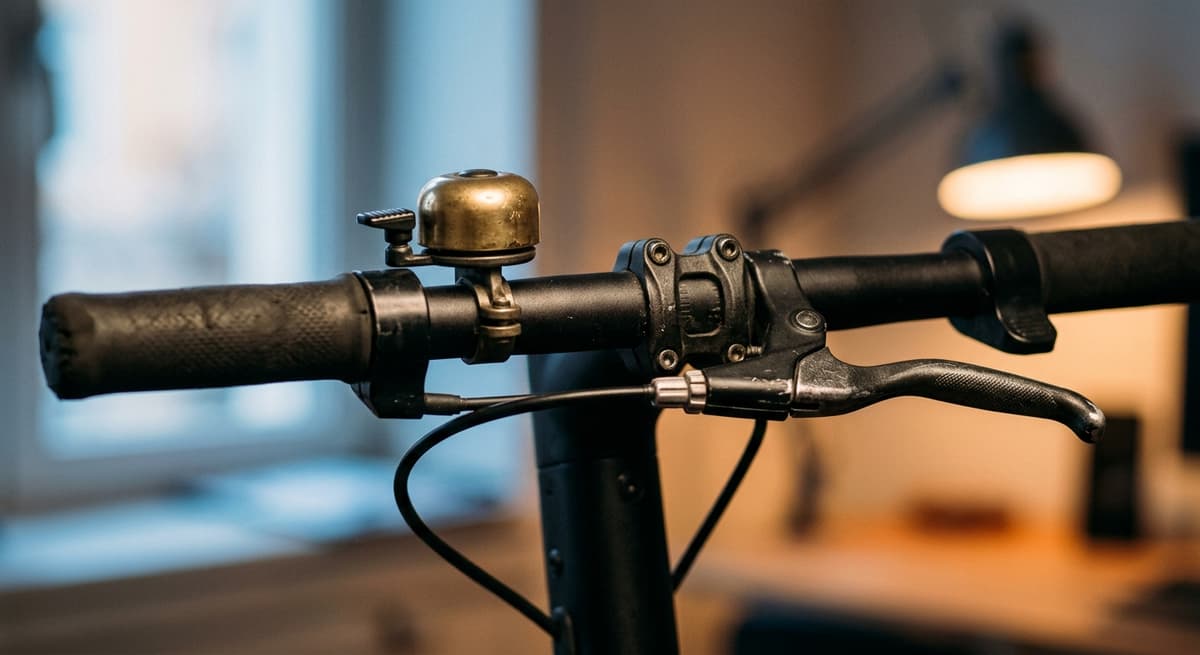
This is the central story for Ecuador. Regulation is structurally municipal by national-law design, not merely inconsistent in practice. Quito's Metropolitan Council passed a proposed ordinance through its first reading on May 26, 2026, which would require helmets, front and rear lights, reflective elements, and an audible device, prohibit riding while wearing headphones, and set fines around 25% of Ecuador's basic unified salary (roughly $120) for minor violations and 50% (roughly $241) for serious ones. The ordinance still needs to return to Quito's Mobility Commission for adjustment and a second, final debate, so it is proposed, not yet in force.
Guayaquil has taken a different, enforcement-first path: rather than a dedicated e-scooter ordinance, its ATM has intensified impoundment operations against unregistered electric scooters and similar devices under the general Article 160 registration rule, while the municipality is separately described in local reporting as needing to issue its own micromobility ordinance.
For a comparison outside the region, see our guide to US e-scooter laws, and our global e-scooter law guide for the full country picture.
Frequently Asked Questions
Are e-scooters legal in Ecuador?
There is no single national answer. Ecuador's national transit law hands e-scooter regulation to individual city governments, so whether one is legal, and under what rules, depends on your specific municipality.
Why doesn't Ecuador have a national e-scooter law?
The national transit law itself delegates micromobility regulation to decentralized local governments (GADs). Ecuador's national transit agency (ANT) has confirmed this is a structural delegation, not an oversight, and is still drafting broader implementing rules.
Can Guayaquil police seize my e-scooter?
Guayaquil's transit authority has been impounding unregistered electric scooters and similar devices under a general vehicle-registration rule (Article 160), even though there is no e-scooter-specific national law.
Is Quito getting a specific e-scooter law?
A proposed ordinance passed its first reading in Quito's Metropolitan Council on May 26, 2026, covering helmets, lighting, and fines, but it still needs a second, final debate before it takes effect.
Do I need a helmet to ride an e-scooter in Ecuador?
There is no confirmed national helmet requirement. Quito's proposed (not yet final) ordinance would require one; other cities may or may not.
Updates
Independently fact-checked against the cited primary sources
Sources and References
- El Universo, las motos eléctricas y los scooters tendrán una regulación en Ecuador(eluniverso.com)
- El Universo, a gobiernos locales les corresponde regular circulación de transportes de micromovilidad, según ANT(eluniverso.com)
- Youtopia Ecuador, Quito debate ordenanza para regular scooters y bicicletas eléctricas(youtopiaecuador.com)
- Primicias, retención de scooters, tricimotos y otros vehículos eléctricos en operativos de la ATM en Guayaquil(primicias.ec)