Portugal E-Scooter Laws: Bicycle Rules and Seizure Sweeps (2026)
Independently fact-checked against primary sources (last audited July 23, 2026). · 1 primary source cited on this page. How we verify our legal content
This article is general information about e-scooter (e-scooter, trotinete eletrica) law and is not legal advice. For a specific fine, seizure, or insurance question, consult a Portuguese advogado or the ANSR website directly. Information last verified on 23 July 2026.
Are e-scooters legal in Portugal?
Yes, for a compliant device. Article 112 of the Codigo da Estrada, published by ANSR (Autoridade Nacional de Seguranca Rodoviaria), Portugal's National Road Safety Authority, equates e-scooters and similar self-balancing or motorized devices to velocipedes (the bicycle category) when the motor does not exceed 0.25kW of continuous power and the device does not reach a maximum speed above 25km/h on level ground. Ridden within those limits, an e-scooter is legal under the same rules that apply to a bicycle.
A device that exceeds either threshold is a different matter entirely. Article 112 states plainly that riding one draws a fine of 60 to 300 euros, and the vehicle is seized on the spot. This is the enforcement hook that matters most in practice, covered in more detail below.
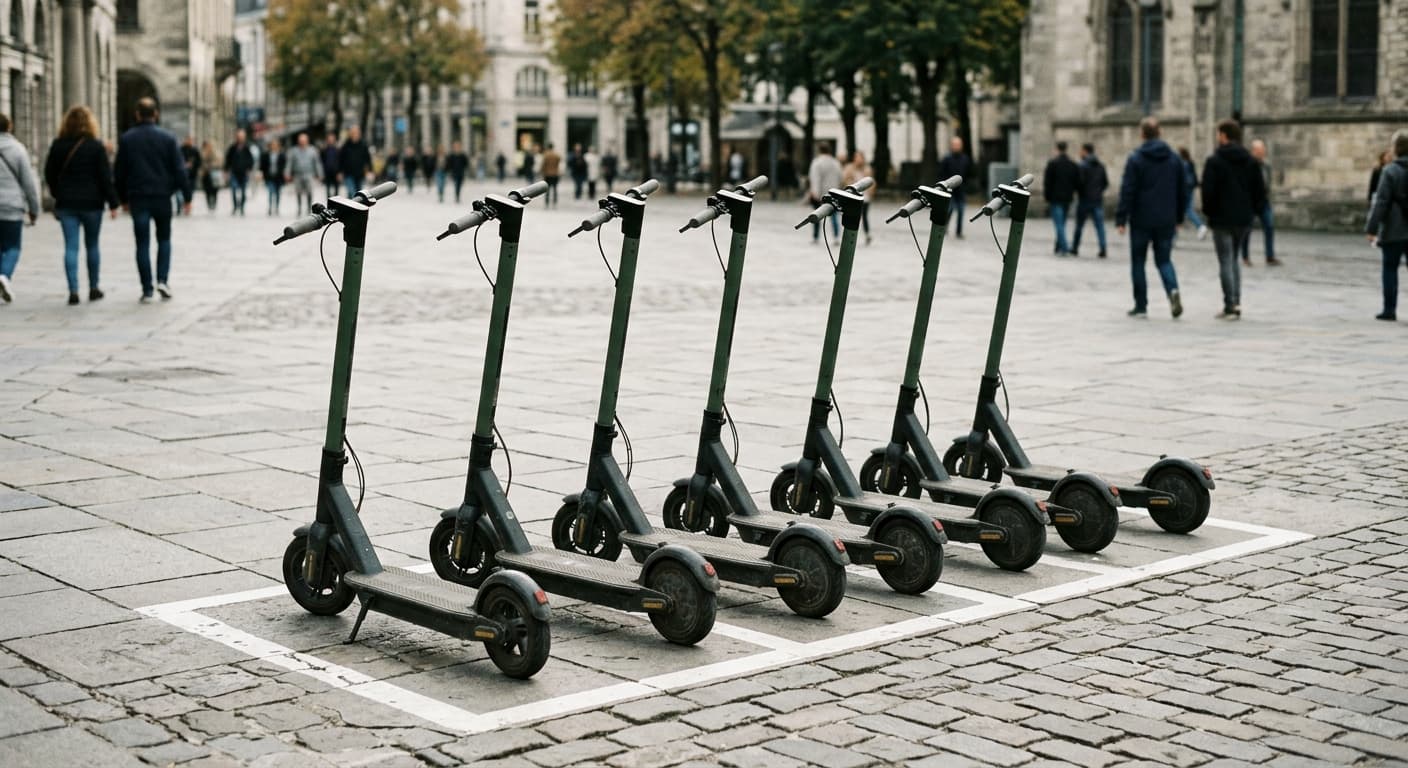
Rental e-scooters from operators such as Bolt and Lime, active in Lisbon and Porto, fall under the same bicycle-equivalent framework as privately owned devices. Portugal does not appear to have a separate rental-specific legal category.
What counts as an e-scooter here
The technical line is set entirely by Article 112.3(b): a motor with maximum continuous power no greater than 0.25kW, and a maximum design speed no greater than 25km/h. Meet both, and the device is a velocipede. Exceed either one, and the device falls outside that protection.

The official text is silent on device dimensions, wheel size, or other physical specifications beyond the power and speed figures.
Where you can ride
Because a compliant e-scooter is legally a bicycle, general bicycle infrastructure rules apply: a cycle lane or cycle path where one exists, and the roadway where none does. Article 112 itself does not spell out sidewalk rules for e-scooters specifically.
Multiple Portuguese consumer and driving-law sources report that a general bicycle rule allowing children age 10 and under to ride on the sidewalk also extends to e-scooters. That detail is corroborated across several aligned secondary sources but was not directly quoted from the primary statutory text this session, so treat it as a well-supported lead rather than a fully verified citation.
Rider rules
Age and helmet. The Article 112 text itself sets no minimum age and no mandatory helmet requirement for e-scooters. Poligrafo, a Portuguese fact-checking outlet, and PRP, the country's road-safety association, both corroborate that no such rule currently exists in Portuguese law. This is a genuinely permissive gap compared with several other countries in this guide, not an oversight in reporting.
Insurance. Multiple Portuguese insurance-industry sources report that Decree-Law 26/2025 introduced a mandatory civil-liability insurance requirement for personal mobility devices that exceed 25km/h, or that exceed 25kg and 14km/h, effective 20 June 2025, with fines reported between 250 and 1,250 euros for non-compliance. Direct attempts to open the official gazette text (dre.pt and pgdlisboa.pt) were blocked this session by a JS-rendering requirement and a connection reset, so this insurance mandate should be treated as reported by industry sources, not confirmed against the primary legal text. Anyone relying on this rule for a specific device should check the current text of Decree-Law 26/2025 directly before assuming it applies.
Penalties
| Situation | Consequence |
|---|---|
| Device within 0.25kW / 25km/h | No fine; treated as a bicycle |
| Device exceeds 0.25kW or 25km/h | Fine of 60 to 300 euros, plus immediate seizure |
| Faster/heavier PMD without insurance (reported, Decree-Law 26/2025, unverified against primary text) | Reported fine of 250 to 1,250 euros |
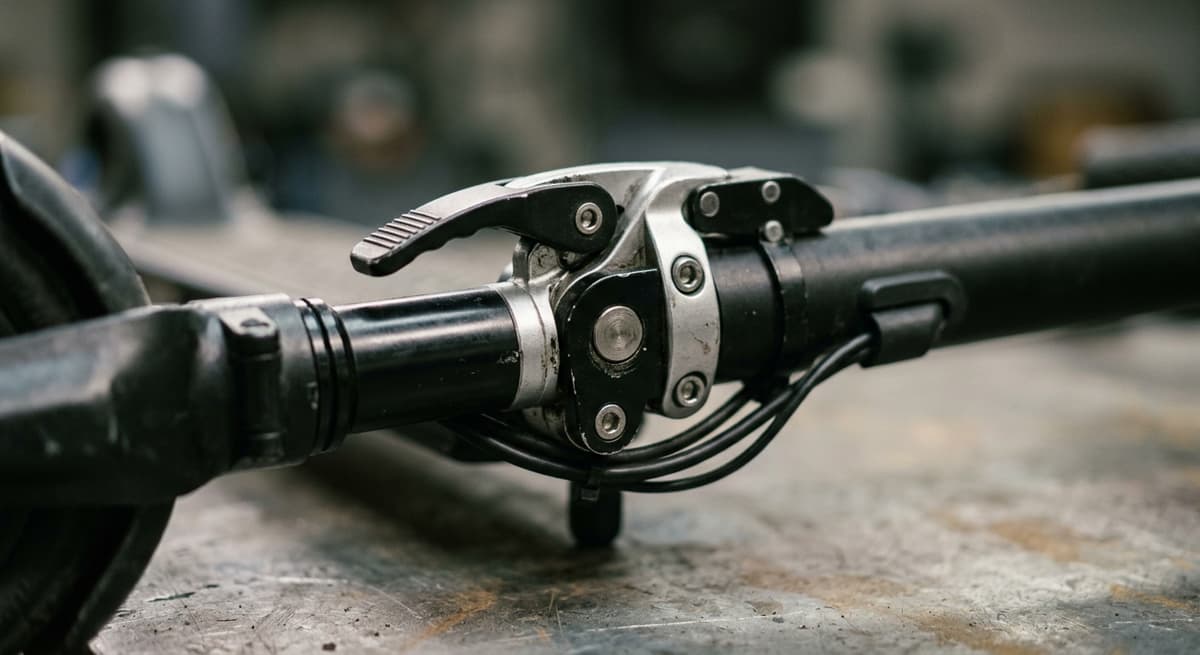
The seizure consequence for a non-compliant device is not discretionary under Article 112.7: the text states the vehicle "e apreendido de imediato," seized immediately.
Enforcement in practice
PSP does not appear to run routine stops targeting riders on compliant e-scooters, since there is no age or helmet rule to enforce against them in the first place. Enforcement attention instead concentrates on tuned or overpowered devices, with periodic seizure sweeps reported by Portuguese consumer and technology outlets.
This enforcement pattern does not change the underlying legal position. A device that exceeds the power or speed threshold is unlawful to ride regardless of how often, or rarely, a given area sees an enforcement sweep.
Legal history and what may change
Decree-Law 26/2025 is reported to have added an insurance mandate for faster and heavier personal mobility devices from 20 June 2025, a meaningful change if confirmed, since Article 112 itself imposes no insurance requirement on a standard 0.25kW/25km/h e-scooter. Because the primary gazette text could not be opened this session, this article treats that insurance rule as a reported development rather than a settled fact, and flags it for direct confirmation before anyone relies on the specific euro figures above.

For how a neighboring country handles the same technology, see the world e-scooter law guide for a full country comparison.
Frequently Asked Questions
Are e-scooters legal in Portugal?
Yes. Article 112 of the Codigo da Estrada treats an e-scooter with a motor up to 0.25kW and a top speed up to 25km/h as legally equivalent to a bicycle. A scooter that exceeds either limit is not covered by this rule and can be fined and seized.
Is there a minimum age to ride an e-scooter in Portugal?
The Codigo da Estrada does not set one for a compliant e-scooter. This is corroborated by Portuguese fact-checking and road-safety sources, though it was not independently confirmed against a separate statutory article this session.
Do I need a helmet to ride an e-scooter in Portugal?
No. Current Portuguese law sets no mandatory helmet requirement for e-scooters, according to Article 112 and corroborating Portuguese sources.
What happens if my e-scooter goes faster than 25km/h?
It is no longer treated as a bicycle-equivalent device under Article 112. Riding it can draw a fine of 60 to 300 euros, and the device is seized immediately.
Do I need insurance for an e-scooter in Portugal?
Portuguese insurance-industry sources report that Decree-Law 26/2025 introduced a mandatory civil-liability insurance requirement, effective 20 June 2025, for personal mobility devices faster than 25km/h or heavier and faster than 25kg/14km/h. This could not be confirmed against the official gazette text this session, so check the current Decree-Law 26/2025 text directly before relying on it.
Are rental e-scooters like Bolt and Lime legal in Lisbon and Porto?
Yes. Rental e-scooter schemes operate under the same bicycle-equivalent framework that applies to privately owned devices under Article 112.
Updates
Independently fact-checked against the cited primary sources
Sources and References
- ANSR (Autoridade Nacional de Seguranca Rodoviaria), official portal: Codigo da Estrada, Article 112 (Velocipedes), the provision equating e-scooters up to 0.25kW/25km/h to bicycles and setting the fine and seizure rule for non-compliant devices(segurancarodoviaria.pt).gov
- Poligrafo (Portuguese fact-checking outlet): explainer on e-scooter rules confirming no minimum age or mandatory helmet exists under current law(poligrafo.sapo.pt)
- PRP (Prevencao Rodoviaria Portuguesa, Portuguese road-safety association): guidance on where e-scooters may be ridden and bicycle-equivalent treatment(prp.pt)
- Alfa Seguros (Portuguese insurer): consumer explainer on Decree-Law 26/2025 and the reported civil-liability insurance mandate for faster personal mobility devices, effective 20 June 2025(alfa.pt)
- 4gnews (Portuguese technology/consumer news outlet): coverage of PSP seizure operations targeting tuned and overpowered e-scooters(4gnews.pt)