Togo E-Scooter Laws: No Cyclomoteur Exemption for Electric Motors (2026)
This article is general information about e-scooter laws in Togo and is not legal advice. The vehicle-category gap this article describes could be resolved differently by an implementing text not located in this research, so confirm current requirements with a Togolese lawyer or the Direction des Transports Routiers before importing or riding an e-scooter. Information last verified on 23 July 2026.
Are e-scooters legal in Togo?
Togo's traffic law is Loi n2013-011 du 7 juin 2013 portant Code de la Route, adopted by the Assemblee Nationale and currently in force. Article premier sets its scope: the code applies to all vehicules and engins registered in Togo, to their drivers and passengers, and to all road users regardless of nationality.
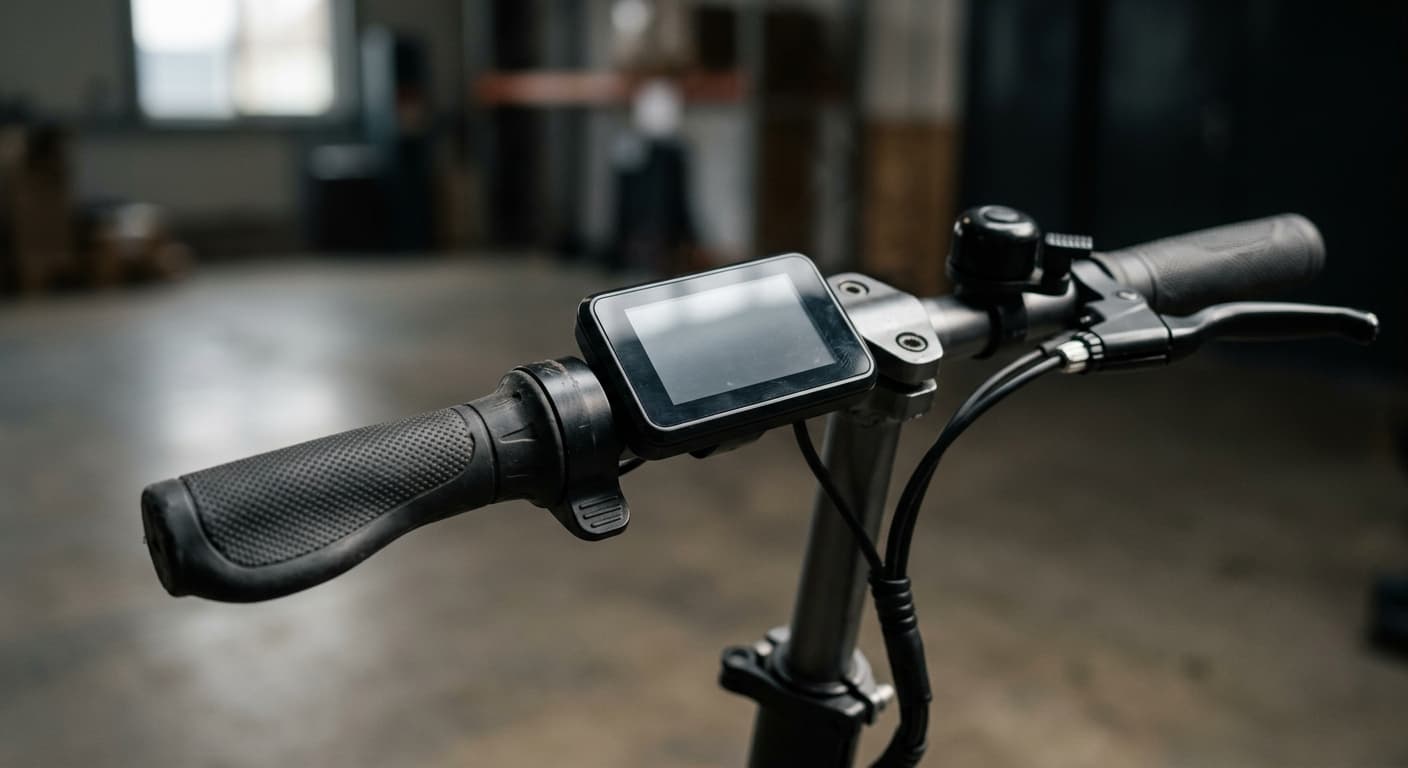
The code does not name electric scooters, kick scooters, or personal mobility devices anywhere in its text. It does, however, define every vehicle category it regulates in its opening definitions article, and those definitions are the mechanism that decides where an e-scooter lands. None of the three categories built for powered two-wheelers, cyclomoteur, velomoteur, and motocycle, can apply to a battery-electric device, because each one is defined solely by combustion-engine displacement. That does not make an e-scooter unregulated; it pushes it into the code's general motor-vehicle definitions instead, described below. Absence of a scooter-specific rule is not the same as permission to ride freely, since the general vehicle rules still apply.
What counts as an e-scooter here
Article premier's definitions are explicit and cc-based. A cyclomoteur is "tout vehicule a deux (2) roues pourvu d'un moteur dont la cylindree ne depasse pas 50 cm3", a two-wheeled vehicle with a motor whose displacement does not exceed 50 cubic centimeters. A velomoteur is the same but with displacement above 50 and up to 125 cm3, and a motocycle is anything above 125 cm3. All three definitions are written around a cylindree figure, meaning an engine displacement, which an electric motor simply does not have.
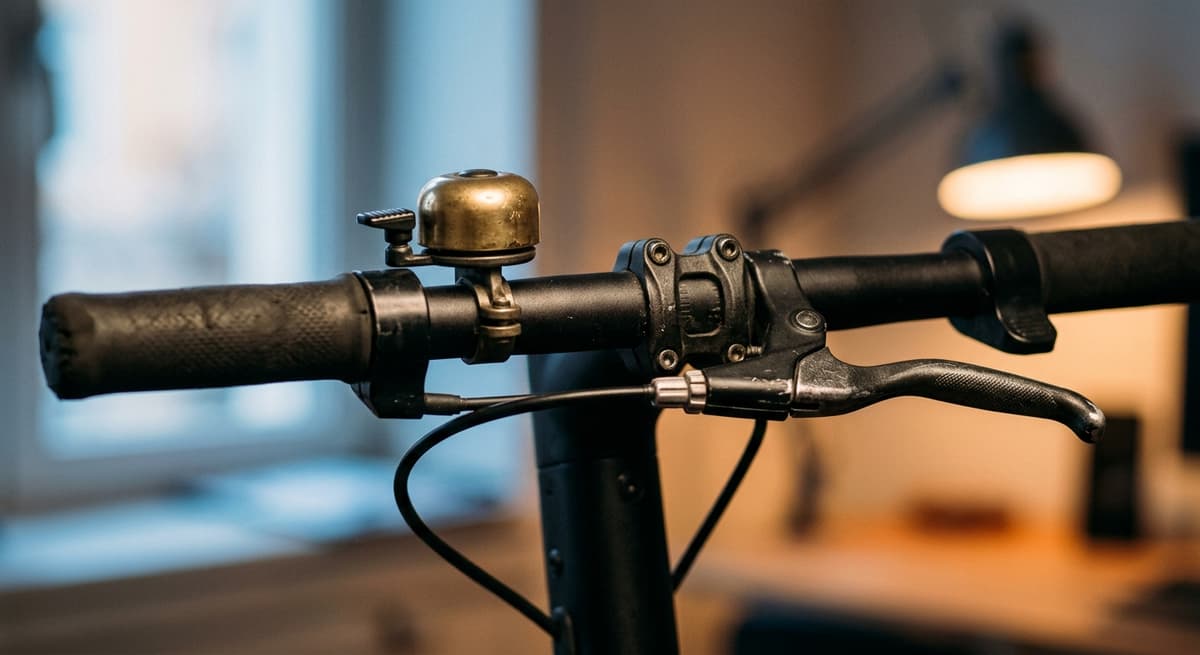
The code's unmotorized cycle category will not rescue an e-scooter either. It is defined as "tout vehicule a deux (2), trois (3) ou quatre (4) roues non pourvu de moteur", any two, three, or four-wheeled vehicle not fitted with a motor. An e-scooter has a motor, so it is excluded from this tier on the same clause that would otherwise make it the lightest possible category.
What is left are two general, power-neutral definitions. A "vehicule terrestre a moteur" is "un vehicule dote d'un moteur destine a le mouvoir sur le sol et capable de transporter des personnes ou des charges", a vehicle equipped with a motor intended to move it on the ground and capable of carrying people or loads, with no combustion or displacement qualifier. A "vehicule automobile" is defined the same way, a vehicle with a motor that moves it under its own power and normally serves to transport people or goods. An electric scooter satisfies both definitions in plain reading. That is the mechanism this page's classification rests on: not a rule written for e-scooters, but a catch-all written for any motorized vehicle that lands on a device the specific two-wheeler tiers were not built to cover.
Where you can ride
The text of the code reached in this research does not include a specific lane-use, cycle-path, or sidewalk provision for cyclomoteurs, velomoteurs, or the general motor-vehicle category. It defines chaussee (the roadway), accotements (shoulders), and trottoirs (sidewalks) as terms but does not state, in the articles located, which of them a given vehicle class may use. Detailed lane and right-of-way rules may exist in a separate implementing text that was not located in this pass; none should be assumed.
Rider rules
Because an e-scooter falls under the general vehicule a moteur definition rather than a specific cyclomoteur tier, the licence requirement in Article 9 applies to it in principle: a driving licence covering the category of vehicle used is required to drive a vehicule a moteur. The code does not define a licence category that matches a device that is neither a cycle nor a cc-rated moped, so there is no confirmed, named licence class for e-scooters specifically. This is a gap in the text rather than a stated exemption, and it should not be read as meaning no licence is required.
Article 22 is clearer and does not depend on the vehicle-category question: "le port du casque pour les usagers des engins a deux (2) roues est obligatoire", helmet use is mandatory for users of two-wheeled devices. This phrase uses "engins", a broader term than the code's own defined "vehicules", and is not conditioned on cylindree, so it reaches an e-scooter rider regardless of how the licence and registration questions are ultimately resolved.
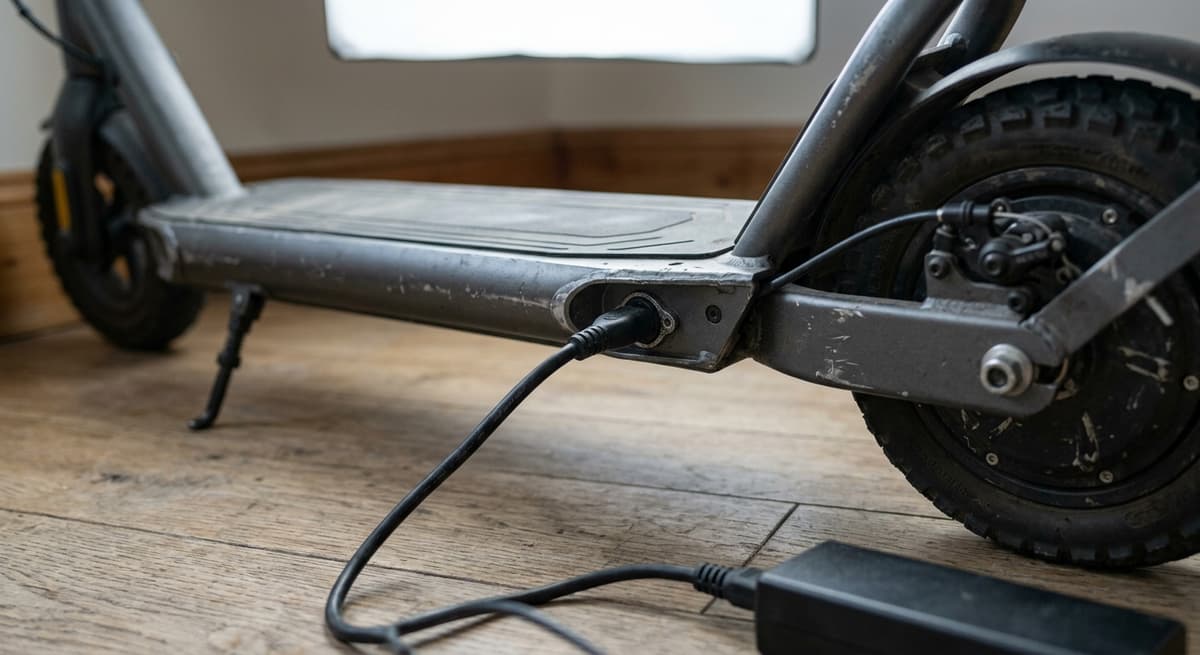
No registration or insurance provision specific to e-scooters was located. Article premier's general statement that the code applies to "vehicules et engins immatricules", registered vehicles and devices, implies registration is expected for motorized devices generally, but the code text reached in this research does not set out which categories are actually subject to registration in practice; that detail may sit in a separate regulatory text.
Penalties
The code sets penalties by article and offence category rather than a single universal fine. Driving a vehicule a moteur without a licence valid for its category, once that category is established, would fall under the code's licence-offence provisions. Riding without the mandatory helmet under Article 22 is a distinct offence from a licence violation and is enforced separately. This research did not locate a penalty schedule specific to an unregistered or unlicensed e-scooter, since the code does not name the device; any penalty would depend on how an enforcing officer classifies the device under the general vehicule a moteur definition.
Enforcement in practice
No enforcement data, incident reports, or e-scooter rental-operator presence were found for Lome in this research. That absence does not indicate the device is tolerated or permitted; it means no information exists either way, and it does not change the legal position described above. Enforcement patterns, whatever they turn out to be, are not permission.

Frequently Asked Questions
Are electric scooters legal to ride in Togo?
Togo's Code de la Route does not name e-scooters. Because its cyclomoteur, velomoteur, and motocycle categories are all defined by combustion-engine displacement, an electric scooter does not fit any of them and instead falls under the code's general, power-neutral definition of a motor vehicle, which carries its own licence and registration expectations rather than a lighter moped-style exemption.
Do I need a driving licence for an e-scooter in Togo?
The code requires a licence valid for the category of vehicle used whenever a vehicule a moteur is driven, and an e-scooter meets that general definition. No licence category written specifically for e-scooters was found, which is a gap in the text rather than a stated exemption.
Is a helmet required on an e-scooter in Togo?
Yes. Article 22 requires helmet use for usagers des engins a deux roues, users of two-wheeled devices, a power-neutral requirement that is not limited to combustion-engine vehicles.
What is a cyclomoteur under Togo's Code de la Route?
Article premier defines a cyclomoteur as a two-wheeled vehicle with a motor whose displacement does not exceed 50 cubic centimeters. The definition is written for a combustion engine and does not extend to an electric motor, which has no displacement figure.
Are rental e-scooters available in Lome?
No rental or share scheme was found operating in Lome in this research.
Sources and References
- Loi n2013-011 du 7 juin 2013 portant Code de la Route de la Republique Togolaise, Article premier (scope and definitions: cyclomoteur, velomoteur, motocycle, cycle, vehicule terrestre a moteur, vehicule automobile)(lqdd.org)
- Loi n2013-011 du 7 juin 2013, fiche technique (reference number, 29 articles, statut en vigueur, verified by the publisher 5 May 2026)(lqdd.org)
- Loi n2013-011, Article 9 (driving-licence category requirement) and Article 22 (mandatory helmet use for two-wheeled device users)(lqdd.org)
- Journal Officiel de la Republique Togolaise, official gazette portal (statute publication authority for Togolese law)(jo.gouv.tg).gov