Uruguay E-Scooter Laws: One Rulebook, 19 Departments, "Zero Control" (2026)
Independently fact-checked against primary sources (last audited July 23, 2026). · 1 primary source cited on this page. How we verify our legal content
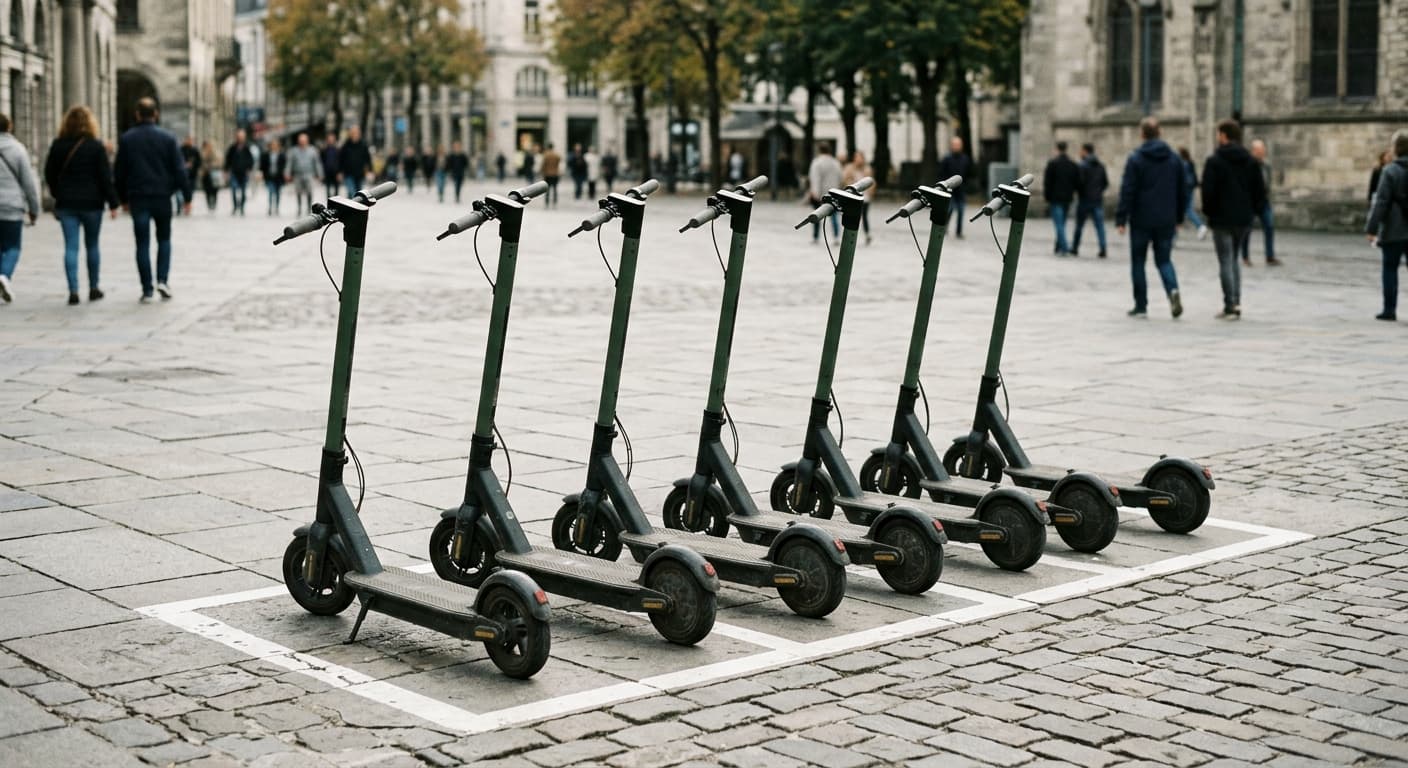
This article is general information about e-scooter laws in Uruguay and is not legal advice. If you are cited for a traffic violation or need advice for a specific situation, consult a Uruguayan traffic lawyer or your local Intendencia. Information last verified on 23 July 2026.
Are e-scooters legal in Uruguay?
Yes. Uruguay's Congreso de Intendentes, the national coordinating body of all 19 departmental governments, issued Circular N°05/20 on January 7, 2020, establishing a shared framework for vehículos de movilidad personal (VMP) and category-L vehicles, referencing MERCOSUR Resolution 60/19. Montevideo's own municipal decree, adopted December 13, 2019, predates and served as the template for the national circular.
Structurally, this is a coordination framework, not a single binding national statute. Article 6 of the circular lets each Intendencia legislate its own local exceptions. That is why Uruguay is classified as subnational-varies rather than a straightforward national law, even though the substantive rules riders actually encounter are close to identical from department to department, since each one adopted essentially the same text.
What counts as an e-scooter here
The 2020 framework groups standard e-scooters and Segway-type self-balancing platforms together, capped at 25 km/h, distinct from category-L vehicles (mopeds), which run up to 45 km/h for L6-type devices and up to 50 km/h for L1/L2-type devices. A standard e-scooter that exceeds 25 km/h falls outside the VMP category the rules below describe.
Where you can ride
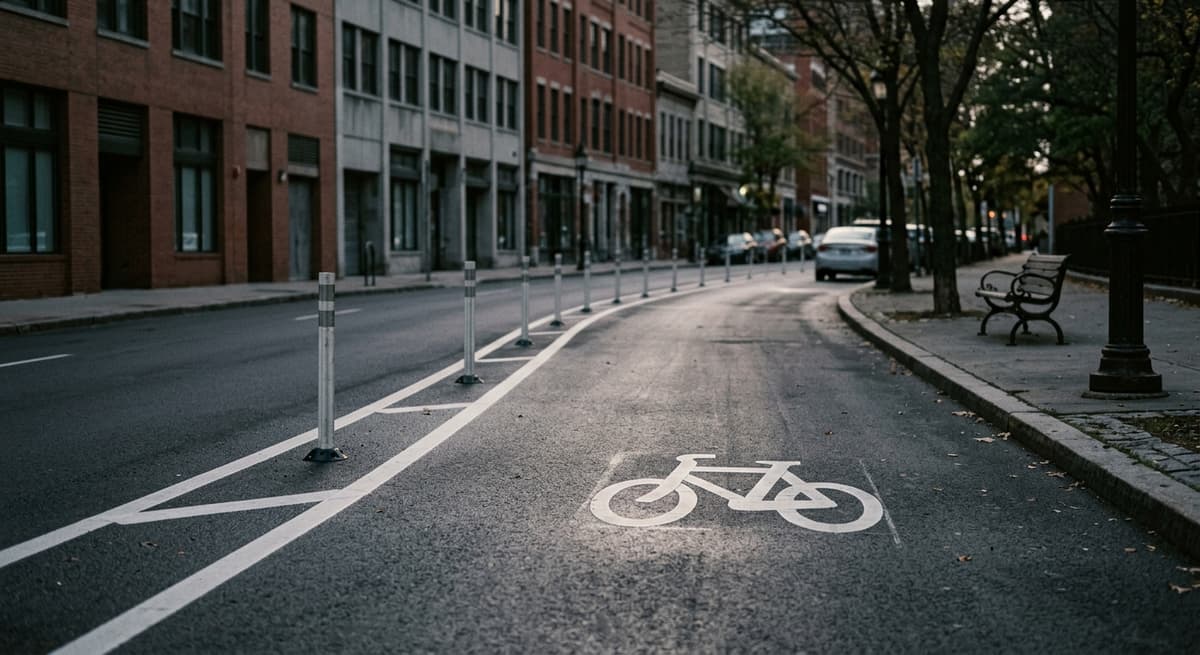
Riders must use the roadway (la calzada), except where dedicated bike infrastructure exists, in which case that infrastructure (bike lanes, cycleways, bus-bike lanes) must be used instead of the general roadway. Carrying a passenger for hire is prohibited on these devices, except on circuits an Intendencia specifically designates for that purpose.
Rider rules
- Minimum age: 16 or older for a standard, non-registrable VMP under the 2020 framework.
- Helmet: mandatory for all VMP users.
- Registration: not required for standard e-scooters under the current 2020 rules, since they fall under the "non-registrable vehicles" category the age rule above references.
- Passengers: prohibited on scooters, except on designated circuits.
Penalties
The primary source obtained for this research (Montevideo's own portal) did not include a specific fine schedule for VMP violations. Given the department-by-department adoption structure, a specific fine amount may vary by Intendencia; riders should check their local municipal traffic office for the current figure rather than assume a single national amount.
Enforcement in practice
Montevideo's own Intendencia has described the current situation in stark terms: "cero control" (zero control) over what local officials call an "explosión de monopatines," an explosion in scooter numbers and use, despite the department having one of the more detailed VMP rulebooks in the region already on paper since 2019. UNASEV, the national road-safety agency, has pushed the Congreso de Intendentes to update the 2020 rules, citing accident figures that reportedly rose from about 26 cases in 2020 to roughly 200 by 2025.
Enforcement patterns do not change the legal status of any rule. The fact that Montevideo describes its own enforcement as close to nonexistent does not mean the 16-and-over age rule, the helmet requirement, or the roadway-versus-bike-lane rule have lapsed; it means compliance with an unchanged rule is largely unpoliced today.
Local and regional variation
This is the headline story for Uruguay. Regulation is genuinely coordinated at the national level through the Congreso de Intendentes, but formally adopted department by department, with Montevideo as the first mover and reference template for the other 18 departments. This research did not find a confirmed case of a department that has not adopted some version of the 2020 circular, but that possibility was not exhaustively ruled out either.
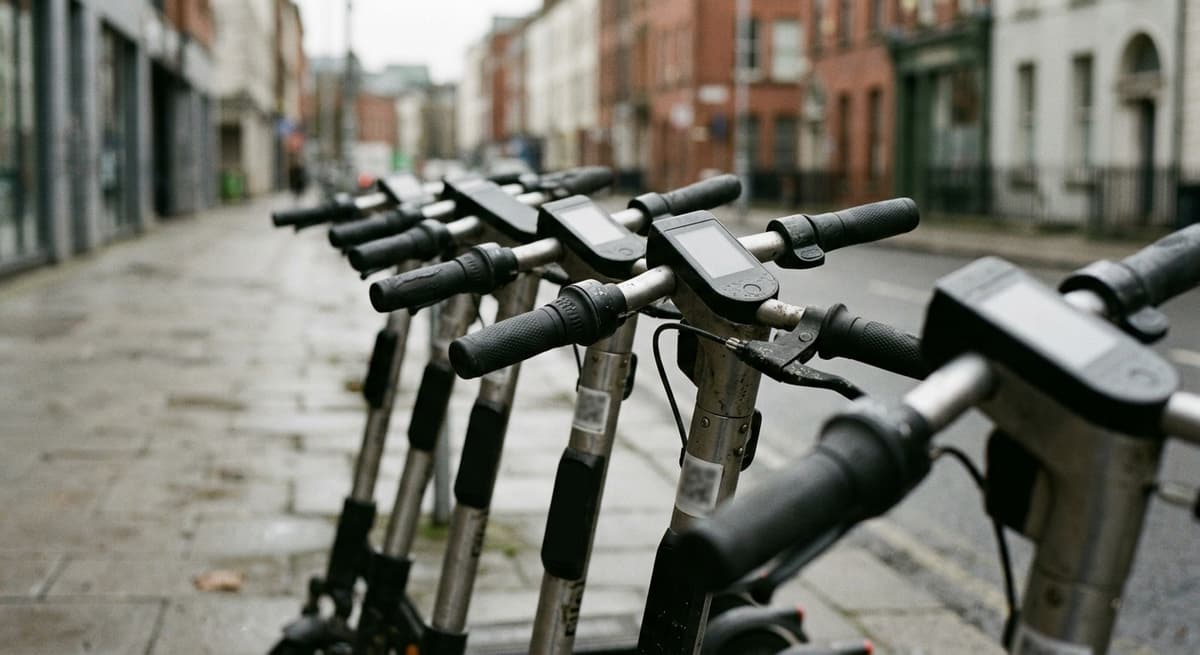
A revision is actively in progress. UNASEV has proposed a mandatory registration system tied to each scooter's import number and a training-course requirement, and, notably, a proposed speed ceiling of 50 km/h (up from the current 25 km/h), alongside a possible lower minimum age of 15 with age-differentiated riding zones. As of a May 2026 report, the Congreso de Intendentes wanted to vote on this update in June 2026, but this research found no confirmation that a vote actually occurred or that any revised rule has been formally adopted as of this writing.
For a comparison outside the region, see our guide to Spain's e-scooter laws, and our global e-scooter law guide for the full country picture.
Frequently Asked Questions
Are e-scooters legal in Uruguay?
Yes, coordinated nationally through a 2020 circular each of Uruguay's 19 departments adopts, with a 25 km/h cap, mandatory helmet, and a minimum age of 16.
Is there one national e-scooter law in Uruguay, or does it vary by department?
Technically it varies by department, since the rules come from a coordination circular each Intendencia formally adopts rather than one binding national statute. In practice the substantive rules are close to uniform, since every department adopted essentially the same text.
Why does Montevideo say it has "zero control" over scooters?
The Intendencia has used that phrase to describe day-to-day enforcement amid a reported explosion in scooter numbers, even though the department has had a detailed rulebook in place since 2019.
Is Uruguay changing its e-scooter speed limit?
A proposal under discussion by the Congreso de Intendentes would raise the cap from 25 km/h to 50 km/h and add electronic registration, but as of this writing this had not been confirmed as formally adopted.
Do I need to register my e-scooter in Uruguay?
Not under the current 2020 rules for a standard, non-registrable device. A proposed 2026 update would add a registration system, but it has not been confirmed adopted.
Updates
Independently fact-checked against the cited primary sources
Sources and References
- Intendencia de Montevideo, Congreso de Intendentes aprobó regulación de vehículos de movilidad personal(montevideo.gub.uy).gov
- El Observador, la junta aprobó el decreto que fija por dónde circular en monopatín(elobservador.com.uy)
- En Perspectiva (Radiomundo), Congreso de Intendentes se propone aprobar en junio una reglamentación nacional para monopatines eléctricos(enperspectiva.uy)
- Radio Montecarlo, regulación de monopatines: Unasev plantea edad mínima para utilizarlos y registro(radiomontecarlo.com.uy)