Uganda E-Scooter Laws: No Category, Vehicle Rules Apply (2026)
Independently fact-checked against primary sources (last audited July 23, 2026). · 4 primary sources cited on this page. How we verify our legal content

This article is general information about e-scooter law in Uganda and is not legal advice. For a specific question about a device or a traffic stop, consult a Ugandan advocate or the Uganda Police Force directly. Information last verified on 23 July 2026.
Are e-scooters legal in Uganda?
There is no Ugandan law that bans e-scooters, and no Ugandan law that gives them a category of their own either. The Traffic and Road Safety Act, 1998 (Chapter 361), governs road vehicles generally, and it has never been amended to address powered personal mobility devices specifically. That gap is the whole story: the absence of a rule naming e-scooters does not mean e-scooters are simply, freely legal.
Section 2(1)(sss) of the Act defines "vehicle" as including "a machine or implement of any kind drawn or propelled along roads whether by animal, mechanical, electrical or any other motive power." That wording is broad enough to capture an e-scooter, and it is, word for word, identical to the definition used in Tanzania's Road Traffic Act, which is not a coincidence: both statutes descend from the same regional Commonwealth drafting template. Section 2(1)(oo) then defines "motor vehicle" as "any self propelled vehicle intended or adapted for use on the roads," and section 2(1)(nn) defines "motorcycle" as "a motor vehicle with less than four wheels, the unladen weight of which does not exceed 400 kilograms," the same threshold used across the region. A powered e-scooter fits that motorcycle definition without difficulty.
It does not fit the Act's "bicycle" definition under section 2(1)(c), which is limited to a vehicle with at least two wheels "propelled by means of pedals or hand cranks solely by the muscular energy of the person riding it." A throttle-driven e-scooter fails that muscular-propulsion test. So on a literal statutory reading, an e-scooter is not a bicycle, and it defaults toward the same category as a motorcycle instead, obligations included.
What counts as an e-scooter here
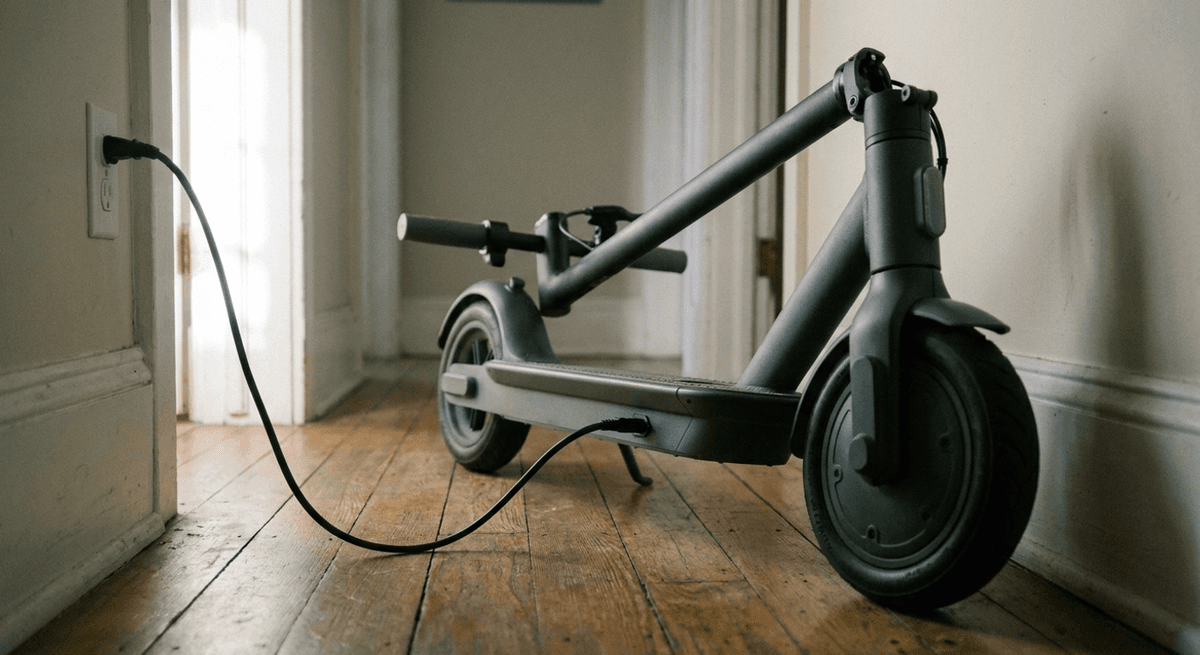
The Act has no separate device definition, and it does not even define "cycle" as a distinct term from "bicycle." Whether a device counts as a "motorcycle" depends entirely on the general definitions above: self-propelled, fewer than four wheels, unladen weight under 400 kilograms, a description nearly every consumer e-scooter satisfies.
Rider rules
On a literal reading, an e-scooter classed as a "motorcycle" would need to meet the Act's general motorcycle requirements, including registration and licensing of the rider. Search results suggest riders are informally advised to "check the latest rules with the Uganda Police Force," which implies verbal or informal guidance may exist beyond the Act's text, but no such document was locatable as a primary source this session.
Penalties
No e-scooter-specific penalty was located in the Act. Whatever general penalty structure applies to an unregistered or unlicensed motorcycle under the Traffic and Road Safety Act would apply on the same literal classification, but a scooter-specific figure was not found this session.
Enforcement in practice
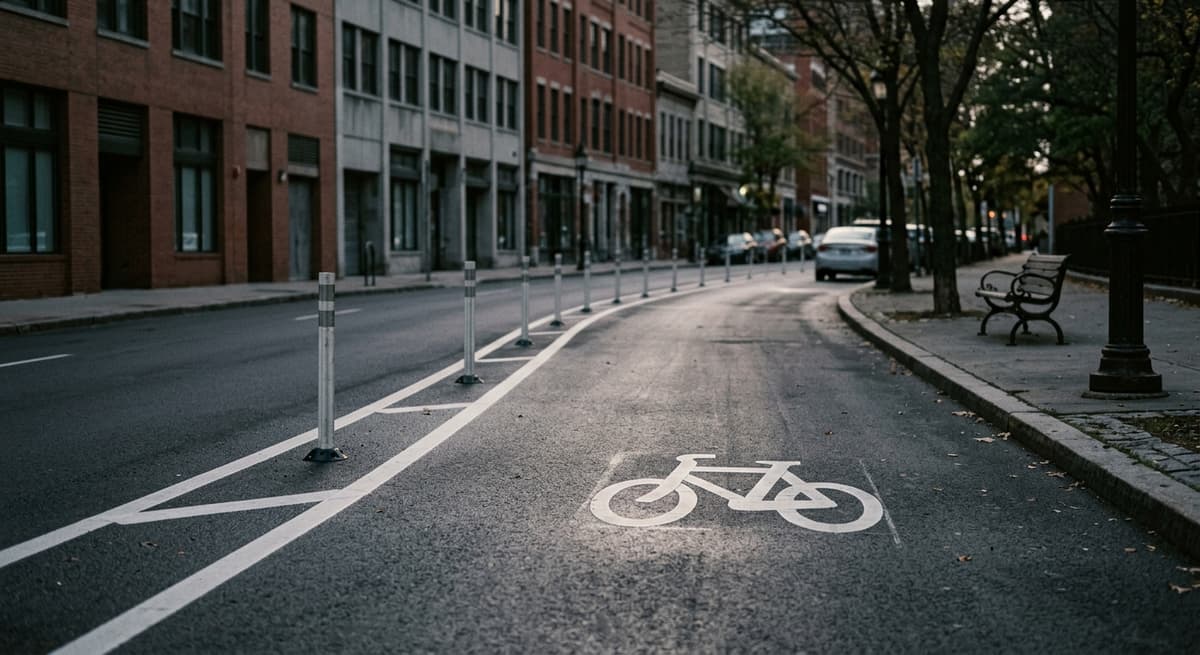
This is where Uganda's story differs slightly in tone from Kenya and Tanzania, even though the underlying statutory gap is the same. E-scooters sit in a regulatory gray area and are commonly treated similarly to bicycles in day-to-day practice, according to available reporting. But that common, practical treatment is not the same thing as the Act's own legal classification, which would technically sweep a motorized scooter into the broader "vehicle" and "motor vehicle" definitions rather than the pedal-only "bicycle" one.
That distinction matters. Being treated like a bicycle on the street does not mean a device legally is one, and the standing point for every country in this guide applies here too: enforcement patterns, however lenient, do not change what the statute itself provides, and are not permission.
Legal history and what may change
Whether the Uganda Police Force has issued any codified, publicly available guidance specifically on e-scooters, beyond the informal advice referenced in search results, was not confirmed this session. Anyone with a device-specific question should check directly with the Uganda Police Force rather than rely on the general statutory reading described here.
For how the same shared drafting lineage plays out in neighboring Kenya and Tanzania, see Kenya's e-scooter laws, or compare approaches worldwide at the world e-scooter law guide.
Frequently Asked Questions
Are e-scooters legal in Uganda?
They are not banned, but Uganda's Traffic and Road Safety Act has no dedicated e-scooter category. On a literal reading an e-scooter meets the Act's 'motorcycle' definition, though in day-to-day practice e-scooters are commonly treated more like bicycles.
Is an e-scooter legally a bicycle in Uganda?
No. The Act's 'bicycle' definition requires propulsion 'solely by the muscular energy of the person riding it,' which a motorized e-scooter does not meet, even though it is often treated similarly to a bicycle in practice.
Do I need to register an e-scooter in Uganda?
On a literal reading of the Act, an e-scooter falls under the 'motorcycle' definition, which would bring registration and licensing requirements with it. Informal guidance suggests riders should check current rules with the Uganda Police Force directly.
Is there e-scooter rental in Uganda?
No confirmed public e-scooter rental or share operator was found. Tugende, Zembo and Green Hub Kampala are electric-motorcycle-taxi asset-finance and battery-swap businesses, a different vehicle category from e-scooters.
Why does Uganda's traffic law read so similarly to Tanzania's?
Both the Ugandan Traffic and Road Safety Act and the Tanzanian Road Traffic Act use word-for-word identical 'vehicle' definitions and the same 400-kilogram motorcycle weight threshold, reflecting a shared East African Commonwealth drafting lineage rather than coincidence.
Updates
Independently fact-checked against the cited primary sources
Sources and References
- Traffic and Road Safety Act, 1998 (Chapter 361), Uganda Legal Information Institute (ULII), section 2(1) definitions of vehicle, motor vehicle, motorcycle and bicycle(ulii.org).gov
- Uganda Police Force, referenced for informal public guidance on e-scooter use where no codified rule was located(upf.go.ug).gov
- Uganda Legal Information Institute (ULII), official legal information portal hosting the Traffic and Road Safety Act text used throughout this article(ulii.org).gov
- Ministry of Works and Transport, Uganda, ministry overseeing national road transport policy(works.go.ug).gov