Vanuatu E-Scooter Laws: Electrical Power Named in the Act (2026)
This article is general information about e-scooter law in Vanuatu and is not legal advice. A Vanuatu-admitted lawyer or the Vanuatu Police Force can confirm the current position for your situation. Information last verified on 23 July 2026.
Are e-scooters legal in Vanuatu?
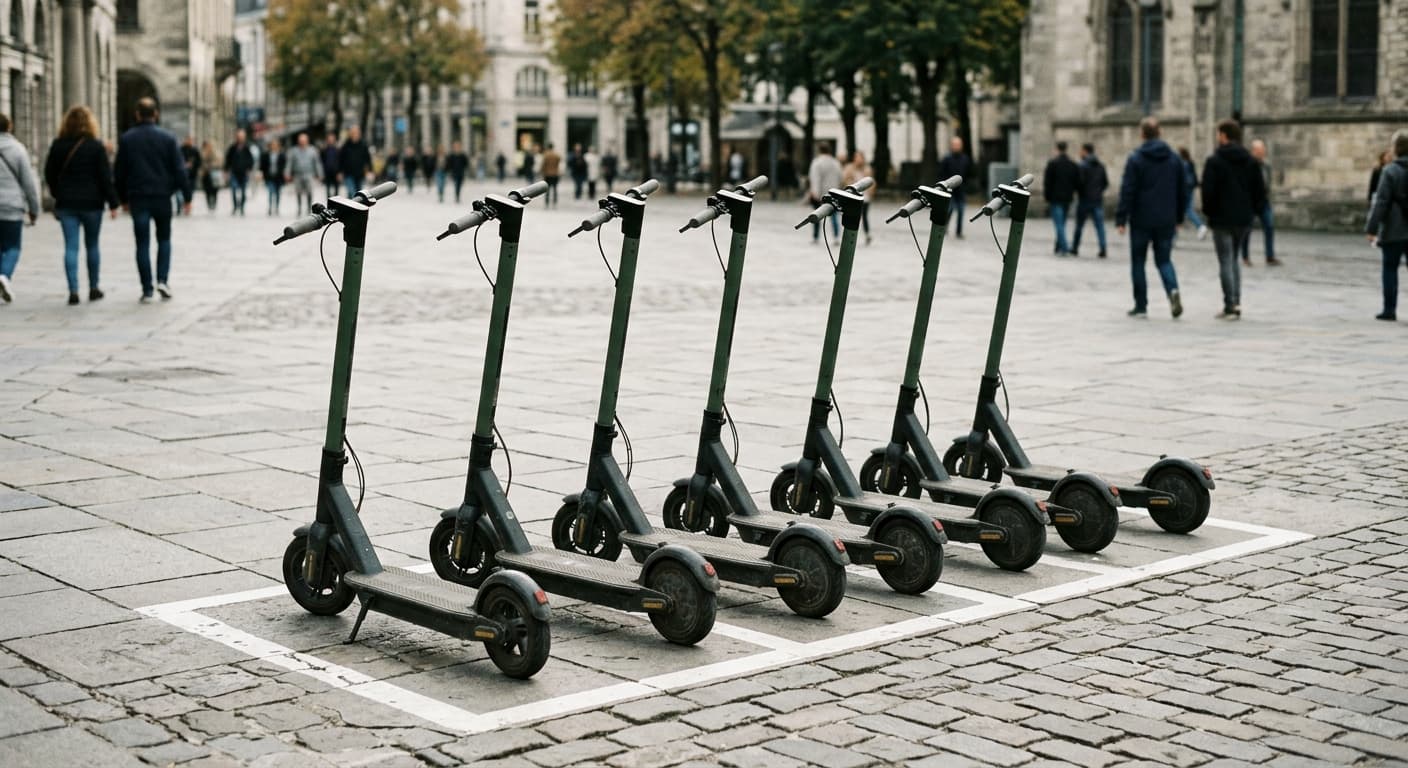
Vanuatu's Road Traffic (Control) Act [Cap. 29] produced the most direct finding in this research. Its Interpretation section defines "vehicle" as including "every type of wheeled transport including tractors," and then defines "motor vehicle" as including "every vehicle driven by automotive power, combustion engine or electrical power." Electrical power is named as its own explicit propulsion type, sitting alongside automotive power and a combustion engine, not folded into a vaguer phrase like "mechanically propelled" the way Brunei, Solomon Islands, and Papua New Guinea's statutes are drafted.
There is no PMD, wattage, or low-power exception anywhere in the Act to pull an e-scooter back out of that definition. Because the device runs on an onboard electric motor, it is a "motor vehicle" under Vanuatu law in the most literal sense the statute's drafters wrote. That is not the same as e-scooters being banned by name, since no provision mentions scooters at all, but it means a scooter is captured by the same rules written for cars, not left in a gap those rules do not reach.
What counts as an e-scooter here
The Act separately defines "motor bicycle" as "every 2 wheeled vehicle being driven by automotive power, combustion engine or electrical power but excluding manual power," a definition built for motorcycles and mopeds rather than a personal mobility device, with no lower device tier beneath it. There is no device-specific wattage or speed limit for e-scooters to check against.

Where you can ride
With registration, insurance, and licensing requirements attaching to anything meeting the "motor vehicle" definition, no source located for this article describes a lawful path to ride an unregistered, uninsured e-scooter on Vanuatu's roads, cycle paths, or sidewalks.
Rider rules
Three separate requirements apply once a device is a "motor vehicle" under the Act. Section 33 requires every owner of a newly imported motor vehicle to register it, with number plates fitted front and rear under s.26. Section 42 requires the driver of a motor vehicle to hold a driving licence. Section 41 requires compulsory third-party insurance.
A consumer e-scooter is not built to clear all three. There is no manufacturer process for obtaining third-party motor insurance on a personal kick-scooter the way there is for a car, which means the Act's own compliance path is not realistically available for one, rather than a scooter being somehow exempt from needing it.
Penalties
This research did not confirm specific fine or penalty amounts for operating an unregistered, uninsured, or unlicensed motor vehicle under the Act, so none is stated here. A separate law, the Public Roads Act No. 35 of 2013, was identified during research as potentially relevant but was not opened this session, so it is flagged rather than described.
Enforcement in practice
No enforcement data, whether citation counts, seizures, or reported incidents, specific to e-scooters was found for Vanuatu. That absence does not change the legal position described above and is not evidence that riding one is permitted. For how New Zealand handles e-scooters by comparison, see New Zealand's e-scooter laws.

Frequently Asked Questions
Are electric scooters legal in Vanuatu?
Vanuatu's Road Traffic (Control) Act names 'electrical power' directly as one of the propulsion types that makes a device a 'motor vehicle.' A standing e-scooter fits that definition, which brings registration, licensing, and compulsory insurance requirements rather than leaving it unregulated.
Why is Vanuatu's law described as the clearest sweep-in in the region?
Because it names 'electrical power' explicitly in its motor vehicle definition, rather than relying on a broader phrase like 'mechanically propelled,' which is how Brunei, Solomon Islands, and Papua New Guinea's statutes are worded.
Do I need insurance for an e-scooter in Vanuatu?
Under s.41 of the Act, compulsory third-party insurance applies to anything meeting the 'motor vehicle' definition, which includes an electrically powered scooter. No consumer e-scooter has a practical path to obtaining that insurance.
Do I need to register an e-scooter in Vanuatu?
Yes, in principle. Section 33 requires the owner of a newly imported motor vehicle to register it, and a battery-powered scooter falls inside that definition.
Is there an e-scooter rental scheme in Vanuatu?
No rental e-scooter scheme was found operating in Vanuatu in this research.
How is this enforced in Vanuatu in practice?
No enforcement data specific to e-scooters was found. That gap does not indicate the rules do not apply.
Sources and References
- Road Traffic (Control) Act [Cap. 29], Consolidated Edition 2006, s.2 Interpretation, 'motor vehicle' definition naming automotive power, combustion engine, and electrical power(customsinlandrevenue.gov.vu).gov
- Road Traffic (Control) Act [Cap. 29], s.2, 'motor bicycle' and 'vehicle' definitions(customsinlandrevenue.gov.vu).gov
- Road Traffic (Control) Act [Cap. 29], s.33 registration of motor vehicle and s.26 number plate requirement(customsinlandrevenue.gov.vu).gov
- Road Traffic (Control) Act [Cap. 29], s.41 compulsory third party insurance and s.42 driving licence requirement(customsinlandrevenue.gov.vu).gov