Criminal Law & Records by Country (2026 Guide)
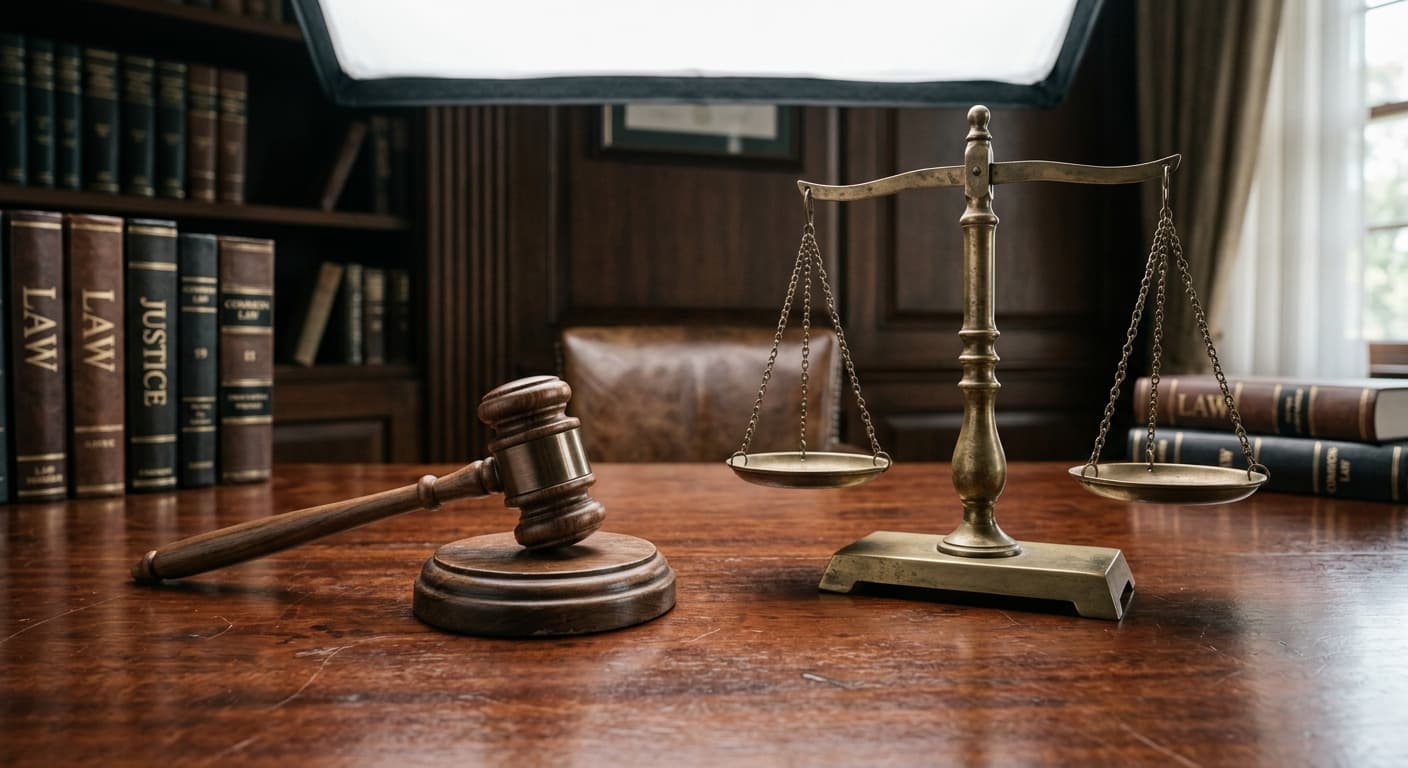
Every country punishes crime, but the path from an arrest to a criminal record looks different depending on where you are. Some systems are built around two sides arguing in front of a neutral judge. Others center the investigation on a prosecutor or an investigating judge who gathers the evidence before anyone reaches a courtroom. Both traditions protect a set of basic rights, but they draw the lines in different places.
This hub compares those patterns across the countries we cover so far: Canada, the United Kingdom, France, Germany, Italy, Belgium, Spain, the Netherlands, and Austria. It looks at arrest and detention rights, how a criminal complaint gets a case moving, how criminal records are structured and who can see them, and how (or whether) a record can be cleared later. If you are researching a US record instead, see our guide to expungement and record sealing.
Two Legal Traditions, One Basic Promise
Most of the countries on this hub fall into one of two broad families. Common-law systems, rooted in English legal history, put the state and the defendant on opposite sides of an adversarial trial, with a judge or jury deciding the outcome based on evidence each side presents. Civil-law systems, more common across continental Europe, are often described as inquisitorial: a prosecutor or an investigating judge takes the lead in gathering evidence, questioning witnesses, and building a case file before a trial ever begins.
Neither model is more or less protective in principle. Both are built to establish guilt beyond a reasonable doubt and both answer to international human rights standards. The practical difference shows up earlier in the process, in who is asking the questions and how a case file gets assembled before anyone sees a courtroom.
Rights When You Are Arrested or Detained
Every country covered here recognizes a right to know why you are being held and a right to legal assistance during police custody. What differs is the mechanics: how quickly a lawyer must be made available, whether police can question a suspect before that lawyer arrives, and how long someone can be held before a prosecutor or judge must review the detention.
Across the European Union, several of these protections have been harmonized through directives that require member states to guarantee a minimum floor: the right to interpretation, the right to be informed of the accusation, and the right of access to a lawyer during criminal proceedings. That harmonization narrows some of the gaps between EU member states, though each country still implements the rules through its own domestic procedure and timelines.
Most of these countries also fund some form of legal aid for people who cannot afford a lawyer, particularly once a case carries real exposure to prison time. Eligibility is typically means-tested against income and assets, and coverage can differ between advice at the police station and full representation at trial. A state-funded lawyer is not automatic in every case or at every stage, so the specific eligibility rules are worth confirming for the country and offense involved rather than assumed across the board.
Reporting a Crime and the Role of the Complaint
In nearly every system, a criminal case starts with a report to the police or, in some civil-law countries, a formal complaint filed with a prosecutor's office. From there, the two traditions diverge again. In a common-law country, police typically investigate and then hand the file to a prosecutor who decides whether to charge. In many civil-law countries, a prosecutor or investigating judge can direct the investigation itself, deciding what evidence to pursue before the case is formally closed.
Victims generally have some right to be kept informed of the case status, though the depth of that right (whether a victim can formally join the proceedings, for example) varies by country and by the type of offense.
How Criminal Records Work and Who Can See Them
A criminal record is not a single public document in most of these countries. It is more common to see tiered disclosure: a basic check that an ordinary employer or landlord might request, and an enhanced or higher-level check reserved for roles involving children, vulnerable adults, law enforcement, or government security clearance. What shows up on each tier, and who is legally allowed to request it, is set by domestic law rather than by any single international standard.
Within the European Union, criminal record information can also be exchanged between member states through the European Criminal Records Information System (ECRIS), which lets one country's courts and authorities check whether a person has convictions recorded elsewhere in the EU. That system is an information-sharing mechanism between governments, not a public lookup tool.
Clearing or Sealing a Record Over Time
Most of the countries on this hub have some version of a rehabilitation period: a length of time after a sentence is completed, without reoffending, after which a conviction is treated as "spent" for most everyday purposes, such as job applications. A spent conviction usually does not have to be disclosed to an ordinary employer, even though it may still exist in official records and may still surface on an enhanced check tied to sensitive work.
This is a different concept from full expungement or erasure, where a record is formally deleted or sealed by court order rather than simply aging off standard disclosure. Which approach a country uses, and how long rehabilitation takes, depends entirely on that country's own law, which is why we cover it in each country-specific guide rather than generalizing a timeline here.
Self-Defense and Everyday Criminal Law
Every legal system recognizes some right to defend yourself, your home, or another person from imminent harm. The dividing lines are around proportionality (how much force is considered justified relative to the threat) and, in some countries, whether a person has a duty to retreat before using force when retreat is safely possible. These doctrines sit inside each country's broader criminal code and are shaped as much by court decisions applying the law as by the text of the law itself.
Criminal law and records by country
Explore the full guide for each country we cover. Every country page cites its own primary legislation and is kept up to date.
Europe
- UK Criminal Law and Your Rights: England, Scotland & NI
- French Criminal Law and Justice: Procedure, Rights and Records
- German Criminal Law: Führungszeugnis, Strafanzeige, Notwehr and Permits
- Italian Criminal Law Procedure: An Overview
- Belgian Criminal Law: The Strafwetboek / Code Pénal and the 2026 Reform
- Criminal Records and Criminal Justice in Spain: The Practical Map (2026)
- Netherlands Criminal Law: Reporting, Sentencing and Weapons
- Criminal Records in Austria: The Strafregister and Your Rights
Americas
For the United States, see our guides to expungement and statute of limitations.
This page provides general legal information about how this area of law differs between countries. Laws change frequently and can vary by region within a single country. It is not legal advice. For a specific situation, consult a qualified lawyer in the relevant jurisdiction.
Frequently Asked Questions
What is the main difference between common-law and civil-law criminal justice systems?
Common-law systems, used in countries like the UK and Canada, run an adversarial trial where prosecution and defense present competing cases to a judge or jury. Civil-law systems, common across continental Europe, more often center the investigation on a prosecutor or an investigating judge who builds the case file before trial. Both aim to establish guilt to a high standard, but the civil-law model shifts more of the fact-finding earlier in the process.
Do I have a right to a lawyer if I am arrested in another country?
In the countries covered on this hub, yes, in some form. Access to legal assistance during police custody is a recognized right, and within the European Union it has been reinforced through directives that set minimum standards for all member states. The exact timing and mechanics of when a lawyer must be made available still depend on that country's own procedure.
Is a criminal record public in most countries?
Generally no. Most of the countries covered here use tiered disclosure rather than a single public record: a basic check available to ordinary employers or landlords, and an enhanced check reserved for roles involving children, vulnerable people, or government clearance. Access is controlled by domestic law, not open to the public by default.
What does it mean for a conviction to be "spent"?
A spent conviction is one that, after a set rehabilitation period without reoffending, no longer has to be disclosed for most everyday purposes such as a standard job application. The conviction may still exist in official records and can still appear on an enhanced check tied to sensitive work. This is different from a record being formally deleted or expunged.
How do I report a crime if it happened in a country other than my own?
The starting point is almost always the local police, who take the initial report or complaint. From there, whether a prosecutor or an investigating judge leads the case, and what rights you have as a victim to stay informed, depends on that country's own criminal procedure, which is covered in more detail on each country-specific guide.
How does the US expungement process compare to record-clearing in other countries?
The US relies heavily on state-by-state expungement and sealing statutes, where a court order removes or restricts access to a record. Many of the countries covered here instead use an automatic rehabilitation period after which a conviction becomes spent for ordinary purposes, without necessarily deleting the underlying record. See our guide to expungement and record sealing for how the US approach works in detail.
Sources and References
- European Court of Human Rights, official site(echr.coe.int).gov
- Directive 2013/48/EU on the right of access to a lawyer in criminal proceedings(eur-lex.europa.eu).gov
- Directive 2012/13/EU on the right to information in criminal proceedings(eur-lex.europa.eu).gov
- European e-Justice Portal: criminal records and ECRIS information exchange(e-justice.europa.eu).gov
- UN Office on Drugs and Crime, criminal justice and prison reform standards(unodc.org).gov
- Council of Europe, human rights and rule of law resources(coe.int).gov