United States Car Seat Laws: Requirements and Guidelines
Independently fact-checked against primary sources (last audited August 20, 2026). · Reviewed by the RecordingLaw editorial team. · Law checked current as of August 20, 2026. How we verify our legal content
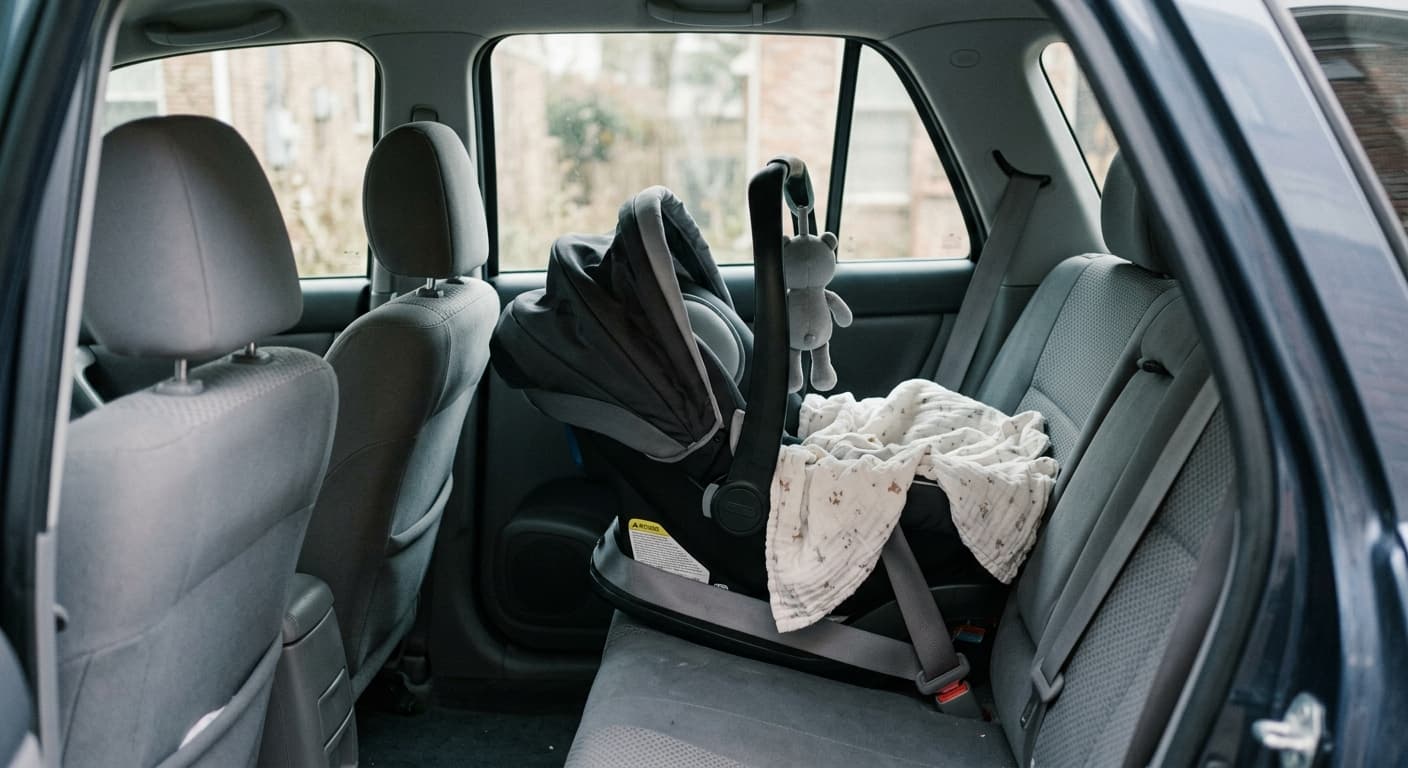
Every state requires children to ride in an age- and size-appropriate restraint. Infants stay rear-facing for at least two years, older toddlers move to a forward-facing harness seat, then a booster seat until they reach 4'9", after which a standard seat belt applies. Exact age and weight cutoffs vary by state.
Best Car Seat Practices in the United States
A Summary of Best Car Seat Practices
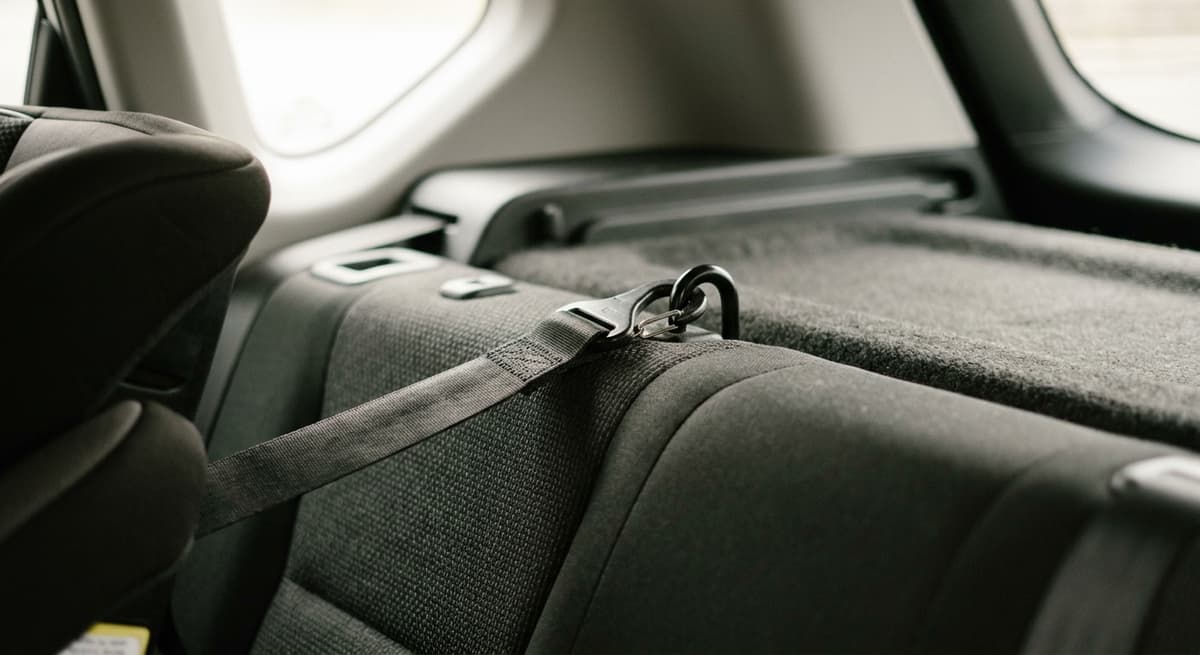
- Infants should ride on a rear-facing seat for a minimum of 2 years or until they exceed the manufacturer's maximum weight and height limits.
- Children who have outgrown rear-facing seats should transition to forward-facing seats.
- Booster seats should be used by children who have outgrown forward-facing seats.
- Children should remain in the back seat until age 13.
- Car seats should be replaced after a moderate or severe crash.
- Make sure to check your state for unique laws
Best Practice for using Rear-facing seats
Infants should ride on a rear-facing seat for a minimum of 2 years or until they exceed the manufacturer's maximum weight and height limits. According to the AAP (American Academy of Pediatrics), children should remain in the rear-facing position for as long as possible because it is the safest position. In the event of an accident, the rear-facing seat holds the child in place to protect the fragile and flexible body parts (neck, head, and spine). Typically, newborns usually start in infant-only seats which are portable and designed to fit smaller infants. However, children usually outgrow them within a short period of time. When this happens, parents should transition their child to convertible seats. Convertible seats allow children to remain rear-facing until age 4 due to their higher weight limits (up to 40 pounds). Rear-facing seats should be reclined according to the manufacturer's instructions. This is because the semi-reclined position helps to keep the baby's airways open. Also, the harness straps should be used to fasten the baby to the seat according to the manufacturer's instructions.
Best Practice for using Forward-facing seats
Children who have outgrown rear-facing seats should transition to forward-facing seats and remain there until they reach the topmost weight and height limits allowed by the car seat manufacturer. Parents who are using convertible seats can turn their seats to face forward once the child has exceeded the rear-facing requirements, and others can opt for a forward-facing only seat or combination seat. Children should be secured with a 5-point harness. This is preferable because the shoulder straps, hip straps, and crotch straps can be snugly secured over the child's stronger body parts (hips and shoulders). This, in turn, helps protect the fragile body parts by directing impact forces away and spreading them over the stronger parts in the event of a crash. Most seats can support up to 60 pounds or more, so this means children can safely remain in a forward-facing seat until age 7.

Best Practice for using Booster Seats
Booster seats should be used by children who have outgrown forward-facing seats. Most children 8 years or younger cannot fit in regular safety belts and can suffer serious injuries if the seat belt straps are misplaced. A belt-positioning booster seat raises a child so that seat belts can safely fit over the child's body. For a safe and comfortable fit, the lap belt should lie flat across the child's hips and upper thighs (not stomach), and the shoulder belt should lie snug across the middle of the chest (not neck). There are two main types of booster seats - high back and backless. Use a high back booster seat if the child is taller than the back of the seat or if there are no headrests in the vehicle. A backless booster seat is adequate if the vehicle's headrest can support the child's neck and head. Booster seats should be used with lap-shoulder belts. Never use a lap-only belt to secure a booster seat. Seats of this type can support up to 80 pounds. Therefore, children can ride on them until age 8-12 years. However, when it comes to transitioning from booster seats to safety belts only, you need to make sure that your child can fit in safety belts. A height of 4'9" is recommended because safety belts are designed to fit anyone with this height or taller. They should also be able to sit all the way back against the seat with knees bent at the edge of the seat without slouching. To increase safety, make sure your child can ride in the car without trying to detach the seat belt.
When Should a Child ride in the Front seat?
It is a good idea to install all car seats in the rear of the vehicle. This is because front seats have airbags that can hurt children when they inflate. Also, the back seat is farther away from the point of impact in case of a frontal collision. If your car has no rear seats or if you must install a car seat in the front seat, make sure to turn off the airbags, especially if it is a rear-facing seat. The AAP recommends children should remain in the back seat until age 13.
When Should you replace your Car Seat?
Car seats should be replaced after a moderate or severe crash. This is because they can develop tiny cracks after an accident that makes them unsuitable for use. If you choose to buy a used car seat, make sure you know the seat's history. The seat should have a model number and date of manufacture (helps in checking for recalls), it should have no missing parts or visible damage and it should never have been involved in an accident.
Should you use a Car Seat in Commercial Vehicles?
When traveling in commercial vehicles such as taxis and cars for hire, you need to take responsibility and provide the appropriate car seat for your child. You never know when accidents may happen, so it's best to take precautions.
While it is important to follow these car seat practices, car seat laws vary by state, so make sure to check your local laws by clicking the relevant link above.
Car Seat Laws by State
Select a state for its specific car seat and booster requirements:
- Alabama Car Seat Laws: Requirements and Guidelines
- Alaska Car Seat Laws: Requirements and Guidelines
- Arizona Car Seat Laws: Requirements and Guidelines
- Arkansas Car Seat Laws: Requirements and Guidelines
- California Car Seat Laws: Requirements and Guidelines
- Colorado Car Seat Laws: Requirements and Guidelines
- Connecticut Car Seat Laws: Requirements and Guidelines
- Delaware Car Seat Laws: Requirements and Guidelines
- Florida Car Seat Laws: Requirements and Guidelines
- Georgia Car Seat Laws: Requirements and Guidelines
- Hawaii Car Seat Laws: Requirements and Guidelines
- Idaho Car Seat Laws: Requirements and Guidelines
- Illinois Car Seat Laws: Requirements and Guidelines
- Indiana Car Seat Laws: Requirements and Guidelines
- Iowa Car Seat Laws: Requirements and Guidelines
- Kansas Car Seat Laws: Requirements and Guidelines
- Kentucky Car Seat Laws: Requirements and Guidelines
- Louisiana Car Seat Laws: Requirements and Guidelines
- Maine Car Seat Laws: Requirements and Guidelines
- Maryland Car Seat Laws: Requirements and Guidelines
- Massachusetts Car Seat Laws: Requirements and Guidelines
- Michigan Car Seat Laws: Requirements and Guidelines
- Minnesota Car Seat Laws: Requirements and Guidelines
- Mississippi Car Seat Laws: Requirements and Guidelines
- Missouri Car Seat Laws: Requirements and Guidelines
- Montana Car Seat Laws: Requirements and Guidelines
- Nebraska Car Seat Laws: Requirements and Guidelines
- Nevada Car Seat Laws: Requirements and Guidelines
- New Hampshire Car Seat Laws: Requirements and Guidelines
- New Mexico Car Seat Laws: Requirements and Guidelines
- New York Car Seat Laws: Requirements and Guidelines
- North Carolina Car Seat Laws: Requirements and Guidelines
- North Dakota Car Seat Laws: Requirements and Guidelines
- Ohio Car Seat Laws: Requirements and Guidelines
- Oklahoma Car Seat Laws: Requirements and Guidelines
- Oregon Car Seat Laws: Requirements and Guidelines
- Pennsylvania Car Seat Laws: Requirements and Guidelines
- Rhode Island Car Seat Laws: Requirements and Guidelines
- South Carolina Car Seat Laws: Requirements and Guidelines
- South Dakota Car Seat Laws: Requirements and Guidelines
- Tennessee Car Seat Laws: Requirements and Guidelines
- Texas Car Seat Laws: Requirements and Guidelines
- Utah Car Seat Laws: Requirements and Guidelines
- Vermont Car Seat Laws: Requirements and Guidelines
- Virginia Car Seat Laws: Requirements and Guidelines
- Washington Car Seat Laws: Requirements and Guidelines
- West Virginia Car Seat Laws: Requirements and Guidelines
- Wisconsin Car Seat Laws: Requirements and Guidelines
- Wyoming Car Seat Laws: Requirements and Guidelines
Frequently Asked Questions
When Should a Child ride in the Front seat?
It is a good idea to install all car seats in the rear of the vehicle. This is because front seats have airbags that can hurt children when they inflate. Also, the back seat is farther away from the point of impact in case of a frontal collision. If your car has no rear seats or if you must install a car seat in the front seat, make sure to turn off the airbags, especially if it is a rear-facing seat. The AAP recommends children should remain in the back seat until age 13.
Updates
Independently fact-checked against the cited primary sources; governing law re-checked for recent changes
Reviewed and approved by an editor
State-by-state comparison
Each state guide below is paired with the governing statute our editors adjudicated for it, held in our own legal record and verified against the official source.
Each statute shown is the same adjudicated anchor its state guide renders, independently verified against primary sources. A dash means not yet adjudicated in our record — never that no law exists.