
Tunisia Defamation Laws: Civil, Criminal & Defences
In Tunisia defamation is civil and criminal. The Penal Code, the 2011 Press Decree, and Decree-Law 54 of 2022 penalise defamatory and false speech.
7 min read
264 articles · page 5 of 5
In Tunisia defamation is civil and criminal. The Penal Code, the 2011 Press Decree, and Decree-Law 54 of 2022 penalise defamatory and false speech.
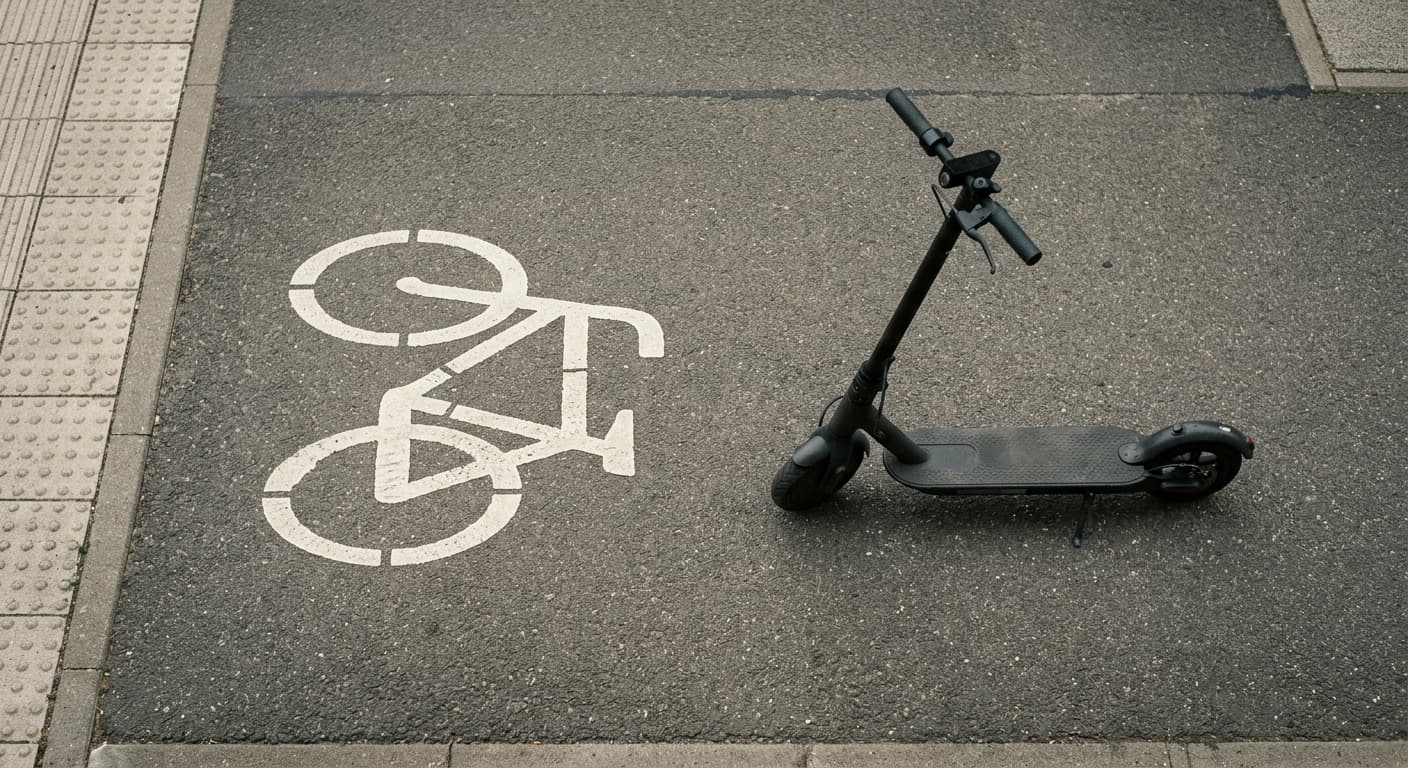
Tunisia has no dedicated e-scooter law and, per local reporting, no financial penalty framework at all for riders, leaving even informal safety norms unenforceable.

In Turkey defamation is criminal and civil. Penal Code Article 125 punishes insult, Article 299 covers insulting the President; Civil Code allows damages.
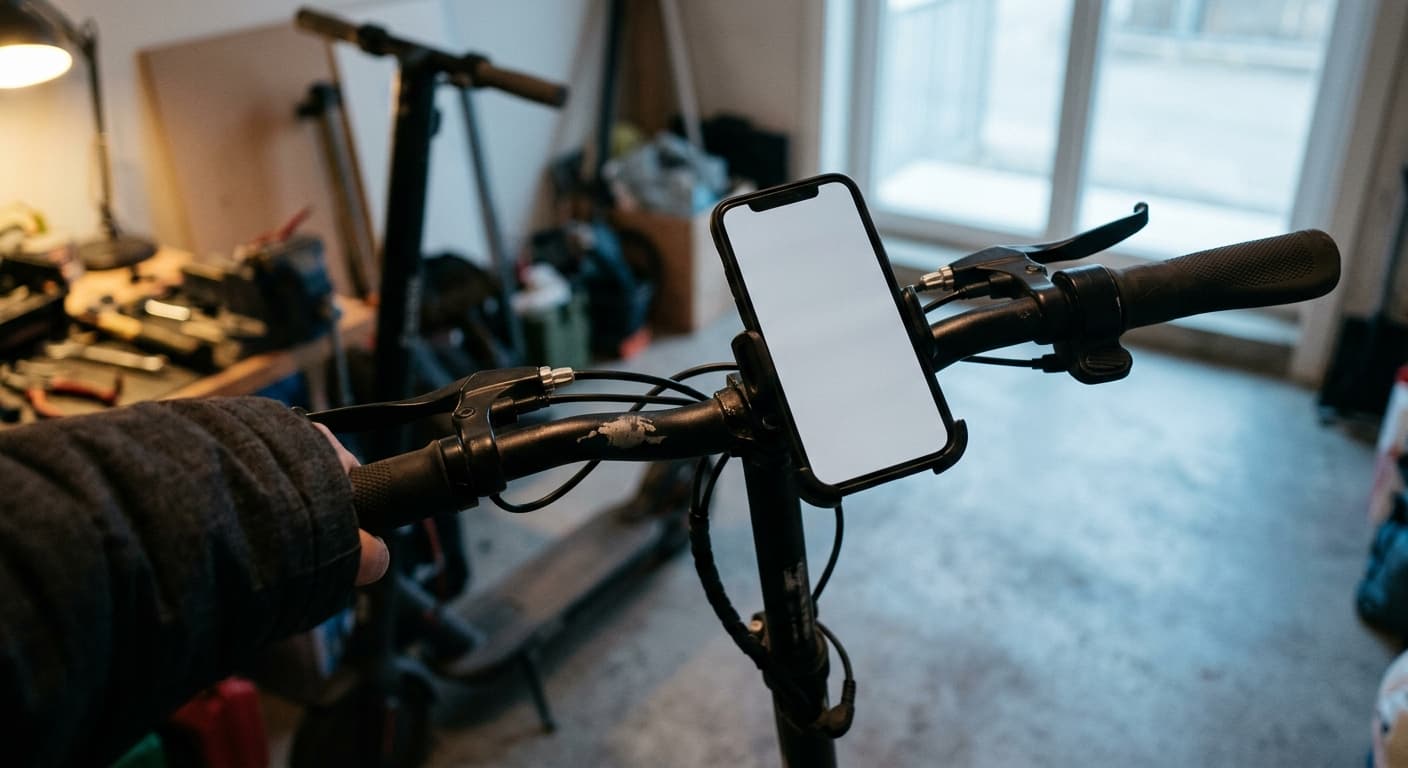
Turkey caps e-scooters at 25 km/h and bars operators from renting to riders under 15, but its regulation sets no statutory helmet mandate despite common assumptions otherwise.

Defamation in the UAE is mainly criminal under the Penal Code (Decree-Law 31/2021) and Cybercrime Law (Decree-Law 34/2021); civil claims also possible.
The UAE has no single federal e-scooter law: Dubai runs a permit-zone system, Abu Dhabi and Sharjah restrict riding to designated tracks, and Ajman bans street riding outright.
Uganda's Traffic and Road Safety Act has no e-scooter category, but its broad vehicle definitions technically sweep scooters into the same rules that apply to motorcycles.

The UK's CDPA s.9(3) can give AI-generated works 50-year copyright, but the originality standard and a stalled TDM reform leave the law unsettled in 2026.

How UK law differs across England, Wales, Scotland and Northern Ireland, with citation-backed guides to renting, employment, wills, family, driving and more.

In Ukraine defamation is a civil matter only, decriminalised in 2001 and now governed by the Civil Code (Articles 277, 297, 299), not the Criminal Code.
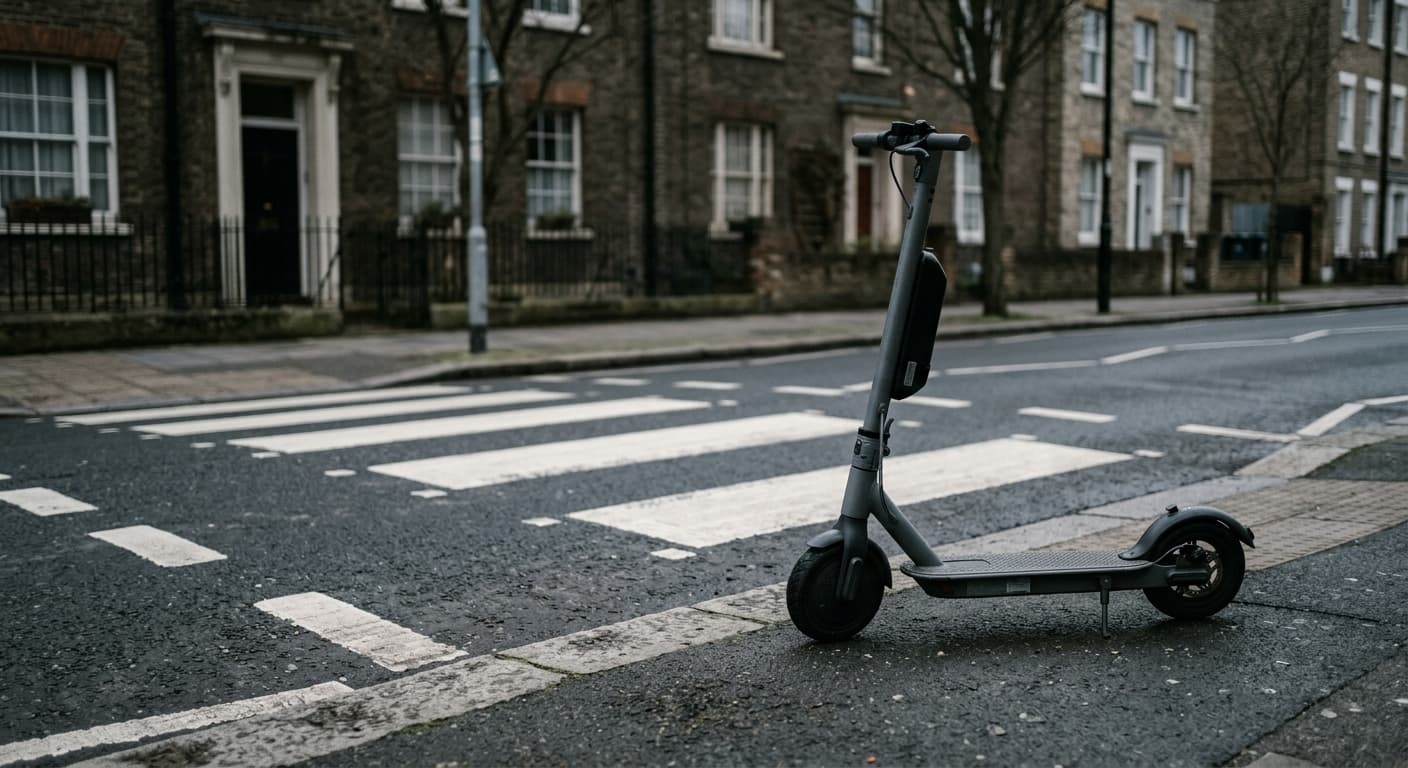
Ukraine's Rules of the Road have no dedicated e-scooter category, folding devices into the existing moped definition instead, which caps electric motors at 4kW.

Defamation in Uruguay is civil and criminal under Penal Code arts 333-334, but Law 18.515 (2009) protects public-interest speech.
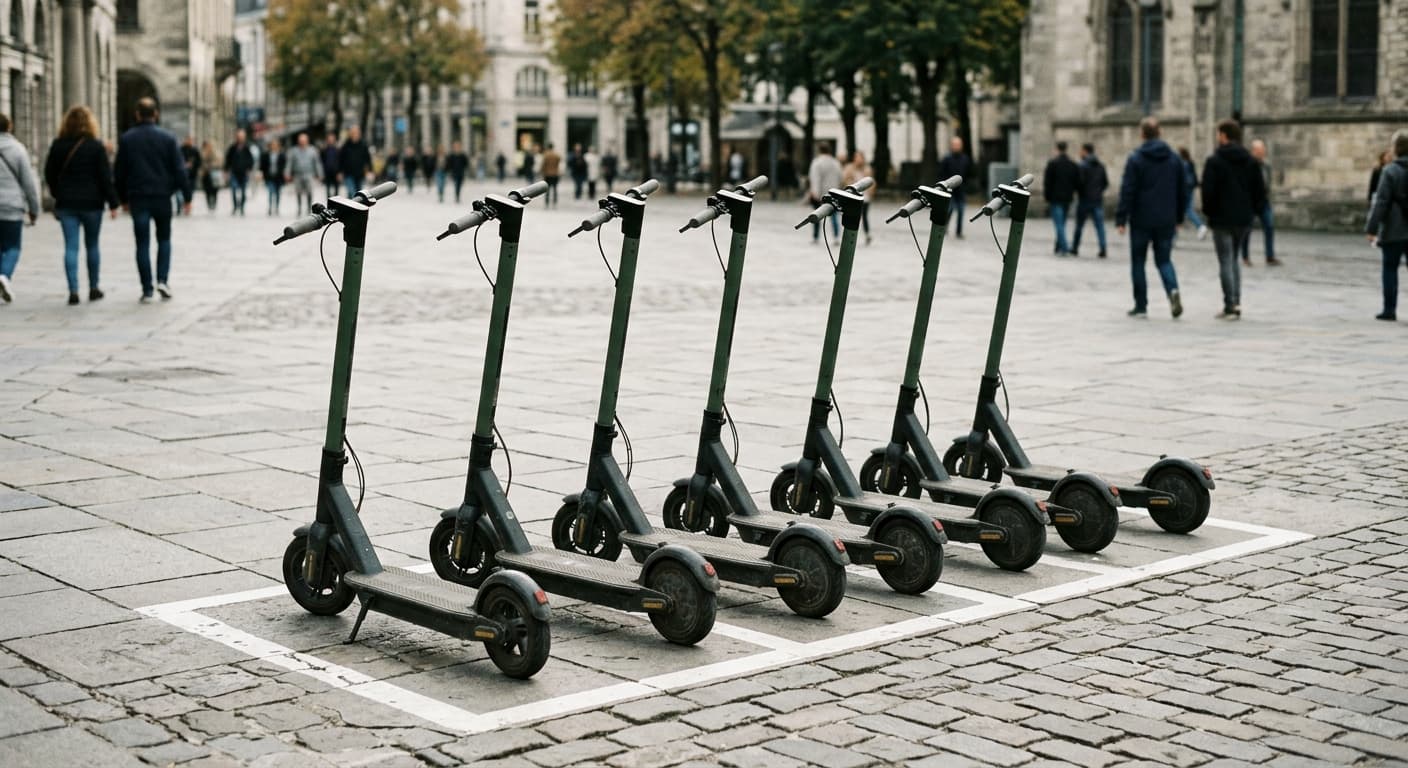
Uruguay coordinates e-scooter rules through a 2020 circular each department adopts, setting a 25 km/h cap and age 16 minimum, though Montevideo admits near-zero enforcement.
Uzbekistan's 2024 Cabinet resolution caps e-scooters at 10 km/h on sidewalks and 20 km/h on the road, requires no driver's licence, and bans riders under 14.
Vanuatu names electrical power directly in its motor vehicle definition, meaning an e-scooter triggers registration, a driving licence, and compulsory insurance.

Defamation in Venezuela is civil and criminal: Penal Code arts 442-446 punish difamacion and injuria with prison and fines, plus civil damages.
Venezuela has no dedicated e-scooter law. Its 1998 regulation classifies any motor-equipped scooter as a motorcycle, requiring registration, plates, and insurance.

Defamation in Vietnam is both civil (Civil Code art. 34) and criminal (Penal Code arts. 155-156, plus art. 331), including online speech.
Vietnam's 2025 traffic law licenses electric mopeds but does not recognize stand-up e-scooters as vehicles at all. See the rules, fines, and the drafting gap.
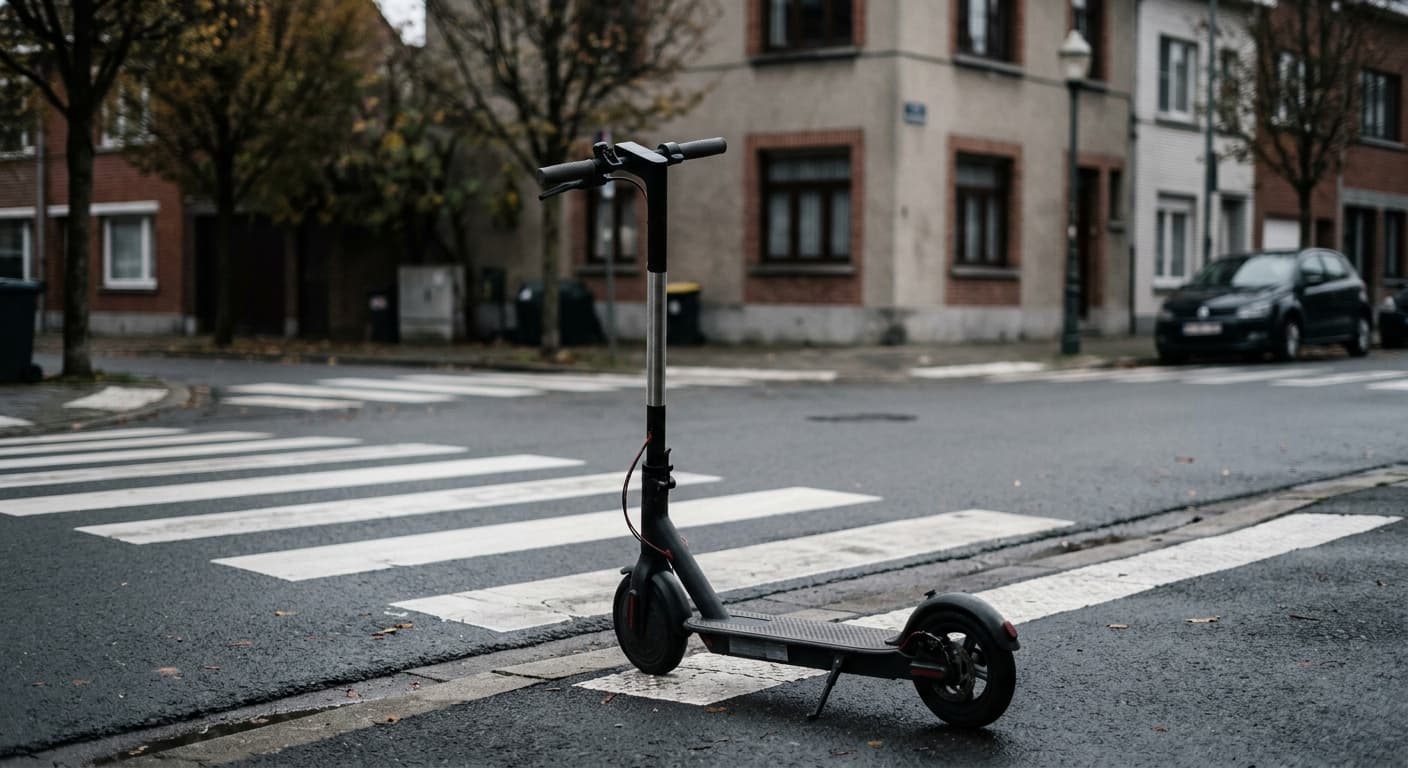
No e-scooter law applies in Western Sahara. The Moroccan-administered majority follows Morocco's own regulatory gap, and the rest has no documented traffic law.

Defamation laws by country: where libel and slander are civil, where they are criminal, plus penalties, defences and how to sue, across 80+ countries.
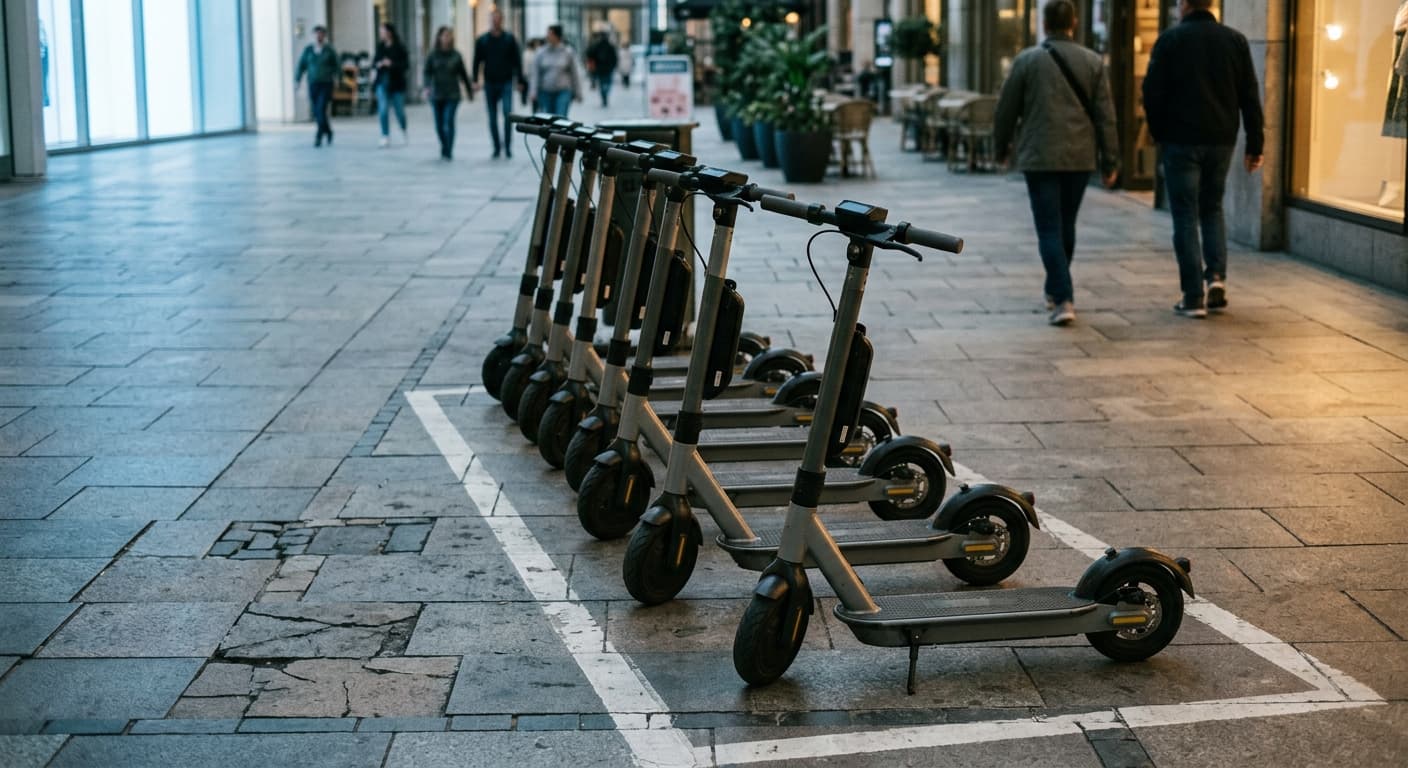
Zambia's 2022 amendment added a standalone statutory definition of scooter, though it reads more like a step-through moped than a stand-up kick-scooter.

Defamation in Zimbabwe is now civil only: criminal defamation was ruled unconstitutional in Madanhire v AG (2014) and confirmed void in 2016.
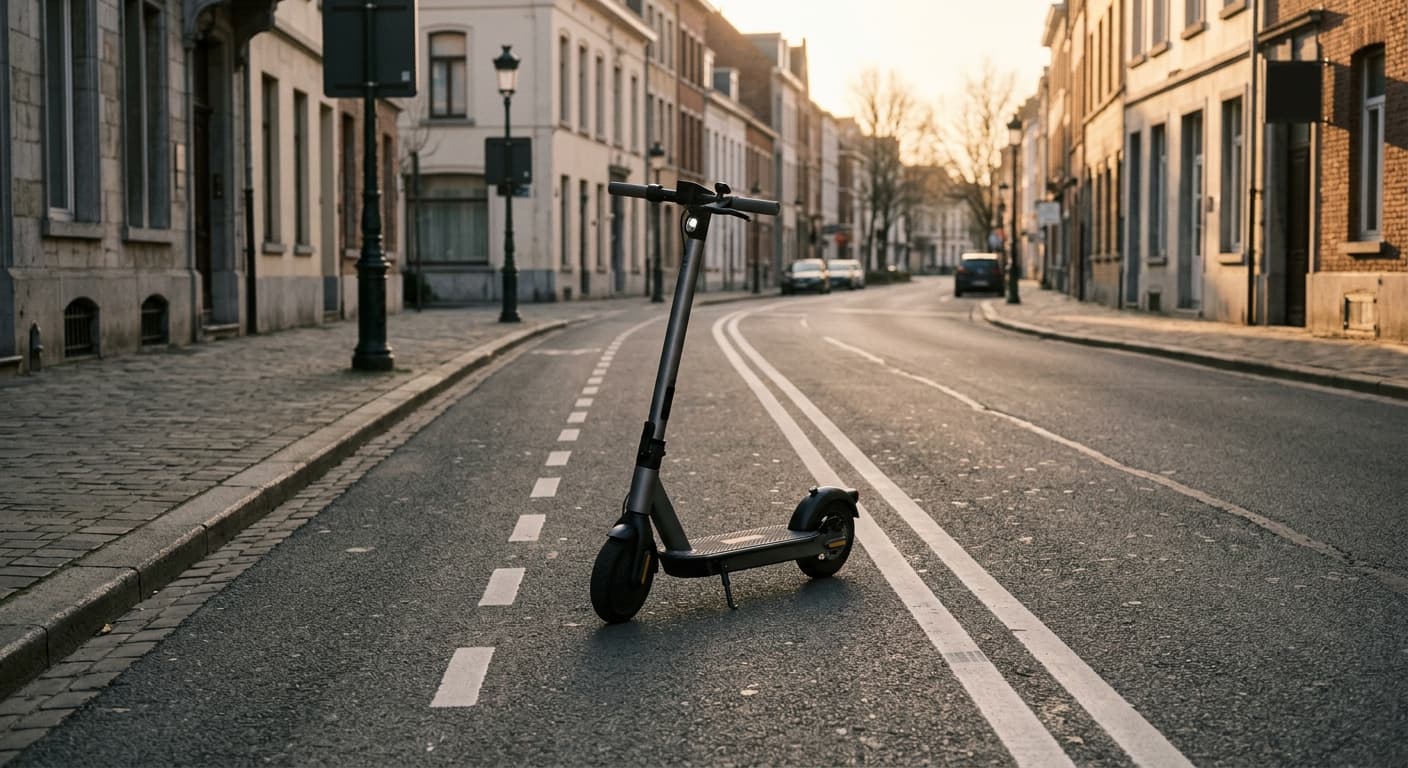
Zimbabwe's 1970s vehicle law defines "motor vehicle" broadly enough to include e-scooters, and police are already impounding a closely related device.