Panama E-Scooter Laws: Legal Under Decree 206, Helmet Required (2026)
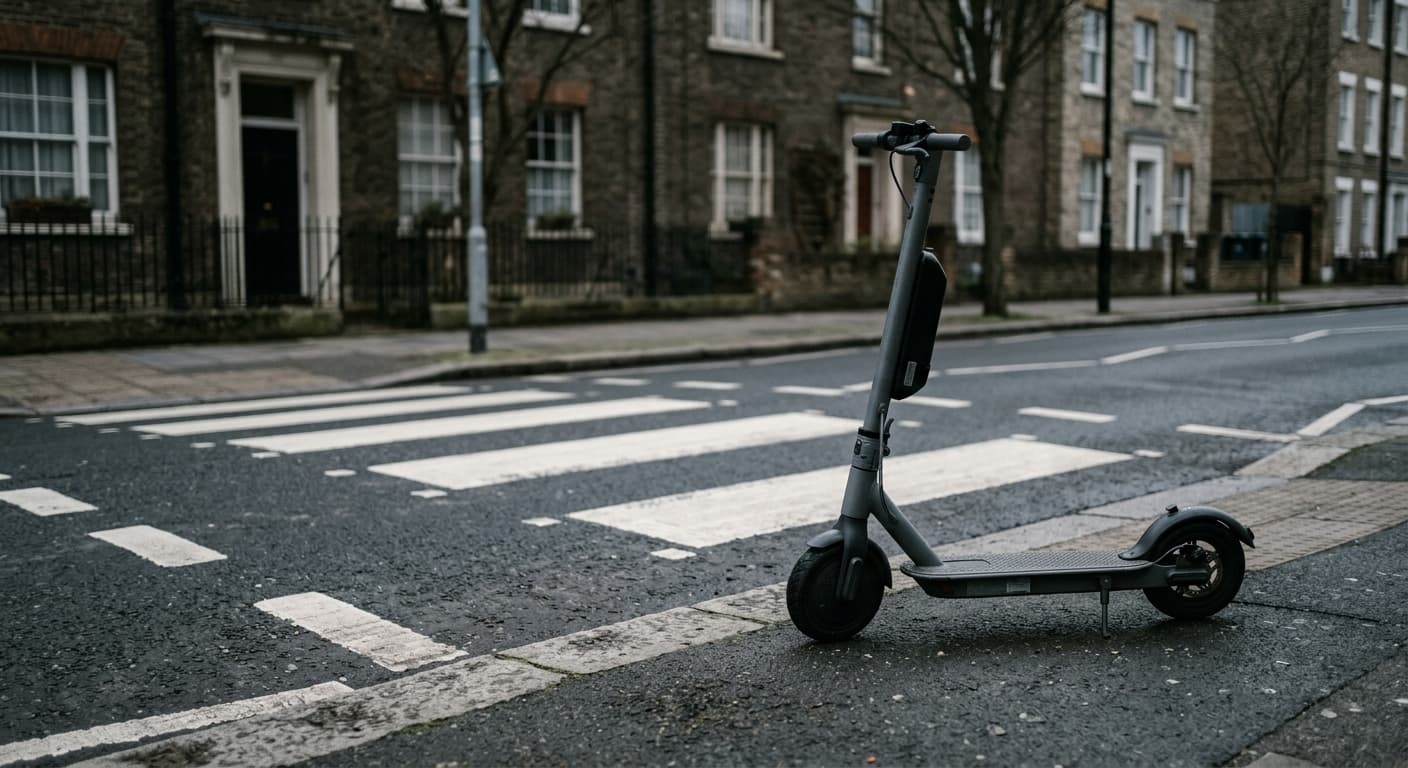
Panama regulates e-scooters as personal mobility vehicles under Decreto 206, with a mandatory helmet confirmed by the transit authority and a reported 30 km/h limit.
5 min read
264 articles · page 4 of 5
Panama regulates e-scooters as personal mobility vehicles under Decreto 206, with a mandatory helmet confirmed by the transit authority and a reported 30 km/h limit.
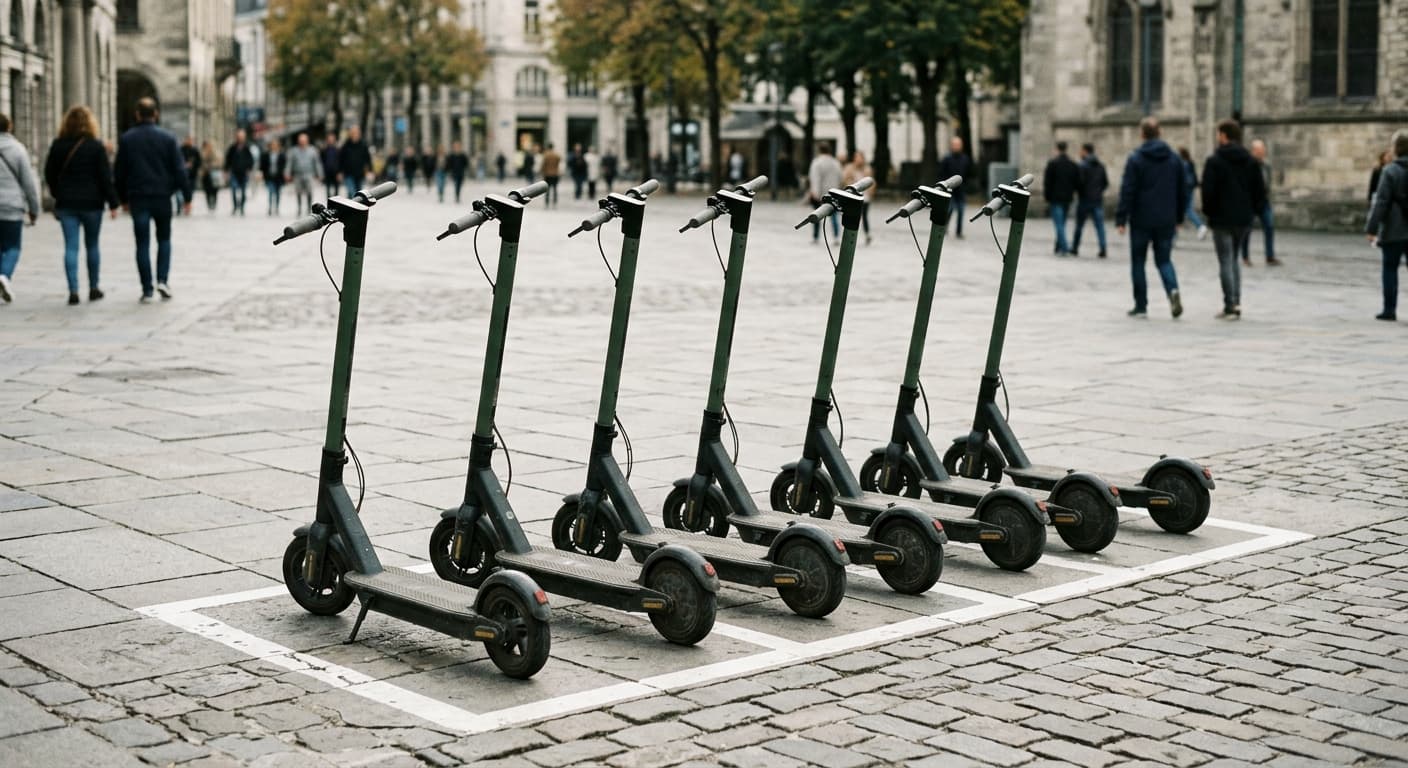
Papua New Guinea's Road Traffic Act excludes only a disability-specific mobility device capped at 1,500 watts, so a general e-scooter falls under its motor vehicle rules.

Defamation in Paraguay is civil and criminal: Penal Code arts 150-152 cover calumnia, difamacion and injuria, mostly with fines, plus civil damages.
Paraguay's current traffic fines schedule lists bicycles, mopeds and motorcycles but no e-scooters at all, and a 2025 bill exists precisely to fill that gap.

Peru defamation is civil and criminal: injuria (Art 130), calumnia (Art 131) and difamacion (Art 132) are Penal Code crimes carrying fines or prison.
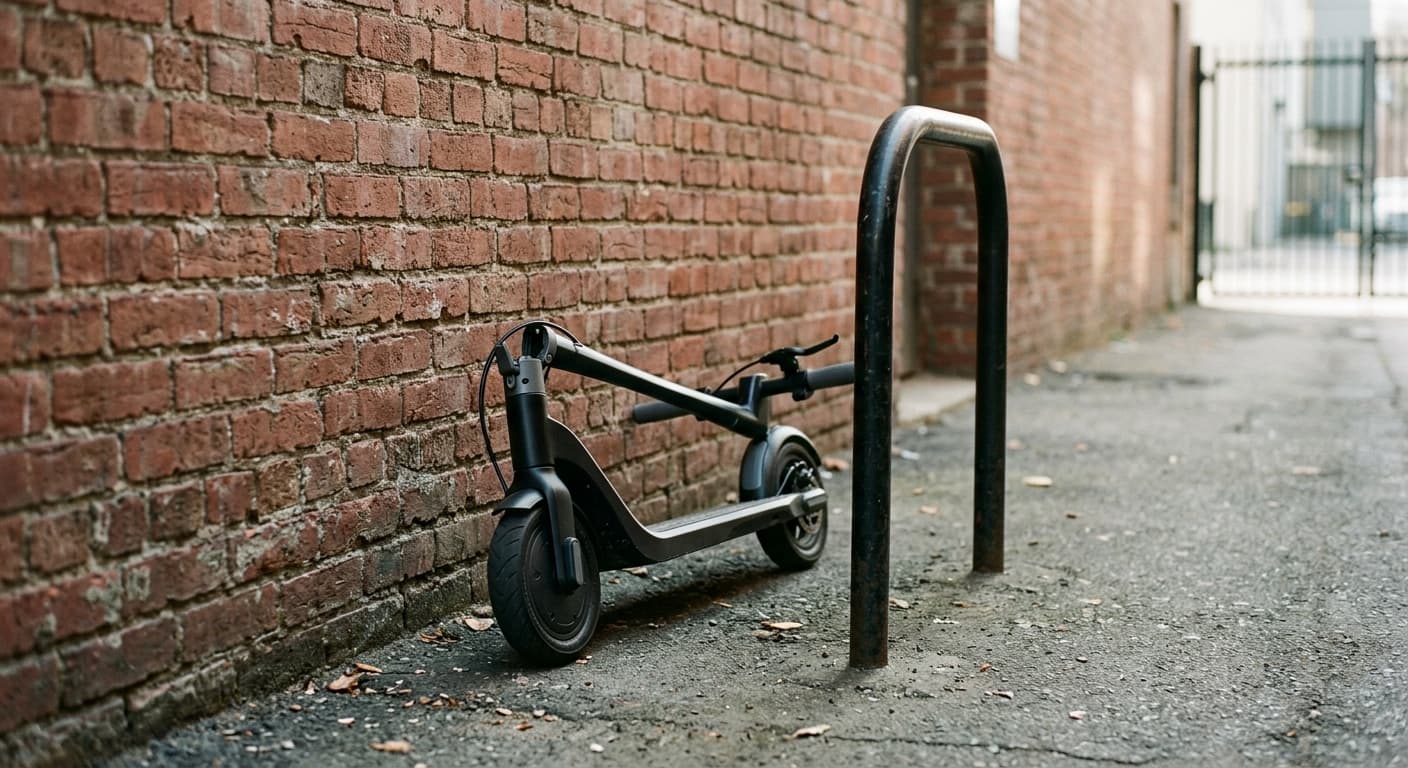
Peru defines e-scooters as VMPs exempt from plate, license, and SOAT under a national decree. See the 25 km/h cap, sidewalk ban, and Lima's own fine schedule.

The Philippines treats defamation as both a crime (libel, Revised Penal Code) and a civil wrong, with cyber libel under RA 10175 carrying higher penalties.
Are e-scooters legal in the Philippines? LTO's kick-scooter category, the disputed 2024 registration order, and Metro Manila's 19-road MMDA ban explained.

In Poland defamation is both criminal and civil. Criminal Code article 212 punishes it; the Civil Code allows an injunction, apology, and compensation.
Poland has regulated e-scooters since May 2021, requiring a bicycle card or licence for riders 10 to 18, allowing sidewalk use only as a last resort, and requiring no helmet.

In Portugal defamation is both criminal and civil. Penal Code Articles 180 to 183 punish difamacao and injuria; the Civil Code allows damages.
Portugal treats e-scooters capped at 0.25kW and 25 km/h as legal bicycle equivalents with no age or helmet rule, though exceeding those limits draws a fine and on-the-spot seizure.

Compare how countries handle boundary disputes, noisy neighbours, and shared-building ownership, from condominiums to strata to copropriete.
Puerto Rico's traffic law names patineta motorizada directly and bars it from public roads. Rental scooters still operate in San Juan despite the ban.

Defamation in Qatar is both civil and criminal: Penal Code articles 326-331 and Cybercrime Law 14/2014 (up to 3 years, QR 100,000) for online insult.
Qatar has no standalone e-scooter statute, but its Ministry of Interior treats scooters as bicycle-equivalent, requiring helmets and riding in designated areas, not vehicle lanes.
The Republic of the Congo has no confirmed national road traffic code, so a shared CEMAC regional code applies, placing e-scooters in the same category as a car.

In Romania defamation is a civil matter only. Criminal defamation was repealed; the Civil Code protects dignity and reputation under articles 72 and 253.
Romania sets a minimum e-scooter riding age of 14, caps devices at 25 km/h, and bans sidewalk riding except where a marked bike path runs along it, under OUG 195/2002.

In Russia defamation is both civil (Civil Code Art. 152) and criminal (Criminal Code Art. 128.1), decriminalised in 2011 then re-criminalised in 2012.
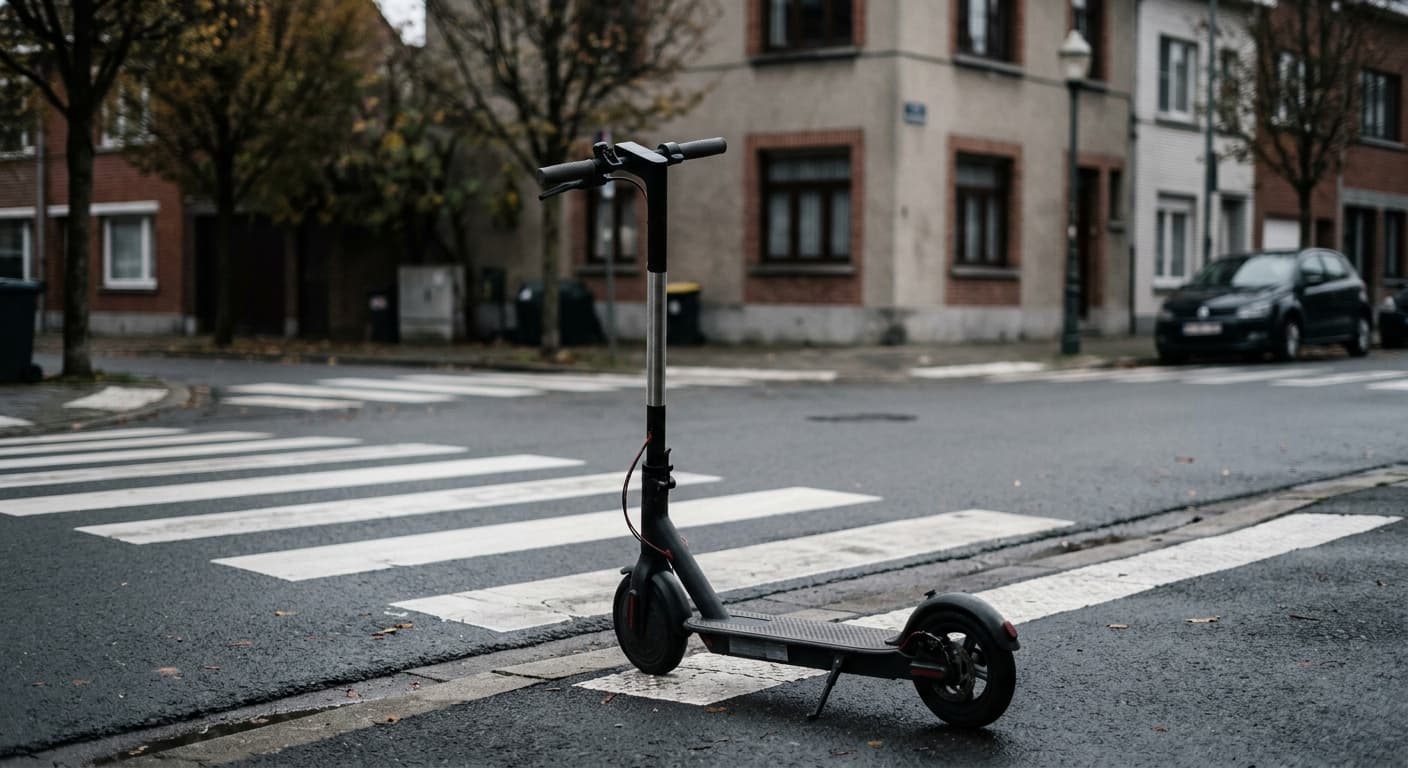
Russia's traffic code has capped e-scooters at 25 km/h with a minimum age of 14 for sidewalk and pedestrian-zone use since March 2023, alongside growing local restrictions.

Rwanda decriminalized ordinary defamation in its 2018 Penal Code, but insulting or defaming the President stays criminal (Article 236, 5 to 7 years).
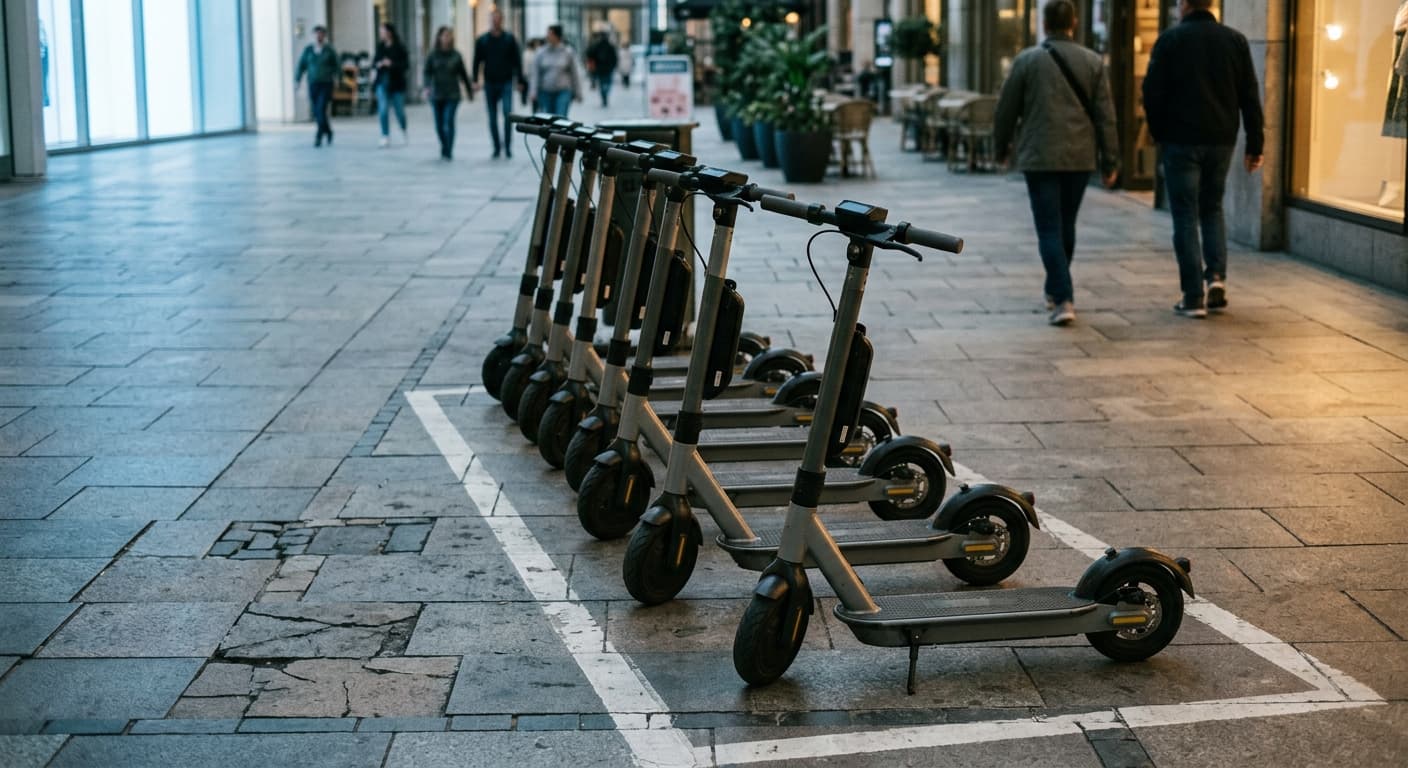
Rwanda replaced its road traffic law in March 2026 with a definition broad enough to cover e-scooters, but its vehicle-class and helmet rules are not yet published.

Defamation in Saudi Arabia is primarily criminal under Sharia (ta'zir) and the Anti-Cyber Crime Law (Royal Decree M/17, 2007) for online statements.
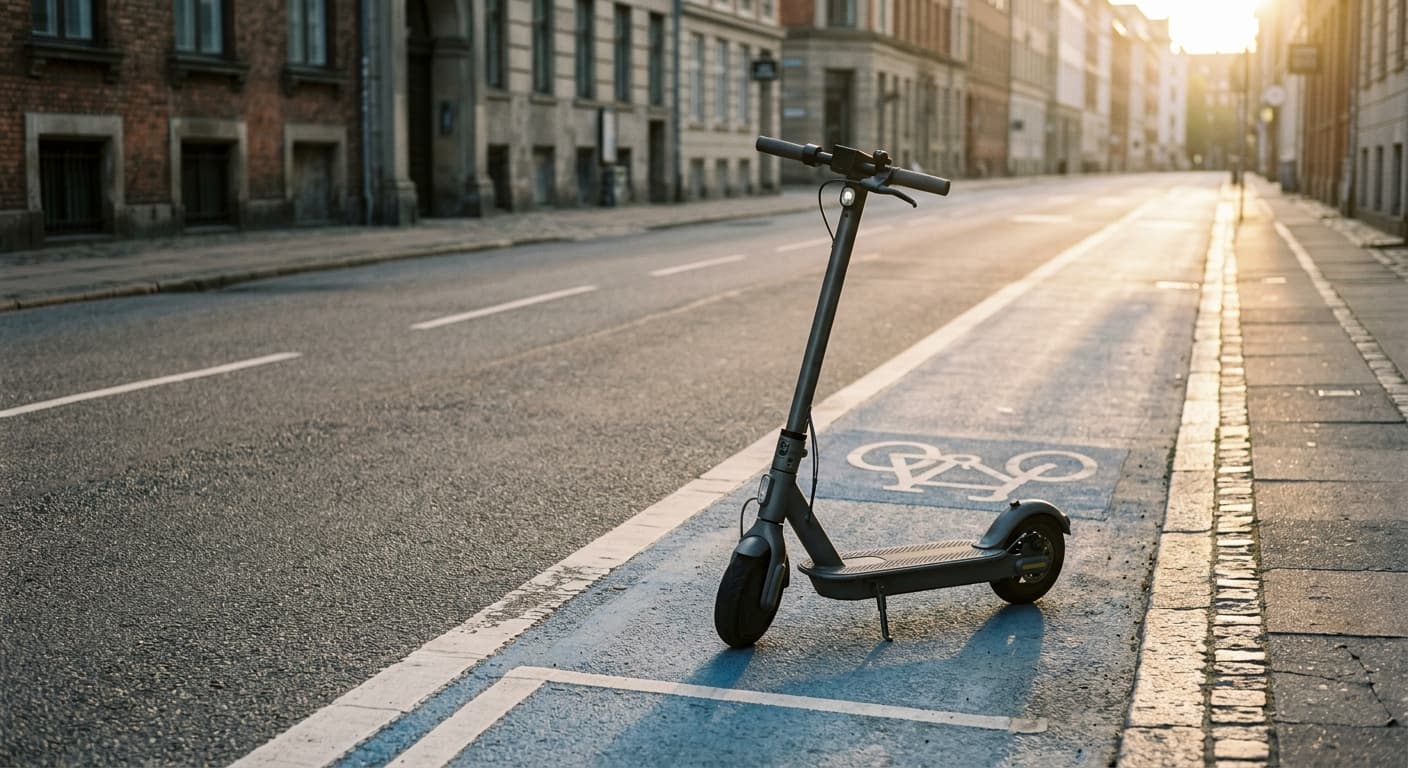
Saudi Arabia's SASO standard caps e-scooters at 25 km/h and bans use outside designated tracks. Rider rules and rental access vary city by city.
Defamation in Senegal is civil and criminal: Penal Code arts 258 to 266 punish diffamation and injure with prison and fines; victims can claim damages.
Senegal has no e-scooter statute, but Décret n° 2004-13's motor-vehicle definition sweeps a scooter in anyway, with a driving-permit rule that has no low-power exemption.
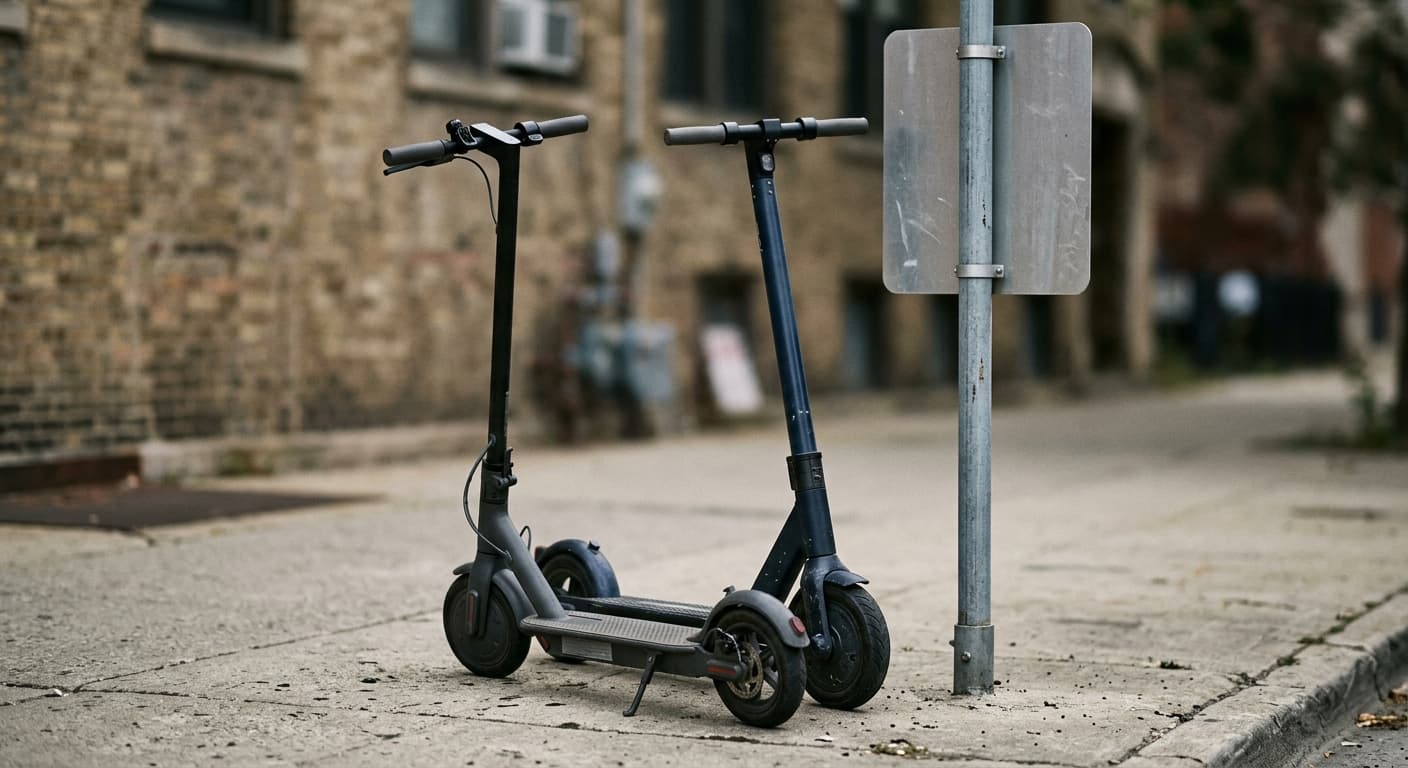
Serbia has regulated e-scooters since September 2023, capping speed at 25 km/h and requiring a registration sticker and helmet, though only 13,520 stickers exist.
Sierra Leone's Road Traffic Act has no lower moped tier, so an e-scooter falls under the same registration, licence, and helmet rules as a full motorcycle.
Defamation in Singapore is a common-law tort refined by the Defamation Act 1957, plus criminal defamation under Penal Code 499 to 500 and the POFMA regime.
In Slovakia defamation is both criminal and civil. Criminal Code section 373 (ohovaranie) punishes it, and Civil Code sections 11 to 13 allow damages.
Slovakia currently requires e-scooter riders on public roads to be over 15, with no helmet mandate, ahead of a stricter small electric vehicle regime starting 1 September 2026.
In Slovenia defamation is both criminal and civil. Criminal Code articles 158 to 162 create the offences, and the Obligations Code allows damages.
Slovenia raised its e-scooter minimum age from 12 to 15 in February 2026, alongside a 25 km/h cap and fines up to 250 euros for exceeding pedestrian pace on shared paths.
Solomon Islands' Traffic Act defines a motor vehicle broadly enough to sweep in e-scooters, since only overhead-cable-powered vehicles like trams are excluded.
Criminal defamation was abolished in South Africa on 3 April 2024. See civil defamation elements, defences, damages, and crimen injuria in this 2026 guide.
Defamation in South Korea is both civil and criminal. Criminal Act Article 307 punishes even true-fact statements; cyber defamation is heavily prosecuted.
South Korea has required at least a moped-class licence to ride a personal mobility device since May 2021, along with a mandatory helmet backed by a 20,000 won fine.
The only traceable South Sudan traffic law is a 2003 pre-independence statute of unconfirmed current status. Under its terms, an e-scooter counts as a motor vehicle.
Spain treats defamation as both a crime (calumnia and injurias in the Penal Code) and a civil wrong under Organic Law 1/1982 on honour.

A plain-English map of the Spanish legal system for expats and residents: where the law is written (the BOE and the codes), which court decides what, how a citation like art. 56 ET is built, and why the region you live in changes your inheritance tax.
Sri Lanka's Motor Traffic Act defines motor vehicles broadly enough to include e-scooters with no power floor, requiring full registration, a driving licence, and insurance.
Sudan's 2010 traffic law defines motor vehicle broadly enough to catch e-scooters, requiring registration, but the civil war since 2023 leaves enforcement unclear.
Suriname passed a law bringing electric vehicles under its Rijwet 1971 traffic act in May 2026, but it does not take effect until 1 January 2027.
In Sweden defamation is both criminal and civil. The Criminal Code Chapter 5 punishes fortal; the Tort Liability Act allows damages for violation.
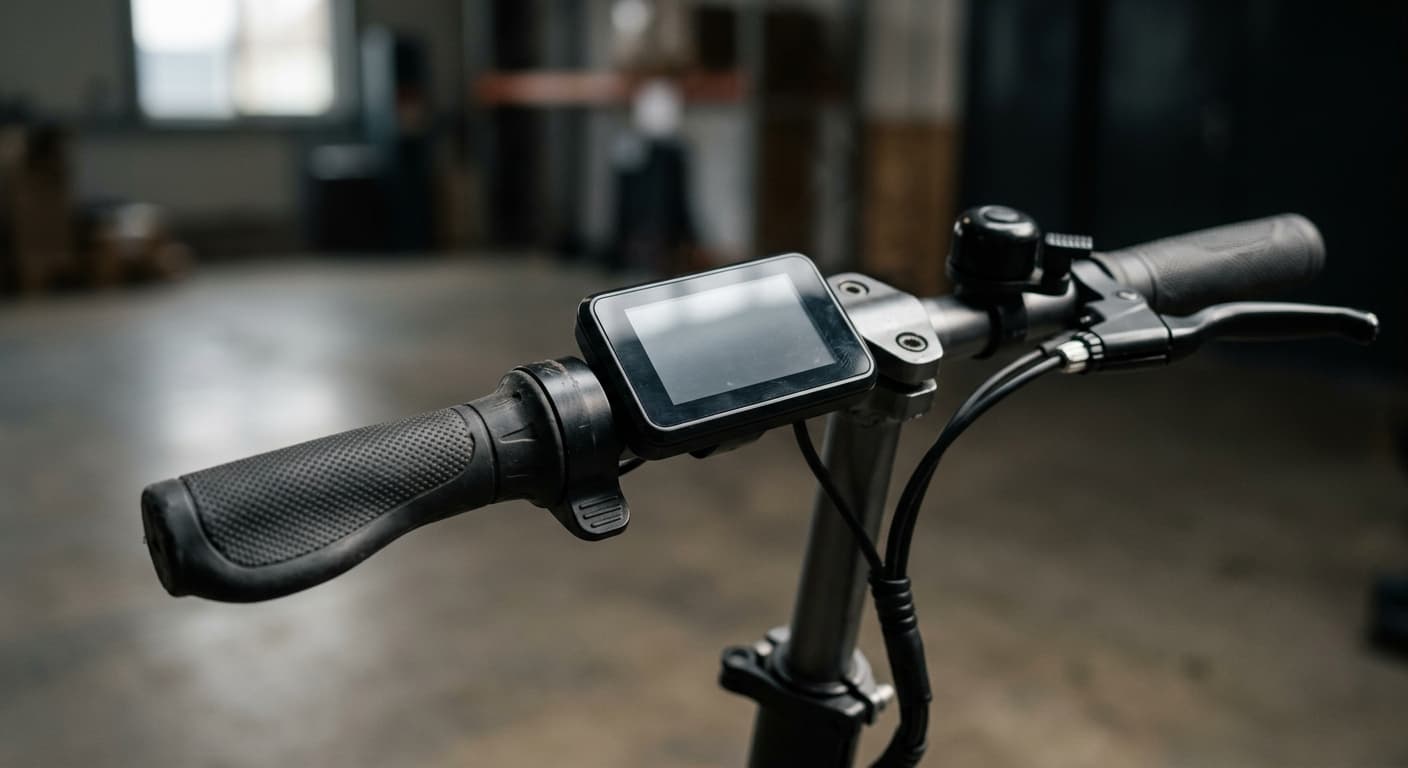
Sweden treats an e-scooter as a bicycle only below 20 km/h and 250 watts; exceed either limit and it legally becomes an unregistered moped barred from public roads and paths.

How Swiss law works: the OR, ZGB, StGB and SchKG codes, federal vs cantonal rules, Betreibung, and why German law does not apply in Switzerland.
In Switzerland defamation is both criminal and civil. Penal Code arts 173, 174 and 177 create the offences; Civil Code art 28 protects personality.
Syria's 2004 traffic law defines motor vehicle broadly enough to cover e-scooters, but the post-Assad transition leaves whether it still applies unresolved.
Defamation in Taiwan is both civil and criminal. Criminal Code Articles 309 and 310 were upheld by the Constitutional Court in 2000 and again in 2024.
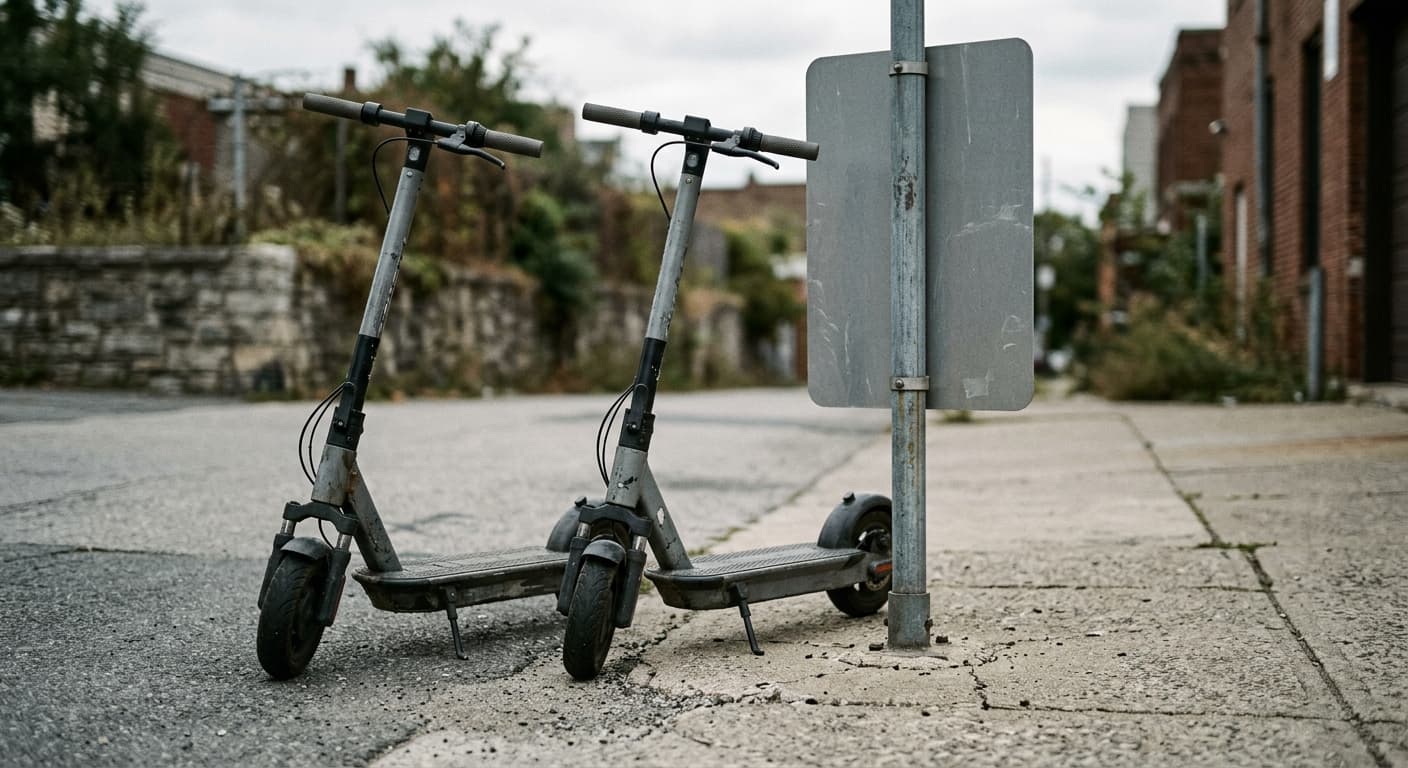
Taiwan has required e-scooters to be registered, plated, and helmeted since a grace period ended in November 2024, with a minimum riding age of 14 for its micro electric class.
Tajikistan has no national e-scooter law, but its capital Dushanbe banned e-scooters outright until 2030, and registration applies above 40 km/h or 50cc.
Defamation in Tanzania is now mainly civil after a 2023 Media Services Act reform, but the Cybercrimes Act 2015 still criminalizes false online info.
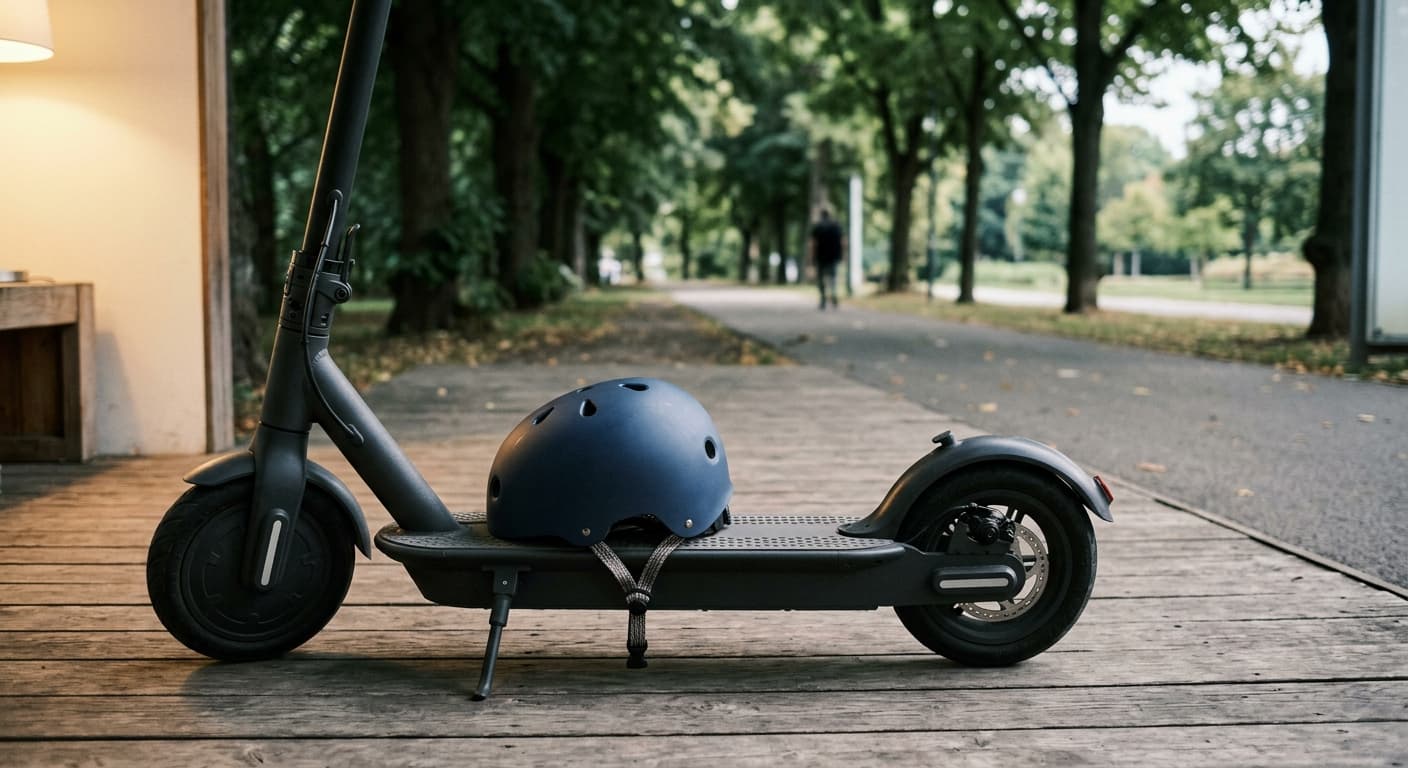
Tanzania's Road Traffic Act has no e-scooter category, so broad vehicle definitions place e-scooters under the same registration and licensing rules as a motorcycle.

Compare how tenant rights, rent rules, and eviction protections differ across countries, from strict tenancy codes to flexible landlord-tenant systems.
Defamation in Thailand is a criminal offence (Penal Code ss.326-333) and a civil wrong, with online cases under the Computer Crime Act.
Thailand has no vehicle category that a throttle-based e-scooter can register under, making public road riding an offense even though rentals remain widely tolerated.
Timor-Leste exempts manual, non-powered scooters as pedestrian equivalent, but a powered scooter most likely falls under its moped category, needing a permit from age 16.
Togo defines every powered two-wheeler tier by combustion engine size, so an e-scooter falls to general motor vehicle rules, though its two-wheeler helmet mandate still applies.
Chapter 48:50 folds e-scooters into 'motor vehicle' through wording that also names trolley vehicles and excludes rail vehicles, with two amendments unchecked.