Sweden E-Scooter Laws: When a Fast Scooter Becomes a Moped (2026)
Independently fact-checked against primary sources (last audited July 23, 2026). · 3 primary sources cited on this page. How we verify our legal content
This article is general information about e-scooter (elsparkcykel) law in Sweden and is not legal advice. For a specific fine, accident, or registration question, consult a Swedish jurist or Transportstyrelsen directly. Information last verified on 23 July 2026.
Are e-scooters legal in Sweden?
Yes, within a specific technical envelope. Transportstyrelsen, Sweden's national transport authority, states that an e-scooter (elsparkcykel) counts as a cykel, the same legal category as a bicycle, only if it has a top speed of no more than 20 km/h and a continuous rated power of no more than 250 watts. Stay inside that envelope and the device is treated like a bicycle: no registration, no plate, no driving licence.
What counts as an e-scooter here: the moped trap
This is Sweden's genuinely distinctive rule among the eight countries in this guide. Exceed either the 20 km/h speed limit or the 250-watt power limit and the device stops qualifying as a cykel under Swedish law. Transportstyrelsen's own guidance frames the consequence as the device then being usable only in enclosed areas, meaning it can no longer be ridden on public roads or paths at all unless it goes through the registration, plating, and insurance process that applies to a full moped.
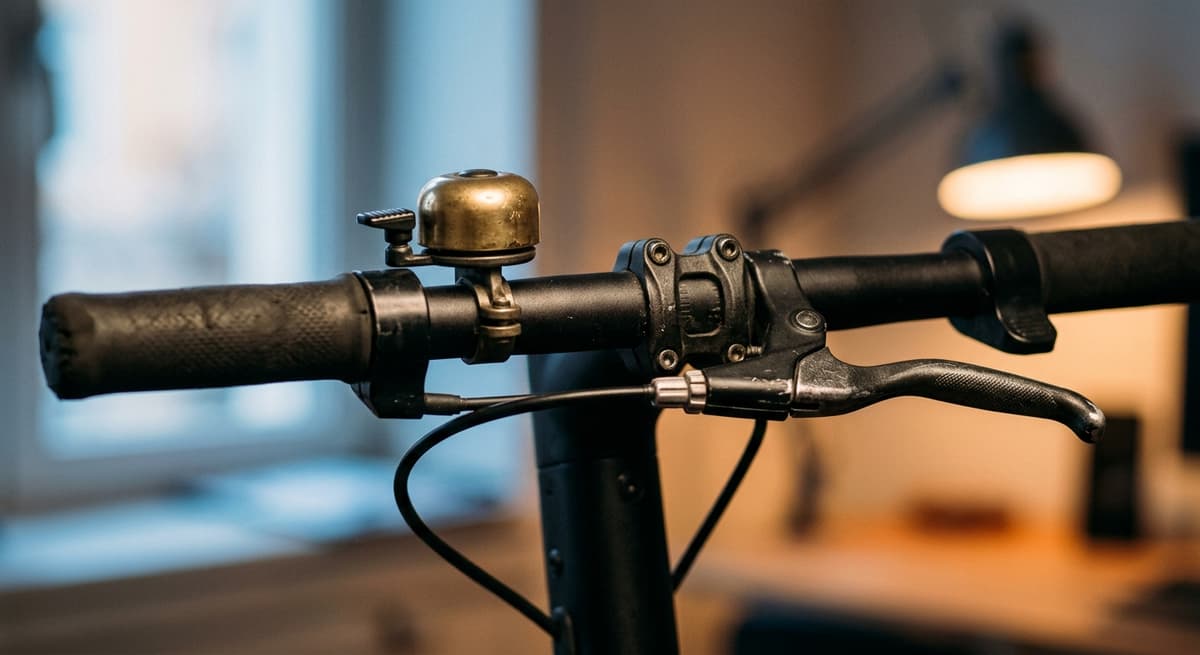
In practice, this means a rider who buys a faster or performance-modified e-scooter, or has one's device tuned above the limits, does not get a faster bicycle. They get an unregistered moped that cannot legally be ridden on public infrastructure until it is registered as one. This is a real trap, not a technicality: a scooter marketed or perceived as "just a fast e-scooter" can put its rider outside the cykel category entirely.
Where you can ride
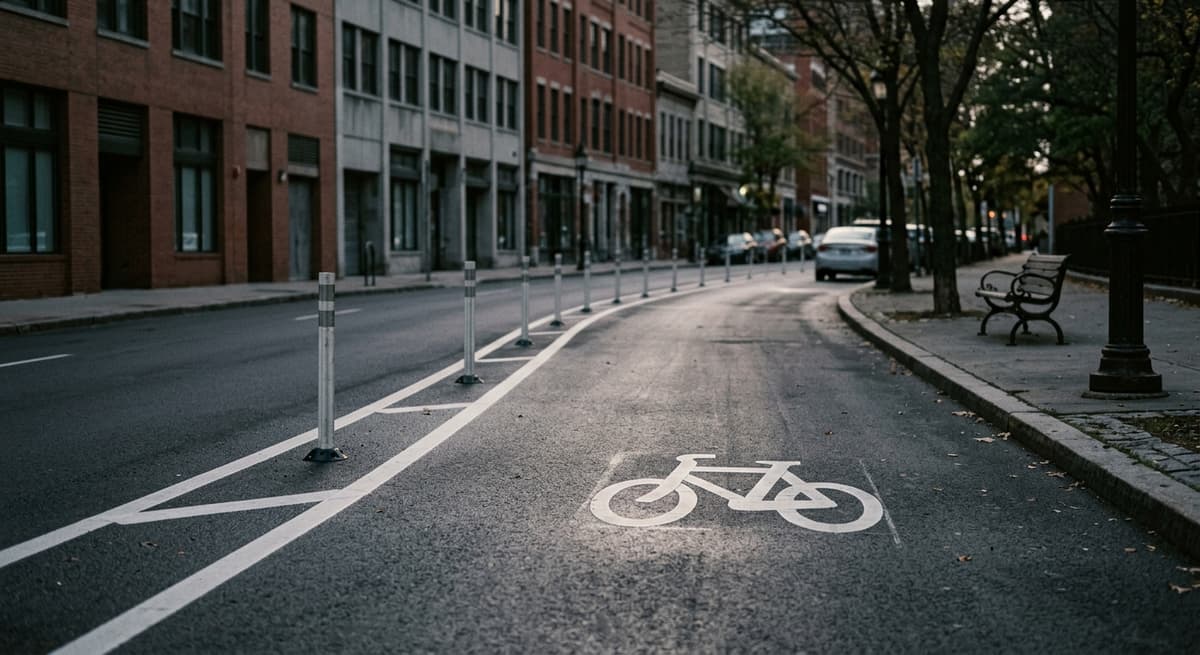
Riders must use a cycle path (cykelbana) where one exists. Riding on sidewalks or pedestrian paths (trottoarer or gångbanor) has been explicitly banned since 1 September 2022, per Transportstyrelsen.
Rider rules
Helmet
A helmet is mandatory only for riders under 15, the same threshold Sweden applies to ordinary bicycle riders.
Alcohol
Transportstyrelsen's guidance states riders must not operate an e-scooter while impaired by alcohol or other intoxicants, but the page this article consulted did not state a specific numeric blood alcohol threshold for cykel-classed e-scooters. A Swedish legal Q&A explainer (Lawline) confirms this is not an oversight: Swedish law genuinely sets no specific promille limit for cyclists or cykel-classed e-scooter riders. Instead, Trafikförordningen applies a general fitness-to-operate standard: a vehicle, including a cykel, may not be operated by someone whose alcohol impairment means they cannot control it safely. A rider who is only mildly affected may not be committing an offense on that basis alone, though reckless riding while impaired can still be punished as careless driving in traffic (vårdslöshet i trafik). This differs sharply from the car-style fixed-limit approach Norway and Denmark apply. Crucially, this changes if the device crosses the moped threshold described above: a scooter reclassified as a moped becomes subject to Sweden's ordinary drink-driving rules and numeric limits, the same stricter regime as a car.
Insurance
Transportstyrelsen notes that some e-scooters require traffic liability insurance (trafikförsäkring). This article did not verify the exact boundary for which devices trigger that requirement beyond the general cykel/moped classification described above.
Penalties
This article did not locate a published, itemized fine schedule for cykel-classed e-scooter violations (sidewalk riding, no helmet under 15, impaired riding) this session. The clearest legal consequence documented is structural rather than a fine: riding a scooter that exceeds the 20 km/h / 250 watt threshold without moped registration removes the device from lawful public road and path use altogether.
Enforcement in practice
This article did not find confirmed crackdown-style enforcement data for Sweden comparable to what Denmark and Norway have documented for alcohol-specific e-scooter enforcement. That absence of data is itself notable: Sweden's impaired-riding standard is a fitness-to-operate test rather than a fixed numeric limit, which structurally makes it harder to document enforcement the way a breath-test threshold does. An absence of crackdown reporting is not the same as an absence of law; the sidewalk ban and the moped-reclassification threshold apply regardless of how visibly any given municipality is enforcing them.
Legal history and what may change
The sidewalk ban took effect 1 September 2022. As of the research date behind this article, two 2025/26 Riksdag motions are pending: one proposing a mandatory helmet requirement for e-scooter riders of all ages (not just under 15), and one proposing broader tightening of e-scooter rules generally. Both are proposals only. Neither has been confirmed as passed into law, and this article does not treat either as current Swedish law. Anyone reading older or newer material describing an all-age helmet requirement in Sweden should check whether it has actually been enacted, since as of this research it had not.
For how neighboring Norway handles the same category with a fixed, car-level alcohol threshold instead of Sweden's impairment standard, see the full comparison in the world e-scooter law guide.
Frequently Asked Questions
Is my e-scooter legally a bicycle in Sweden?
Only if it stays within 20 km/h top speed and 250 watts of continuous power. Transportstyrelsen classifies a device within those limits as a cykel (bicycle). Exceed either limit and it stops qualifying, which can mean it is only usable in enclosed areas unless registered as a moped.
What happens if my e-scooter is faster than 20 km/h in Sweden?
It no longer counts as a cykel under Swedish traffic law. Per Transportstyrelsen, that generally means the device can only be used in enclosed areas unless it goes through the registration and plating process that applies to a moped.
Can I ride an e-scooter on the sidewalk in Sweden?
No. Riding on sidewalks and pedestrian paths (trottoarer and gångbanor) has been banned since 1 September 2022. Riders must use a cycle path where one exists.
Do I need a helmet to ride an e-scooter in Sweden?
Only if you are under 15. There is currently no all-age helmet mandate, though one has been proposed in a pending Riksdag motion that had not been enacted as of this article's research date.
Is there an alcohol limit for e-scooters in Sweden?
No specific numeric limit, unlike Norway's fixed 0.2 percent threshold. Sweden applies a general fitness-to-operate standard under Trafikförordningen instead: a cykel-classed e-scooter may not be ridden by someone too impaired to control it safely. That changes if the device exceeds the 20 km/h / 250 watt threshold and becomes a moped, at which point Sweden's ordinary numeric drink-driving limits apply.
Updates
Independently fact-checked against the cited primary sources
Sources and References
- Transportstyrelsen (Swedish Transport Agency): official guidance on elsparkcykel (e-scooter) classification, the 20 km/h / 250 watt threshold for counting as a cykel, the under-15 helmet rule, the sidewalk ban effective 1 September 2022, and insurance(transportstyrelsen.se).gov
- Riksdagen (Swedish Parliament): motion proposing an all-age helmet mandate for e-scooter riders(riksdagen.se).gov
- Riksdagen (Swedish Parliament): motion proposing stricter e-scooter rules generally(riksdagen.se).gov
- Lawline (Swedish legal Q&A service staffed by law students/lawyers): explainer confirming Swedish law sets no specific blood alcohol limit for cyclists or e-scooter riders classed as a cykel, relying instead on Trafikförordningen's general fitness-to-operate standard, and confirming that exceeding the 250 W / 25 km/h threshold reclassifies the device as a moped subject to stricter drink-driving rules(lawline.se)