Russia E-Scooter Laws: SIM Category, 25 km/h Cap, Local Bans (2026)
Independently fact-checked against primary sources (last audited July 23, 2026). How we verify our legal content
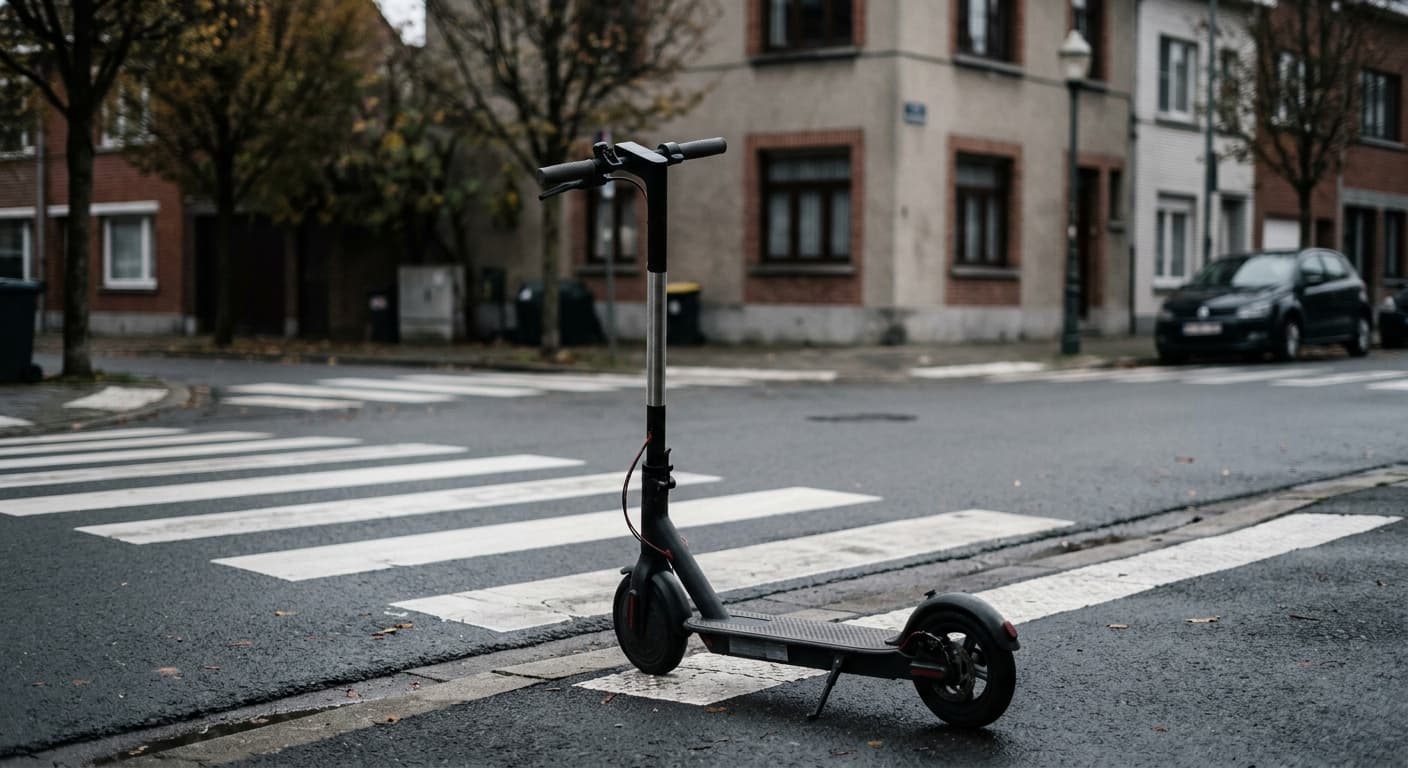
This article is general information about e-scooter (e-scooter, sredstvo individualnoi mobilnosti (SIM)) law and is not legal advice. Enforcement of Russian regulation is uneven and subject to non-transparent local and regional variation; for a specific legal question, consult a Russian lawyer or the official government gazette directly. Information last verified on 23 July 2026.
Are e-scooters legal in Russia?
Yes, nationally. Russia's federal traffic code, the PDD, has classified e-scooters and similar devices under a category called SIM, sredstvo individualnoi mobilnosti (individual mobility device), since Postanovlenie Pravitelstva RF No. 1769 of 6 October 2022 took effect on 1 March 2023. The text, as summarized and quoted by KonsultantPlyus, Russia's standard legal-reference database, introduces "the concept of an individual mobility device, a vehicle with one or more wheels (rollers), intended for the individual movement of a person through the use of a motor or motors (electric scooters, electric skateboards, hoverboards, Segways, monowheels, and other similar devices)."
This article relies on the KonsultantPlyus text as a near-primary source. Russia's official government gazette (publication.pravo.gov.ru), the underlying authoritative original, returned an HTTP 500 error on a direct fetch attempt this session, so the exact clause-by-clause wording should be treated as coming from a widely-relied-upon legal-reference mirror, not the raw gazette text itself.
Rental e-scooter schemes are legal and large-scale nationally, with platforms including Whoosh, MTS Yurent, and Yandex Go operating substantial domestic fleets, but they increasingly face local and regional restrictions layered on top of the federal rule, covered below.
What counts as an e-scooter here
The SIM category, as defined in the regulation, covers a vehicle with one or more wheels or rollers used for individual movement powered by a motor, and explicitly names electric scooters, electric skateboards, hoverboards, Segways, and monowheels as examples, alongside "other similar devices."
Where you can ride
The regulation permits SIM use "in the pedestrian zone" and "on the sidewalk, pedestrian path" for riders over 14, conditioned on the device weighing no more than 35kg, and "subject to one of the established conditions." That phrasing implies there is a menu of additional conditions beyond the weight limit that was not fully extracted from the source used this session; treat the 35kg detail as necessary but not necessarily sufficient on its own, and check the full regulation before relying on it for a specific situation.
In all cases of shared movement between pedestrians and cyclists or SIM users, the regulation states plainly that pedestrians have priority.
Rider rules
Age: 14, for pedestrian-zone and sidewalk use. The regulation permits SIM movement in a pedestrian zone or sidewalk for a rider over 14, subject to the weight and other conditions above.
Speed: 25km/h nationally. The regulation caps SIM movement at "no more than 25km/h."
Helmet: not confirmed. A helmet requirement was not found in the KonsultantPlyus summary extracted this session. Several general-audience Russian auto-press outlets, including Autonews and pdd24.com, reference the same March 2023 changes, but a dedicated check of whether a helmet is legally required was not completed this session. This article does not assert a specific helmet rule for Russia; treat any claim you see elsewhere with caution until confirmed against the full regulation text.
Penalties
No specific state traffic-fine figure for exceeding the 25km/h cap, or for riding without meeting the age or weight conditions, was extracted from the near-primary text used this session. What is documented instead is operator-side, contractual enforcement: one 2025 report describes Whoosh raising its own contractual fine for underage riders to as much as 100,000 rubles in Moscow. That figure is a platform contractual fine, not a state traffic-code penalty, and should not be confused with one.
Enforcement in practice
Russia's regulatory enforcement generally should be assumed uneven and subject to non-transparent local and regional variation, a general rule-of-law caveat that applies here as much as anywhere else. Two distinct layers of practical enforcement are visible in the research available:
First, rental platforms themselves are doing real work. Whoosh and other operators have unilaterally raised their own contractual fines for under-16 riders and fitted GPS and speed-limiter hardware to their fleets, meaning platform self-policing appears to be doing more of the practical, everyday enforcement than direct traffic-police stops against the federal PDD rule.
Second, a rising wave of outright local government bans is layering on top of the federal framework, covered in the section below.
Neither of these enforcement mechanisms changes what the federal rule actually requires. The 25km/h cap and the age-14/35kg pedestrian-zone condition apply regardless of whether a specific municipality has yet imposed its own additional ban, and a municipality that has not banned SIM use is not thereby granting a wider allowance than the federal rule sets.
Local and regional variation
A patchwork of local bans has grown on top of the national SIM rules. As of around June 2026, approximately 12 municipal districts in the Moscow region had restricted rental SIM use. Blagoveshchensk, a more restrictive example, banned both rental and private SIM use entirely, effective 14 July 2025.
This list is almost certainly incomplete and continuing to grow. Anyone relying on a specific city's current rule should re-check it directly rather than relying on any fixed "as of" list, including the one above.
Legal history and what may change
The SIM category was created by Postanovlenie Pravitelstva RF No. 1769 of 6 October 2022, effective 1 March 2023. Since then, the clearest trend is not a further change to the federal text itself but a growing municipal-ban patchwork and increasing platform self-regulation, both covered above, as the practical pressure points shaping how SIM use actually plays out on the ground.
For how another country with recent SIM-style reform compares, see the world e-scooter law guide for a full country-by-country comparison.
Frequently Asked Questions
Are e-scooters legal in Russia?
Yes, nationally, under the SIM (individual mobility device) category created by federal traffic-code amendments effective 1 March 2023. Local and regional bans in specific cities and districts are a separate, growing layer on top of that national rule.
What is the speed limit for e-scooters in Russia?
25km/h, under the federal SIM rule effective since 1 March 2023.
What is the minimum age to ride an e-scooter in Russia?
14, for riding in a pedestrian zone or on a sidewalk, and that permission is also conditioned on the device weighing no more than 35kg plus other established conditions not fully detailed in the source used for this article.
Do I need a helmet to ride an e-scooter in Russia?
This was not confirmed. A dedicated helmet requirement was not found in the near-primary legal summary used for this article, so any specific claim about a Russian e-scooter helmet law should be treated with caution until checked against the full regulation.
Are rental e-scooters like Whoosh legal in Russia?
Yes, nationally, though rental platforms increasingly operate under a patchwork of municipal and regional restrictions, and several platforms have added their own GPS speed limits and steeper contractual fines for underage riders.
Have any Russian cities banned e-scooters?
Yes. Blagoveshchensk banned both rental and private SIM use entirely from 14 July 2025, and around 12 municipal districts in the Moscow region had restricted rental use as of around June 2026. This list is likely incomplete and growing.
What happens if I ride an e-scooter without meeting the age or weight condition in Russia?
No specific state fine figure for this was confirmed this session. Rental operators separately impose their own contractual penalties, such as a reported 100,000-ruble fine some platforms have set for underage riders in Moscow, which is a platform rule rather than a state traffic fine.
Updates
Independently fact-checked against the cited primary sources
Sources and References
- KonsultantPlyus (Russia's standard legal-reference database): summary and quoted text of Postanovlenie Pravitelstva RF No. 1769 (06.10.2022), effective 1 March 2023, defining the SIM (individual mobility device) category, the 25km/h speed cap, and the age-14/35kg pedestrian-zone conditions(consultant.ru)
- AIF.ru (Russian national news outlet): coverage of the March 2023 SIM traffic-rule changes and their practical application(aif.ru)
- Habr (Russian technology and business publishing platform): coverage of rental e-scooter platform rules, GPS speed-limiting, and municipal restrictions(habr.com)
- 4PDA.to (Russian technology news outlet): coverage of rental operator self-regulation, including contractual fines for underage riders(4pda.to)
- Russian Wikipedia (ru.wikipedia.org): Whoosh company page, corroborating the scale of rental e-scooter platform operations in Russia(ru.wikipedia.org)