South Sudan E-Scooter Laws: A 2003 Statute, Unconfirmed Today (2026)
This article is general information about e-scooter laws in South Sudan and is not legal advice. The statute described below could not be confirmed as the country's current law in 2026, so confirm the actual current legal position with a South Sudanese lawyer before riding. Information last verified on 23 July 2026.
Are e-scooters legal in South Sudan?
This is the one country in this group where the honest starting point is about the source itself, not just the rule. The only full primary traffic-law text located in this research is "The Traffic Act, 2003," issued as part of the Laws of the New Sudan under SPLM/A administration, before South Sudan's 2011 independence and before the 2005 Comprehensive Peace Agreement. It was found submitted as part of South Sudan's own World Trade Organization accession legislative dossier, hosted by the WTO but supplied by the government of South Sudan as one of its own legal texts. That filing is some evidence the government still regarded the Act as operative law when it submitted the dossier, but no separate, confirmed post-independence traffic statute (a hypothetical "South Sudan Traffic Act 2013" or similar) could be located to establish whether this 2003 text remains in force today, was amended, or was replaced. This article cites it as the traffic law in force per South Sudan's own WTO accession filing, not as an independently, freshly verified 2026 statute, and readers should treat the current legal status as genuinely unconfirmed rather than settled.
With that caveat stated, here is what the 2003 text itself says. It repeals the prior Road Traffic Act, 1994, and defines motor vehicle as "a mechanically propelled vehicle excluding any vehicle running on a specially prepared way such as railway or tramway or any vehicle deriving its power from overhead electric power cables or such other vehicle as may from time to time by rules under this Act be declared not to be vehicles." That definition excludes only rail and overhead-wire vehicles by name, with no exclusion for small or light electric devices. Separately, the Act defines bicycle as "any bicycle or tricycle not self propelled," which means a self-propelled electric two-wheeler cannot be a bicycle under this text's own logic and falls to the motor vehicle definition by elimination, the same drafting pattern found in Sierra Leone's and Eswatini's Acts.
What counts as an e-scooter here
The 2003 text splits motor cycles into two classes, up to 50cc and above 50cc, in its licensing schedule. An e-scooter has no cc rating, so it does not obviously slot into either class without a regulator's ruling. Regardless of which class question is unresolved, the device would default to the Act's general motor vehicle registration requirement, since it is excluded from the bicycle definition either way.
Where you can ride
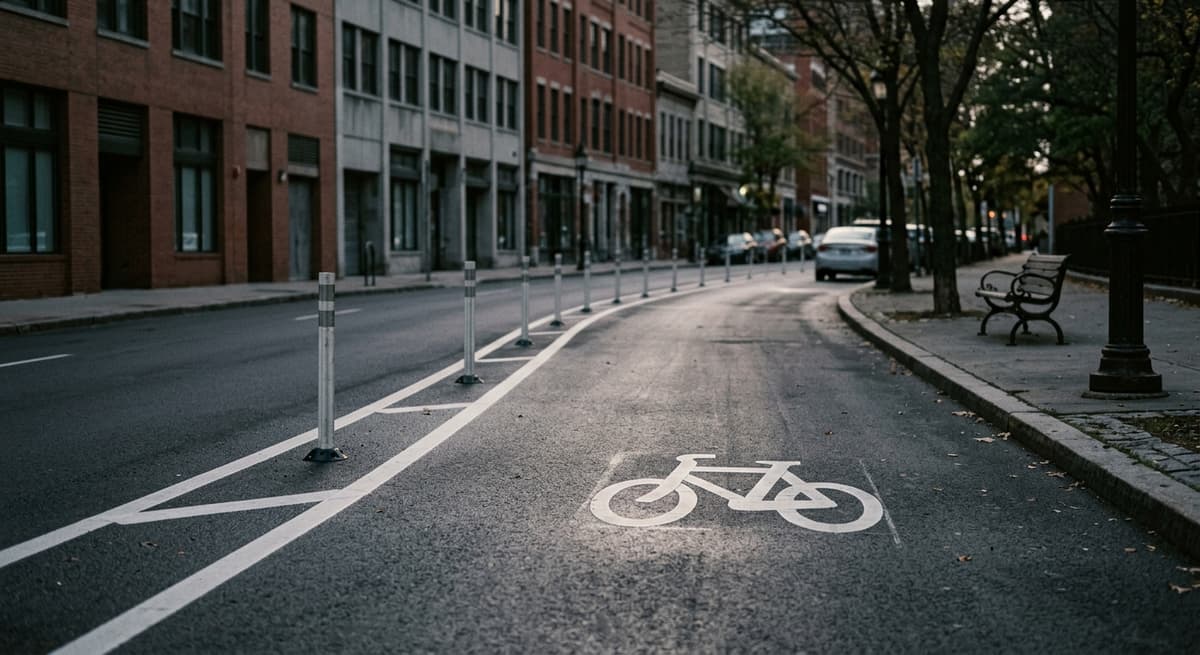
No scooter-specific road-use provision was located in the 2003 text. As a motor vehicle by elimination, the general rules for motor vehicles, rather than any cycle exemption, would apply if this text is in fact still current law.
Rider rules
The 2003 text sets the minimum driving-licence age at 18: "A driving licence or provisional driving licence shall be granted to a person of eighteen years of age or above." No lower-tier licence category, comparable to Zambia's 16-year-old auto cycle allowance, exists in this text for a lighter powered two-wheeler.
Enforcement in practice
No incident reports, enforcement data, or rental-operator presence for e-scooters were found for Juba or elsewhere in South Sudan. That silence is a data gap, and it should not be read as evidence either that the device is tolerated or that any particular law is or is not currently enforced.
Legal history and what may change
South Sudan's Transitional Constitution generally continues pre-existing laws until they are repealed, which is consistent with the 2003 Act still being in force, but this research could not reach a working government gazette or legislative portal (the National Legislative Assembly's own site and other government hosts were not reachable) to confirm the point directly. Anyone relying on this page for a current legal determination should treat the underlying statute's 2026 status as an open question, not a resolved one.
Frequently Asked Questions
Is South Sudan's e-scooter law confirmed to be current in 2026?
No. The only full traffic-law text located is a 2003 pre-independence order found in South Sudan's own WTO accession filing. No separate post-independence statute could be located to confirm whether it remains in force, so its current status is unconfirmed rather than settled.
Under the 2003 Traffic Act, would an e-scooter count as a motor vehicle?
On the text's own definitions, yes by elimination. The Act defines bicycle as not self-propelled, so a self-propelled electric device cannot be a bicycle, and the motor vehicle definition excludes only rail and overhead-wire vehicles, not small electric devices.
What is the minimum driving age under South Sudan's traffic law?
The 2003 Traffic Act sets 18 as the minimum age to be granted a driving licence, with no lower category for a lighter powered two-wheeler.
Are there rental e-scooters in Juba?
None were found in this research.
Sources and References
- The Traffic Act, 2003 (Laws of the New Sudan), Section 2, repeal clause and definition of "Motor Vehicle", filed in South Sudan's WTO accession dossier(wto.org)
- The Traffic Act, 2003, definition of "Bicycle" (not self propelled)(wto.org)
- The Traffic Act, 2003, motor cycle class schedule (up to 50cc and above 50cc)(wto.org)
- The Traffic Act, 2003, driving licence minimum age provision (18 years)(wto.org)