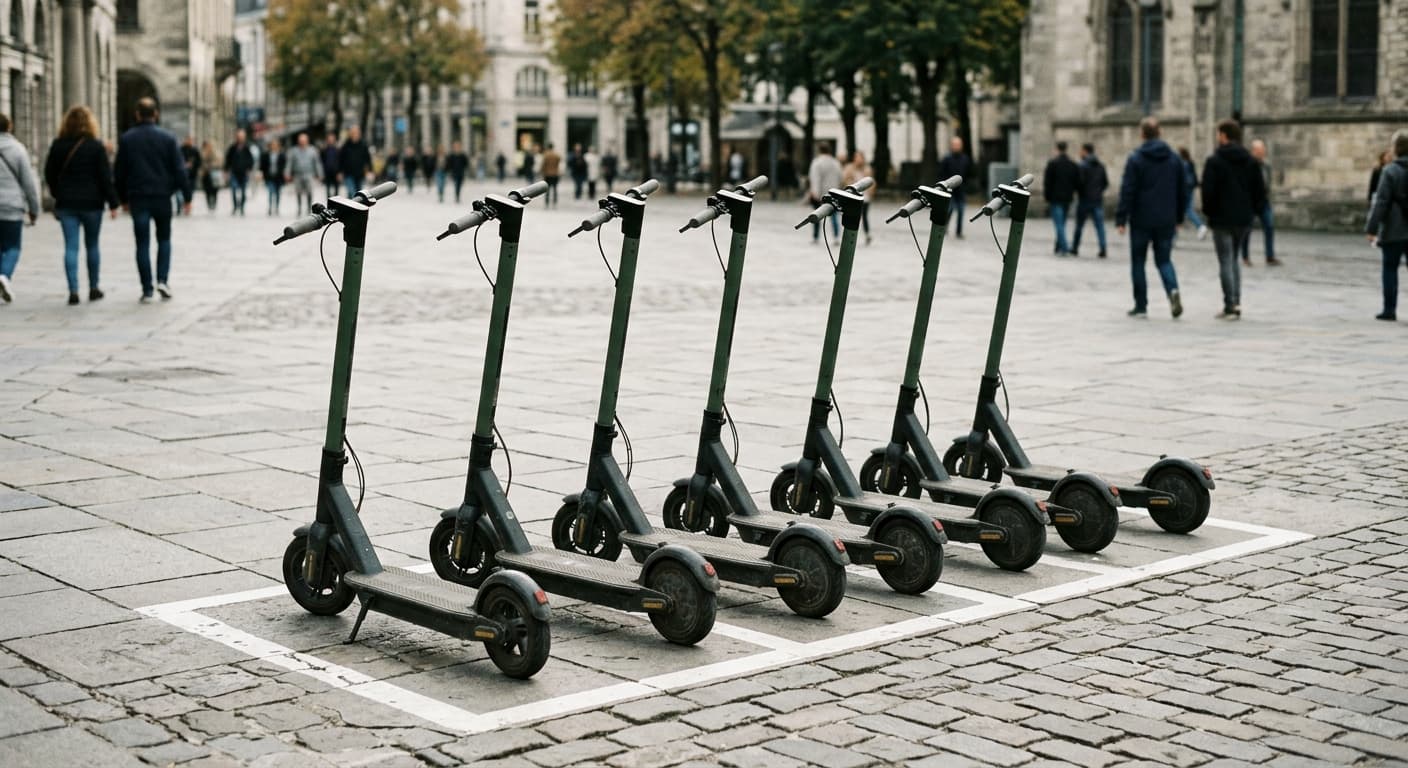
Ivory Coast E-Scooter Laws: The 2016 Road Code Already Covers It (2026)
Côte d'Ivoire has no e-scooter statute, but the 2016 road code defines a motor vehicle by any mechanical propulsion device, wording that already covers an e-scooter.
5 min read
Loading...
264 articles · page 3 of 5
Côte d'Ivoire has no e-scooter statute, but the 2016 road code defines a motor vehicle by any mechanical propulsion device, wording that already covers an e-scooter.
Jamaica's 2018 Road Traffic Act still classifies e-scooters as motor cycles with no wattage or speed floor, treating them as ordinary vehicles for registration.

Japan's Article 30-4 is the world's broadest AI training exemption. Learn what it covers, where it stops, and how AI-generated output is treated in Japan.

Defamation in Japan is both a crime (Penal Code Art 230) and a civil tort (Civil Code Art 709). 2022 raised insult penalties. Defences and remedies explained.
E-scooters have been legal nationwide in Japan since July 2023. See the 20 km/h cap, age 16 minimum, effort-only helmet rule, and the narrow sidewalk exception.

Defamation in Jordan is mainly criminal under the Penal Code (No. 16 of 1960) and the harsh 2023 Cybercrime Law, with limited civil compensation available.
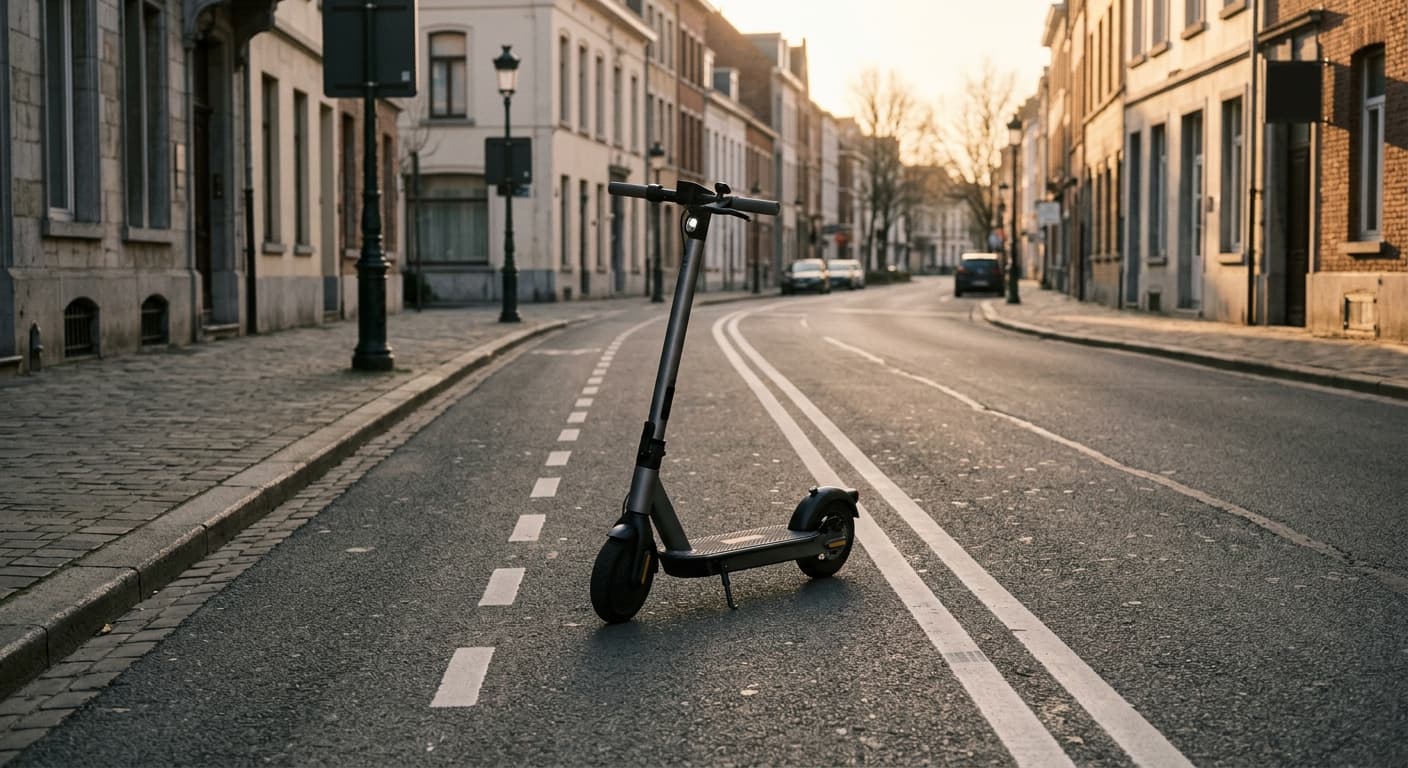
Jordan has no e-scooter statute, but its 2008 Traffic Law's broad motorcycle definition likely applies, implying registration, an 18-year age floor, and a mandatory helmet.
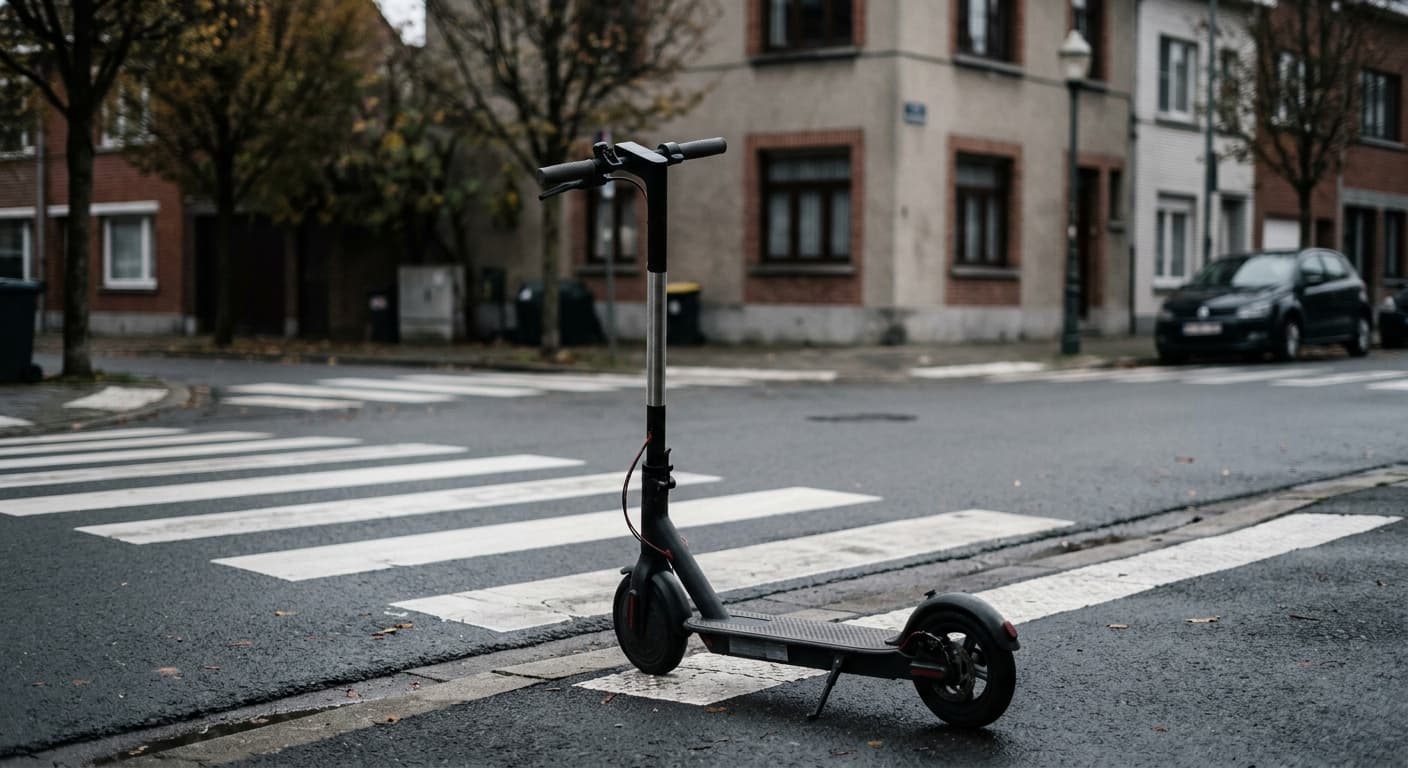
Kazakhstan caps e-scooters at 6 km/h on sidewalks under Article 168-1 and requires a helmet only on the roadway. Rental scooters need a licence from 1 July 2026.

Defamation in Kenya is now civil only: the Defamation Act Cap 36 governs claims; criminal defamation (Penal Code s.194) was ruled unconstitutional in 2017.
Kenya's Traffic Act has no e-scooter category, but its broad definitions sweep scooters into the same motorcycle rules, requiring a helmet, registration, and insurance.

Defamation in Kuwait is both civil and criminal: Penal Code articles 209-210 and Cybercrime Law No. 63 of 2015 for online insult and slander.
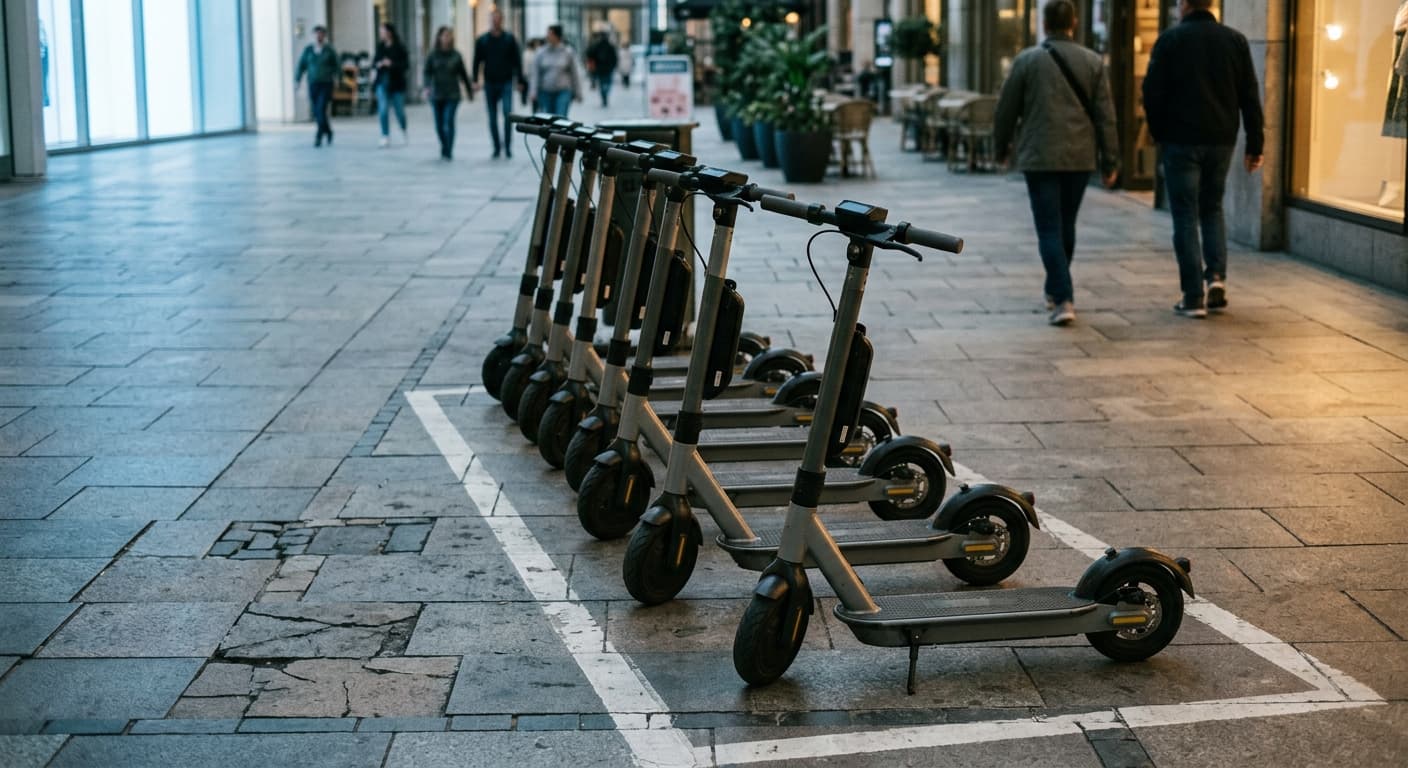
Kuwait allows owning an e-scooter but has banned riding one on any public road, sidewalk, or footpath since October 2020, with violators risking a two-month vehicle seizure.
Kyrgyzstan created its first e-scooter category in 2026 for devices up to 0.25 kW or 25 km/h, with registration becoming mandatory six months after publication.
Laos exempts electric bicycles and low-speed e-scooters from vehicle registration, which also means no age, helmet, or speed rule governs how they are ridden.

In Latvia defamation is both criminal and civil. Criminal Law section 157 punishes it, and Civil Law section 2352.a allows retraction and damages.
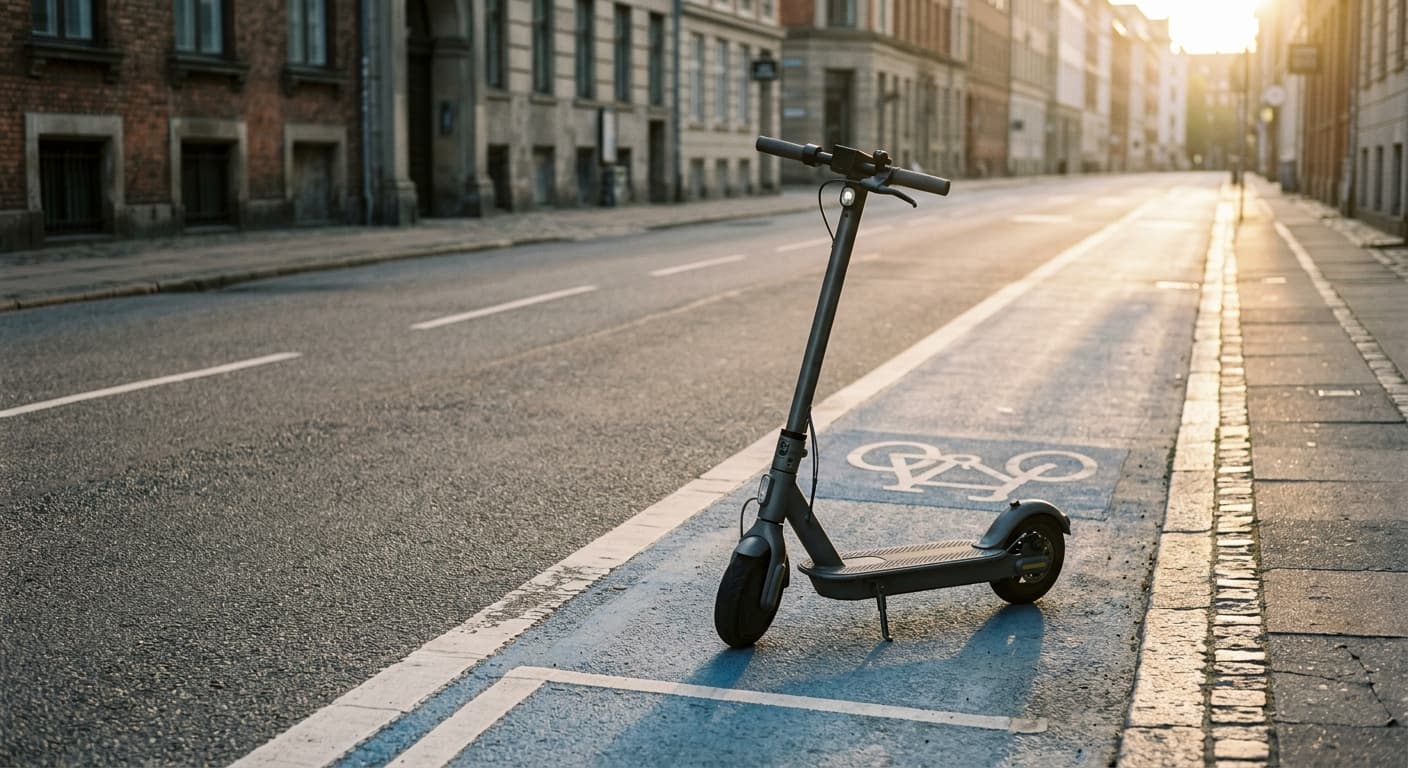
Latvia has required state registration for private e-scooters since January 2024, alongside a minimum riding age of 14 paired with a bicycle or driving licence.
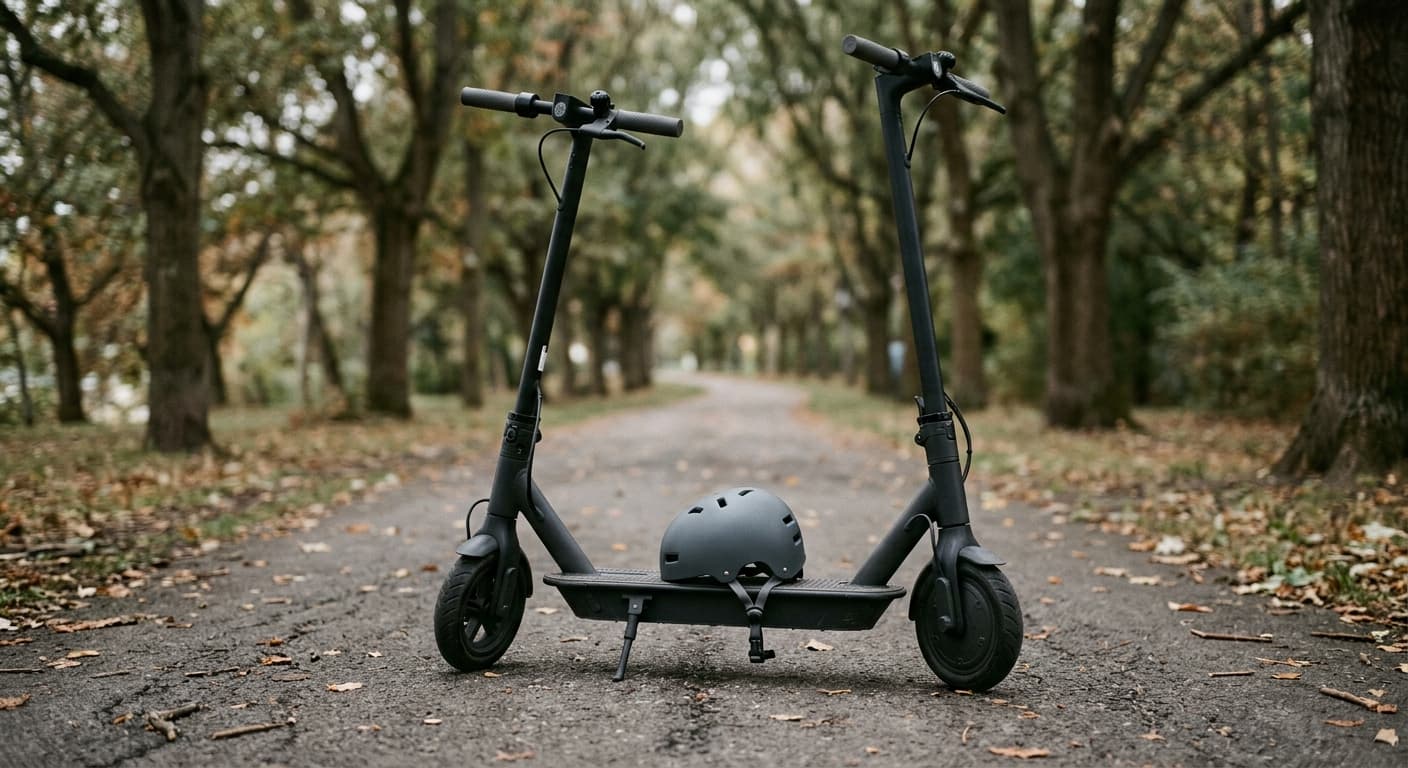
Lebanon has no e-scooter-specific law. E-scooters fall under its motorized-bicycle category, generally needing an 18-plus licence, and sidewalk riding is a listed violation.
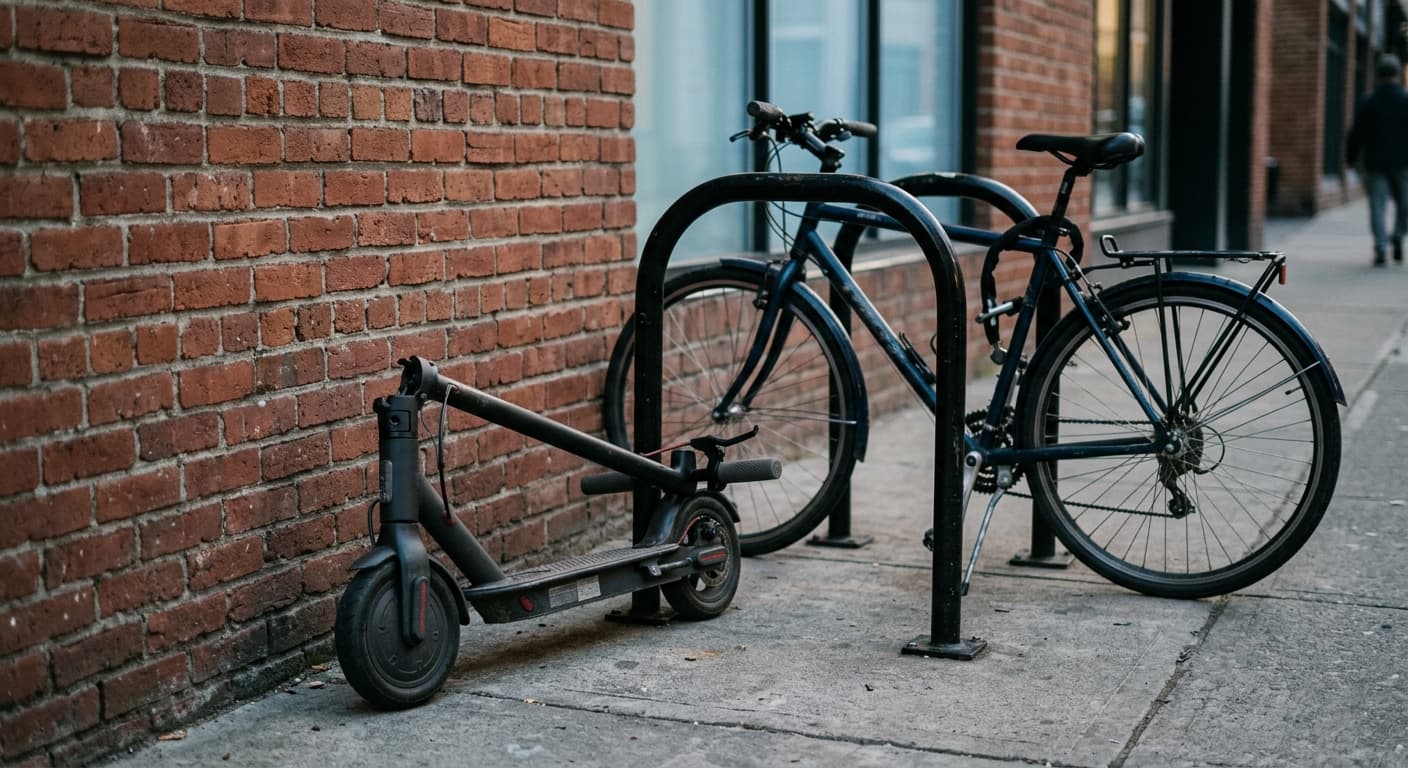
In Lesotho, an e-scooter cannot qualify as a lenient moped because that category is combustion-only. It defaults to the full motor cycle regime instead.
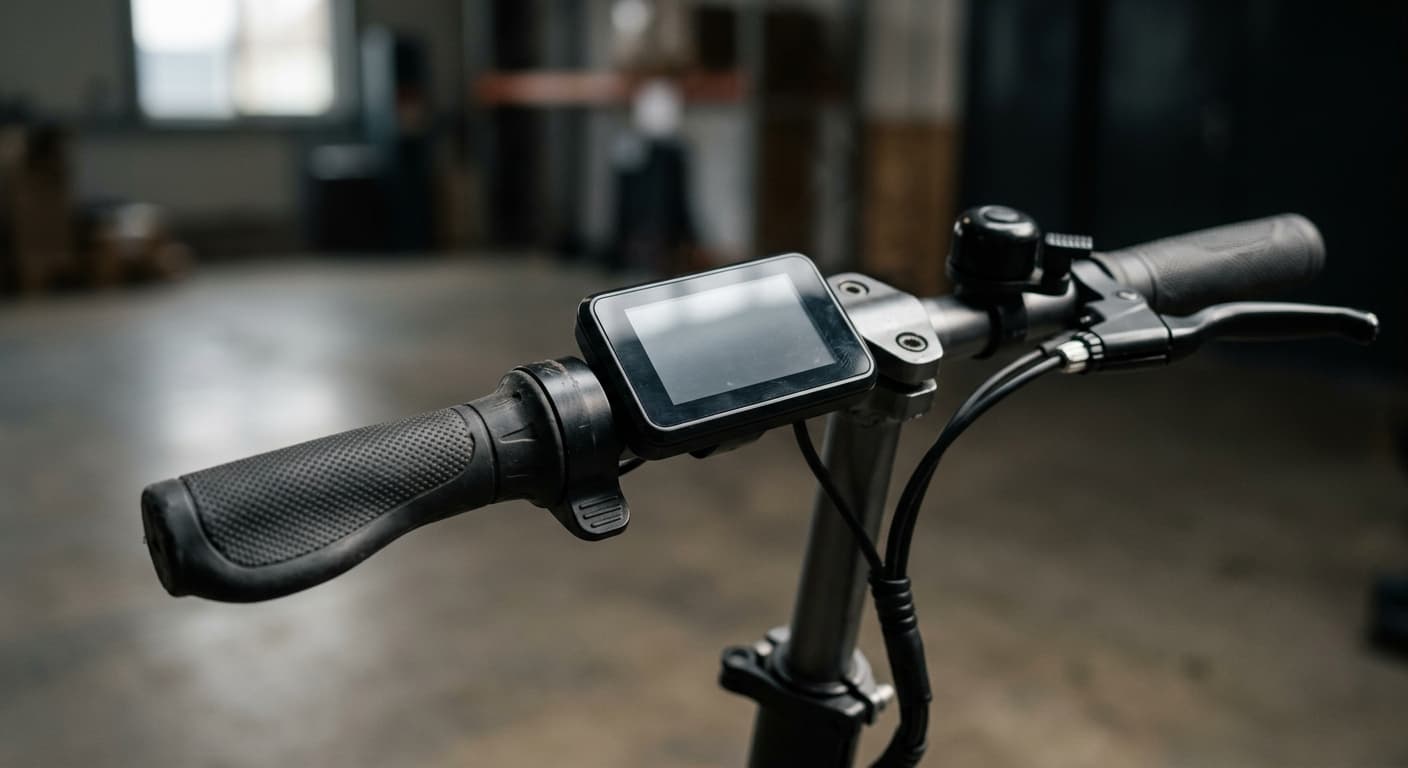
Liberia's 1972 Vehicle and Traffic Law already defines motor vehicles to include electric propulsion, sweeping e-scooters into its existing motor scooter registration fee class.
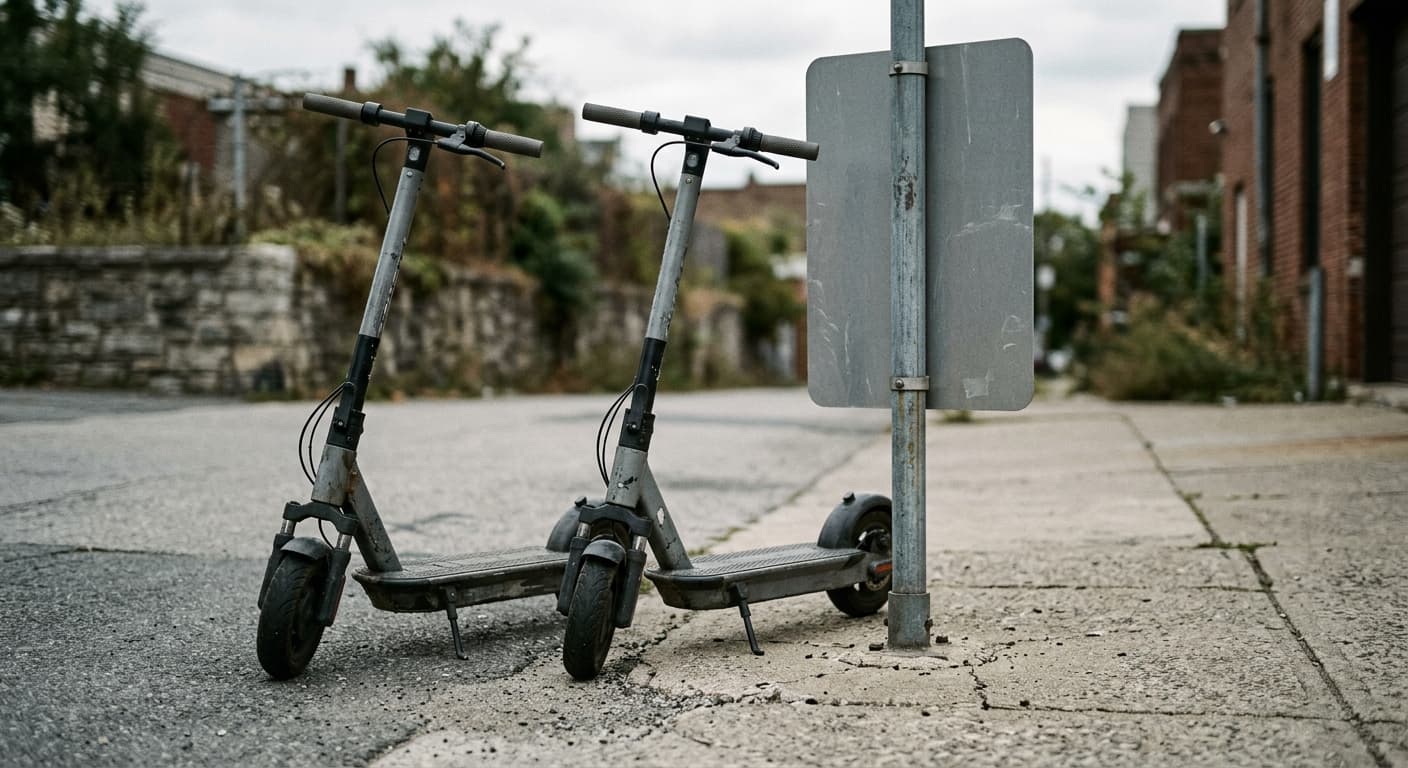
Libya has no e-scooter law and, since 2014, no single national traffic authority. Here is what the 1984 traffic statute says and why enforcement barely applies.
Are e-scooters legal in Liechtenstein? The 500W/20 km/h light-motorbike category, the age 14-15 licence rule, no helmet requirement, and where riding is barred.
Lithuania tiers e-scooter access by age, from supervised courtyard riding under 10 to unrestricted road use at 16, with a general 20 km/h cap and a 7 km/h limit near pedestrians.

In Luxembourg defamation is both criminal and civil. The Criminal Code punishes calomnie and diffamation; the 2004 media law gives a public defence.
Luxembourg's MVE category covers e-scooters up to 1,000 watts and 25 km/h, with no legal helmet requirement, though wearing one is strongly recommended.
Madagascar defines every moped and motorcycle category by a combustion engine, so an e-scooter defaults to the general motor vehicle regime, which still requires registration.
Malawi's Road Traffic Act excludes only 'pedestrian-controlled' electric vehicles from its motor vehicle definition, leaving whether a ridden e-scooter qualifies an open legal question.

Defamation in Malaysia is both civil (Defamation Act 1957) and criminal (Penal Code ss.499-502, up to 2 years), with online cases under CMA section 233.
Malaysia has banned e-scooters from every public road since December 2021, limiting them to gazetted parks and pedestrian zones, with fines up to RM5,000 or jail time.
Malta allows privately owned, registered e-kickscooters, but banned nationwide commercial rental schemes from 1 March 2024, reportedly the first EU country to do so.
Mauritania's road code names a velomoteur category, but gates it at 100cc, a figure an electric motor lacks. Here is what applies to e-scooters instead.
Mauritius has enforced a licence, insurance, and registration regime for electric-motor vehicles since March 2021, requiring a helmet with fines up to Rs5,000.

Mexico decriminalized defamation federally in 2007, making it mainly a civil moral-damages claim, though a minority of states still treat it as a crime.
Mexico has no federal e-scooter law. Compare Guadalajara's 2024 rules with Mexico City's stricter VEMEPE/VEP regime taking effect in 2026, city by city.
Are e-scooters legal in Moldova? The 2022 Regulamentul circulatiei rutiere amendment, technical thresholds, age and helmet rules, and where riding is allowed.
Mongolia banned riders under 18 from operating e-scooters starting 1 July 2026, after 532 accidents involving these devices in 2024, though adult rules were not confirmed.
Montenegro's e-scooter rule is still taking shape. Reporting cites a 16-plus age minimum and a 25 km/h cap, but this article could not confirm it is yet in force.

In Morocco defamation is civil and criminal. The 2016 Press Code (Law 88-13) made press defamation fine-only; the Penal Code keeps prison offences.
Morocco has no e-scooter law in force. A decree adopted 9 July 2026 would add a helmet mandate and 25 km/h cap, but it awaits Bulletin Officiel publication.

Defamation in Mozambique is civil and criminal: the 2019 Penal Code (arts 233 to 242) punishes difamacao and injuria; the Civil Code allows damages.
Mozambique's road code never names e-scooters, but its ciclomotor category, capped at 4kW for an electric vehicle, most plausibly pulls a fast one into registration duties.
Myanmar's national vehicle law treats e-scooters like motorcycles, requiring registration, a licence, and a helmet, while several Yangon townships separately ban them.
Namibia's Road Traffic and Transport Act likely treats an e-scooter as a motor vehicle, but its text sets out no helmet requirement or minimum age for one.
Defamation in Nepal is both civil and criminal: the 2017 Penal Code (ss.305 to 308) punishes slander and libel, and the Civil Code allows a damages claim.
Nepal has no dedicated e-scooter category, so riders must register and license one as an ordinary motor vehicle, with fines of NPR 1,000 to 5,000 for skipping registration.
In the Netherlands defamation is both criminal and civil. The Criminal Code punishes smaad, laster, and belediging; tort law allows damages.

How Dutch law is organised: the Boeken of the Burgerlijk Wetboek, which court decides what, how citations work, and the figures that reset each January.
New Caledonia runs its own road code, separate from mainland France's e-scooter rules, and its moped definition requires scooter registration and a licence from age 14.
Defamation in New Zealand is a civil wrong only under the Defamation Act 1992. Criminal defamation was abolished. Defences, remedies and the 2-year limit.
Nicaragua's traffic law never names scooters or patinetas. Its propulsion-neutral vehicle definition sweeps a motorized scooter into the same category as a car.
Defamation in Nigeria is both a civil tort and a crime. Criminal Code s.375, northern Penal Code s.392, Cybercrimes Act s.24 online. Defences and remedies.
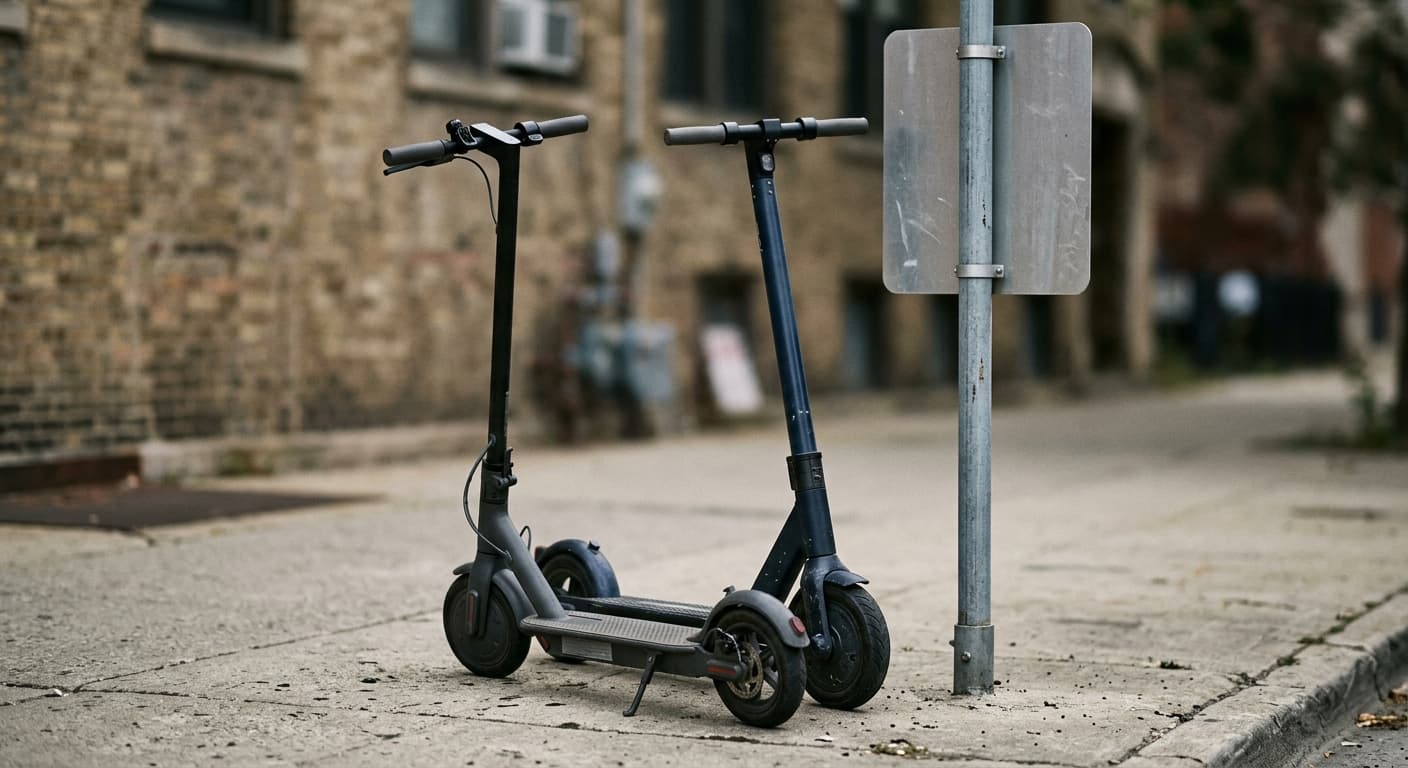
Nigeria's Lagos State Road Traffic Law 2012 has zero e-scooter mentions. The okada and keke road bans do not extend to e-scooters. Here is what that gap means.
North Macedonia raised its e-scooter minimum age from 14 to 18 on 14 July 2026, lowered the bike-lane cap to 20 km/h, and made helmets mandatory for all riders.
Norway decriminalized defamation in 2015. It is now a civil-only matter under the Damages Compensation Act section 3-6a; there is no general defamation crime.
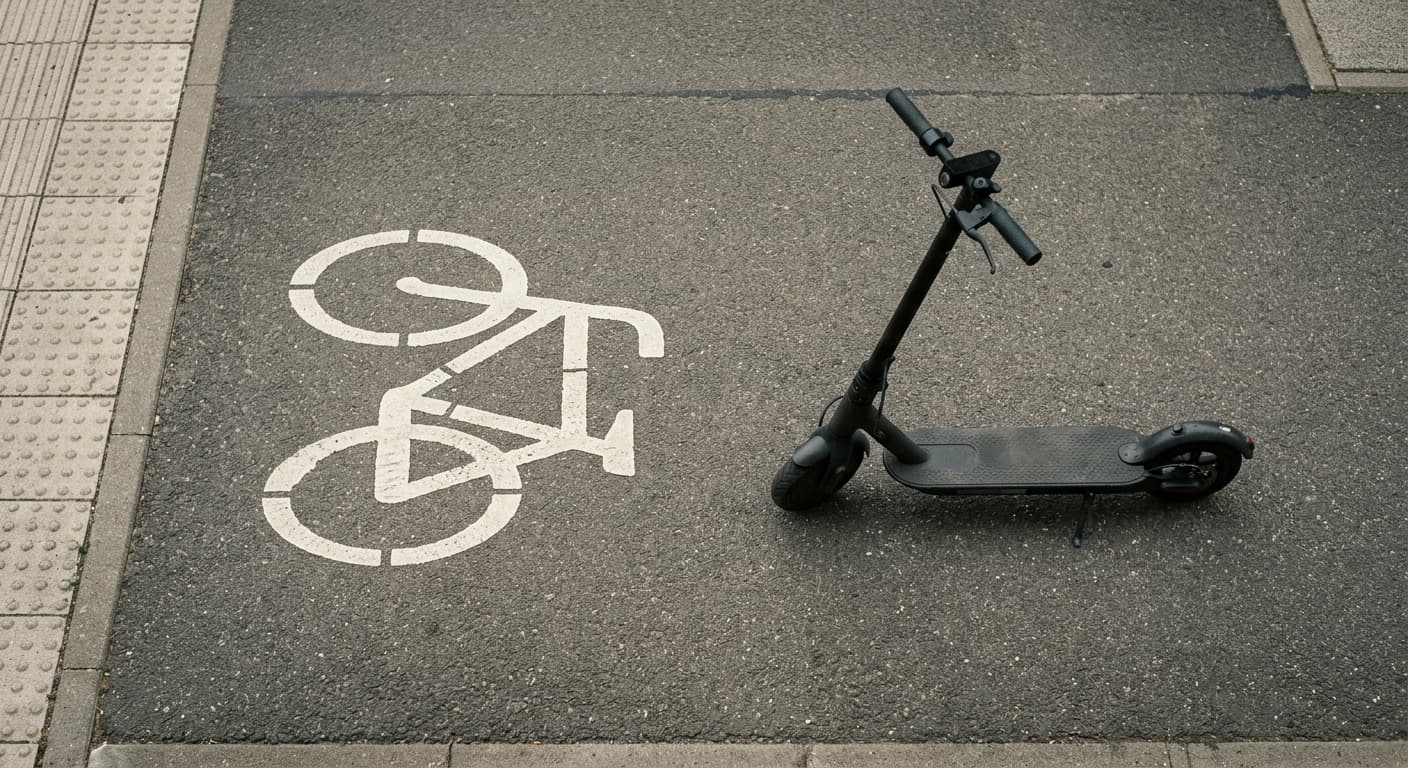
Norway enforces a strict 0.2 promille alcohol limit on e-scooter riders, the same severity as drunk driving in a car, plus a minimum age of 12 and a helmet rule under 15.
Defamation in Oman is both civil and criminal: Penal Law 2018 articles 326-329 and the Cybercrime Law for online insult and slander.
Oman's written Traffic Law bars motorcycles, including e-scooters, from pavements, but Royal Oman Police's own public statements say the opposite, and nothing reconciles the two.
Defamation in Pakistan is both civil (Defamation Ordinance 2002, Punjab Act 2024) and criminal (Penal Code 499/500), with online liability under PECA.
Pakistan's 1965 Motor Vehicles Ordinance has no e-scooter exemption, so a scooter defaults to motor cycle rules requiring registration, an 18-year-old rider, and a helmet.
Palestinian Authority traffic law never names e-scooters, but its broad motor vehicle definition sweeps them in, and the law applies only in Areas A and B.
Defamation in Panama is a crime under Penal Code arts 193-194 (injuria, calumnia) plus civil liability, with higher penalties for online posts.