New Caledonia E-Scooter Laws: Own Road Code, Not France's EDPM Rules (2026)
This article is general information about e-scooter law in New Caledonia and is not legal advice. The Direction de l'Industrie, du Transport terrestre et du Travail (DITTT) or a locally admitted lawyer can confirm the current position for your situation. Information last verified on 23 July 2026.
Are e-scooters legal in New Caledonia?
New Caledonia is a sui generis French collectivity with its own competency over land transport, and it has used that competency to adopt its own Code de la route rather than simply importing the mainland French one. The territory's transport directorate, DITTT, states directly that the Code de la route de la Nouvelle-Calédonie is downloadable from the territory's own JURIDOC GNC legal database, describing it as the instrument that governs driving-licence and road-traffic matters locally. That single fact matters more than it looks: mainland France created a dedicated EDPM (engin de déplacement personnel motorisé) category for e-scooters by decree in 2019, with its own 25 km/h speed cap and helmet rules. New Caledonia's separately adopted code was never updated to match it.
Searching the full text of the current New Caledonia code (dated to 20 September 2024) for trottinette, EDPM, or any equivalent personal mobility device term returns nothing. The concept does not exist in the local code at all. That does not mean e-scooters fall into a gap, though. The code's vehicle-category definitions were last substantially touched for two and three-wheelers in 2016, and one of those categories, cyclomoteur, is written broadly enough to capture a powered scooter by its ordinary wording.
What counts as an e-scooter here
Article R.171, in the code's Titre V covering cycles, mopeds, and light quadricycles, defines cyclomoteur as "tout véhicule à deux ou trois roues équipé d'un moteur d'une cylindrée ne dépassant pas 50 centimètres cubes s'il est à combustion interne (ou d'une puissance maximale nette n'excédant pas 4 kilowatts pour les autres types de moteur), et ayant une vitesse maximale par construction ne dépassant pas 45 kilomètres à l'heure." In English, that is any two or three-wheeled vehicle fitted with a motor no larger than 50cc if it runs on internal combustion, or no more powerful than 4 kilowatts for any other motor type, built to a maximum speed of 45 km/h.
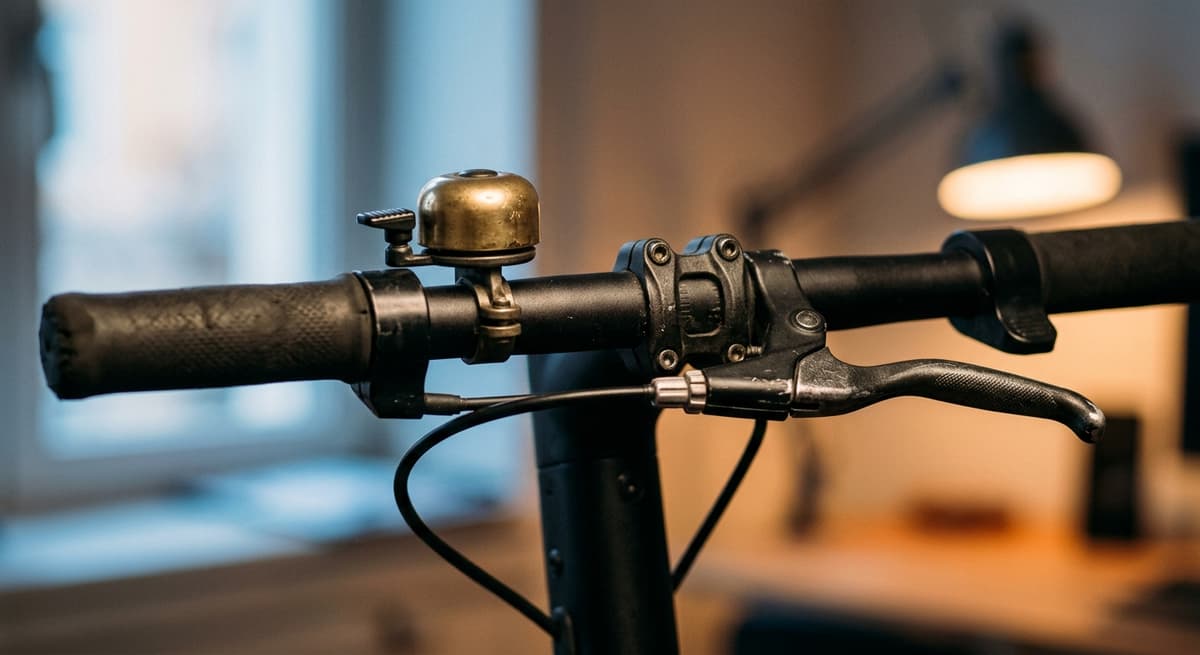
A typical consumer e-scooter, an electric motor under 4 kW, two wheels, and a top speed well under 45 km/h, meets that wording. The same article separately defines cycle à pédalage assisté (a pedal-assist e-bike capped at 0.25 kW with assistance cutting off at 25 km/h) and states that, throughout the code, a pedal-assist bike "est assimilé à un cycle", meaning it is treated as an ordinary non-motorized bicycle rather than a cyclomoteur. That carve-out exists specifically because the bike has pedals and a low power ceiling. A throttle-operated standing scooter with no pedals does not fit it, which leaves cyclomoteur as the category that actually reaches it.
Where you can ride
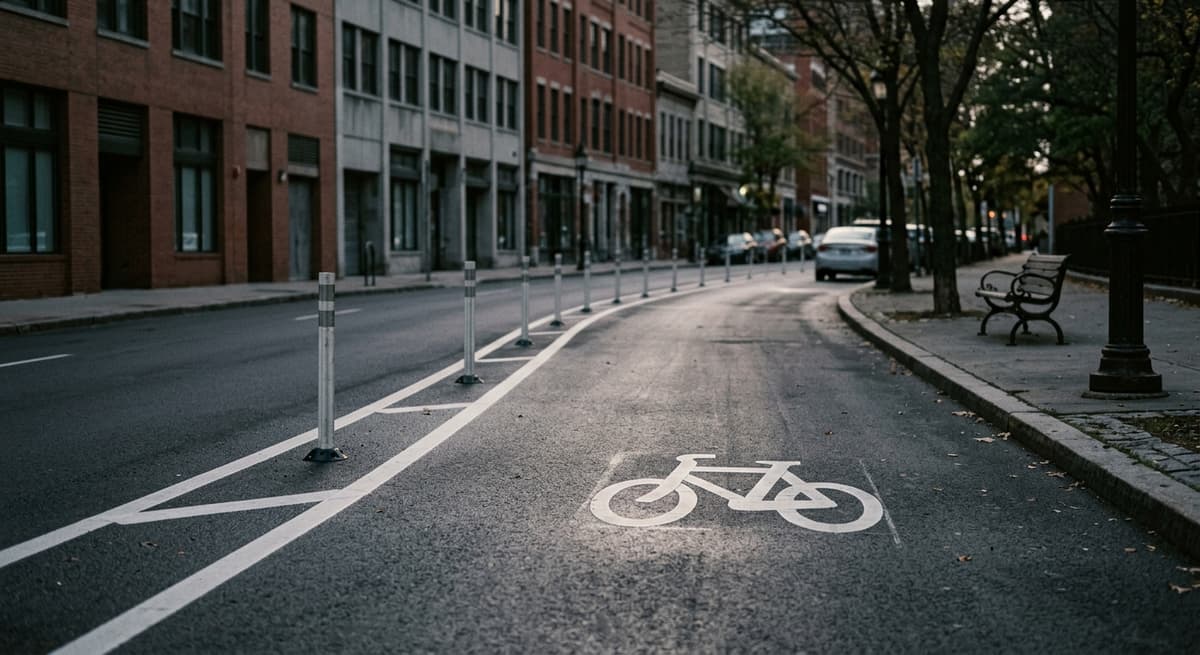
No source located in this research describes a lawful path to riding an unregistered, unlicensed electric scooter on New Caledonia's roads, cycle lanes, or footpaths. Because the device is classified as a cyclomoteur rather than a pedestrian aid, ordinary footpath or sidewalk use is not treated as a permitted alternative to complying with the vehicle rules described below.
Rider rules
Article R.186 applies the code's general vehicle-registration articles (R.103 to R.111) to cyclomoteurs and light motorized quadricycles, meaning a device meeting the cyclomoteur definition must be registered before use, the same as a car or motorcycle in principle. Article R.187 additionally requires a permit issued by the government of New Caledonia to drive a cyclomoteur, available from age 14 after passing the required tests, and states that no international driving permit is issued to holders of that local cyclomoteur permit.
A consumer e-scooter is not manufactured with a vehicle identification number, type approval, or any other feature that New Caledonia's registration process for a cyclomoteur is built around. That gap is practical, not written into the law as an exemption. The code simply was not drafted with a device like this in mind.
Penalties
This research did not confirm specific fine amounts for riding an unregistered or unlicensed cyclomoteur under New Caledonia's code. The code's general provisions state that transforming the motor of a registered vehicle in Titre V to increase power or speed is separately prohibited, but no fine figure for that offence was verified this session, so none is stated here.
Enforcement in practice
No enforcement data, whether citation counts, seizures, or reported incidents, specific to e-scooters was found for New Caledonia in this research. That absence does not change the legal position described above and is not evidence that riding an unregistered scooter is tolerated or permitted. For how mainland France's dedicated EDPM rules work by contrast, see France's e-scooter laws.
Legal history and what may change
New Caledonia's road code traces back to a 1965 territorial deliberation and has been amended repeatedly since, most recently for the cyclomoteur and cycle definitions by a November 2016 deliberation. The code's own historical note lists a steady stream of amendments through the following decades, but none located in this research adds an EDPM, trottinette, or personal mobility device category. Nothing in the sources reviewed indicates such a change is currently proposed.
Frequently Asked Questions
Are electric scooters legal in New Caledonia?
New Caledonia has no dedicated e-scooter or EDPM category. Instead, its own locally adopted Code de la route defines 'cyclomoteur' broadly enough (two or three wheels, a motor up to 4 kilowatts if not internal combustion, top speed up to 45 km/h) to capture a standing electric scooter, which brings registration and driving-permit requirements rather than leaving it unregulated.
Does New Caledonia follow mainland France's e-scooter rules?
No. New Caledonia's transport directorate confirms the territory has adopted its own separate Code de la route, distinct from the metropolitan French Code de la route that created France's dedicated EDPM category in 2019. New Caledonia's code was not updated to match it.
Do I need to register an e-scooter in New Caledonia?
If it meets the code's 'cyclomoteur' definition, which a typical consumer e-scooter does on its wording, Article R.186 applies the general vehicle-registration rules to it, in principle the same as any other motor vehicle.
Do I need a permit to ride an e-scooter in New Caledonia?
Under Article R.187, driving a cyclomoteur requires a permit issued by the government of New Caledonia, available from age 14 after passing the required tests.
Is an e-bike treated the same as an e-scooter in New Caledonia?
No. The code specifically defines a pedal-assist e-bike capped at 0.25 kW, with assistance cutting off at 25 km/h, as equivalent to an ordinary bicycle, not a cyclomoteur. A throttle-driven scooter with no pedals does not qualify for that carve-out.
Is there an e-scooter rental scheme in New Caledonia?
No rental e-scooter scheme was found operating in New Caledonia in this research.
Sources and References
- Code de la route de la Nouvelle-Calédonie, Article R.171 (cyclomoteur, cycle, cycle à pédalage assisté, and quadricycle léger à moteur definitions), consolidated to 20 September 2024(juridoc.gouv.nc).gov
- Code de la route de la Nouvelle-Calédonie, Article R.186 (registration of cyclomoteurs and light motorized quadricycles, applying the general vehicle-registration articles R.103-R.111)(juridoc.gouv.nc).gov
- Code de la route de la Nouvelle-Calédonie, Article R.187 (driving permit required to ride a cyclomoteur, minimum age 14)(juridoc.gouv.nc).gov
- Direction de l'Industrie, du Transport terrestre et du Travail (DITTT), driving-licence regulation page confirming the Code de la route de la Nouvelle-Calédonie is New Caledonia's own separate instrument, downloadable via JURIDOC GNC(dittt.gouv.nc).gov
- JURIDOC GNC, list of codes in force, confirming 'Code de la route de la Nouvelle-Calédonie' as a distinct code from 'Code de la route' (the metropolitan French text as applicable locally)(juridoc.gouv.nc).gov