Kazakhstan E-Scooter Laws: PDD Article 168-1 and the 2026 Rental Rules
This article is general information about e-scooter law in Kazakhstan and is not legal advice. Kazakhstan's traffic rules change by ministerial order with limited advance notice, so for a specific situation consult a Kazakh lawyer or the official adilet.zan.kz legal database directly. Information last verified on 23 July 2026.
Are e-scooters legal in Kazakhstan?
Yes. Kazakhstan's Traffic Rules, known as the PDD (Правила дорожного движения), are set out in Government Resolution No. 1196. A dedicated e-scooter clause, Article 168-1, was added to that resolution through Ministry of Internal Affairs orders dated 31 August 2023 (No. 671) and 25 December 2024 (No. 1013). The clause governs where and how an e-scooter rider may move, rather than banning the devices outright.
The clause itself states: "Electric scooter riders shall move along a bicycle path or bicycle lane. In the absence of a bicycle path or bicycle lane, electric scooter riders shall move along: the right edge of the roadway... in a single file; the shoulder; the sidewalk or pedestrian path, at a speed not exceeding six kilometers per hour, without creating danger for pedestrian traffic." That wording was read from an English mirror of the rules at 24pdd.kz, not from the official adilet.zan.kz page for the same instrument, which returned as a blank page when checked directly this session. Treat the exact clause numbering as coming from a reliable mirror rather than the raw government text.
Rental e-scooters are legal and widely used in large cities, but they are now subject to a separate rule that took effect 1 July 2026, covered below.
What counts as an e-scooter here
The rule text read for this article describes how an e-scooter rider must move but does not spell out a device specification, such as a maximum motor power or top speed, that separates an electric scooter from a moped for legal purposes. Some Kazakh press coverage from 2023 describes a 25 km/h cutoff and administrative fines of 3 to 5 MCI (a Kazakh calculation index) for violations, but this article could not independently open and confirm those figures this session, so they are not repeated here as settled fact.
Where you can ride
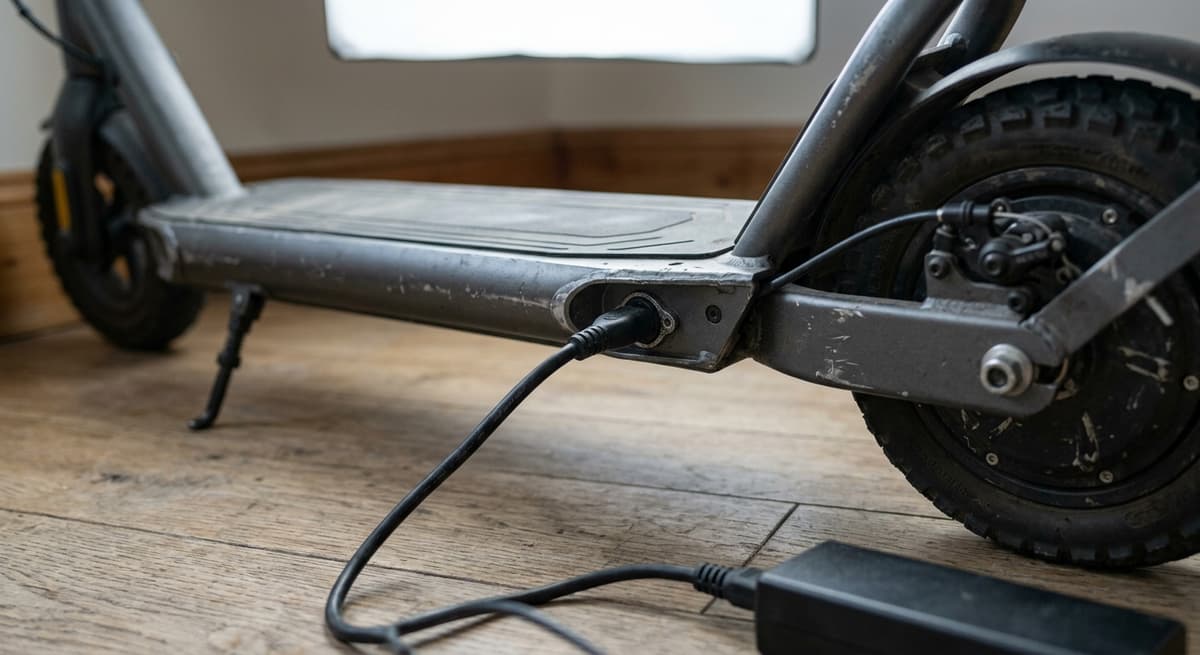
Article 168-1 sets a clear order of preference. A bicycle path or bicycle lane comes first. Where neither exists, a rider may use the right edge of the roadway in single file, the road shoulder, or the sidewalk or pedestrian path.
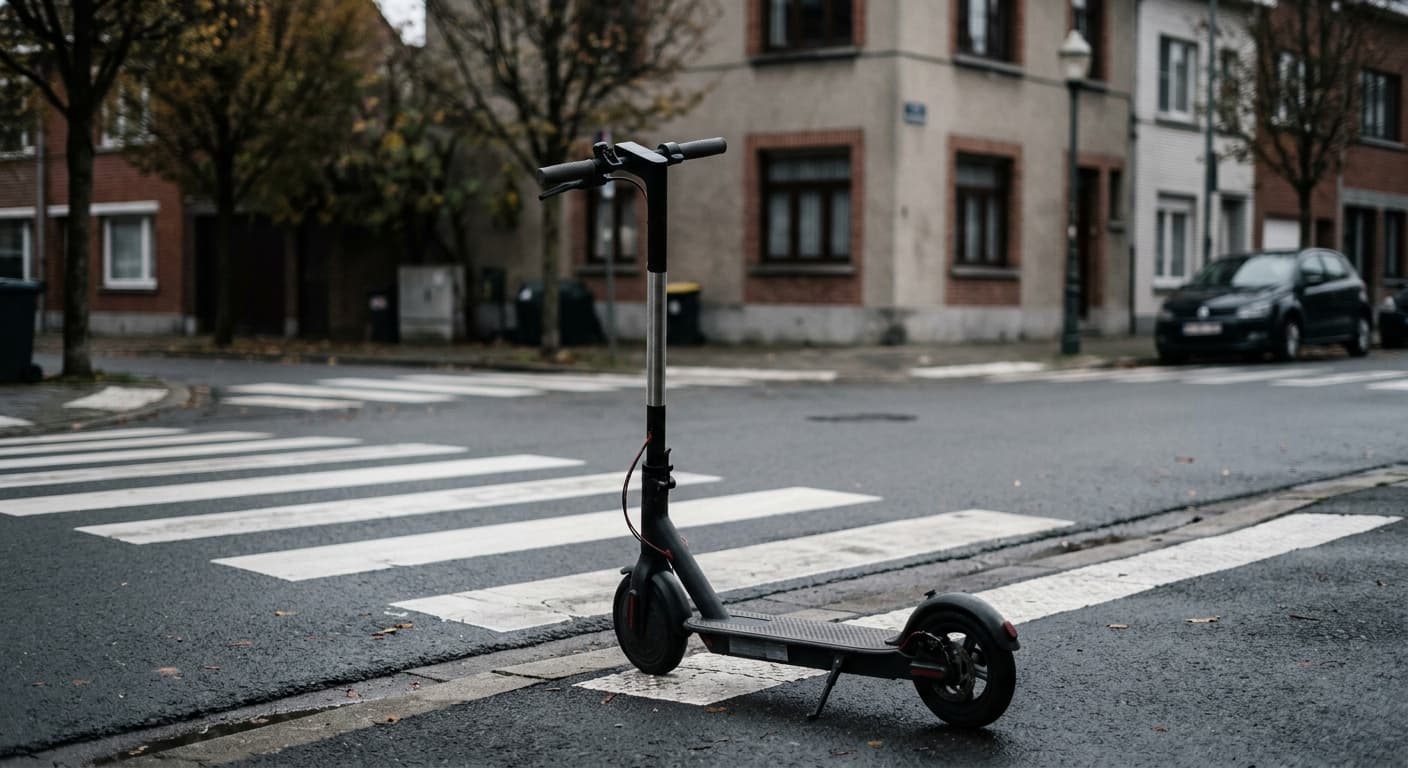
Sidewalk and pedestrian-path riding is capped at 6 km/h, and riders must not create danger for pedestrians. Riding through a pedestrian crossing while still on the scooter is not permitted under the rule.
That 6 km/h sidewalk cap is confirmed independently by Tengrinews' report on the Mazhilis bill that created Article 168-1, which described the same limit in near-identical terms when the bill passed its first reading in the lower house of parliament.
Rider rules
Age and licence. Article 168-1 does not set one universal minimum age. Beyond that, sources disagree on the roadway licence rule. The 24pdd.kz mirror of Article 168-1 says a rider under 18 who uses the right edge of the roadway, rather than a bicycle path or the sidewalk, needs a driving licence to do so. Tengrinews' reporting on the Mazhilis bill that created this rule describes it differently: riding on the roadway is permitted only from age 18, with a driving licence required at that point, an 18-and-older reading rather than an under-18-only one. Kazakhstan's official legal database, adilet.zan.kz, returned as unreachable when checked directly for this article, so which version reflects the current rule could not be confirmed.
Helmet. Article 171 lists what e-scooter and bicycle riders are not allowed to do, including "when driving on the carriageway, be without a buttoned helmet." Read plainly, that means the helmet duty applies specifically to riding on the carriageway, not to riding on a sidewalk or bicycle path.
Other conduct rules. The same article also bars carrying passengers, carrying cargo beyond set limits, towing, and riding without reflective gear at night.
Rental scooters from 1 July 2026. A separate, more recent change applies specifically to rental fleets. Kazakh state broadcaster 24.kz reported that as of 1 July 2026, sidewalk riding is no longer allowed for rental e-scooters, every rental unit is assigned its own number, and rental operators now have full tracking of their fleets.
Most significantly, renting a two-wheeled device without a driving licence became impossible under the new rule. State media described this as rental e-scooters "effectively becoming full-fledged vehicles" once they are rented out, distinguishing that regime from ordinary private ownership under Article 168-1.
Penalties
This article could not confirm the exact fine amounts for an Article 168-1 or Article 171 violation this session. Kazakhstan's general Code of Administrative Offenses covers traffic-rule violations broadly, and a specific figure for scooter-rule violations likely exists within it, but the primary text was not reachable directly for this article, so no specific fine amount is stated here.
Enforcement in practice
Real shared-scooter fleets operate in Almaty, and that city is the explicit backdrop for the 1 July 2026 rental rule. An Almaty police representative, Aidyn Merkimbaev, was quoted in Kazakh state media saying the devices are now very common transport and that authorities "are not trying to restrict them" outright, framing the new rule as tracking and accountability rather than prohibition.
Enforcement patterns described in this reporting do not change what Article 168-1 and Article 171 actually require of a private rider. A city where scooters are common is not thereby granting a wider legal allowance than the national rule sets.
Legal history and what may change
Article 168-1 traces back to a bill Kazakhstan's Mazhilis, the lower house of parliament, passed in its first reading on 10 May 2023, reported by Tengrinews, before it was implemented through two Ministry of Internal Affairs orders in 2023 and 2024. The rental-specific tightening is very recent, taking effect 1 July 2026, only weeks before this article was researched. Whether that rental change was made by a Cabinet resolution or an MVD order, and its formal citation number, was not confirmed against adilet.zan.kz directly this session. Treat it as reported by 24.kz until independently checked.
For how neighboring countries structured similar new e-scooter rules, see the world e-scooter law guide for a country-by-country comparison.
Frequently Asked Questions
Are e-scooters legal in Kazakhstan?
Yes. Kazakhstan's Traffic Rules include a dedicated e-scooter clause, Article 168-1, that sets out where and how riders may travel rather than banning the devices.
What is the speed limit for e-scooters in Kazakhstan?
Article 168-1 caps sidewalk and pedestrian-path riding at 6 km/h. No separate roadway speed cap for e-scooters was found in the text read for this article.
Do I need a helmet to ride an e-scooter in Kazakhstan?
Only when riding on the carriageway (the roadway itself), under Article 171. The rule read for this article does not extend the helmet duty to sidewalk or bicycle-path riding.
Do you need a driving licence to ride an e-scooter in Kazakhstan?
Sources disagree. A rules mirror of Article 168-1 says only riders under 18 need a licence for roadway riding, while press coverage of the bill that created the rule describes an 18-and-older, licence-required rule for anyone on the roadway. Kazakhstan's official legal database could not be reached to confirm which applies. Separately, as of 1 July 2026, renting a scooter at all requires a driving licence under the new rental-specific rule regardless of age.
What changed for e-scooters in Kazakhstan on 1 July 2026?
New rules for rental e-scooters specifically: sidewalk riding is no longer allowed for rental units, every rental scooter is individually tracked, and renting one without a driving licence became impossible. Private ownership under Article 168-1 was not changed by this update.
Can I ride an e-scooter on the sidewalk in Almaty?
For a privately owned scooter, Article 168-1 allows sidewalk riding at up to 6 km/h without endangering pedestrians. For a rental scooter, sidewalk riding was specifically removed as of 1 July 2026.
Sources and References
- 24pdd.kz: English mirror of Kazakhstan's Traffic Rules (PDD), quoting Article 168-1 (electric scooter movement rules) and Article 171 (helmet requirement on the carriageway)(24pdd.kz)
- 24.kz (Kazakh state television): report on the new rental e-scooter rules effective 1 July 2026, including Almaty police comment(24.kz)
- adilet.zan.kz: Kazakhstan's official legal information system page for the Traffic Rules (Government Resolution No. 1196); the page rendered as a script-based shell with no extractable article text when checked directly this session, so it is cited as the official source pointer, not as the source of the quoted clause text above(adilet.zan.kz).gov
- tengrinews.kz: report on the Mazhilis (lower house of parliament) bill that recognized e-scooters as a vehicle category, confirming the 6 km/h sidewalk speed cap later codified in Article 168-1(tengrinews.kz)
- tengrinews.kz: companion report describing the same bill as requiring riders to be 18 or older with a driving licence for roadway riding, which conflicts with the under-18-only licence rule stated in the 24pdd.kz mirror of Article 168-1(tengrinews.kz)