DRC E-Scooter Laws: Electric Motors Miss the Moped Exemption (2026)

This article is general information about e-scooter laws in the Democratic Republic of the Congo and is not legal advice. Rules can change and enforcement varies by province, so confirm current requirements with a Congolese lawyer or the Ministere des Transports before riding. Information last verified on 23 July 2026.
Are e-scooters legal in the Democratic Republic of the Congo?
The DRC's governing statute is the Loi n78-022 du 30 aout 1978 portant nouveau Code de la route. It defines vehicle categories by engine type, and that drafting choice is what decides an e-scooter's status.
Article 2.17 defines cyclomoteur, the code's lenient moped category, as a two or three-wheeled vehicle fitted with a "moteur thermique" (thermal, meaning combustion, engine) of no more than 50 cubic centimeters and a design speed capped at 50 km/h. An electric motor is not a moteur thermique, so an e-scooter cannot qualify as a cyclomoteur no matter how small or slow it is.
Article 2.16 defines cycle as a vehicle propelled exclusively by human muscular energy, which also excludes a motorized e-scooter. That leaves Article 2.19, the catch-all vehicule a moteur definition: any vehicle fitted with a propulsion motor that moves under its own power on the road, excluding only cyclomoteurs and rail vehicles by name. Because the exclusion names cyclomoteurs specifically and an e-scooter cannot be one, the plain text of Article 2.19 catches it. This is a sweep-in, not a gap: the device is regulated, just under rules built for cars and motorcycles.
What counts as an e-scooter here
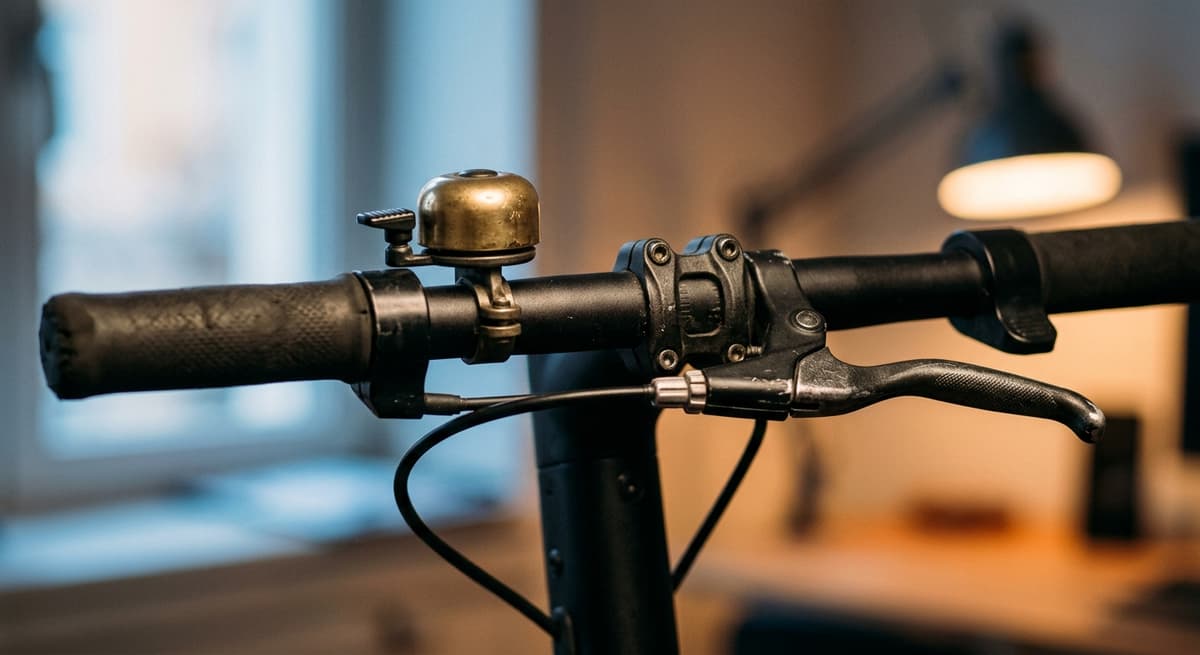
The code has no definition written for e-scooters, kick scooters, or personal mobility devices as such. Its category system runs entirely on engine type and, for the categories that have one, engine displacement. An electric kick-scooter is classified by elimination: not a cycle (it has a motor), not a cyclomoteur (its motor is not thermal), so vehicule a moteur by default.
Where you can ride
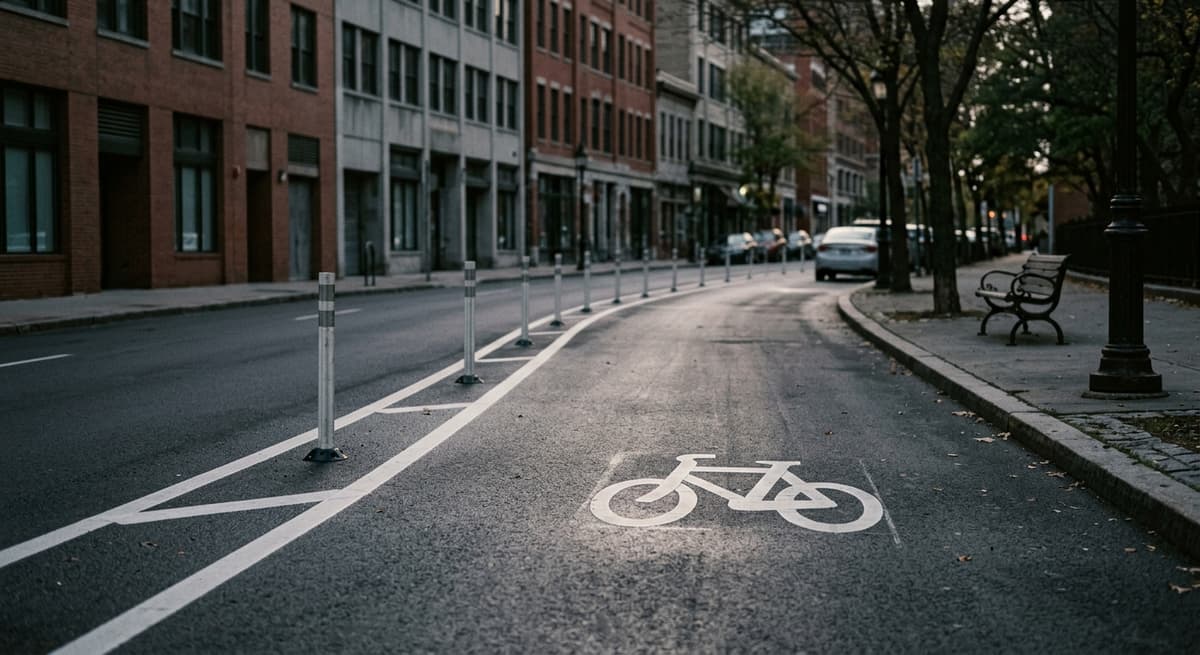
The code reserves cycle-specific provisions to genuinely human-powered vehicles, so an e-scooter cannot rely on cycle-path rights the way a bicycle can. As a vehicule a moteur, it would in principle be expected to use the general road network subject to the same registration and permit obligations as any other motor vehicle, obligations this research found no practical path to satisfy for a device of this type.
Rider rules
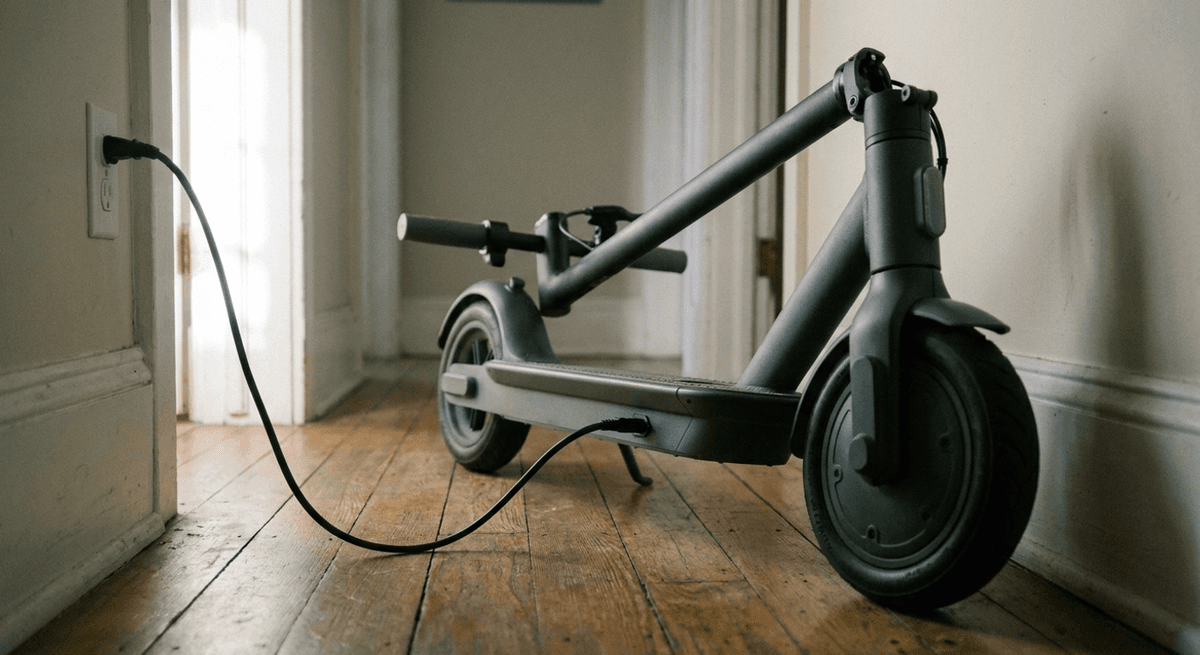
The obligations that follow from vehicule a moteur status include mandatory registration (immatriculation) with the competent transport authority and a category-specific driving permit. The DRC's permit categories are built around motorcycles (displacement-based) and cars/trucks (weight and seat-based); none of them was found to have a class that actually fits a small electric kick-scooter. In practice this means there is no confirmed lawful route to register or licence an e-scooter under the current text, even though the vehicle category formally applies to it.
Enforcement in practice
No incident reports, police-enforcement data, or rental-operator presence were located for Kinshasa, Lubumbashi, or any other DRC city in this research. That silence is a data gap, not evidence of tolerance. Enforcement patterns, where they exist, do not change the legal status of a device and are not permission to ride it.
Legal history and what may change
Whether a post-1978 implementing decree or a Kinshasa urban-mobility circular has since created an e-scooter-specific exception could not be confirmed in this research. Until such a text surfaces, the 1978 code's general sweep-in remains the best-available reading of the law.
Frequently Asked Questions
Are electric scooters treated the same as gas-powered mopeds in the DRC?
No. The Code de la route's cyclomoteur (moped) category is defined by a thermal engine, so an electric scooter cannot qualify for it. Instead it falls into the general vehicule a moteur category, which carries heavier registration and permit obligations than the moped class.
Can I register an e-scooter in Kinshasa?
The 1978 Code de la route requires vehicule a moteur registration, but this research found no permit or registration category actually built for a small electric kick-scooter. There is no confirmed lawful process for registering one under the current text.
Can I ride an e-scooter on a bike path in the DRC?
The code's cycle provisions are written for human-powered vehicles only. An e-scooter, being motorized, does not qualify as a cycle under Article 2.16, so it cannot rely on cycle-path rights the way a bicycle can.
Are there rental e-scooter schemes in the DRC?
None were found in this research for Kinshasa or any other DRC city.
What law governs vehicles in the Democratic Republic of the Congo?
The Loi n78-022 du 30 aout 1978 portant nouveau Code de la route is the primary statute. It defines vehicle categories by engine type and displacement, which is what determines how an e-scooter is classified.
Sources and References
- Loi n78-022 du 30 aout 1978, Art. 2.17 (cyclomoteur defined by moteur thermique, thermal engine only)(leganet.cd)
- Loi n78-022 du 30 aout 1978, Art. 2.19 (vehicule a moteur catch-all definition)(leganet.cd)
- Loi n78-022 du 30 aout 1978, Art. 2.16 (cycle defined as human-power only)(leganet.cd)
- Loi n78-022 du 30 aout 1978, Art. 2.18 (motocycle definition)(leganet.cd)