Mauritius E-Scooter Laws: Licence, Insurance and Helmet Rules Since 2021 (2026)
This article is general information about e-scooter laws in Mauritius and is not legal advice. Rules can change, so confirm current requirements with a Mauritian lawyer or the National Land Transport Authority before riding or renting. Information last verified on 23 July 2026.
Are e-scooters legal in Mauritius?
Mauritius has the most developed electric-scooter framework of any country covered in this batch, and unlike most of the region, it is one with confirmed real-world enforcement behind it. The Road Traffic Act 1962 (Act 22 of 1962), as consolidated, defines "motor vehicle" as a mechanically propelled vehicle intended for use, or capable of being used, on roads, unless a vehicle has been excluded from that definition by regulation. "Mechanically propelled" is the same operative phrase that has been read elsewhere to include electric motors, and the Act goes further than that general definition: it separately defines "electric motor vehicle" as a vehicle powered by an electric motor drawing current from rechargeable storage batteries, fuel cells or other portable electrical sources, and "hybrid electric vehicle" as its own standing category too.
Since March 2021, electric mopeds and scooters have been directly regulated in practice, not just in theory. Riders need a learner's permit or a full driving licence, the vehicle must be insured and registered, and both the driver and any passenger must wear a helmet and a reflective vest, requirements drawn from the Road Traffic Regulations 2013. This is not a dormant statute; it is an actively applied regime with fines actually being issued.
What counts as an e-scooter here
Section 4 of the Act, "Classification of motor vehicles," sets a real, numeric ladder for two-wheelers. An "autocycle" is a two-wheeled motor vehicle, with or without pedals, with an engine capacity of no more than 50cc. A "motorcycle" is a mechanically propelled vehicle with no more than four wheels and an unladen weight of no more than 400kg, other than an autocycle or invalid carriage. Separately, in the Act's hard-shoulder-stopping exemption provisions, "electric cycle," "auto cycle" and "motorcycle" are listed as three distinct vehicle types, which confirms that "electric cycle" is its own recognized statutory category in Mauritius, not just an electric version of an autocycle or motorcycle by inference.
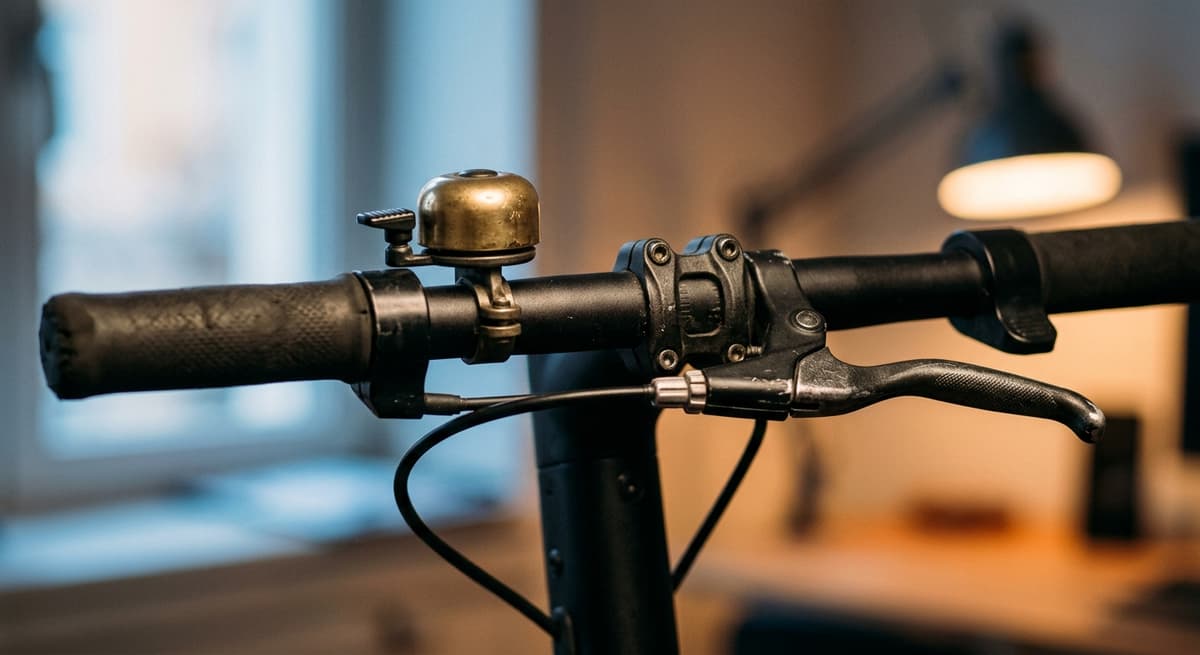
What the Act does not spell out clearly is exactly how a small, wattage-rated, stand-up kick-scooter fits onto a ladder that is otherwise built around cubic centimeters and kilograms, figures designed for combustion engines and seated vehicles. A press report on the March 2021 rules focuses on electric mopeds and scooters generally rather than drawing that specific wattage line, and a separate press claim suggesting electric scooters exceeding 250 watts are classified as motorcycles could not be confirmed directly in this research; the source carrying that figure blocked direct access, so it is treated as an unconfirmed lead, not a verified threshold. The safest reading is that Mauritius clearly regulates electric scooters and mopeds as a matter of principle, while the precise wattage boundary between its "electric cycle" tier and its higher tiers for a stand-up device specifically has not been confirmed from a source this research could open.
Where you can ride
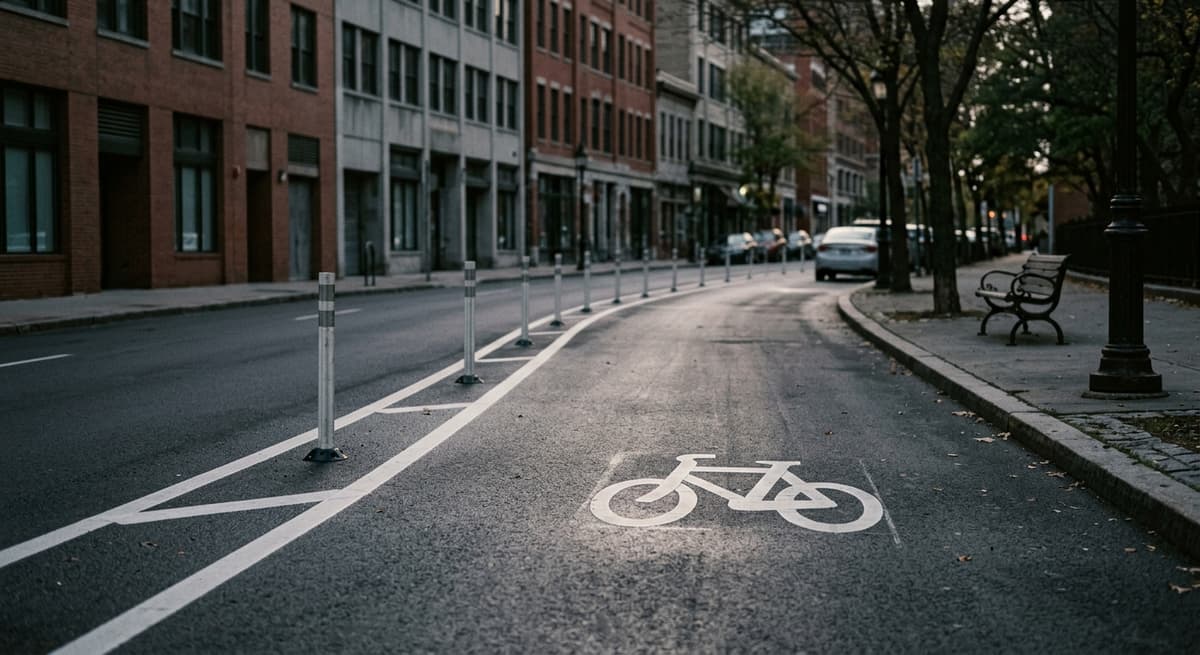
No source in this research set out a cycle-lane-specific or pavement-specific rule for electric scooters in Mauritius, separate from the general road-use rules that apply to autocycles and motorcycles. Riders should expect to use the general road network under the same terms as any other licensed, insured two-wheeler, rather than assuming footpath or bike-lane access.
Rider rules
The requirements confirmed for electric mopeds and scooters since March 2021 are consistent and specific:
- A learner's permit or a full driving licence is required to ride.
- The vehicle must be insured.
- The vehicle must be registered.
- Both the driver and any passenger must wear a helmet.
- Both the driver and any passenger must wear a reflective vest.
These requirements come from the Road Traffic Regulations 2013, sections 2, 3(1) and 5, as reported directly by a Mauritian broadcaster that covered the enforcement push. No separate age floor beyond the general licensing age for a learner's or full licence was confirmed in this research.
Penalties
Fines for non-compliance with these requirements range from Rs1,000 to Rs5,000, according to the same press reporting on the regulations. The report did not break the range down offence by offence, for example riding without insurance versus riding without a helmet, so this should be read as the overall range rather than a fixed per-offence figure.
Rental scooters versus private ownership
Mauritius has a genuinely popular tourist rental market for two-wheelers in areas like Grand Baie and Flic en Flac, but it is important not to conflate that market with the dockless, stand-up e-scooter share schemes found in cities like London or Paris. What this research found operating in Mauritius is moped and motorbike rental: seated vehicles with a twist-throttle, running on petrol or electric power, rented for the day or the week from local operators. No evidence turned up of a Bird, Lime, or Voi-style stand-up kick-scooter share scheme anywhere in the country. A visitor renting a "scooter" in Mauritius should expect a seated moped, subject to the same licence, insurance, registration and helmet rules described above, not an app-based dockless kick-scooter.
Enforcement in practice
Unlike every other country in this research batch, Mauritius has confirmed, reported enforcement behind its rules. The March 2021 regulatory push was covered directly by local media, with fines of Rs1,000 to Rs5,000 described as actually being applied for non-compliance with the licence, insurance, registration and helmet-and-vest requirements. This is a routine, ongoing enforcement picture rather than a data gap, which sets Mauritius apart from the other countries surveyed in this same research pass. Even so, enforcement is documented as applying to the moped and electric-cycle framework as written, not as a substitute for checking the current rules before riding.
Legal history and what may change
The core framework, the Road Traffic Act's classification system plus the 2013 Regulations as applied to electric mopeds and scooters from March 2021, has not been reported as changing since. No pending amendment or new bill affecting electric scooters was found in this research. For how other countries in the region compare, from full regulatory vacuums to sweep-in-by-definition regimes, see the world e-scooter law guide.
Frequently Asked Questions
Are electric scooters legal in Mauritius?
Yes, within a regulated framework. Since March 2021, electric mopeds and scooters have required a learner's or full driving licence, vehicle insurance, vehicle registration, and a helmet and reflective vest for both the driver and any passenger, under the Road Traffic Regulations 2013.
What is the fine for not following Mauritius's e-scooter rules?
Reported fines range from Rs1,000 to Rs5,000 for non-compliance with the licence, insurance, registration or helmet-and-vest requirements.
Do I need a licence to ride an e-scooter in Mauritius?
Yes. A learner's permit or a full driving licence is required, along with vehicle insurance and registration.
Is the tourist scooter rental in Grand Baie or Flic en Flac an e-scooter share scheme?
No. What operates in these areas is moped and motorbike rental, seated vehicles with a twist-throttle running on petrol or electric power, not a dockless stand-up kick-scooter share scheme.
Is there a separate legal category for electric scooters in Mauritius?
Not a defined one. The term electric cycle appears in the Road Traffic Act only once, in the lane discipline provision at section 123AM, where it is listed alongside autocycle and motorcycle. It is not in the section 4 classification ladder and the Act never defines it, so the wattage boundary for a stand-up device is not settled by the text.
Do passengers need a helmet too?
Yes. The reported rules require both the driver and any passenger to wear a helmet and a reflective vest.
Are Bird, Lime or Voi operating in Mauritius?
No stand-up dockless e-scooter share operator of that kind was found operating in Mauritius in this research.
Sources and References
- Road Traffic Act 1962 (Act 22 of 1962), consolidated to 30 June 2017, section 2 (electric motor vehicle and hybrid electric vehicle defined)(mauritiuslii.org)
- Road Traffic Act 1962, section 2 (motor vehicle: mechanically propelled vehicle intended for use on roads)(mauritiuslii.org)
- Road Traffic Act 1962, section 4 (classification: autocycle up to 50cc, motorcycle up to 400kg unladen)(mauritiuslii.org)
- Road Traffic Act 1962, hard-shoulder-stopping exemption provisions (electric cycle listed as a distinct vehicle type from autocycle and motorcycle)(mauritiuslii.org)
- Top FM report on March 2021 electric moped and scooter regulation: licence, insurance, registration, helmet and reflective vest requirements, Rs1,000-5,000 fines(topfm.mu)
- Road Traffic Regulations 2013, sections 2, 3(1) and 5, as reported (licence, insurance, registration, helmet and vest requirements)(topfm.mu)