Mauritania E-Scooter Laws: A Moped Category Gated by Engine Size (2026)
This article is general information about e-scooter laws in Mauritania and is not legal advice. Rules can change and enforcement varies, so confirm current requirements with a Mauritanian lawyer or the Ministere de l'Equipement et des Transports before riding. Information last verified on 23 July 2026.
Are e-scooters legal in Mauritania?
Mauritania's governing traffic statute is Ordonnance n2006-047 du 6 decembre 2006 portant Code de la Route, published in the Journal Officiel in January 2007. The ordonnance does name specific vehicle categories. Article 19 refers to "toute automobile, tout velomoteur ou motocyclette de 100 cm3 de cylindree et plus," using automobile, velomoteur (moped) and motocyclette (motorcycle) as three separate terms within a single sentence.
That naming comes with a catch for anything electric. The "100 cm3 de cylindree" figure in Article 19 measures engine displacement, a quantity that only exists for a combustion engine. An electric motor has no cylindree at all, so an e-scooter cannot be measured against this article's threshold the way a gas-powered moped or motorcycle can. Read on its own wording, the velomoteur and motocyclette category built around that figure has no clean slot for a device with an electric motor.
Outside that single article, the ordonnance's working term for nearly everything else, registration, license plates, technical inspection, driving-instruction rules, is the broad "vehicule a moteur" (motor vehicle). That phrase recurs through Articles 15 to 18 and 23 to 25 without any displacement figure, wheel count, or power-source qualifier attached. That combination points to a specific, though unconfirmed, outcome: an e-scooter is unlikely to qualify for whatever lighter treatment the velomoteur category carries, and would instead default to the general vehicule a moteur category that already governs registration and circulation papers for every other motorized vehicle in the country. That is a different legal position from a device the law simply never addresses.
Article 1 of the ordonnance states that the Code de la Route is made up of the ordonnance "et des textes reglementaires y afferents," meaning a separate implementing decree is meant to carry the fuller vehicle-category definitions. That decree does not appear to be public: the Transport Ministry's own online document list carries seven legal texts in total, none a vehicle-classification decree. The text that would confirm exactly what separates a velomoteur from a vehicule a moteur, and whether excluding an electric device from the lenient category is by design, could not be located.
What counts as an e-scooter here
The ordonnance never defines an e-scooter, a kick-scooter, or any small personal mobility device by name. Its only numeric vehicle threshold anywhere in the text is the "100 cm3 de cylindree" figure in Article 19, specific to combustion-engine displacement. Nothing in the ordonnance sets a wattage, weight, or wheel-count floor that would place an electric device inside or outside a category on its own terms.
Where you can ride
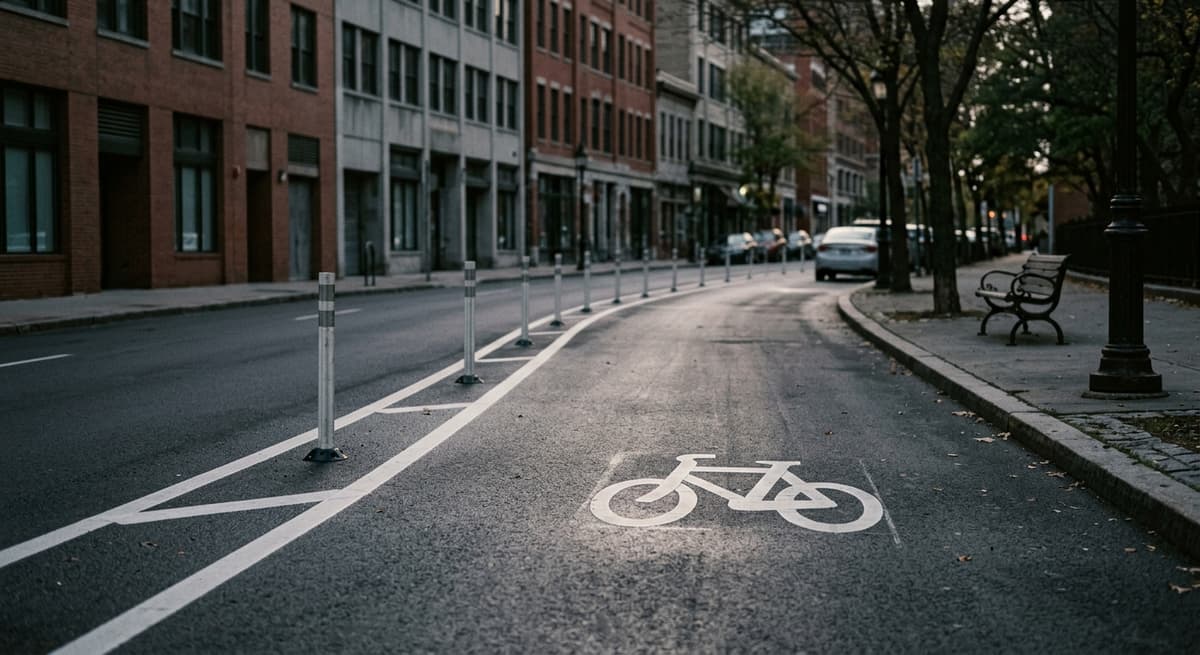
No source in this research described a cycle-lane, sidewalk, or dedicated road-use rule for a two-wheeled device in Mauritania. If an e-scooter is read as falling under the general vehicule a moteur category, as the breadth of that term suggests, it would be expected to use the ordinary road network on the same terms as other motorized traffic rather than a bicycle lane or footpath, though no text confirms this directly.
Rider rules and penalties
Article 19 requires velomoteur and motocyclette riders of 100cc and above, and their passengers, to wear helmets, on pain of the vehicle being immobilized and, if unresolved within 72 hours, impounded, punishable by eleven days to three months in prison and a fine of 4,000 to 40,000 ouguiyas. Because that threshold is a displacement figure an electric motor does not have, this specific mandate does not obviously reach an e-scooter, an odd result given how central helmet rules usually are elsewhere.
That gap does not mean no rules apply. Articles 17 and 18 require any vehicule a moteur to carry valid circulation papers, plates, and a current technical inspection where applicable, tied to having a motor at all rather than to any displacement threshold, and punishable by two months to two years in prison and a fine of 5,000 to 50,000 ouguiyas. Whether Mauritanian authorities in practice apply full motor-vehicle registration and permit rules to something the size of an e-scooter is not something this research could confirm.
Enforcement in practice
No enforcement data, incident reports, or rental-operator presence for e-scooters was found for Nouakchott or elsewhere in Mauritania in this research. That silence is a data gap, not evidence of tolerance. A classification question this unsettled is not the same thing as a settled right to ride one freely.
Legal history and what may change
If the implementing decree that Article 1 references is ever published, it could resolve this classification question directly, in either direction. Nothing in this research points to that happening on any particular timeline. The same displacement-based trap, where a vehicle category written for combustion engines has no equivalent slot for an electric motor, appears in other jurisdictions surveyed in the world e-scooter law guide.
Frequently Asked Questions
Are e-scooters legal in Mauritania?
There is no dedicated e-scooter law. The road code names vehicle categories, including velomoteur (moped) and motocyclette (motorcycle), but ties that split to a 100cc engine-displacement threshold that an electric motor does not have. The broader vehicule a moteur (motor vehicle) category most likely reaches an e-scooter instead, so a device with a motor is probably inside the general vehicle-law framework rather than outside it entirely.
Does Mauritania's road code really say nothing about mopeds or motorcycles?
No. Article 19 of Ordonnance n2006-047 explicitly names automobile, velomoteur and motocyclette as separate terms. The code does classify vehicles by name; the open question is whether an electric device fits into that naming, not whether the naming exists.
Would an e-scooter need a helmet under Mauritanian law?
Article 19's helmet mandate is written for velomoteur and motocyclette riders of 100cc and above. Since an electric motor has no cubic-centimeter displacement to measure against that threshold, this specific provision does not obviously extend to an e-scooter, though wearing a helmet remains the safer practice regardless.
What general vehicle rules could still apply to an e-scooter in Mauritania?
Articles 17 and 18 require any vehicule a moteur to carry valid papers, plates and a technical inspection where applicable. That term has no displacement or power-source limit, so a motorized e-scooter would plausibly fall under it even though the lighter velomoteur category likely does not reach it.
Are there e-scooter rental schemes in Mauritania?
None were found in this research for Nouakchott or elsewhere in the country.
Sources and References
- Ordonnance n2006-047 du 6 decembre 2006 portant Code de la Route, Article premier (definitions referred to a separate implementing decree)(transports.gov.mr).gov
- Ordonnance n2006-047, Article 19 (automobile, velomoteur and motocyclette named; 100 cm3 de cylindree threshold; helmet and immobilization rules; penalty range)(transports.gov.mr).gov
- Ordonnance n2006-047, Articles 17 and 18 (vehicule a moteur registration, plates and technical-inspection requirements, no displacement or wheel-count limit; penalty range)(transports.gov.mr).gov
- Ministere de l'Equipement et des Transports, Documents index (no vehicle-classification decree listed)(transports.gov.mr).gov