El Salvador E-Scooter Laws: The 2026 Regulatory Gap Explained
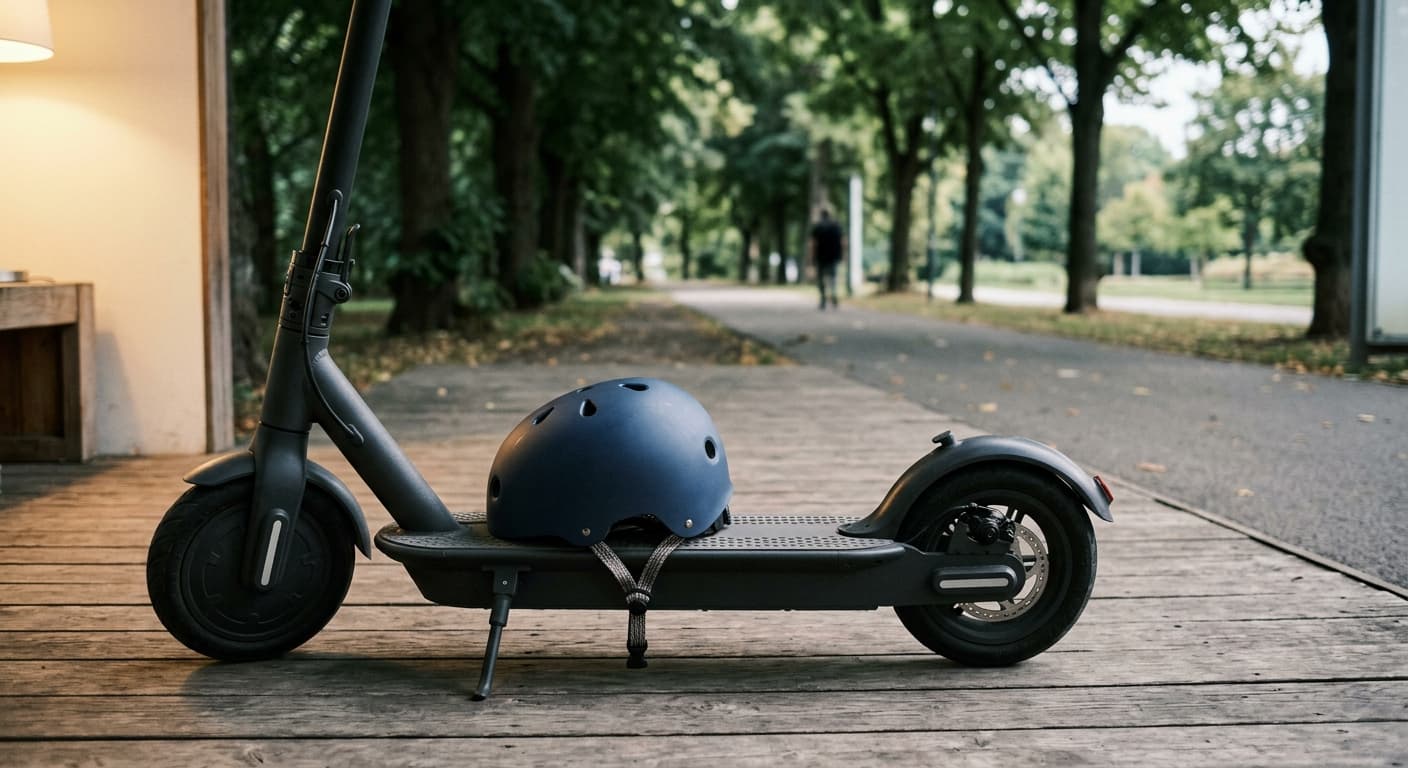
This article is general information about e-scooter law in El Salvador and is not legal advice. Because there is no dedicated statute and the Vice Ministry of Transportation's guidance is informal, confirm the current situation with the VMT or a local traffic authority before riding. Information last verified on 23 July 2026.
Are e-scooters legal in El Salvador?
El Salvador's governing transport statute, the Ley de Transporte Terrestre, Transito y Seguridad Vial (Decreto 477), does not regulate electric scooters. Its full text was searched for "patineta," "scooter," "monopatin," "electrico," "VMDP," and "movilidad personal," and none of those terms produce a provision covering a personal mobility device. The closest the law comes is licensing language for "tricimotos o motonetas," a different vehicle category entirely, not a definition that reaches a standing electric scooter.
This is not a disputed reading. Hermes Bonilla, president of ASAMOTO (the national motorcycle association), told Infobae in April 2026 in direct terms: "no existe una reglamentacion que los incluya," there is no regulation that includes scooters, electric motonetas, or e-bikes. Fidel Medrano, ASAMOTO's vice president, added that these devices already circulate daily alongside cars and trucks, often with riders unaware of even basic safety norms, precisely because no legal limits have been set for them.
Private e-scooters
A private e-scooter is not illegal to own or ride in El Salvador, because there is no statute prohibiting it. But that also means there is no licensing requirement, no confirmed minimum age, and no mandated safety equipment governing that use, a genuine regulatory vacuum rather than a permissive framework.
Rental e-scooters
No dedicated rental-scooter regulation exists either. Growth in the device's popularity (reported at roughly 30 percent higher demand in 2025, concentrated in San Salvador and Santa Tecla) has occurred without any licensing or operating framework being put in place for either private or rental use.
What counts as an e-scooter here
Because the traffic statute has no definition for the device, there is no official technical threshold (power, speed, or weight) that distinguishes a regulated e-scooter from an exempt one. ASAMOTO's reporting groups "scooters, motonetas electricas y bicicletas electricas" together as devices operating outside any defined vehicle category, rather than as members of a defined class with specific technical limits.
Rider rules
None of the following exist as legal requirements in El Salvador, according to ASAMOTO's on-the-record account of the current gap:
- No licensing requirement for riders.
- No defined minimum age.
- No mandated technical vehicle standards.
- No mandatory certified protective helmet requirement.
- No designated circulation zones separating scooters from car and truck traffic.
Where you can ride
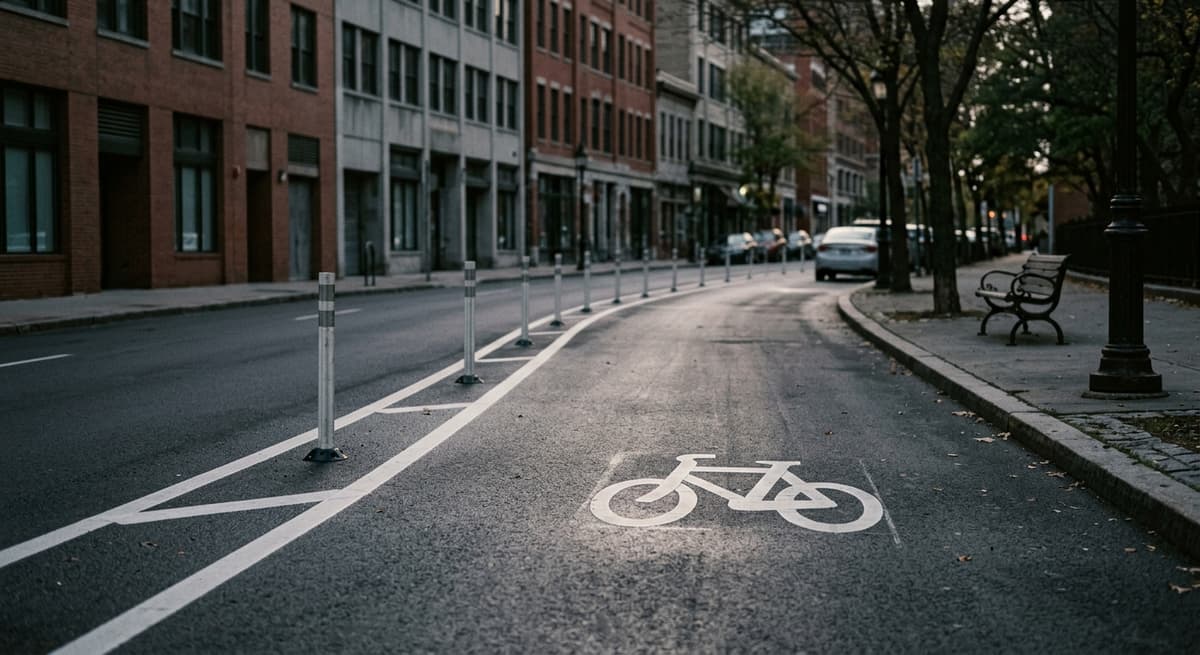
The absence of designated circulation zones means there is no legal rule steering scooter riders toward a road, cycle lane, or sidewalk specifically. ASAMOTO describes riders sharing space with cars and trucks as the current reality, not as a rule that authorizes it.
Penalties
The Vice Ministry of Transportation has issued recommendations for responsible use, but Infobae's April 2026 reporting is explicit that "no existen sanciones especificas aun para quienes infrinjan normas de seguridad o circulan en lugares no permitidos," there are no specific sanctions yet for safety violations or riding in unauthorized areas. There is currently no fine schedule to cite.
Enforcement in practice
There is nothing to enforce beyond general traffic law, because no scooter-specific rule exists to violate. The Vice Ministry of Transportation's role so far has been advisory, issuing safety recommendations rather than a binding rule with penalties attached. That distinction matters for a rider deciding how much legal protection they actually have: informal safety advice is not the same thing as a regulation, and its absence means a scooter rider currently has no statutory right of way, licensing status, or defined safety standard to point to either way.
Legal history and what may change
Checking El Salvador's Legislative Assembly (Asamblea Legislativa) directly found no scooter-specific bill visible in its current public activity, and the Ministry of Public Works and Transportation's (MOPT) own published material contains no scooter or micromobility content either. Combined with the Vice Ministry of Transportation's informal-only recommendations, this points to a genuine, still-open gap rather than a rule quietly working its way through the legislature. Reporting on this topic is recent (April 2026), so it is worth checking again periodically for a formal proposal.
Compare how other countries handle the same question in the world e-scooter law guide.
Frequently Asked Questions
Are e-scooters legal in El Salvador?
There is no statute that regulates them either way. El Salvador's transport law (Decreto 477) has no provision covering personal mobility devices, and ASAMOTO's own president has stated on the record that no regulation includes scooters.
Is there a minimum age to ride an e-scooter in El Salvador?
No. ASAMOTO's reporting on the current gap specifically lists the absence of a defined minimum age as one of the missing rules.
Do I need a licence to ride an e-scooter in El Salvador?
No licensing requirement currently exists for e-scooter riders in El Salvador, according to ASAMOTO and the Vice Ministry of Transportation's own informal guidance.
Can I be fined for riding an e-scooter in El Salvador?
As of April 2026 reporting, no specific sanctions exist yet for safety violations or riding in unauthorized areas. The Vice Ministry of Transportation has issued only informal recommendations, not a binding penalty framework.
Is a law being written to regulate e-scooters in El Salvador?
No pending bill was found in the Legislative Assembly's current public activity as of this research. The Vice Ministry of Transportation has issued recommendations but not a formal regulation.
Are rental e-scooters common in El Salvador?
Electric scooter use, including growing retail demand (about 30 percent higher in 2025), is concentrated in San Salvador and Santa Tecla, but no dedicated rental-scooter regulation exists for either private or rental use.
Sources and References
- Ley de Transporte Terrestre, Transito y Seguridad Vial, Decreto 477, full text searched for scooter and personal-mobility terminology with no matching provision found(observatoriovial.fonat.gob.sv).gov
- Infobae, "El Salvador enfrenta el desafio de regular scooters y otros medios de transporte alternativos" (7 April 2026), quoting ASAMOTO president Hermes Bonilla and vice president Fidel Medrano on the regulatory gap(infobae.com)
- Ministerio de Obras Publicas y de Transporte (MOPT), El Salvador's transport ministry, checked directly; no published scooter or micromobility material found(mop.gob.sv).gov
- Asamblea Legislativa de El Salvador, checked directly for a pending scooter-related bill; none visible in current public activity(asamblea.gob.sv).gov