Mexico E-Scooter Laws: Guadalajara's Rules vs. CDMX's 2026 Overhaul
Independently fact-checked against primary sources (last audited July 23, 2026). How we verify our legal content
This article is general information about e-scooter law in Mexico and is not legal advice. Rules vary by city and state and can change, so confirm current requirements with your local municipal government before riding. Information last verified on 23 July 2026.
Are e-scooters legal in Mexico?
No federal statute in Mexico specifically regulates e-scooters. Rules exist only where a state or municipal government has adopted one, so whether an e-scooter is legal, and on what terms, depends entirely on the city.
Guadalajara, Jalisco
Guadalajara became the first city in Mexico to regulate scooters and e-skateboards on public roads, under rules its city council approved 25 September 2024. Reporting on the vote states plainly that Guadalajara "se convirtió en la primera ciudad de México en regular el uso de patines y patinetas eléctricas en la vía pública" (became the first city in Mexico to regulate the use of electric scooters and skateboards on public roads). This account comes from journalism covering the council's approved municipal reglamento, not the raw gaceta text itself, though the substance is corroborated across multiple independent outlets.
Mexico City (CDMX)
Mexico City's government, through the Jefatura de Gobierno, announced a reform to the city's Ley de Movilidad and Reglamento de Tránsito. A direct fetch of the government's own announcement page failed during research for this article (connection refused), so the details below rely on multiple converging secondary outlets, including Xataka, Proceso, and El Universal, rather than the primary gaceta text. Treat the specifics as reported, not independently confirmed against CDMX's own publication.
Everywhere else
The large majority of Mexican municipalities have published no e-scooter-specific rule. Riders there are governed only by generic traffic law, with no scooter-specific clarity on speed limits, where to ride, or age.
What counts as an e-scooter here
CDMX's incoming reform, as reported, creates two device classes: a VEP (Vehículo Eléctrico Personal), capped at 25 km/h and under 35 kg, reported to not require a plate; and a VEMEPE (Vehículo Eléctrico Motorizado Personal), which exceeds 25 km/h or has a motor over 250W (1.34 hp), reported to require a plate and an A1/A2 motorcycle-class licence.
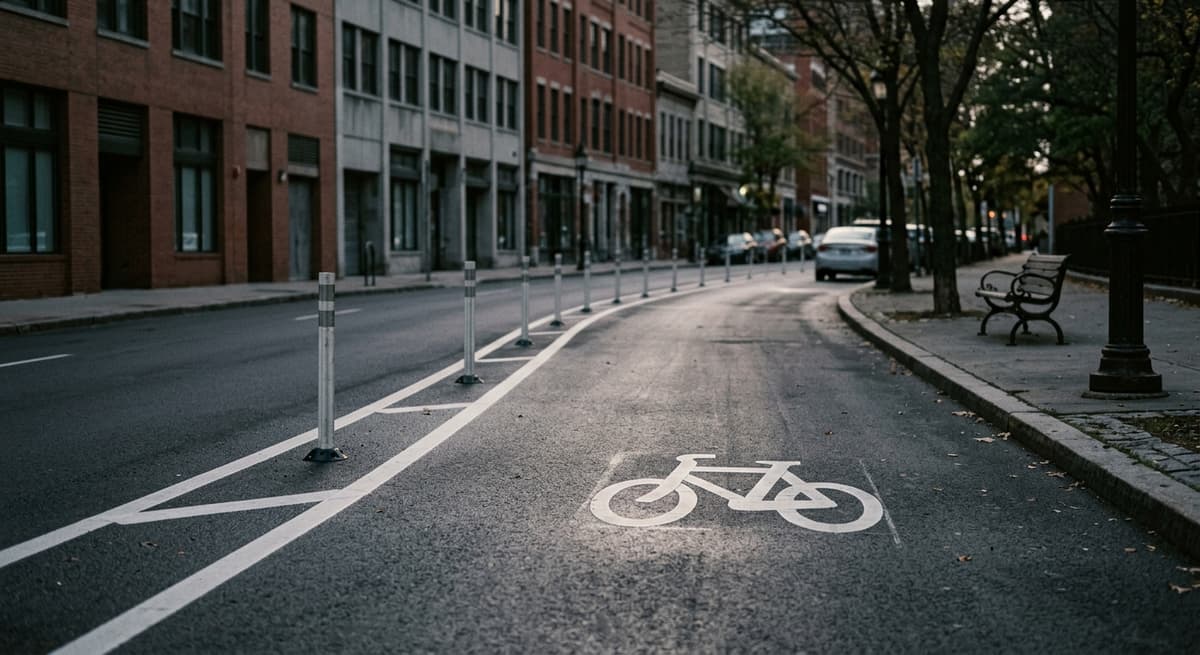
Guadalajara's rules distinguish by where the device is ridden rather than by a class name: up to 25 km/h in bike lanes, or up to 30 km/h in the street.
Where you can ride
Guadalajara permits e-scooters in bike lanes at up to 25 km/h. Going faster, up to 30 km/h, requires using the street instead, with a helmet and, at night, lights. Sidewalk riding is prohibited.
CDMX's VEP class (as reported) is apparently intended for bike-lane-type use, while the VEMEPE class, reported as excluded from bike lanes and sidewalks, would need to use the street the way a motorcycle-class vehicle does. Confirm the exact routing rule once CDMX publishes its gaceta text, since this article could not verify it against the primary source.
Rider rules
Guadalajara requires a helmet only for on-street riding at up to 30 km/h; no helmet requirement was found for bike-lane riding at up to 25 km/h.
CDMX's VEMEPE class is reported to require a plate, an A1/A2 motorcycle-class licence, and a helmet, with no passengers under age 12. The VEP class is reported not to require a plate; no further rider-rule detail was found this session for that class.
Penalties
No specific fine schedule was found in the sources opened for either Guadalajara or CDMX this session. CDMX's enforcement timeline, as reported, begins for newly sold or newly registered vehicles 1 September 2026, with existing owners given until 20 November 2026 to register before sanctions apply, but the sanction itself was not detailed in the sources reviewed.
Enforcement in practice
Guadalajara's September 2024 rules are the first real enforcement precedent for e-scooters in Mexico. CDMX's stricter regime has not yet begun fining riders as of this writing, since enforcement is reported to start only in September to November 2026. Most other municipalities have no enforcement framework at all, because they have no scooter-specific rule to enforce.
Where a Mexican city has not yet started active enforcement, that reflects the newness of the rule, not that riding outside it is permitted.
Local and regional variation
Mexico regulates e-scooters exclusively at the state or municipal level. Guadalajara treats sub-25 km/h scooters as permissive, bike-lane-legal transport, and was the first city to adopt formal rules in September 2024. CDMX is moving toward a considerably stricter, motor-vehicle-style regime for anything over 25 km/h or 250W, with plates and a motorcycle-class licence, taking effect in stages during 2026.
Monterrey's status was not found this session and appears to be a genuine data gap. Outside Guadalajara and CDMX, expect no scooter-specific rule at all.
Legal history and what may change
CDMX's reform is itself a future-dated change. It was announced by the Jefatura de Gobierno, but enforcement against newly sold or newly registered vehicles does not begin until 1 September 2026, with a grace period for existing owners running to 20 November 2026.
Because this article could not open CDMX's own gaceta text, treat every VEMEPE and VEP detail above as reported by convergent secondary sources rather than independently confirmed government text, and check for the published reform before relying on a specific figure. For how a neighboring region's e-scooter framework compares, see the world e-scooter law guide.
Frequently Asked Questions
Is it legal to ride an e-scooter in Mexico City?
There is no outright ban, but Mexico City is moving toward a stricter regime, reported to require a plate and an A1/A2 licence for faster or more powerful devices (the VEMEPE class), while lighter, slower devices (the VEP class) are reported not to need a plate. CDMX's own gazette text was not opened to verify these details independently.
Are e-scooters regulated nationally in Mexico?
No. Mexico has no federal e-scooter statute. Every rule identified in this research, in Guadalajara and Mexico City, is municipal or city-specific.
What is the difference between VEP and VEMEPE in CDMX?
As reported, a VEP is capped at 25 km/h and under 35 kg with no plate required. A VEMEPE exceeds 25 km/h or has a motor over 250W, and is reported to require a plate and an A1/A2 motorcycle-class licence.
Do I need a licence to ride an e-scooter in Guadalajara?
No licence requirement was found in Guadalajara's rules. Riders must stay in bike lanes at up to 25 km/h, or move to the street (up to 30 km/h) with a helmet and, at night, lights, avoiding sidewalks entirely.
When do CDMX's new e-scooter rules take effect?
As reported, enforcement begins for newly sold or newly registered vehicles 1 September 2026, with existing owners given until 20 November 2026 to register before sanctions apply.
Is it legal to ride an e-scooter in a Mexican city with no local rule?
There is no scooter-specific ban in most Mexican municipalities, but there is also no scooter-specific clarity. Riders fall back on generic traffic law, which does not directly address e-scooters.
Updates
Independently fact-checked against the cited primary sources
Sources and References
- El Informador reporting on Guadalajara city council's approval of Mexico's first municipal e-scooter and e-skateboard regulation, 25 September 2024(informador.mx)
- Xataka Mexico coverage of the CDMX Ley de Movilidad reform creating the VEMEPE and VEP e-scooter classes(xataka.com.mx)
- Proceso reporting on Mexico City's incoming e-scooter registration and licensing regime(proceso.com.mx)
- El Universal reporting corroborating the CDMX VEMEPE/VEP classes and the September to November 2026 enforcement timeline(eluniversal.com.mx)