
Defamation Cease and Desist Letters Around the World
A cease and desist or pre-action letter is the usual first step before a defamation claim. In Australia and the UK it is expected, not optional.
7 min read
264 articles · page 2 of 5
A cease and desist or pre-action letter is the usual first step before a defamation claim. In Australia and the UK it is expected, not optional.

In Denmark defamation is both criminal and civil. Penal Code sections 267 to 270 punish defamation; the Liability for Damages Act allows tort compensation.
Denmark requires every e-scooter rider to wear a CE-marked helmet regardless of age, a rule in force since 2022, alongside a minimum riding age of 15 under Faerdselsloven.
Djibouti's road code defines every powered two-wheeler category by a combustion engine, so an electric scooter fits none of them, leaving its status unclear.
Dominica has no dedicated e-scooter law, but its motor cycle class has no wattage floor, so e-scooters need registration, insurance, and a licence from age 17.
The Dominican Republic regulates e-scooters under Decreto 256-20, exempting them from a licence but banning sidewalk riding and requiring a helmet, with a reported 20 km/h cap.
In the DRC, an e-scooter's electric motor locks it out of the lenient moped category and into full motor vehicle rules, requiring registration and a driving permit.

Compare how countries handle penalty-point systems, drink-driving limits, speed camera enforcement, novice-driver rules, and licence recognition for drivers crossing borders.
Compare e-scooter laws in 16 countries: private ownership vs. rental rules, minimum ages, and helmet requirements, with links to full country guides.
In the country of Georgia, traffic law defines only self-balancing devices like Segways, leaving ordinary kick-scooters in a gap that Bolt's Tbilisi rentals fill informally.

In Ecuador, calumnia (falsely accusing of a crime) is criminal under COIP art 182; injuria was decriminalized in 2014. Civil damages also apply.
Ecuador's national transit law leaves e-scooter regulation to city governments, and traffic agents say they lack a legal tool to sanction riders on helmet use or licensing.

Defamation in Egypt is both criminal (Penal Code arts 302-308) and civil, with online liability under the 2018 Cybercrime Law and the 2018 Media Law.
Cairo and Giza have banned e-scooters from their streets by governor decree, while Traffic Law 121/2008 is reported to require licensing that most riders ignore in practice.
El Salvador has no e-scooter law. Its transport ministry has issued informal safety recommendations, but no licensing, age, or helmet rule exists yet.

Compare employment and labor law traditions across countries, from notice and dismissal rules to collective bargaining, working time, discrimination protections, and labour courts.
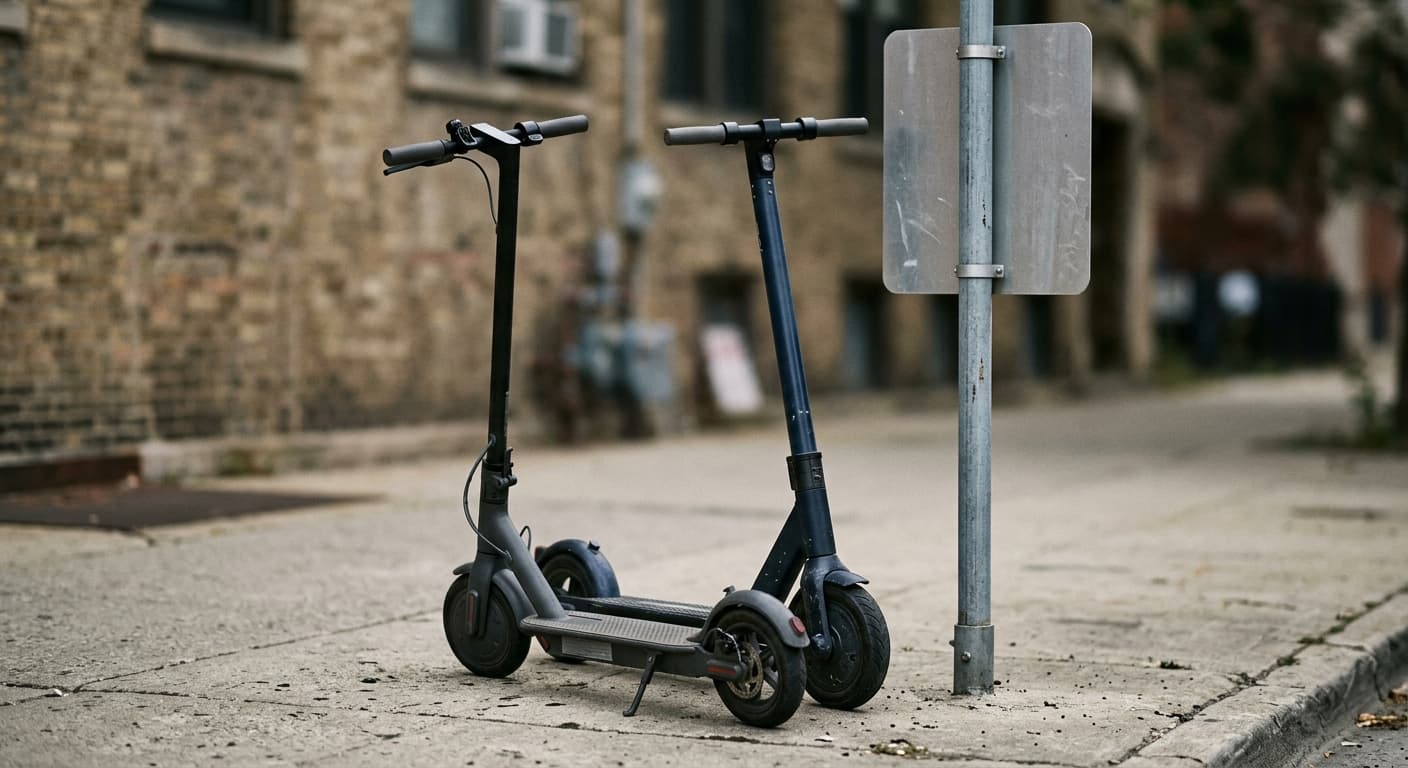
Equatorial Guinea is bound by the CEMAC community road code, which has no moped category and sweeps an electric scooter into full motor vehicle rules.
In Estonia ordinary defamation is a civil matter under the Law of Obligations Act, not a crime; only narrow criminal provisions remain.
Estonia's kergliikur category permits e-scooters on sidewalks unlike Sweden or Norway, and ties riding access to age tiers rather than a single minimum age.
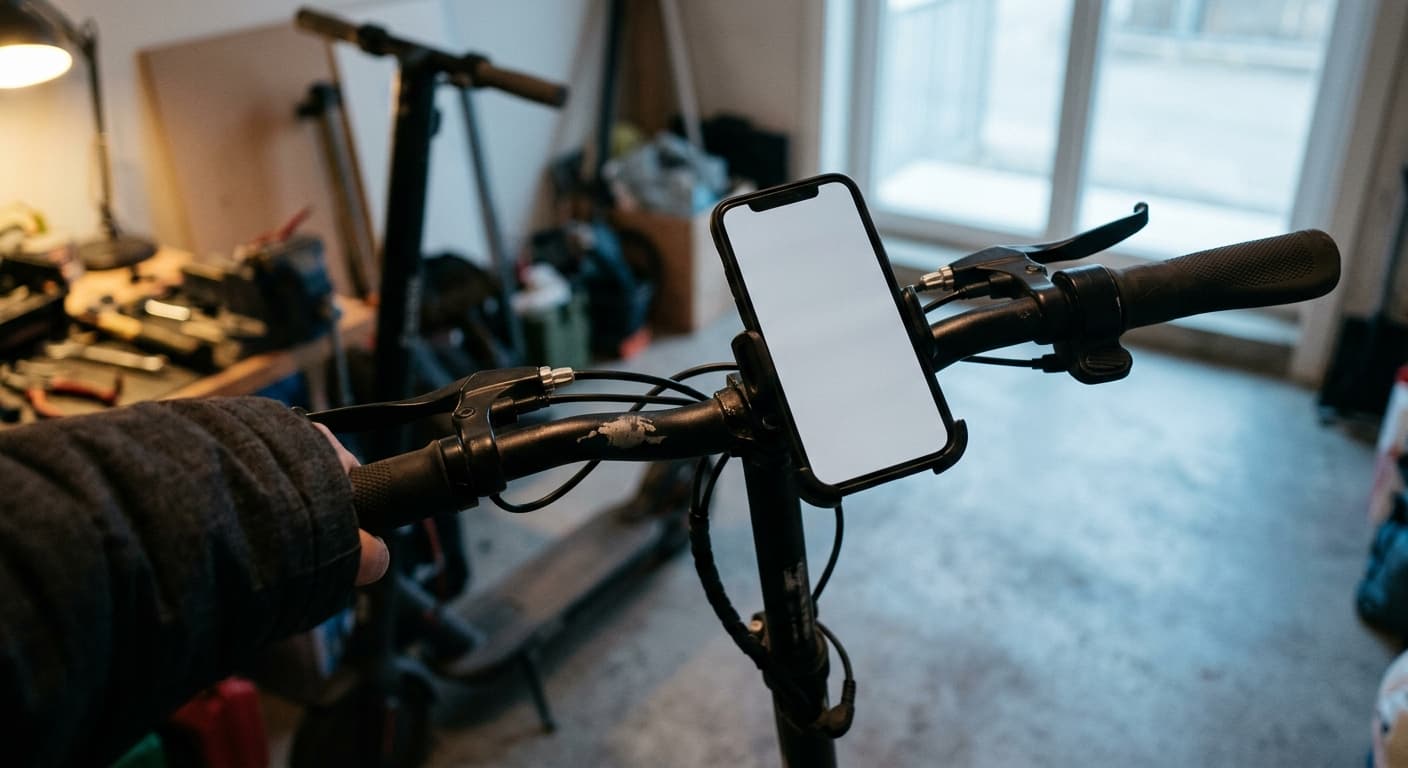
Eswatini's Road Traffic Act defines motor vehicle as any self-propelled vehicle, and its pedestrian-controlled exclusion does not reach a stand-on e-scooter.
Ethiopia's Road Transport Proclamation neither names nor prohibits e-scooters and functions mainly as a commercial-licensing law, leaving riders without a clear conduct code.
The Falkland Islands is a British Overseas Territory with its own traffic ordinance, not UK law. It has no scooter-specific rule and no rental trial scheme.

Compare how divorce, property division, alimony, custody, child support, and cross-border family disputes work across countries and the treaties that connect them.
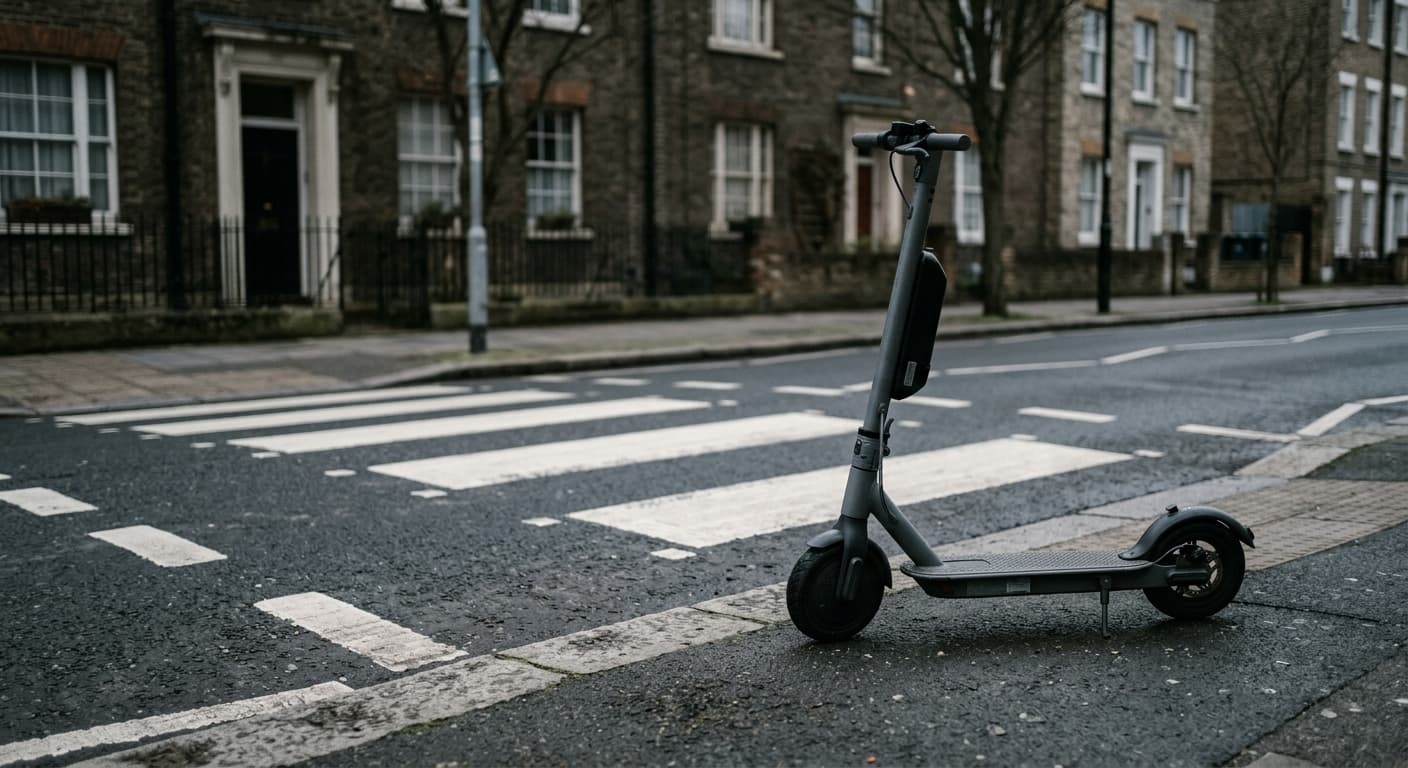
Faroese traffic law has no dedicated e-scooter category, but its broad moped definition, covering any electric-motor two-wheeler, may sweep scooters in too.
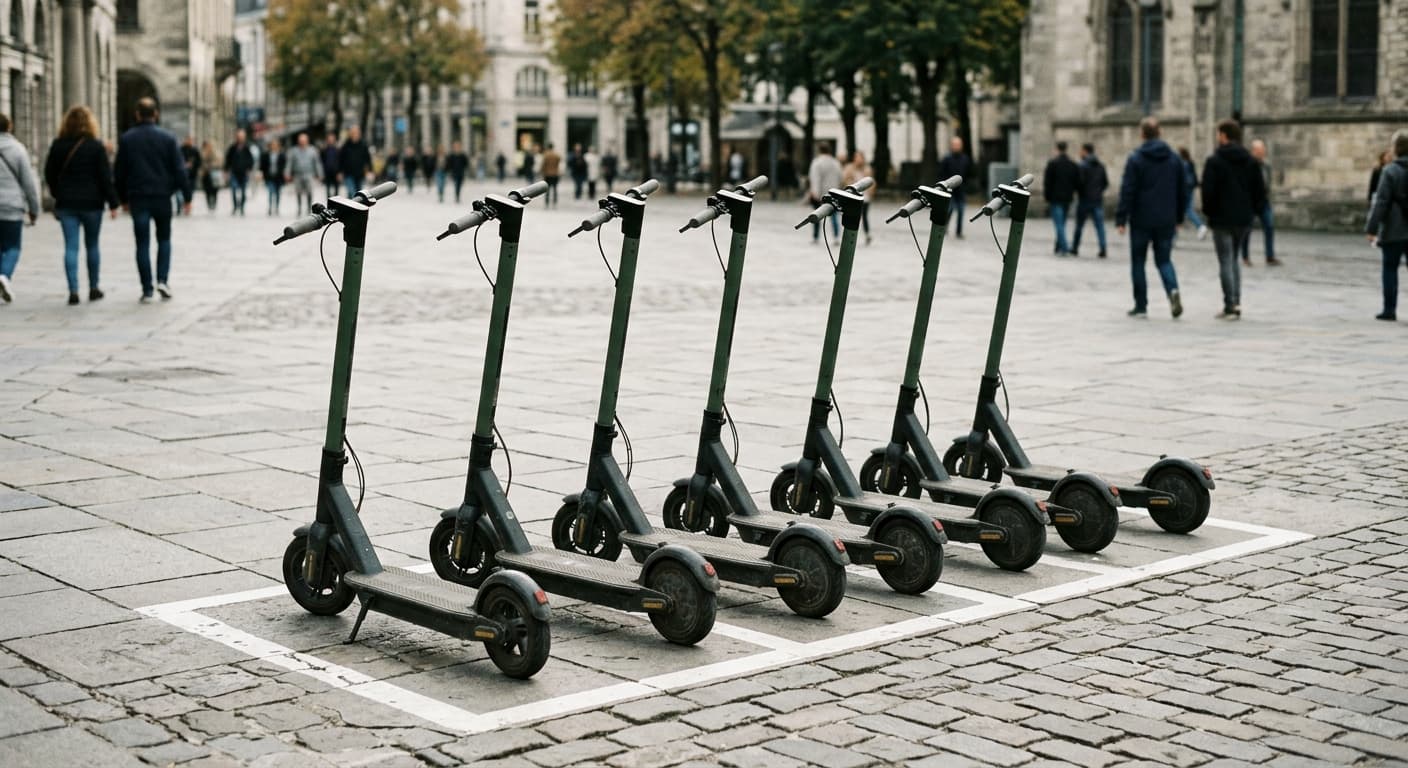
Fiji's Land Transport Act 1998 has no scooter or personal mobility device exception anywhere in its text, so its registration rules apply with no carve-out found.

In Finland defamation is both criminal and civil. Criminal Code Chapter 24 punishes defamation and aggravated defamation; the Tort Liability Act allows damages.
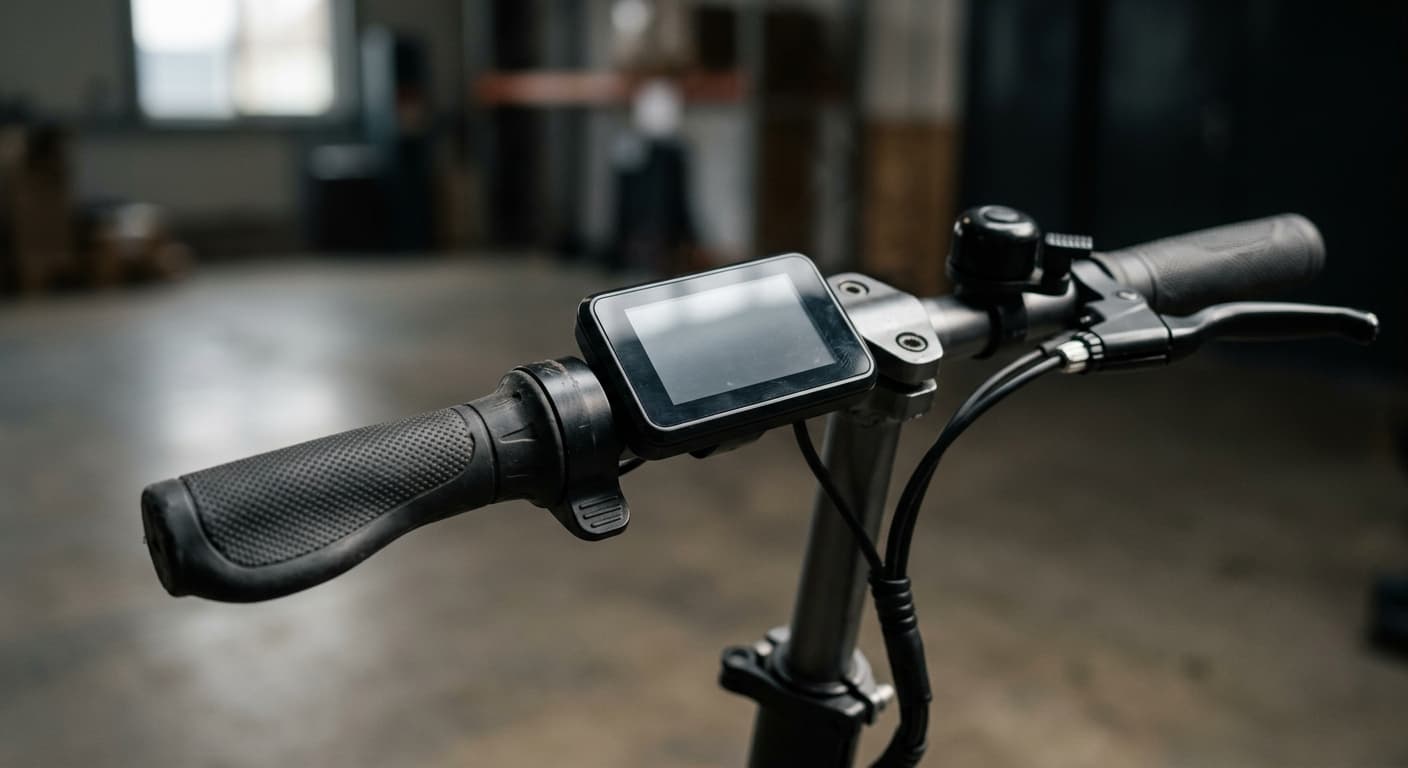
Finland's 17 June 2025 reform set a new minimum riding age of 15, brought e-scooters under a 0.5 promille alcohol limit, and confirmed a 25 km/h, 1 kW device cap.

In France defamation (diffamation) and insult are criminal under the Law of 29 July 1881: a 12,000 euro fine and a short three-month deadline to act.

How French law actually works: the codes that hold the rules, which court hears what, avocat versus notaire, and the 2025 and 2026 changes to driving, defamation and evidence.
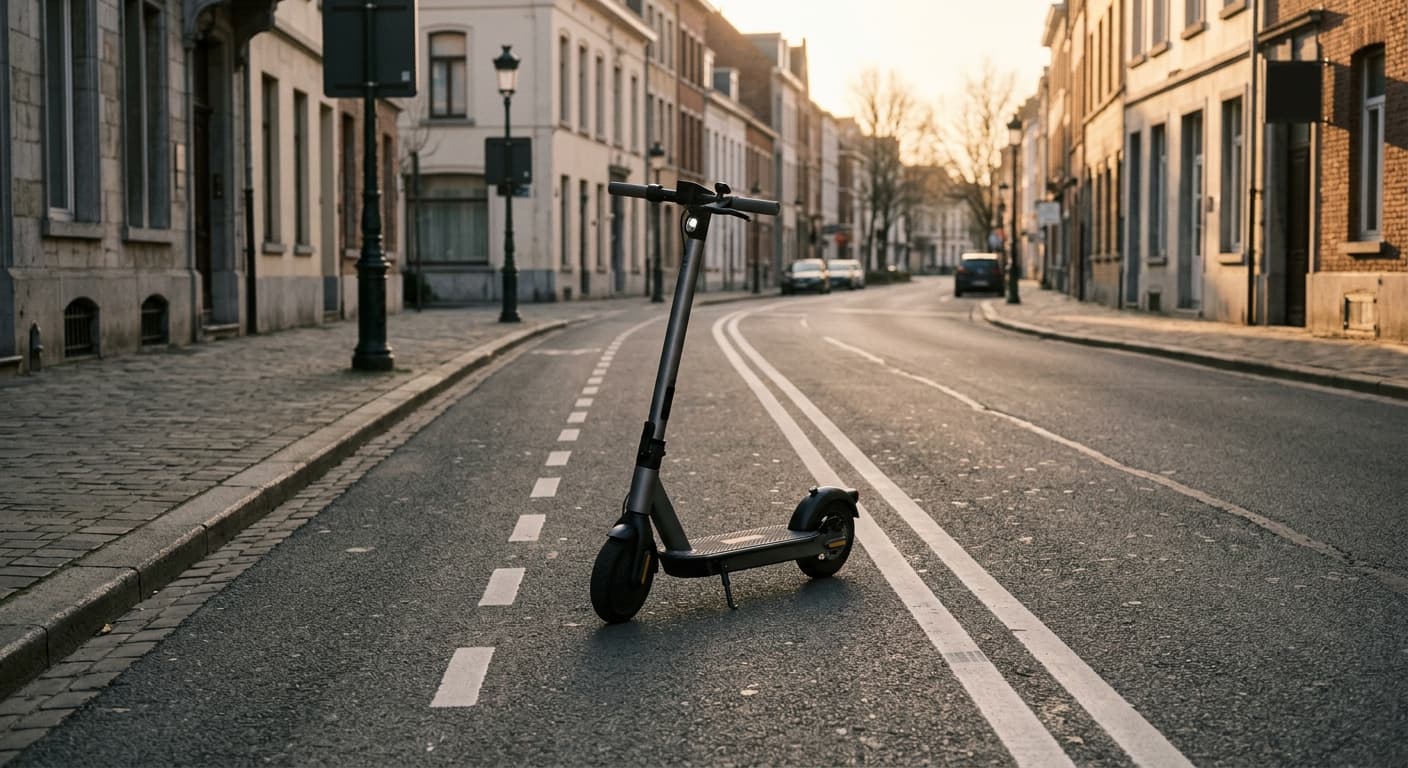
Gabon applies the CEMAC road code, which has no separate moped category, so an electric scooter falls into its motor vehicle definition, requiring a permit and registration.
How German law actually works: the codes that hold the rules, why almost everything is federal rather than state law, which court hears what, and the values that change every January and July.

In Germany defamation is both criminal and civil. StGB sections 185 to 187 punish insult and false-fact claims; the Civil Code allows damages.

Defamation in Ghana is civil only: Parliament repealed criminal libel and sedition in 2001 (Act 602), so libel and slander are now common-law tort claims.
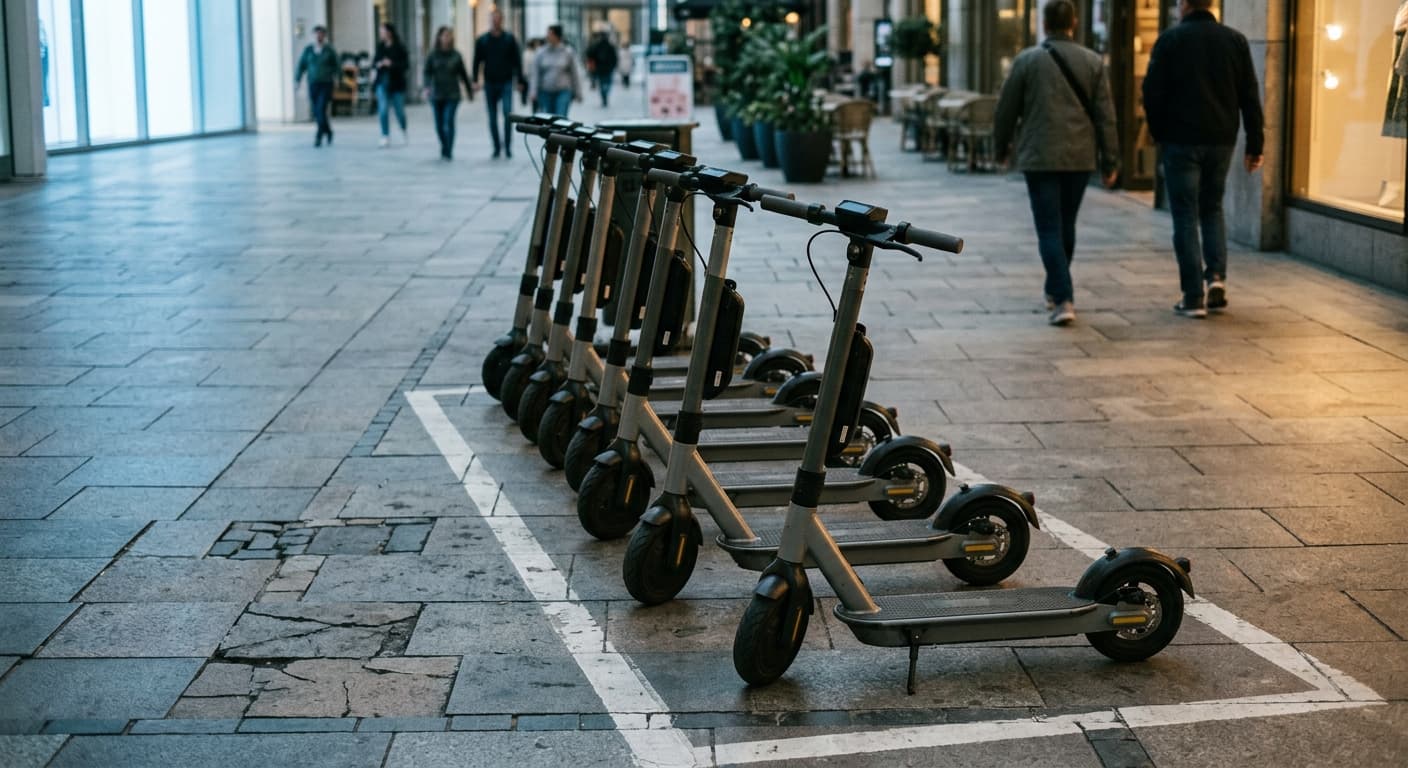
Ghana's Road Traffic Act sets an 18-plus age floor for an electrically assisted pedal cycle, though whether that reaches a standing e-scooter is unresolved.

In Greece defamation is both criminal and civil. Law 5090/2024 repealed ordinary defamation; insult and slanderous defamation remain crimes.
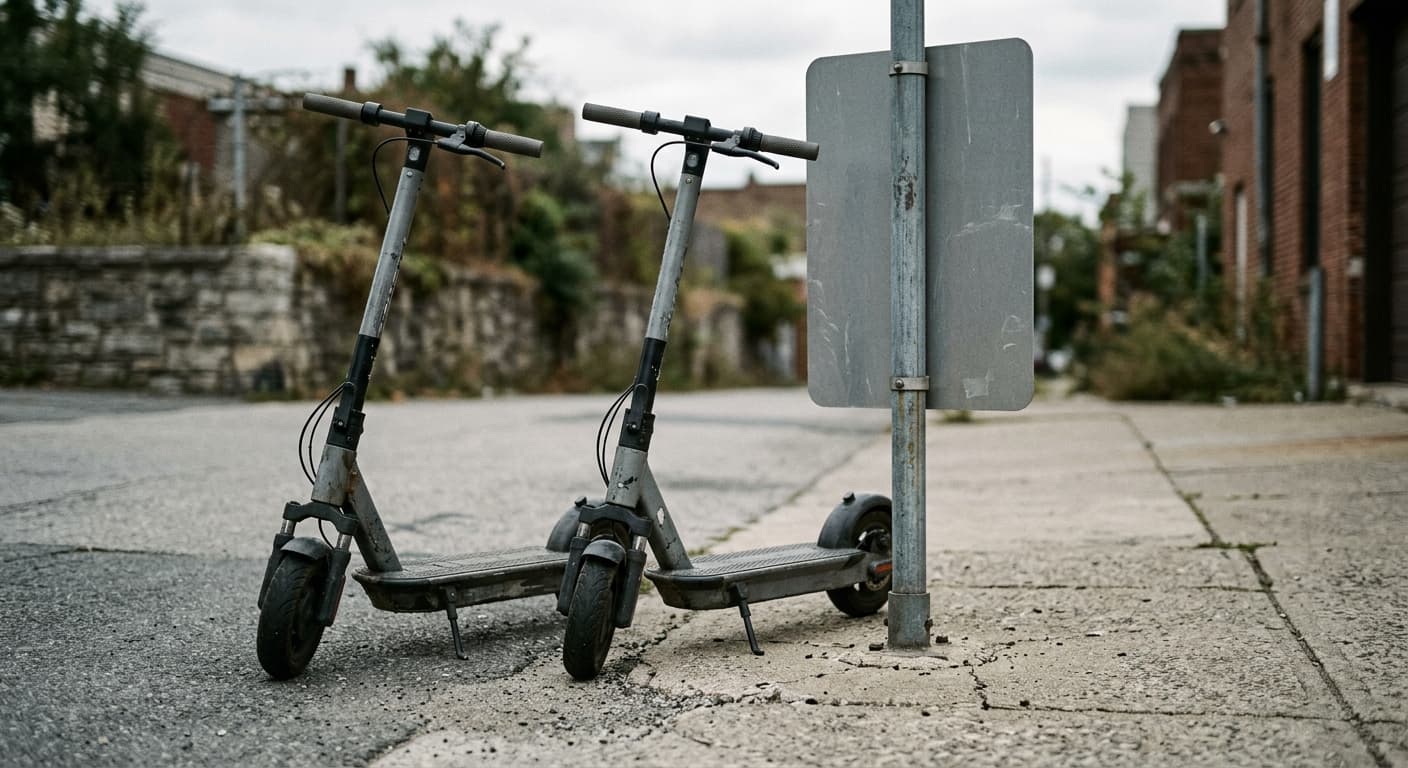
Greece's Law 5209/2025 sets a minimum e-scooter age of 12 and requires a helmet for every rider, a stricter rule than Greece applies to ordinary cyclists.
Grenada has never passed an e-scooter law. Its decades-old motor vehicle definition already reaches a powered scooter, with no lower-power exception found.
Guatemala's traffic code stops at a pedal-equipped motobicicleta category, so a standing e-scooter falls outside its vehicle taxonomy entirely, with no rule enacted.
Guinea's 2018 code covers e-scooters under its broad rolling-device category, but whether a small-engine licence exemption extends to electric motors is unresolved.
Guyana's 2023 amendment folds e-scooters into its motorcycle licensing regime, banning riders under 16 and requiring a full licence from age 18.
Honduras's traffic law never defines motocicleta or motoneta, so whether e-scooters fall under its motorized-vehicle sweep is unresolved, with no age or helmet rule found.

Defamation in Hong Kong is mainly a civil matter under the Defamation Ordinance (Cap. 21). Criminal libel exists but is rarely prosecuted.
E-scooters are illegal in public in Hong Kong today, carrying the harshest fine and jail exposure in the region. See the pending 2026 legalization bill.
In Hungary defamation is both criminal and civil. Criminal Code sections 226 to 229 punish defamation and insult; the Civil Code allows a grievance award.
Hungary's traffic code has no dedicated e-scooter category yet, so courts apply bicycle or moped analogies case by case until a new two-tier regime begins 1 September 2026.
In Iceland defamation is both criminal, under General Penal Code Articles 234 to 237, and civil, with damages available under the Tort Damages Act.
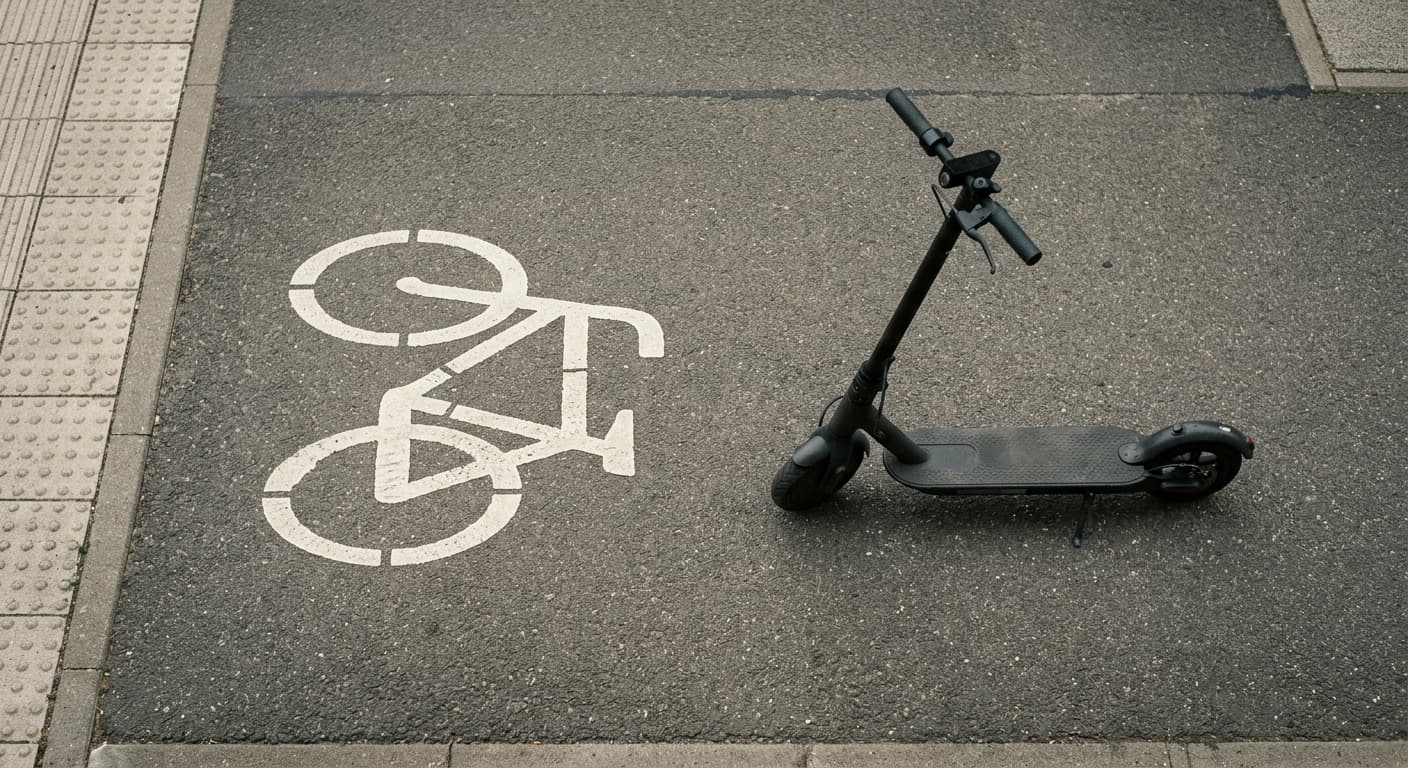
Iceland sets a minimum e-scooter age of 13, not the often-repeated claim of no age limit, plus a helmet rule for riders under 16 and Reykjavik's own stricter roadway ban.
Defamation in India is both a civil tort and a crime under Section 356 of the Bharatiya Nyaya Sanhita 2023 (formerly IPC 499/500), up to 2 years.
India exempts e-scooters under 250 watts and 25 km/h from registration and licensing nationally, but Delhi is reported to require both regardless of a device's power.
Defamation in Indonesia is both civil and criminal. The 2023 Criminal Code (effective Jan 2026) and the ITE Law govern offline and online defamation.
Indonesia's Permenhub 45/2020 sets a 25 km/h cap, a minimum age of 12, and mandatory helmets for e-scooters, though police enforcement leans toward warnings over fines.

Compare inheritance and succession law across countries: forced heirship vs. testamentary freedom, intestacy, probate, estate tax, and cross-border succession rules.
In Iran defamation is mainly criminal. The Islamic Penal Code punishes defamation, qazf, and insult; the Press and Computer Crimes laws add offences.
Iran's traffic police ban e-scooters from public streets, limiting riders to parks and designated routes, but admit no legal category exists to formally cite a violator.
Iraq's 2019 traffic law excludes powered two-wheelers from its bicycle and motorcycle categories, leaving e-scooters in a gap the broader vehicle definition may still reach.
Defamation in Ireland after the 2026 reforms: High Court juries abolished from 1 March 2026, a serious harm test for companies, new defences, and a 1-year time limit.

Plain-English guides to the law in Ireland: minimum wage and redundancy, the 2026 rent rules, inheritance tax (CAT), enduring powers of attorney, GDPR complaints, e-scooter rules and more, with free calculators.
Defamation in Israel is both a civil wrong and a crime under the Prohibition of Defamation Law, 5725-1965, with damages available without proof of harm.
Israel classifies e-scooters as a light transport vehicle capped at 25 km/h and 250 watts, with a widely reported minimum age of 16 and mandatory helmet use.
Italy treats defamation as both a crime (diffamazione, Article 595 Penal Code) and a civil wrong (Article 2043 Civil Code), with reform under debate.