E-Scooter Laws in Georgia (the Country): A Kick-Scooter Gap (2026)
This article is general information about e-scooter laws in Georgia, the country, and is not legal advice. For a specific situation, confirm current details with Georgia's Patrol Police (საპატრულო პოლიცია) or a Georgian attorney. Information last verified on 23 July 2026.
Are e-scooters legal in Georgia? (This is the country, not the U.S. state)
This page covers Georgia the country, located in the Caucasus region between the Black and Caspian Seas, bordering Russia, Turkey, Armenia and Azerbaijan, with its capital in Tbilisi. It is not the U.S. state of Georgia, which regulates e-scooters separately under its own state statute and has its own page on this site.
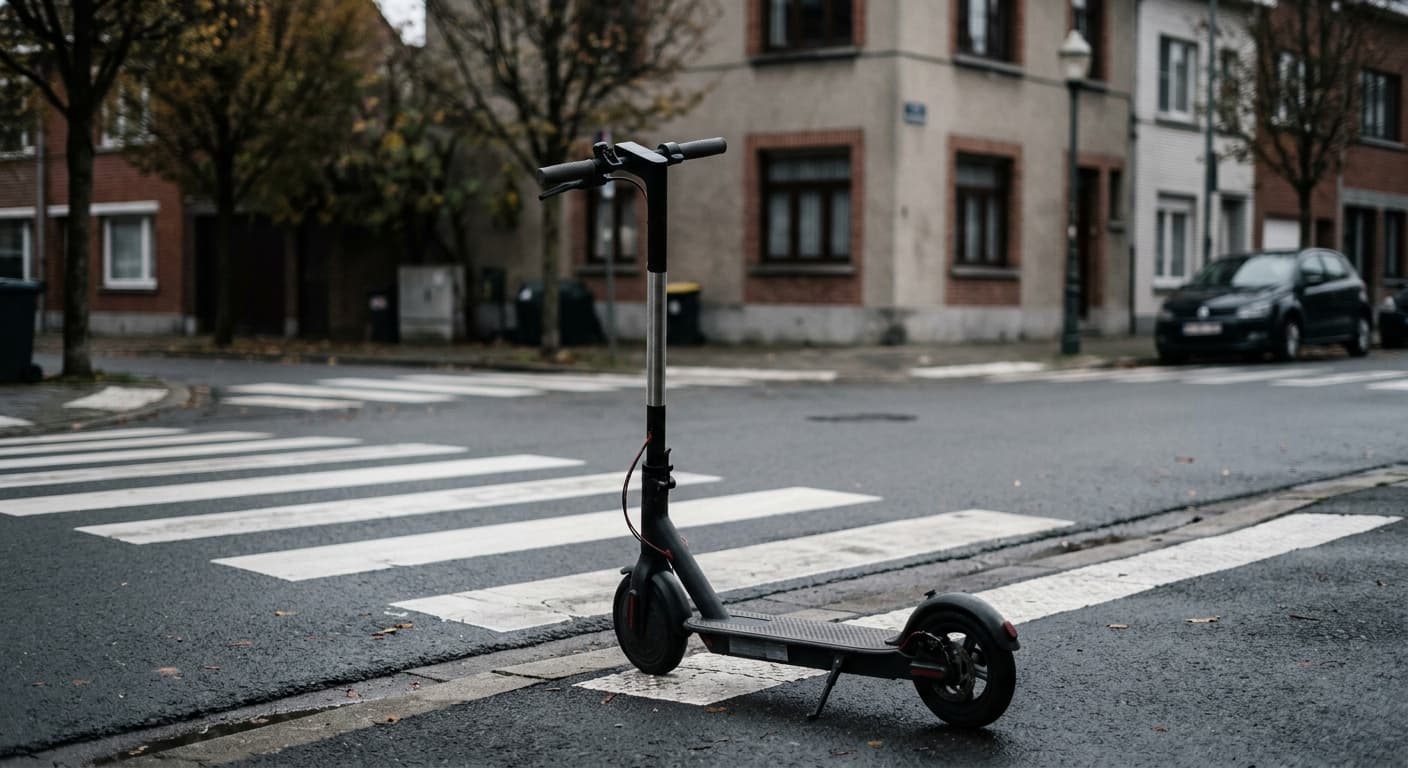
Georgia's Law "On Road Traffic" does not contain a dedicated category for the kind of stand-up kick-scooter most riders actually use. An amendment to the law, opened directly on the government's matsne.gov.ge legislative portal for this article, defines only a narrow device: a "two-wheeled self-balancing electric device," essentially a Segway or hoverboard-type product, powered electrically, single-axle, for one rider. A conventional kick-style e-scooter is not self-balancing, so it does not fit inside that defined category at all.
What counts as an e-scooter here
The self-balancing device definition traces to a matsne.gov.ge amendment with an effective date of 1 August 2012, years before the modern kick-scooter rental boom, and it was never broadened into a second, kick-scooter-specific category in the text reviewed for this article. Georgia's general vehicle taxonomy for mopeds and motorcycles is keyed to engine displacement and power thresholds, for example up to 50cc or 4kW for the lowest class with a minimum age of 16, figures set for combustion or higher-powered machines rather than a typical 250 to 500 watt kick-scooter.
The result is that the device actually in common use across Tbilisi is not clearly assigned to any defined vehicle category in the primary text reviewed for this article. That is a genuine gap, not simply an unwritten default.
Rider rules and where you can ride
Because no dedicated statute covers kick-style e-scooters, this article did not find a nationally set minimum age, helmet mandate, or riding-surface rule (road, cycle lane, or sidewalk) that applies specifically to them. Riders remain subject to Georgia's general traffic and pedestrian-safety rules, whatever those work out to for an unclassified device, but no source reviewed for this article states a scooter-specific figure for any of these questions. Absence of a scooter-specific rule is not the same as permission to ride however you like; general traffic and pedestrian-safety law still applies.
Rental scooters: Bolt operates in Tbilisi anyway
The statutory gap has not stopped a commercial market from forming. Bolt launched an e-scooter sharing service in Tbilisi on 16 August 2024, its first Georgian city with the service, according to Forbes Georgia's coverage of the launch.
Because no national scooter law exists, the rules a Tbilisi rider actually encounters come from Bolt's own app terms, not from Georgian traffic law. The company states a minimum age of 18 with account registration, an electronic speed limiter of 20 km/h on regular streets, a reduced 12 km/h limit in parks and public-administration areas, a 5 km/h limit where sidewalk riding is permitted, and a recommendation to wear a helmet, ride solo, and wear flat shoes. These are Bolt's own operating rules, not legal requirements imposed by the Georgian state, and a different operator would not automatically be bound by them.
A voluntary self-regulation framework fills part of the gap
In December 2025, the National Scooter Federation of Georgia and the Patrol Police Department of the Ministry of Internal Affairs agreed a self-regulation framework for scooter-sharing companies, reported by ixbt.ge in late January 2026. The agreement created a monitoring service to oversee compliance and was described as aiming to improve road safety and account for the interests of all road users.

This is a voluntary industry-police arrangement, not a law, and the Federation said detailed operating rules and areas of responsibility would be published later. Readers should not treat this arrangement as equivalent to a statute.
Enforcement in practice
Enforcement patterns do not change the legal status of a rule and are not permission to ignore it. Coverage of Georgian e-scooter law is thin and mostly limited to rental-marketing content and the self-regulation announcement described above, rather than legal-status journalism or reports of specific enforcement actions.
That thinness is itself informative. It points to low legal salience around this gap rather than active, on-street enforcement of any specific rule, but it should not be read as confirmation that riding is unregulated in every respect.
Legal history and what may change
A Georgian parliamentary bill-review listing referencing the two-wheeled self-balancing device at pedestrian crossings was located during this research, but the page returned an access error and could not be opened, so its date and current status could not be confirmed. Whether a more recent amendment has added a genuine kick-scooter category to Georgian law could not be verified this session, and readers should not assume either outcome.

For how other countries in the region handle e-scooters, see our world e-scooter law guide.
Frequently Asked Questions
Is this page about Georgia the country or Georgia, USA?
This page is entirely about Georgia the country in the Caucasus, capital Tbilisi. Georgia the U.S. state has its own separate e-scooter rules and is covered elsewhere on this site.
Are e-scooters legal in the country of Georgia?
Georgian law does not clearly classify a standard kick-style e-scooter as legal or illegal. The only defined micro-mobility category in the traffic law covers self-balancing devices like Segways, not stand-up kick-scooters, leaving the device most people actually ride in a genuine statutory gap.
Can I rent an e-scooter in Tbilisi?
Yes. Bolt has operated an e-scooter rental service in Tbilisi since August 2024, governed by the company's own app rules, including an 18-plus minimum age, a 20 km/h speed limit, and a helmet requirement, rather than by a national scooter law.
Is there a minimum age or helmet law for e-scooters in Georgia?
No nationally set age or helmet requirement was found in the primary legal text reviewed for this article. Bolt sets its own 18-plus age and helmet requirement for its rental service, but that is a company policy, not a legal mandate.
Does the police-industry agreement mean e-scooters are now regulated in Georgia?
No. The December 2025 self-regulation agreement between the National Scooter Federation of Georgia and the Patrol Police is a voluntary arrangement between industry and law enforcement, not a statute, and its detailed rules had not been fully published as of this research.
Could Georgian law add a dedicated e-scooter category in the future?
Possibly. A parliamentary bill-review listing referencing the existing self-balancing device definition was found during research, but it could not be opened, so its status could not be confirmed.
Sources and References
- matsne.gov.ge, amendment to the Law of Georgia "On Road Traffic" defining the two-wheeled self-balancing electric device(matsne.gov.ge).gov
- Forbes Georgia, coverage of Bolt's e-scooter service launch in Tbilisi(forbes.ge)
- ixbt.ge, report on the National Scooter Federation of Georgia and Patrol Police self-regulation agreement(ixbt.ge)
- Bolt, Tbilisi city service page(bolt.eu)
- Parliament of Georgia, bill-review listing referencing the self-balancing device definition (page could not be opened; included for reader verification only)(info.parliament.ge).gov