Turkey E-Scooter Laws: No Helmet Mandate, 25 km/h Cap (2026)
Independently fact-checked against primary sources (last audited July 23, 2026). · 1 primary source cited on this page. How we verify our legal content
This article is general information about e-scooter laws in Turkey and is not legal advice. If you are cited for a traffic violation or need advice for a specific situation, consult a Turkish traffic lawyer or the Ministry of Transport and Infrastructure. Information last verified on 23 July 2026.
Are e-scooters legal in Turkey?
Yes. Turkey created a dedicated regulation for e-scooters, published in the Official Gazette on 14 April 2021 and most recently updated by an amendment published 2 December 2025. The regulation covers riders in general terms, meaning its riding-conduct rules (where you can ride, what is prohibited) are not limited to rental users.
Rental (or "sharing") operation of e-scooters is separately, and heavily, regulated: operators need an authorization certificate (yetki belgesi) from the relevant municipality, face municipal permit quotas, and are subject to a specific fine schedule for non-compliance. Privately owned e-scooters are not subject to that operator-licensing regime, but they still fall under the regulation's general riding-conduct rules.
What counts as an e-scooter here
Article 4(c) of the regulation defines the covered vehicle as a wheeled, stand-up electric vehicle with a maximum speed of 25 km/h. Devices exceeding that speed fall outside the category and are regulated differently, typically as mopeds or motorcycles under Turkey's general Highway Traffic Law.
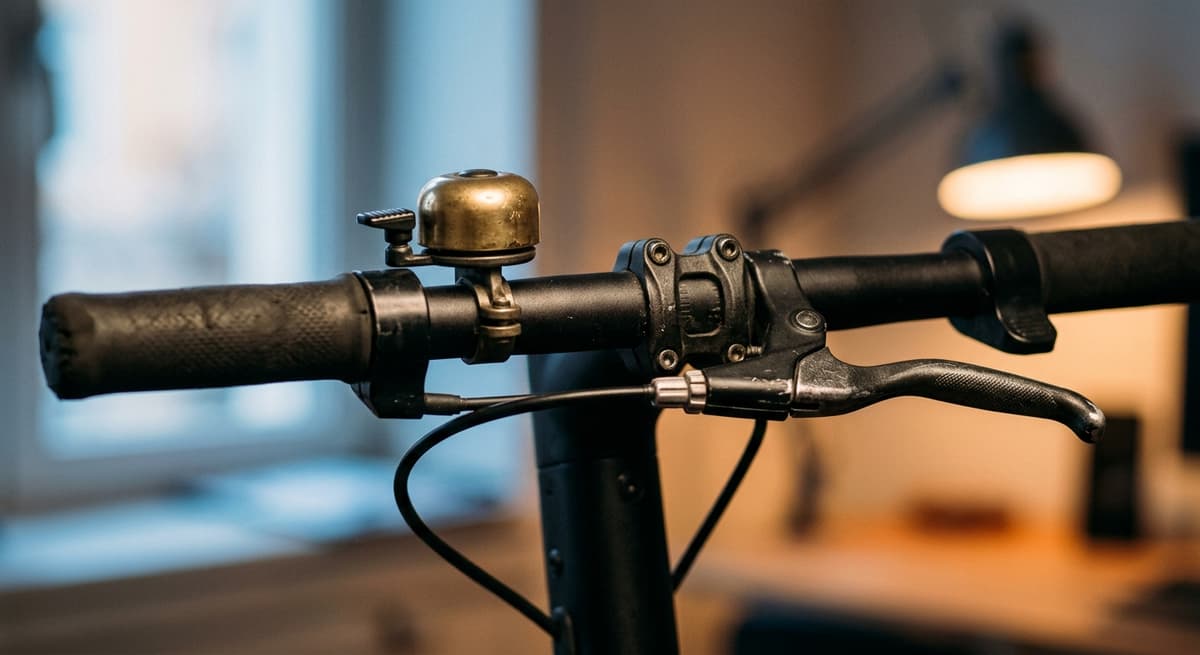
The regulation also sets mandatory equipment: a white front light visible from 20 meters, a red rear light and reflector, and a bell or horn audible from 30 meters (Article 5, paragraph 2).
Where you can ride
Article 5 lists specific prohibitions rather than a single blanket rule. Riding is forbidden on otoyol (controlled-access highways), on intercity roads, and on any road with a speed limit above 50 km/h. Sidewalk riding is also prohibited outright.
Other Article 5 prohibitions include riding more than two abreast, towing or being towed by another vehicle, performing stunts without a permit, riding one-handed except briefly to signal, and carrying passengers or cargo beyond what a rider can wear on their back.
Rider rules
- Helmet: there is no statutory helmet mandate for e-scooter riders in this regulation. Article 16(9) obliges rental and sharing operators only to inform users about helmets, knee pads, and reflective vests, a disclosure duty rather than a requirement that riders actually wear one. This is a genuine, verified gap between the law and much of the reporting around it.
- Minimum age (rental): operators "cannot serve those who have not completed 15 years of age" under Article 16(9). This bars operators from renting to under-15s; it does not itself set an age floor for privately owned devices.
- Minimum age (private): not addressed in this regulation. The applicable age rule for a privately owned e-scooter falls back to the general Highway Traffic Law (Law No. 2918), which this page did not independently verify for e-scooter-specific language.
- Lighting and audible signal: mandatory equipment under Article 5(2), described above.
- Geofencing (rental only): since the December 2025 amendment, rental devices must auto-reduce to 6 km/h near restricted zones and sound an in-device warning as they approach.
Penalties
Article 22's fine schedule is directed at rental and sharing operators, not at individual riders. Fines run from 1,000 to 10,000 Turkish lira for most violations, and specifically escalate from 1,000 to 10,000 to 50,000 lira for repeated breaches of the municipal capacity quota, with a six-month suspension of the operator's activity on a third offense.
The regulation itself does not set out a rider-facing fine schedule for e-scooter-specific conduct. Individual riders who break the general traffic-conduct rules (for example, riding on a prohibited road) would be handled under Turkey's general Highway Traffic Law framework, which this page did not independently research in detail.
| Who is fined | Basis | Reported range |
|---|---|---|
| Rental/sharing operator | Regulation Article 22, general violations | 1,000 to 10,000 TL |
| Rental/sharing operator | Repeat capacity-quota breaches | 1,000 to 10,000 to 50,000 TL, escalating |
| Rental/sharing operator | Third offense on capacity breaches | Up to 6-month suspension of activity |
| Individual rider | General Highway Traffic Law (not e-scooter-specific in this regulation) | Not independently verified this session |
Enforcement in practice
Operator compliance is enforced with real technical infrastructure. Rental scooters are GPS-tracked and report position roughly every three minutes through a system called U-Net, and since the December 2025 amendment, geofencing automatically slows devices to 6 km/h near restricted zones. Operators also face monthly crash and complaint reporting obligations to U-Net.
Individual riders are a different story. Because the regulation's fine schedule is built around operators, not riders, day-to-day enforcement against an individual rider's conduct (a wrong-road ride, a missing light) falls to general traffic policing rather than to this regulation's own machinery, and this page found no dedicated national data on how often that happens. Enforcement patterns do not change the legal status of a rule and are not permission to ignore it.
It is also worth being direct about a common misreport: several legal and news summaries describe Turkey's e-scooter rules as including a mandatory helmet requirement. The consolidated regulation text does not contain one. What it contains is an obligation on rental operators to inform riders about safety gear, which is a materially different, and weaker, rule than a legal mandate to wear a helmet.
Legal history and what may change
The regulation has been amended at least once since its 2021 debut, most significantly by the amendment published 2 December 2025 (Official Gazette No. 33095), which added the mandatory geofencing and reporting requirements described above. That amendment tightened operator obligations; it did not add a rider-facing helmet mandate.

For how other countries handle e-scooters, see our global e-scooter law guide.
Frequently Asked Questions
Is a helmet legally required for e-scooters in Turkey?
No. The consolidated national e-scooter regulation, including its December 2025 amendment, does not contain a statutory helmet mandate. It only requires rental and sharing operators to inform riders about helmets, knee pads, and reflective vests, an information duty rather than a wear-it requirement, despite widespread reporting that describes helmets as mandatory.
What is the minimum age to ride an e-scooter in Turkey?
Rental and sharing operators are barred from serving riders under 15. The national e-scooter regulation does not itself set a minimum age for privately owned devices; that falls back to the general Highway Traffic Law, which this page did not independently verify for e-scooter-specific language.
Can I ride an e-scooter on the sidewalk in Turkey?
No. Article 5 of the regulation prohibits sidewalk riding outright, along with riding on highways and roads with speed limits above 50 km/h.
Are fines for e-scooter violations aimed at riders or rental companies in Turkey?
The regulation's fine schedule, running from 1,000 to 50,000 Turkish lira with a possible six-month suspension, is directed at rental and sharing operators rather than individual riders.
What changed in Turkey's e-scooter rules in December 2025?
An amendment to the regulation added mandatory geofencing for rental devices, automatically reducing speed to 6 km/h near restricted zones with an audible in-device warning, plus monthly crash and complaint reporting by operators to a national tracking system.
How fast can an e-scooter legally go in Turkey?
The regulation defines a covered e-scooter as a device with a maximum speed of 25 km/h. Devices exceeding that speed fall outside this category and are regulated differently.
Updates
Independently fact-checked against the cited primary sources
Sources and References
- Turkish Ministry of Transport and Infrastructure, consolidated Electric Scooter Regulation (Elektrikli Skuter Yonetmeligi), including 2 December 2025 amendment(mevzuat.gov.tr).gov
- Esin Attorney Partnership (Baker McKenzie member firm), Turkey Publishes Regulation on Electronic Scooters(esin.av.tr)
- Lexology, Turkey Publishes Regulation on Electronic Scooters(lexology.com)
- Mondaq, Turkey Publishes Regulation On Electronic Scooters(mondaq.com)