
Kansas
Kansas DUI Laws: Penalties, BAC Limit & License (2026)
Independently fact-checked against primary sources (last audited August 18, 2026). · Reviewed by the RecordingLaw editorial team. · Law checked current as of August 18, 2026. · 5 primary sources cited on this page. How we verify our legal content
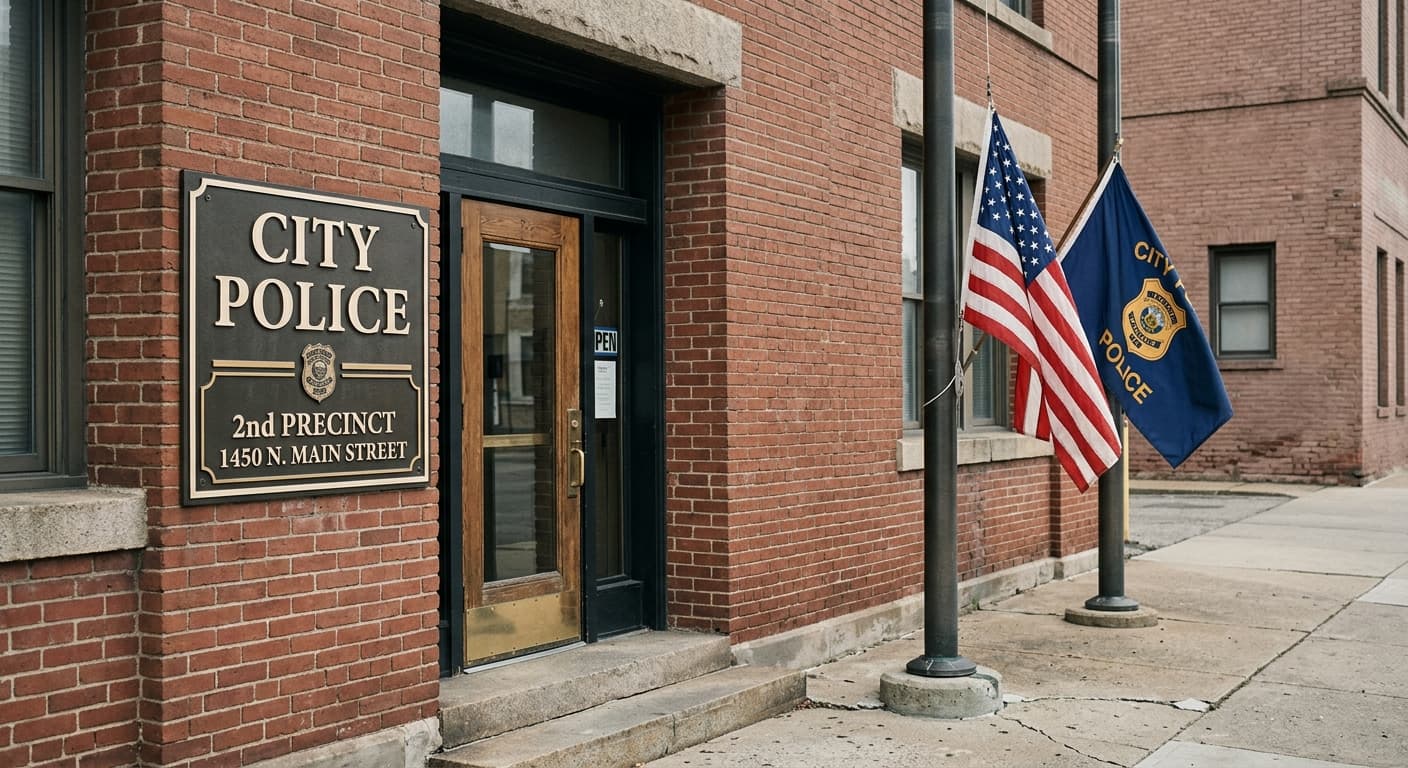
In Kansas the offense is called driving under the influence (DUI), and K.S.A. 8-1567 makes it unlawful to drive with a blood or breath alcohol concentration (BAC) of 0.08 percent or more. A first DUI carries at least 48 consecutive hours in jail, a fine of $750 to $1,000, and a 30-day license suspension followed by a period of restricted, interlock-only driving, according to the Kansas Department of Revenue.
This guide is part of our DUI Laws by State series.
What counts as a DUI in Kansas
Kansas's core DUI statute, K.S.A. 8-1567, makes it unlawful to operate a vehicle with a BAC of 0.08 percent or more, or while under the influence of alcohol or drugs to a degree that renders the person incapable of safely driving. Because the impairment definition does not require a specific number, a driver under 0.08 can still be convicted on evidence of incapacity to drive safely. Commercial drivers face a 0.04 percent limit under a separate offense, K.S.A. 8-2,144, and drivers under 21 fall under the zero-tolerance rule in K.S.A. 8-1567a, which makes it unlawful to drive with a breath or blood alcohol content of 0.02 or greater. The 0.08 figure is the federal benchmark adopted by every state except Utah, which sets its limit at 0.05 percent, as the National Highway Traffic Safety Administration explains.
First-offense DUI penalties in Kansas (jail, fines, suspension)
A first DUI under K.S.A. 8-1567 is a misdemeanor. The statute requires a minimum of 48 consecutive hours in jail, up to a maximum of six months, although the court may allow 100 hours of public service in place of part of the jail time, and it sets a fine of not less than $750 nor more than $1,000. The court typically also orders an alcohol and drug evaluation and completion of any recommended treatment. Separately, the Kansas Department of Revenue takes administrative action against the driving privilege based on the test result. A first offender who fails the test with a BAC under 0.15 percent faces a 30-day suspension followed by 180 days of interlock-restricted driving, while a reading of 0.15 percent or more brings a longer suspension and interlock period.
| First-offense item | Kansas rule (statute or agency) |
|---|---|
| Offense level | Misdemeanor (K.S.A. 8-1567) |
| Jail | 48 consecutive hours to 6 months (K.S.A. 8-1567) |
| Fine | $750 to $1,000 (K.S.A. 8-1567) |
| Suspension (fail, under 0.15%) | 30 days, then 180 days interlock (DOR) |
| Suspension (0.15%+) | 1 year, then 1 year interlock (DOR) |
| Refusal | 1 year suspension, then 2 years interlock (DOR) |
| Felony threshold | 3rd (prior within 10 years) or 4th offense |
Watch out: The Department of Revenue license suspension runs on a separate track from the criminal case. You can resolve the criminal case and still lose your license administratively, and you generally must request a hearing within 14 days of the notice (the DC-27 form) to contest the suspension.
Ignition interlock requirements in Kansas
Kansas requires an ignition interlock device after the initial suspension period on most DUIs under K.S.A. 8-1014. As the Kansas Department of Revenue describes, a first offender who fails the test with a BAC under 0.15 percent serves a 30-day hard suspension and then must drive only a vehicle equipped with an interlock for 180 days. A first offender at 0.15 percent or higher serves a one-year suspension followed by one year of interlock-restricted driving. A driver who refuses the test faces a one-year suspension followed by two years of interlock-restricted driving. The device requires a breath sample before the engine starts and at random points during a trip, and a driver may apply to the Department of Revenue for a restricted, interlock-only license rather than wait out the full suspension. Interlock periods grow for repeat offenders.
License suspension and the administrative process in Kansas
Kansas runs an administrative suspension and the criminal case at the same time. When a driver fails or refuses the test, the officer serves a DC-27 form that acts as a notice of suspension and a temporary license. The Kansas Department of Revenue handles the administrative case, which is based on the test result and separate from the criminal court outcome. The driver has 14 days from the notice to request a hearing to contest the suspension. For a first failure under 0.15 percent, the suspension is 30 days followed by 180 days of interlock-restricted driving; a 0.15-percent-or-higher reading or a refusal brings a longer suspension and interlock term. To reinstate, a driver must serve the suspension or use the interlock option, pay a reinstatement fee, and often file proof of financial responsibility (an SR-22).
Repeat offenses and the Kansas look-back period
Kansas treats prior DUIs harshly. For counting priors, only convictions occurring on or after July 1, 2001 are considered, which functions as a long look-back. Under K.S.A. 8-1567, a second DUI is a misdemeanor with a longer jail term and fine. A third DUI is a felony if the person has a prior conviction within the preceding 10 years; otherwise a third is a class A nonperson misdemeanor. A fourth or subsequent DUI is always a severity level 6 nonperson felony. The felony threshold therefore sits at the third offense when a recent prior exists, and no later than the fourth offense. Aggravated battery or vehicular homicide while DUI is charged separately and is a felony regardless of offense number.
Watch out: Refusing the chemical test does not protect your license and usually makes it worse. A refusal triggers a one-year suspension followed by two years of interlock-restricted driving, longer than the penalty for failing the test, and the refusal can be used against you.
Refusing a breath or blood test in Kansas
Kansas's implied consent law, K.S.A. 8-1001, means that by driving in the state you have agreed to submit to a chemical test of breath, blood, or other bodily substance if an officer has reasonable grounds to believe you are operating under the influence. According to the Kansas Department of Revenue, refusing the test on a first occurrence results in a one-year license suspension followed by a two-year period of driving only with an ignition interlock device. That is a harsher result than failing the test, which on a first offense under 0.15 percent brings a 30-day suspension and 180 days of interlock-restricted driving. There is no waiting period before asking for restricted driving privileges. Under K.S.A. 8-1015(a), a person whose privileges are suspended under K.S.A. 8-1014 may apply to the division to have those privileges restricted for the suspension period to driving only a vehicle equipped with an ignition interlock device, for a $100 application fee, and the division must approve the request unless the person's privileges are also restricted, suspended, revoked, or disqualified by another action of the division or a court. The refusal can also be admitted as evidence in the criminal case.
Can you expunge or seal a DUI in Kansas
Kansas does allow a DUI to be expunged from the criminal record, but only after a long wait. Under the expungement statute, K.S.A. 21-6614(d)(1), a person convicted of a first violation of K.S.A. 8-1567, including any diversion for that violation, may not petition for expungement until five or more years have elapsed since satisfying the sentence imposed or the terms of the diversion agreement, or being discharged from probation, a community corrections program, parole, postrelease supervision, conditional release, or a suspended sentence. For a second or subsequent violation, subsection (d)(2) sets the wait at 10 or more years. These waiting periods apply to violations committed on or after July 1, 2006.
DUI does not appear on the K.S.A. 21-6614(e) list of offenses that can never be expunged, though commercial-vehicle DUI under K.S.A. 8-2,144 does, including any diversion for it. A first-time offender may also be eligible for a diversion agreement, in which the prosecution is suspended and the charge is dismissed if the person completes the agreement. A DUI diversion still counts as a prior for sentencing enhancement under K.S.A. 8-1567(i)(1), and even after expungement K.S.A. 21-6614 allows an expunged conviction to be considered as a prior on a later sentencing. Until the waiting period runs and a court grants a petition, the DUI stays visible on background checks.
What to do after a DUI arrest in Kansas
A Kansas DUI creates two matters at once: a criminal case in court and an administrative license action at the Department of Revenue. The deadlines are short, so a common early step is to request the administrative hearing within 14 days of the DC-27 notice, because missing that window generally lets the suspension take effect automatically. The criminal case proceeds on its own schedule from the first appearance through pretrial and resolution. General information cannot tell you how your case will come out, because the outcome depends on the specific facts, your record, and the evidence. Many people consult a licensed Kansas DUI attorney to understand the charge, the suspension, and the options for both the court case and the license case. Keep the arrest paperwork, the DC-27 notice, and the test results in a safe place.
More Kansas Laws
Frequently Asked Questions
What is the BAC limit in Kansas?
The per se limit is 0.08 percent BAC under K.S.A. 8-1567. Commercial drivers are limited to 0.04 percent under the separate offense in K.S.A. 8-2,144, and drivers under 21 face a 0.02 percent zero-tolerance limit under K.S.A. 8-1567a. A reading of 0.15 percent or more brings harsher administrative penalties.
How long do you lose your license for a first DUI in Kansas?
On a first failure under 0.15 percent, the Department of Revenue suspends the license for 30 days, then requires 180 days of driving only with an ignition interlock device. A 0.15-percent-or-higher reading brings a one-year suspension plus a year of interlock.
Is a first DUI a felony in Kansas?
No. A first DUI is a misdemeanor. A third DUI is a felony if a prior conviction occurred within the past 10 years, and a fourth or later DUI is always a severity level 6 nonperson felony.
Do you need an interlock for a first DUI in Kansas?
Yes. After the initial suspension, a first offender under 0.15 percent must drive only a vehicle with an ignition interlock device for 180 days. At 0.15 percent or higher the interlock period is one year, and after a refusal it is two years.
What happens if you refuse a breathalyzer in Kansas?
Under implied consent, refusing the test triggers a one-year license suspension followed by two years of interlock-restricted driving, longer than the penalty for failing the test. There is no waiting period before applying for restricted driving: under K.S.A. 8-1015(a) you may apply to the division for interlock-restricted privileges for the suspension period, for a $100 application fee.
How long does a DUI stay on your record in Kansas?
It is not permanent. Under K.S.A. 21-6614(d), you may petition to expunge a first violation of K.S.A. 8-1567, including a diversion for it, five or more years after you satisfy the sentence or the terms of the diversion agreement, and a second or subsequent violation after 10 or more years. Until then it stays visible. For enhancement, Kansas counts prior DUI convictions and diversions occurring on or after July 1, 2001.
Can you get a DUI expunged in Kansas?
Yes, after a waiting period. K.S.A. 21-6614(d) lets a person petition to expunge a first violation of K.S.A. 8-1567, including any diversion for that violation, five or more years after satisfying the sentence or the diversion terms, and a second or subsequent violation after 10 or more years. DUI is not on the K.S.A. 21-6614(e) list of offenses that can never be expunged, although commercial-vehicle DUI under K.S.A. 8-2,144 is. A diversion still counts as a prior for sentencing enhancement.
What is the look-back period for DUI in Kansas?
Kansas counts DUI convictions that occurred on or after July 1, 2001. A third DUI is a felony only if a prior conviction was within the past 10 years, while a fourth or later DUI is always a felony.
Facing a warrant, DUI, or criminal charge in Kansas? Get a free case review
An active warrant or a criminal charge like DUI puts your freedom, license, and record at risk, and deadlines to act, like challenging a license suspension or resolving a warrant before an arrest, can be just days away. Get a free, confidential review from a Kansas criminal defense attorney. Acting quickly protects your options.
Updates
Corrected the expungement guidance: a Kansas DUI, including a diversion for a first offense, can be expunged five years after the sentence or diversion terms are satisfied and ten years after a repeat offense under K.S.A. 21-6614, removed the incorrect claim that a test refusal requires a 90-day wait before applying for interlock-restricted driving, and attributed the 0.04 commercial and 0.02 under-21 limits to their own statutes.
Independently fact-checked against the cited primary sources; governing law re-checked for recent changes
Corrected the Repeat Offenses section: a third DUI without a prior conviction in the preceding 10 years is a class A nonperson misdemeanor under K.S.A. 8-1567(b)(1)(C), not a felony as the article previously stated.
Governing law re-checked for recent changes
Reviewed and approved by an editor
The Law Behind This Article
This article rests on the statutory provisions below, held in our own legal record and retrieved from the official source. Tap a section to read the operative text.
Kansas Statutes Annotated, Chapter 8: AUTOMOBILES AND OTHER VEHICLES
§ 8-1567Driving under the influence; penalties; disposition of moneys from fines and penalties.In forcecited in 2 of our articles
(a) Driving under the influence is operating or attempting to operate any vehicle within this state while: (1) The alcohol concentration in the person's blood or breath as shown by any competent evidence, including other competent evidence, as defined in K.S.A. 8-1013(f)(1), and amendments thereto, is 0.08 or more; (2) the alcohol concentration in the person's blood or breath, as measured within three hours of the time of operating or attempting to operate a vehicle, is 0.08 or more; (3) under the influence of alcohol to a degree that renders the person incapable of safely driving a vehicle; (4) under the influence of any drug or combination of drugs to a degree that renders the person incapable of safely driving a vehicle; or (5) under the influence of a combination of alcohol and any drug or drugs to a degree that renders the person incapable of safely driving a vehicle. (b) (1) Driving under the influence is: (A) On a first conviction, a class B, nonperson misdemeanor.
Official text (excerpt) · last checked 2026-09-04 · Read the full text in our law library · Verify at ksrevisor.gov
Also relied on in: Kansas Expungement Laws: K.S.A. 21-6614 Eligibility, Waiting Periods, and Filing Steps
§ 8-1001Tests for alcohol or drugs; request by officer, grounds; administration of tests, when; procedures; immunity from liability; duty to provide driver notice; refusal to comply or test result exceeding limit, license suspension; admissibility and availability of test result; remedial nature of law.In force
(a) Any person who operates or attempts to operate a vehicle within this state may be requested, subject to the provisions of this article, to submit to one or more tests of the person's blood, breath, urine or other bodily substance to determine the presence of alcohol or drugs. The testing shall include all quantitative and qualitative tests for alcohol and drugs. The test must be administered at the direction of a law enforcement officer, and the law enforcement officer shall determine which type of test is to be conducted or requested. (b) (1) One or more tests may be required of a person when, at the time of the request, a law enforcement officer has probable cause to believe the person has committed a violation of K.S.A. 8-1567(a), and amendments thereto, or to believe the person was driving a commercial motor vehicle, as defined in K.S.A.
Official text (excerpt) · last checked 2026-07-29 · Read the full text in our law library · Verify at ksrevisor.gov
§ 8-1014Suspension and restriction of driving privileges for test refusal, test failure or alcohol or drug-related conviction; increased penalties for blood or breath alcohol concentration of 0.15 or greater; ignition interlock device.In force
(a) Except as provided by subsection (e) and K.S.A. 8-2,142, and amendments thereto, if a person refuses a test, the division, pursuant to K.S.A. 8-1002, and amendments thereto, shall: (1) On the person's first occurrence, suspend the person's driving privileges for one year and at the end of the suspension, restrict the person's driving privileges for two years to driving only a motor vehicle equipped with an ignition interlock device; (2) on the person's second occurrence, suspend the person's driving privileges for one year and at the end of the suspension, restrict the person's driving privileges for three years to driving only a motor vehicle equipped with an ignition interlock device; (3) on the person's third occurrence, suspend the person's driving privileges for one year and at the end of the suspension, restrict the person's driving privileges for four years to driving only a motor vehicle equipped with an ignition interlock device; (4) on the person's fourth occurrence, suspend the person's driving privileges for one year and at the end of the suspension, restrict the person's driving privileges for five years to driving only a motor vehicle equipped with an…
Official text (excerpt) · last checked 2026-07-29 · Read the full text in our law library · Verify at ksrevisor.gov
Search our full record of US law — 2.1 million sections, every state + federal →
Sources and References
- K.S.A. 8-1567, Kansas DUI offense, BAC 0.08% per se limit, and offense levels(ksrevisor.gov).gov
- K.S.A. 8-1001, Kansas implied consent and chemical test refusal(ksrevisor.gov).gov
- K.S.A. 8-1014, license suspension and ignition interlock requirements for DUI(ksrevisor.gov).gov
- Kansas Department of Revenue, suspended licenses and DUI administrative suspension/interlock(ksrevenue.gov).gov
- NHTSA, drunk driving and the 0.08% federal BAC standard(nhtsa.gov).gov
- K.S.A. 21-6614, Kansas expungement of convictions, including the five-year first-DUI and ten-year repeat-DUI waiting periods(ksrevisor.gov)
- K.S.A. 8-1015, application for ignition interlock restricted driving privileges during a suspension(ksrevisor.gov)
- K.S.A. 8-2,144, driving a commercial motor vehicle under the influence, 0.04 threshold(ksrevisor.gov)
- K.S.A. 8-1567a, driving under the influence by a person under 21, 0.02 zero-tolerance threshold(ksrevisor.gov)