
Alabama
Alabama DUI Laws: Penalties, BAC Limit & License (2026)
Independently fact-checked against primary sources (last audited August 18, 2026). · Reviewed by the RecordingLaw editorial team. · Law checked current as of August 18, 2026. · 6 primary sources cited on this page. How we verify our legal content
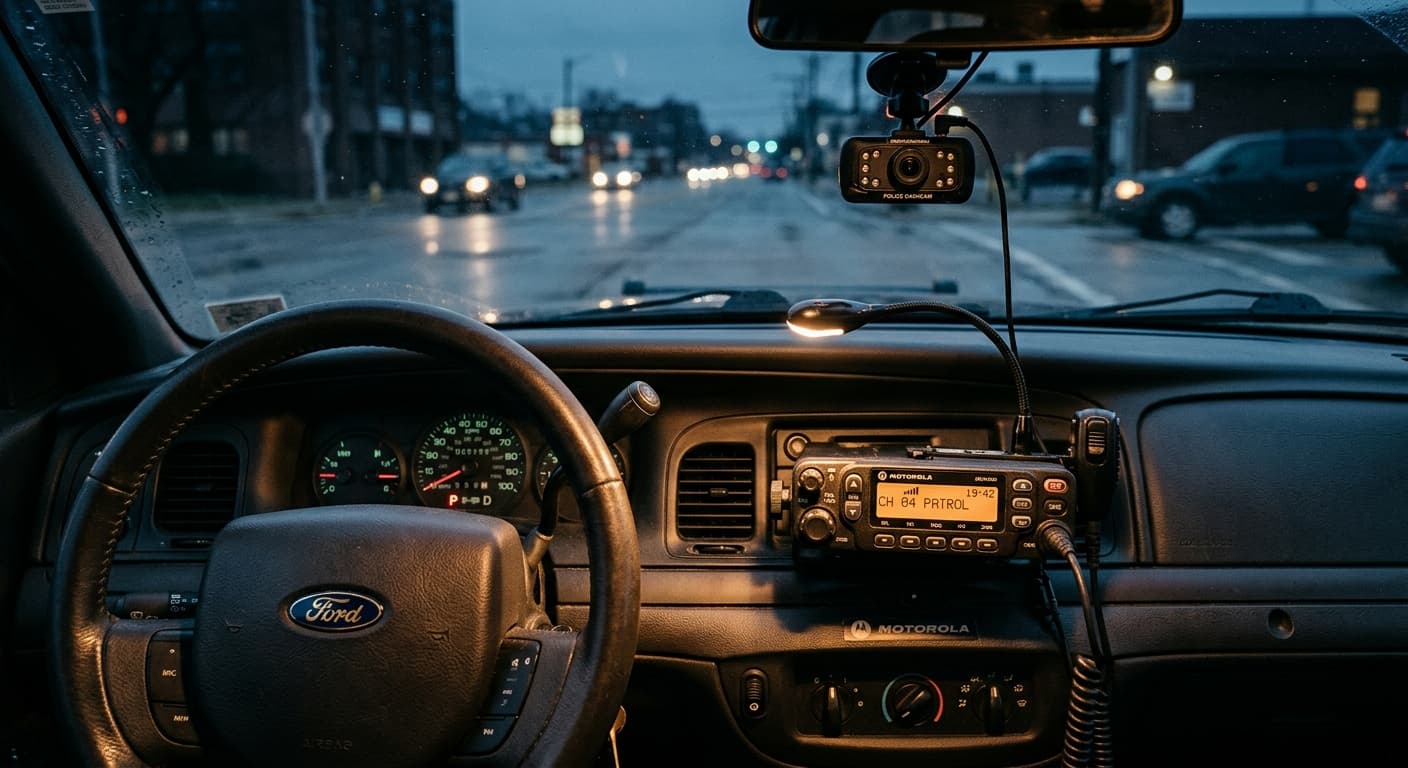
In Alabama the offense is called driving under the influence (DUI), and Code of Alabama 32-5A-191 makes it unlawful to drive with a blood alcohol concentration (BAC) of 0.08 percent or more. A first DUI is a misdemeanor punishable by up to one year in jail, a fine of $600 to $2,100, and a 90-day license suspension that can be stayed with an ignition interlock device.
This guide is part of our DUI Laws by State series.
What counts as a DUI in Alabama
Alabama's DUI statute, Code 32-5A-191, makes it unlawful to drive or be in actual physical control of a vehicle while there is 0.08 percent or more alcohol in the blood, or while under the influence of alcohol, a controlled substance, or any combination that impairs the ability to drive safely. Because the statute lists impairment as a separate route, a driver can be convicted below 0.08 if the state proves the alcohol or drugs rendered the person incapable of driving safely. Commercial drivers face a 0.04 percent limit, and drivers under 21 fall under a zero-tolerance rule that bars driving with 0.02 percent or more. School bus and day care drivers are also held to the 0.02 percent threshold. The 0.08 figure is the federal benchmark adopted by every state except Utah, which sets its limit at 0.05 percent, as the National Highway Traffic Safety Administration describes.
First-offense DUI penalties in Alabama (jail, fines, suspension)
A first DUI under Code 32-5A-191 is a misdemeanor. The statute provides for imprisonment in the county or municipal jail for not more than one year, a fine of not less than $600 nor more than $2,100, or both. Court costs and program fees push the actual cost higher. The court typically allows probation in place of most jail time, with conditions that include a court referral program evaluation and completion of a state-approved DUI or substance abuse program. On a first conviction, the Alabama State Law Enforcement Agency (ALEA) suspends the driver license for 90 days, but ALEA explains that the suspension is stayed if the offender voluntarily installs an approved ignition interlock device for 90 days. The interlock becomes mandatory in several aggravating situations described below.
| First-offense item | Alabama rule (statute or agency) |
|---|---|
| Offense level | Misdemeanor (Code 32-5A-191) |
| Jail | Up to 1 year (Code 32-5A-191) |
| Fine | $600 to $2,100 (Code 32-5A-191) |
| License suspension | 90 days, stayed with IID (ALEA) |
| IID (voluntary, BAC under 0.15%) | 90 days, stays the suspension |
| IID (mandatory: BAC 0.15%+, child, or injury) | 1 year (ALEA) |
| IID (mandatory: chemical-test refusal) | 1 year (ALEA) |
| Look-back period | 10 years |
| Felony threshold | 4th conviction in 10 years, or any DUI by a person with a previous felony DUI conviction (Code 32-5A-191(h), (p)(2)) |
Watch out: The ALEA administrative suspension and the criminal court case run on separate tracks. You can resolve the criminal charge and still face a license suspension through ALEA, and a chemical-test refusal triggers its own administrative action.
Ignition interlock requirements in Alabama
Alabama gives first offenders a choice that many states do not. According to ALEA, a first offender whose BAC was under 0.15 percent can avoid the 90-day suspension entirely by voluntarily installing an ignition interlock device for 90 days. The device is mandatory for one year on a first offense when the BAC was 0.15 percent or higher, when a child under 14 was in the vehicle, or when someone was injured. A chemical-test refusal carries the same first-offense term as those aggravators: the device is mandatory for one year. The interlock terms increase with each later conviction, reaching two years on a second conviction, three years on a third, and four years on a fourth or subsequent conviction. The device requires a breath sample before the engine starts and at random intervals while driving, and it logs every reading.
License suspension and the administrative process in Alabama
Alabama runs an administrative license action alongside the criminal case. On a first DUI conviction, ALEA suspends the driver license for 90 days, though that suspension is stayed if the driver installs an ignition interlock device for the same period, as ALEA sets out. A driver who refuses chemical testing faces a separate administrative suspension under the implied consent law. To reinstate, a driver generally must serve or stay the suspension, complete the required DUI or substance abuse program, file proof of financial responsibility (an SR-22 certificate), and pay reinstatement fees. Repeat convictions move from suspension to revocation, which is a distinct and more serious license action with its own reinstatement requirements. Code 32-5A-191 directs ALEA to revoke the driving privilege for one year on a second conviction, three years on a third, and five years on a fourth or subsequent conviction.
Repeat offenses and the Alabama look-back period
Alabama counts prior DUIs within a 10-year look-back window, so penalties escalate for offenses inside that period. A second DUI within 10 years carries mandatory minimum jail time, a higher fine, a one-year license revocation rather than the suspension used on a first offense, and a two-year ignition interlock requirement. A third within 10 years carries a minimum of 60 days in jail that cannot be suspended, a larger fine, a three-year license revocation, and a three-year interlock term. The felony threshold sits at the fourth offense: under Code 32-5A-191, a fourth or subsequent DUI within 10 years is a Class C felony, punishable by a prison term of one year and one day to 10 years, a fine of $4,100 to $10,100, a five-year license revocation, and a four-year interlock requirement. Subsection (h) sets out a second route to felony treatment that does not depend on counting offenses at all: the offense is a Class C felony if the person has a previous felony DUI conviction. Subsection (p)(2) makes the consequence explicit, providing that if a person has a previous felony DUI conviction, all of that person's subsequent DUI convictions are treated as felonies regardless of the date of the previous felony conviction. The 10-year look-back therefore does not help a driver whose earlier felony DUI falls outside the window; the next DUI is still a felony. A DUI causing serious physical injury or death can be charged as a felony regardless of offense number.
Watch out: Refusing a breath or blood test does not avoid a license penalty and usually makes it worse. A refusal triggers an administrative suspension and a one-year ignition interlock requirement on a first offense, longer than the 90-day interlock that resolves a non-refusal case.
Refusing a breath or blood test in Alabama
Alabama's implied consent law, in Code 32-5-192, provides that by driving on Alabama roads you have agreed to submit to a chemical test of blood, breath, or oral fluid if lawfully arrested for DUI. Refusing the post-arrest test triggers an administrative license suspension imposed by ALEA, separate from any criminal penalty. On a first offense, ALEA requires a refusing driver to install an ignition interlock device for one year, which is longer than the 90-day interlock that resolves a standard first offense. The refusal can also be raised in the criminal case. Because refusing leads to a longer interlock requirement and a separate suspension, it rarely helps and often makes the overall consequences worse.
Can you expunge or seal a DUI in Alabama
A DUI conviction cannot be expunged in Alabama. Under Code 15-27-1, DUI is treated as a serious traffic offense under Article 9 of Chapter 5A of Title 32, and that subsection expressly excludes serious traffic offenses from expungement, so a person who is convicted of DUI cannot later clear it from the record no matter how much time passes. The only way a DUI ends up expungeable is if the charge never resulted in a conviction. A DUI charge that ends in a dismissal, a no-bill, or an acquittal can be expunged under the same statute, which removes that non-conviction record from public databases while law enforcement and the courts retain access. People sometimes assume the 2021 expungement amendment that opened the door to certain misdemeanor convictions applies to DUI, but it does not, because the serious traffic offense carve-out controls. For that reason, the practical path to a clean record in a DUI case is to avoid a conviction in the first place, not to expunge one afterward.
What to do after a DUI arrest in Alabama
An Alabama DUI generates two matters at once: a criminal case in court and an administrative license action at ALEA. Deadlines are short, especially for contesting a suspension or a chemical-test refusal, so a common first step is to read the arrest and suspension paperwork carefully to learn the dates that apply. The criminal case proceeds on its own schedule through arraignment, pretrial, and resolution, while ALEA acts on the driving privilege separately. General information cannot tell you how your case will come out, because the outcome depends on the specific facts, the evidence, and your record. Many people consult a licensed Alabama DUI attorney to understand the charge, the interlock options, and the deadlines for both the court case and the license action. Keep copies of the arrest report, any suspension notice, and the test results.
More Alabama Laws
Frequently Asked Questions
What is the BAC limit in Alabama?
The per se limit is 0.08 percent BAC under Code 32-5A-191. Commercial drivers are limited to 0.04 percent, and drivers under 21 face a 0.02 percent zero-tolerance limit. School bus and day care drivers are also held to the 0.02 percent threshold.
How long do you lose your license for a first DUI in Alabama?
A first DUI carries a 90-day license suspension, but ALEA stays that suspension if you voluntarily install an ignition interlock device for 90 days. A refusal or a high BAC triggers a separate suspension and a longer interlock requirement.
Is a first DUI a felony in Alabama?
No, a first DUI is a misdemeanor. A DUI becomes a Class C felony on the fourth conviction within 10 years under Code 32-5A-191, or sooner if it causes serious physical injury or death. It is also a Class C felony if the driver already has a previous felony DUI conviction, and under Code 32-5A-191(p)(2) every DUI conviction after a felony DUI is treated as a felony regardless of how long ago that felony conviction occurred.
Do you need an interlock for a first DUI in Alabama?
Not always. A first offender with a BAC under 0.15 percent can voluntarily install an interlock for 90 days to avoid the suspension. The device is mandatory for one year if the BAC was 0.15 percent or higher, a child under 14 was present, or someone was injured, and for one year if you refused testing.
What happens if you refuse a breathalyzer in Alabama?
Under implied consent, refusing the post-arrest chemical test triggers an administrative license suspension and a mandatory one-year ignition interlock requirement on a first offense. The refusal can also be used as evidence in the criminal case.
How long does a DUI stay on your record in Alabama?
A DUI counts as a prior for 10 years under Alabama's look-back period, except that a felony DUI conviction counts as a prior indefinitely. A DUI conviction stays on the criminal record permanently because it cannot be expunged, since DUI is a serious traffic offense excluded from expungement under Code 15-27-1.
Can you get a DUI expunged in Alabama?
No, not a conviction. A DUI conviction cannot be expunged because DUI is a serious traffic offense excluded from expungement under Code 15-27-1. Only a DUI charge that ends in dismissal, a no-bill, or acquittal can be expunged.
What is the look-back period for DUI in Alabama?
Alabama uses a 10-year look-back period. Prior DUI convictions within 10 years count toward enhanced penalties for second and third offenses and toward the Class C felony at the fourth offense. A previous felony DUI conviction is the exception: under Code 32-5A-191(p)(2) it makes every subsequent DUI conviction a felony regardless of its date, so the 10-year window does not limit it.
Facing a warrant, DUI, or criminal charge in Alabama? Get a free case review
An active warrant or a criminal charge like DUI puts your freedom, license, and record at risk, and deadlines to act, like challenging a license suspension or resolving a warrant before an arrest, can be just days away. Get a free, confidential review from a Alabama criminal defense attorney. Acting quickly protects your options.
Updates
Corrected the implied consent description to the current statutory wording (blood, breath, or oral fluid), added the rule that a previous felony DUI conviction makes every later DUI a felony regardless of the 10-year look-back, corrected the repeat-offense license terms from suspension to revocation with the statutory one, three, and five year periods, and removed two inline images unrelated to DUI.
Independently fact-checked against the cited primary sources; governing law re-checked for recent changes
Corrected the first-offense chemical-test-refusal ignition interlock term from two years to the statute's actual one year (Code 32-5A-191(t)(2)/(e)), fixed across the KeyTakeaways, comparison table, interlock section, repeat-offense callout, refusal section, and two FAQ answers.
Corrected a second KeyTakeaways restatement of the same first-offense refusal ignition interlock term (missed in the first pass): one year under Code 32-5A-191(t)(2)/(e), not two years.
Governing law re-checked for recent changes
Reviewed and approved by an editor
The Law Behind This Article
This article rests on the statutory provisions below, held in our own legal record and retrieved from the official source. Tap a section to read the operative text.
Code of Alabama 1975, Title 32: Motor Vehicles and Traffic.
§ 32-5A-191Driving While Under Influence of Alcohol, Controlled Substances, Etc.In force
(a) A person shall not drive or be in actual physical control of any vehicle while: (1) There is 0.08 percent or more by weight of alcohol in his or her blood; (2) Under the influence of alcohol; (3) Under the influence of a controlled substance to a degree which renders him or her incapable of safely driving; (4) Under the combined influence of alcohol and a controlled substance to a degree which renders him or her incapable of safely driving; or (5) Under the influence of any substance which impairs the mental or physical faculties of such person to a degree which renders him or her incapable of safely driving. (b) A person who is under the age of 21 years shall not drive or be in actual physical control of any vehicle if there is 0.02 percent or more by weight of alcohol in his or her blood. The Alabama State Law Enforcement Agency shall suspend or revoke the driver’s license of any person, including, but not limited to, a juvenile, child, or youthful offender, convicted or adjudicated of, or subjected to a finding of, delinquency based on this subsection.
Official text (excerpt) · last checked 2026-07-29 · Read the full text in our law library · Verify at alison.legislature.state.al.us
Cited in 63 court opinions in our collectionLatest citing opinion in our collection: 2026
In the courts (editorial summary, independently checked):The Alabama Supreme Court has construed section 32-5A-191 alternatives. Ex Parte State (1988) held subsections (a)(1) and (a)(2) are two methods of proving one offense, not separate offenses; Ex Parte Buckner (1989) held "under the influence of alcohol" in (a)(2) means having consumed enough alcohol to affect safe driving.
Opinions citing this section in our collection:
- Meininger v. State (Supreme Court of Alabama 1997, 704 So. 2d 1034)“…was not impaired is not a defense to a charge of violating Ala. Code 1975, § 32-5A-191 (a)(1), driving while "[t]here is 0.10…”
- Bruno v. DIRECTOR, DEPT. OF PUBLIC SAFETY (Court of Civil Appeals of Alabama 1995, 673 So. 2d 445)“…of DUI in Alabama upon proof of circumstances described in Ala. Code 1975, § 32-5A-191 , which provides: "(a) A person sha…”
- Ex Parte State (Supreme Court of Alabama 1988, 528 So. 2d 1159)✓The State amended a DUI complaint over the defendant's objection to add the per se blood-alcohol alternative; the court held 32-5A-191(a)(1) and (a)(2) are two methods of proving one offense rather than separate offenses, but the amendment was still error and the reversal stood.
Identified automatically from the court opinions citing this section — not a ranking of which case controls.
§ 32-5-192Implied Consent; When Tests Administered; Suspension of License or Permit to Drive, Etc., for Refusal to Submit to Test.In force
(a)(1) Any person who operates a motor vehicle on the public highways of this state shall be deemed to have given consent, subject to this division, to a chemical test or tests of his or her blood, breath, or oral fluid for the purpose of determining the content of any impairing substance or substances within a person’s system, if lawfully arrested for any offense arising out of acts alleged to have been committed while the person was driving a motor vehicle on the public highways of this state in violation of Section 32-5A-191. (2) The test or tests shall be administered at the direction of a law enforcement officer having reasonable grounds to believe that the person was in violation of Section 32-5A-191, while driving a motor vehicle on the public highways of this state. (3) The law enforcement agency that employs the officer shall designate which test or tests shall be administered. The person shall be told that his or her failure to submit to a chemical test or tests will result in the suspension of his or her privilege to operate a motor vehicle for a minimum of 90 days.
Official text (excerpt) · last checked 2026-07-29 · Read the full text in our law library · Verify at alison.legislature.state.al.us
Cited in 9 court opinions in our collectionLatest citing opinion in our collection: 2017
Opinions citing this section in our collection:
- Hill v. State (Supreme Court of Alabama 1979, 366 So. 2d 318)“…r vehicle while under the influence of intoxicating liquor. Ala. Code § 32-5-192 (a) (1975). The act contains certain s…”
- Meininger v. State (Supreme Court of Alabama 1997, 704 So. 2d 1034)“…therefore, we reverse. Alabama's implied consent statute, Ala.Code 1975, § 32-5-192, provides, in pertinent part, as follow…”
- Moorman v. State (Court of Criminal Appeals of Alabama 1990, 574 So. 2d 953)“…blood-alcohol test under Alabama's implied consent statute, Ala. Code 1975, § 32-5-192 , and its counterpart, § 32-5-194 , se…”
Identified automatically from the court opinions citing this section — not a ranking of which case controls.
Code of Alabama 1975, Title 15: Criminal Procedure.
§ 15-27-1Petition to Expunge Records - Misdemeanor Offense, Violation, Traffic Violation, or Municipal Ordinance Violation.In forcecited in 4 of our articles
(a) A person who has been charged with a misdemeanor offense, violation, traffic violation, or municipal ordinance violation may file a petition in the criminal division of the circuit court in the county in which the charges were filed, to expunge records relating to the charge in any of the following circumstances: (1) When the charge has been dismissed with prejudice and more than 90 days have passed. (2) When the charge has been no billed by a grand jury and more than 90 days have passed. (3) When the person has been found not guilty of the charge and more than 90 days have passed. (4) When the charge has been nolle prossed without conditions, more than 90 days have passed, and the charge or charges have not been refiled. (5) When the indictment has been quashed and the statute of limitations for refiling the charge or charges has expired or the prosecuting agency confirms that the charge or charges will not be refiled. (6)a. When the charge was dismissed after successful completion of a drug court program, mental health court program, diversion program, veteran’s court program, or any other court-approved deferred prosecution program. b.
Official text (excerpt) · last checked 2026-09-01 · Read the full text in our law library · Verify at alison.legislature.state.al.us
Also relied on in: Alabama Background Check Laws (2026 Guide), Alabama Expungement Laws: Eligibility, Process, and the 2021 REDEEMER Act, Expungement Laws by State: How to Clear Your Record (2026)
Search our full record of US law — 2.1 million sections, every state + federal →
Sources and References
- Alabama Code 32-5A-191, DUI offense, per se 0.08% BAC, first-offense penalties, and felony enhancement(alison.legislature.state.al.us).gov
- Alabama Law Enforcement Agency, ignition interlock laws (first-offense stay, 1-year for 0.15%/child/injury, 2-year for refusal, repeat offenses)(alea.gov).gov
- Alabama Code 32-5-192, implied consent and chemical-test refusal(alison.legislature.state.al.us).gov
- Alabama Code 15-27-1, expungement of records; serious traffic offenses (DUI) excluded from expungement(alison.legislature.state.al.us).gov
- Alabama Law Enforcement Agency, criminal record expungement process(alea.gov).gov
- NHTSA, drunk driving and the 0.08% federal BAC standard(nhtsa.gov).gov