
Missouri
Missouri Window Tint Laws (2026): Legal VLT Limits
Independently fact-checked against primary sources (last audited August 18, 2026). · Reviewed by the RecordingLaw editorial team. · Law checked current as of August 18, 2026. · 2 primary sources cited on this page. How we verify our legal content
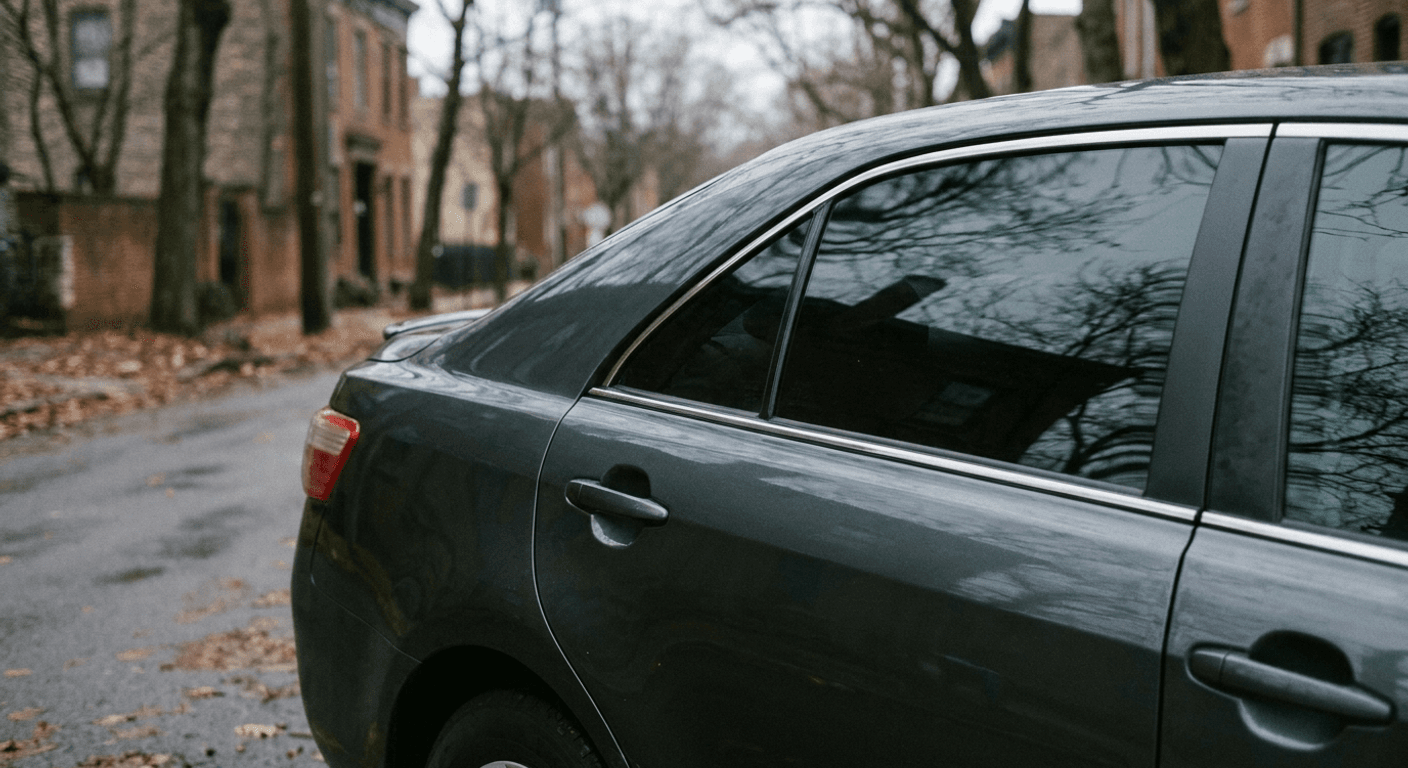
Missouri law requires front side windows to allow at least 35% visible light transmission (VLT). The windows behind the driver have no specified VLT minimum, so the practical constraint on heavy rear tint is Missouri's general mirror requirement (RSMo 307.170.4) rather than any tint-specific cap.
What is the legal tint limit in Missouri?
Missouri sets a 35% VLT minimum for front side windows. That means your tinted front windows must let at least 35% of visible light pass through. A higher VLT percentage means lighter tint; a lower percentage means darker tint. So 35% is noticeably dark, but there is still a meaningful floor.
The windows behind the driver, including back side windows and the rear window, have no specified VLT minimum in Missouri statute. Drivers can apply any darkness to those windows. Because no tint-specific cap applies there, the operative constraint is RSMo 307.170.4, the general equipment statute, which requires a mirror adjusted to reveal the road behind and visible from the operator's seat on any vehicle so constructed or loaded that the operator cannot see the road behind it. That provision never mentions tint, windows, or glazing, but a properly adjusted mirror is the practical answer when heavy rear tint limits the view.
| Window Position | Passenger Car | Multipurpose/SUV/Van/Truck |
|---|---|---|
| Front side windows | 35% minimum VLT | 35% minimum VLT |
| Back side windows | No restriction | No restriction |
| Rear window | No restriction | No restriction |
| Windshield | Factory tint, or aftermarket material on the upper portion normally tinted by the manufacturer | Factory tint, or aftermarket material on the upper portion normally tinted by the manufacturer |
The 35% front side limit applies regardless of vehicle type. Missouri does not create a separate, looser standard for SUVs or trucks on front side windows.
Windshield tint rules in Missouri
Missouri prohibits aftermarket sun-screening material on the lower windshield. RSMo 307.173.2 exempts factory-installed tinted glass (or its equivalent replacement) and, separately, tinting material applied to the upper portion of the windshield that is normally tinted by the manufacturer, so an aftermarket top strip in that same upper region is allowed.
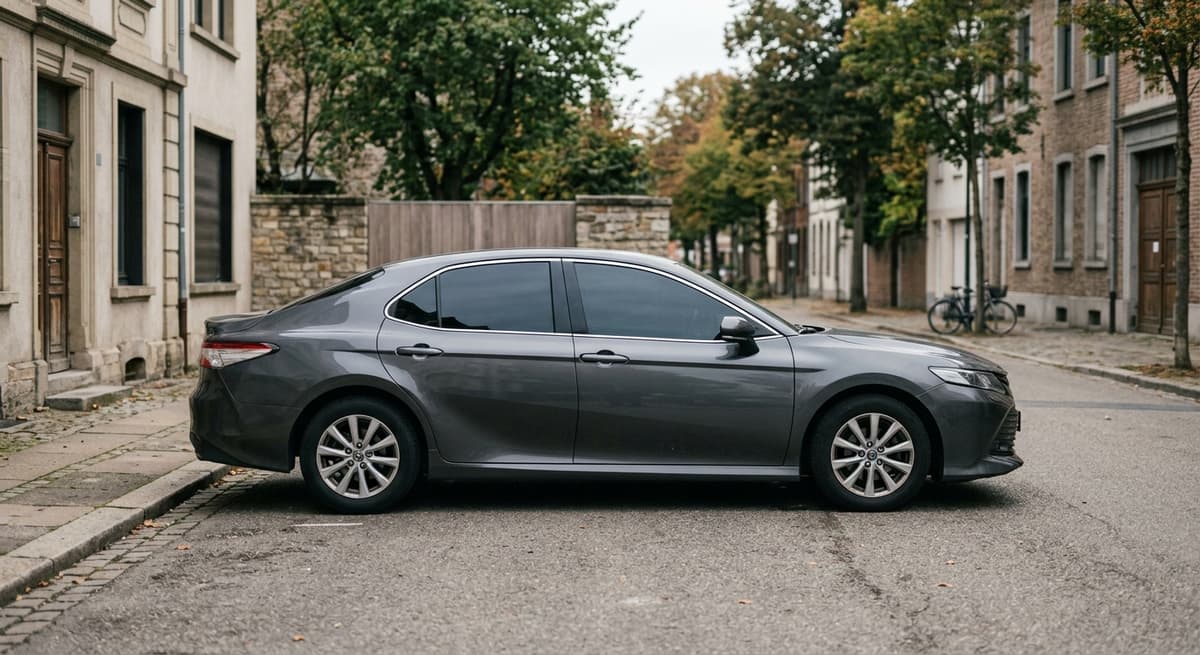
Drivers cannot add a film or spray product to the lower windshield after purchase, but an aftermarket top strip applied to the manufacturer's normally-tinted upper portion is allowed, similar to the AS-1-line top-strip rule many neighboring states use.
Missouri also caps reflectivity on front side windows at 35% luminous reflectance, subject to the same plus or minus 3% tolerance the statute applies to the VLT figure. No specific reflectivity rule is listed for the rear. No tint colors are expressly banned under the main tint statute, though the reflectivity limit would rule out highly mirrored finishes.
Medical exemptions
Missouri allows medical exemptions under RSMo 307.173. A vehicle owner can apply to the Department of Public Safety for a permit if a physician prescribes darker tint for a documented medical condition, such as a photosensitivity disorder or an eye condition that makes bright sunlight dangerous.
The DPS permit covers the titleholder and relatives within the second degree of consanguinity or affinity (spouse, grandparent, parent, sibling, niece, nephew, aunt, uncle, child, or grandchild) who reside in the permittee's household, not relatives who merely ride in the vehicle regularly. You should carry a copy of the permit in the vehicle so you can produce it during a traffic stop or inspection. Without the permit on hand, an officer cannot easily verify the exemption on the spot, and you risk a citation.
If you need a medical exemption, start by getting a written prescription from your physician that describes the condition and the need for reduced light. Submit that documentation to the Missouri DPS along with the permit application. Requirements may change, so check the current DPS process directly.
The medical permit is not the only way out of the 35% limit. A separate exemption covers classic cars: RSMo 307.173.5 provides that any vehicle licensed with a historical license plate is exempt from the requirements of the section. A historically plated vehicle therefore sits outside the front side window limit entirely, with no DPS permit and no physician prescription involved.
How tint is measured and certified
Missouri uses VLT meters (also called tint meters or photometers) to measure the percentage of visible light passing through a window. The meter is placed on the glass and gives a reading. Missouri statute allows a tolerance of plus or minus 3%, meaning a reading down to 32% would still satisfy the 35% minimum.
That tolerance can matter at a traffic stop. A reading of 33% would normally be within the allowed range. A reading below 32% is more clearly non-compliant.
Missouri does not require a compliance sticker or an installer certification label on tinted windows. However, getting documentation from your installer about the film's VLT rating is a smart practice. If the film peels, degrades, or is disputed at a stop, a certificate from the installer showing the VLT spec gives you a starting point for any dispute.
Penalties for illegal tint in Missouri
A vehicle operator who drives with non-compliant window tint in Missouri can be charged with a Class C misdemeanor. Missouri's Class C misdemeanor carries a fine of up to $750 and up to 15 days in jail, though tint citations in practice typically result in fines rather than jail time.
Unlike some states, Missouri imposes no statutory penalty on the shop that sells or installs the film. RSMo 307.173.4 reaches "any person who violates the provisions of this section," and the conduct the section regulates is operating a vehicle with a non-compliant sun-screening device, so the citation lands on the driver. The practical consequence is usually a citation and an instruction to remove or replace the tint. Getting legal tint installed before a stop is far less costly than paying fines and removing non-compliant film after the fact.
If you receive a citation for illegal tint, the most common resolution is correcting the violation and appearing in court to show proof of correction. Some jurisdictions may treat this as a correctable offense, but that is not guaranteed under Missouri law.
If you want to tint your windows in Missouri
If you want window tint in Missouri, start with the front side windows and confirm the film you choose meets or beats the 35% VLT minimum. Given the plus or minus 3% tolerance, selecting a film rated at 35% should be fine, but going slightly lighter gives you a margin in case a meter reading comes in low.
For windows behind the driver, Missouri gives you full freedom on darkness. Many Missouri drivers choose 15-20% on back side and rear windows for privacy and heat rejection. There is no tint-specific legal downside. Missouri's general equipment statute (RSMo 307.170.4) requires a mirror revealing the road behind on vehicles so constructed or loaded that the operator cannot see back, and keeping a properly adjusted mirror is the sensible practice when heavy rear tint blocks the view.
When choosing an installer, ask for a written certificate that lists the VLT percentage for each window and the film manufacturer. Keep that document in the glove box alongside your registration. If you need a medical exemption for front windows darker than 35%, start with your physician before scheduling the installation.
Check with the Missouri DPS for any updates to the medical exemption application process, as procedures can change. The primary statute is RSMo 307.173, and the official revisor site at revisor.mo.gov is the most reliable place to verify current wording.
Missouri drivers may also want to review Missouri Windshield Mounting Restrictions, which covers related rules about objects attached near or on the windshield.
This article is general legal information, not legal advice. Window tint limits vary by state and change, and enforcement depends on local practice and your specific vehicle. For a definitive answer, check your state DMV or consult a local attorney.
More Missouri Laws
Frequently Asked Questions
What is the legal tint in Missouri?
Missouri requires front side windows to allow at least 35% visible light transmission (VLT). Windows behind the driver have no specified minimum. The windshield allows factory tint, or aftermarket tinting material applied to the upper portion that the manufacturer normally tints (RSMo 307.173.2).
How dark can my front windows be in Missouri?
Your front side windows must allow at least 35% VLT in Missouri. That is the darkest you can go under RSMo 307.173. With a plus or minus 3% tolerance, a meter reading down to 32% is still within the allowed range.
Is 20% tint legal in Missouri?
A 20% tint is too dark for the front side windows in Missouri, which require at least 35% VLT. However, 20% tint is legal on windows behind the driver, since there is no VLT minimum for those windows.
Can I get a medical exemption for window tint in Missouri?
Yes. Under RSMo 307.173, Missouri drivers can obtain a DPS permit for darker tint on a physician prescription. The permit covers the titleholder and relatives within the second degree of consanguinity or affinity (spouse, grandparent, parent, sibling, niece, nephew, aunt, uncle, child, or grandchild) who reside in the permittee's household, and it should be carried in the vehicle.
Are classic cars exempt from Missouri tint law?
Yes, if the vehicle carries a historical license plate. RSMo 307.173.5 exempts any vehicle licensed with a historical license plate from the requirements of the tint section, so the 35% front side window minimum does not apply to it. No DPS permit or physician prescription is needed for that exemption.
What is the penalty for illegal tint in Missouri?
Driving with non-compliant window tint in Missouri is a Class C misdemeanor. That carries a potential fine of up to $750 and up to 15 days in jail, though fines are the typical practical consequence. The penalty in RSMo 307.173.4 falls on the person operating the vehicle; Missouri does not impose a separate statutory penalty on the shop that sold or installed the film.
Is windshield tint legal in Missouri?
Only in the upper portion. RSMo 307.173.2 allows factory-installed windshield tint (or equivalent replacement) plus aftermarket tinting material applied to the upper portion of the windshield that is normally tinted by the manufacturer. You cannot add film or spray product to the rest of the windshield.
Do SUVs have different tint rules in Missouri?
No. Missouri applies the same 35% VLT minimum to front side windows on all vehicle types, including SUVs, vans, and trucks. The difference is that all vehicle types have no VLT restriction on windows behind the driver.
Updates
Corrected the Missouri tint page: removed an installer and seller liability claim that RSMo 307.173 does not make, added the historical license plate exemption in RSMo 307.173.5, added the plus or minus 3% tolerance to the 35% reflectance limit, and reframed the RSMo 307.170.4 mirror requirement as a general construction or load rule rather than a tint-specific command.
Corrected the medical-exemption permit's covered-relatives test to household residency (not merely riding in the vehicle regularly); corrected the windshield section to reflect that Missouri allows an aftermarket tint strip on the upper, manufacturer-normally-tinted portion of the windshield; and corrected the mirror rule to cite RSMo 307.170.4's single-mirror requirement instead of a nonexistent 'dual outside mirrors' rule.
Independently fact-checked against the cited primary sources; governing law re-checked for recent changes
Governing law re-checked for recent changes
Reviewed and approved by an editor
The Law Behind This Article
This article rests on the statutory provisions below, held in our own legal record and retrieved from the official source. Tap a section to read the operative text.
Revised Statutes of Missouri, Title XIX (MOTOR VEHICLES, WATERCRAFT AND AVIATION), Chapter 307
§ 307.173Specifications for sun-screening device applied to windshield or windows — permit required, when — exceptions — rules, procedure — violations, penalty.In forcecited in 2 of our articles
1. Any person may operate a motor vehicle with front sidewing vents or windows located immediately to the left and right of the driver that have a sun-screening device, in conjunction with safety glazing material, that has a light transmission of thirty-five percent or more plus or minus three percent and a luminous reflectance of thirty-five percent or less plus or minus three percent. Except as provided in subsection 5 of this section, any sun-screening device applied to front sidewing vents or windows located immediately to the left and right of the driver in excess of the requirements of this section shall be prohibited without a permit pursuant to a physician's prescription as described below. A permit to operate a motor vehicle with front sidewing vents or windows located immediately to the left and right of the driver that have a sun-screening device, in conjunction with safety glazing material, which permits less light transmission and luminous reflectance than allowed under the requirements of this subsection, may be issued by the department of public safety to a person having a serious medical condition which requires the use of a sun-screening device if the…
Official text (excerpt) · last checked 2026-09-08 · Read the full text in our law library · Verify at revisor.mo.gov
Cited in 2 court opinions in our collectionLatest citing opinion in our collection: 2024
Opinions citing this section in our collection:
- State v. Lorenzo (Missouri Court of Appeals 1987, 743 S.W.2d 529)“…Interstate 70 Highway in Lafayette County for violation of § 307.173, RSMo 1978. Section 307.173 proscribes the op…”
- Fred Watson v. Eddie Boyd, III (Court of Appeals for the Eighth Circuit 2024, 119 F.4th 539)“…2022 WL 16569365, at *5 (E.D. Mo. Sept. 26, 2022) (citing Mo. Rev. Stat. § 307.173; City Code § 44-404). Missouri law also…”
Identified automatically from the court opinions citing this section — not a ranking of which case controls.
Also relied on in: Missouri Windshield Mounting Laws (2026 Guide)
§ 307.170Other equipment of motor vehicles — violations, penalty.In forcecited in 2 of our articles
1. Signaling devices: Every motor vehicle shall be equipped with a horn, directed forward, or whistle in good working order, capable of emitting a sound adequate in quantity and volume to give warning of the approach of such vehicle to other users of the highway and to pedestrians. Such signaling device shall be used for warning purposes only and shall not be used for making any unnecessary noise, and no other sound-producing signaling device shall be used at any time. 2. Muffler cutouts: Muffler cutouts shall not be used and no vehicle shall be driven in such manner or condition that excessive and unnecessary noises shall be made by its machinery, motor, signaling device, or other parts, or by any improperly loaded cargo. The motors of all motor vehicles shall be fitted with properly attached mufflers of such capacity or construction as to quiet the maximum possible exhaust noise as completely as is done in modern gas engine passenger motor vehicles. Any cutout or opening in the exhaust pipe between the motor and the muffler on any motor vehicle shall be completely closed and disconnected from its operating lever, and shall be so arranged that it cannot automatically…
Official text (excerpt) · last checked 2026-07-31 · Read the full text in our law library · Verify at revisor.mo.gov
Cited in 3 court opinions in our collectionLatest citing opinion in our collection: 2023
Opinions citing this section in our collection:
- Miller v. Haynes (Missouri Court of Appeals 1970, 454 S.W.2d 293)“…r be torn out. Contrast that statute with the provisions of § 307.170, RSMo 1959, V.A.M.S., requiring every motor v…”
- Susan Porter v. Kelly Martinez (Court of Appeals for the Ninth Circuit 2023, 68 F.4th 429)“…ound-producing signaling device shall be used at any time.” Mo. Rev. Stat. § 307.170(1). Montana: “The driver of a motor veh…”
Identified automatically from the court opinions citing this section — not a ranking of which case controls.
Also relied on in: Missouri Noise Laws (2026): Peace Disturbance, Quiet Hours, Fines
Search our full record of US law — 2.1 million sections, every state + federal →
Sources and References
- RSMo 307.173 - Sunscreening material on motor vehicles(revisor.mo.gov).gov
- RSMo 307.170 - Mirror and other required equipment(revisor.mo.gov).gov