Nebraska
Nebraska Window Tint Laws (2026): Legal VLT Limits
Independently fact-checked against primary sources (last audited August 18, 2026). · Reviewed by the RecordingLaw editorial team. · Law checked current as of August 18, 2026. · 3 primary sources cited on this page. How we verify our legal content
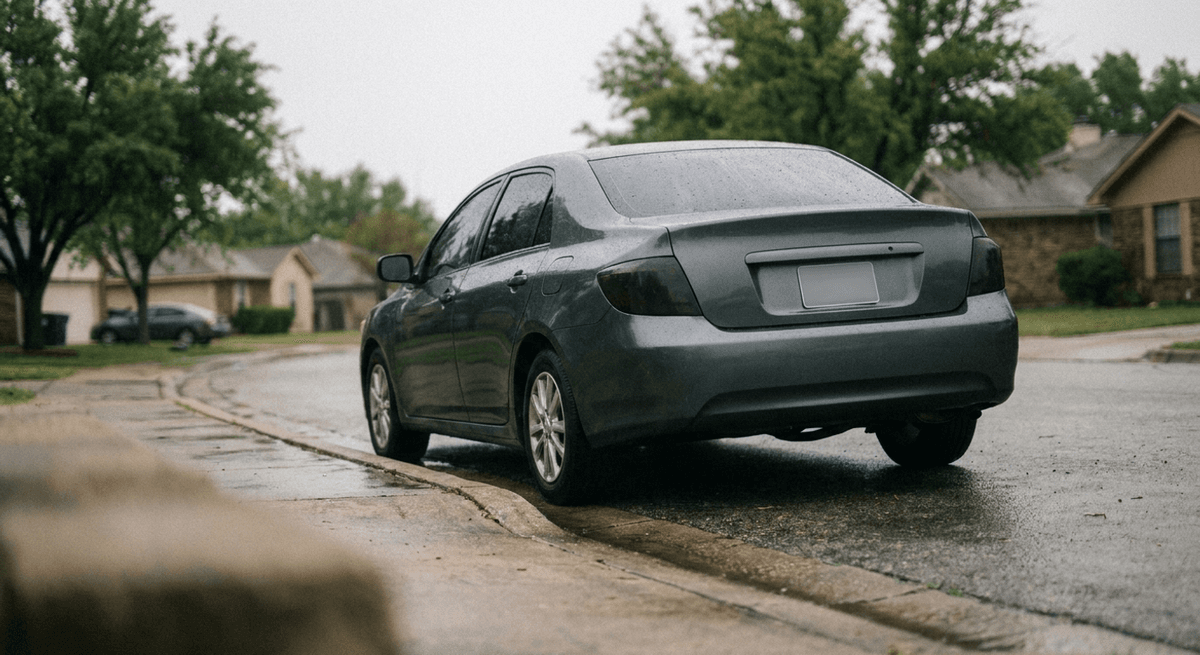
Nebraska law requires front side windows to allow at least 35% of visible light through. Rear side and back windows on sedans must allow at least 20%, while SUVs, vans, and trucks can run any darkness behind the driver.
What is the legal tint limit in Nebraska?
Nebraska sets a 35% VLT minimum on front side windows. That means the film and glass combined must allow at least 35 out of every 100 units of visible light to pass through. A higher VLT percentage is lighter; a lower VLT percentage is darker, so 35% is a moderately dark film that most people can see through comfortably. For a sedan, back side windows and the rear window are also regulated: they must pass at least 20% VLT. SUVs, pickup trucks, vans, and other multipurpose vehicles may use any darkness on the windows behind the driver.
| Window | Sedan VLT Minimum | SUV / Truck / Van |
|---|---|---|
| Front side windows | 35% | 35% |
| Back side windows | 20% | Any darkness |
| Rear window | 20% | Any darkness |
| Windshield | Clear, transparent material only below AS-1 line | Clear, transparent material only below AS-1 line |
A VLT meter reads the glass and the film together, so the number an officer sees is the combined result rather than the film's rated percentage. Neb. Rev. Stat. 60-6,257 attaches its limits to the "sunscreening or other transparent material" and does not spell out a combined glass-plus-film standard, but as a matter of measurement practice, if your factory glass already has a slight tint, an installer should measure the existing VLT before applying additional film to make sure the result still meets the legal minimum.
Neb. Rev. Stat. 60-6,257 sets the tint rules for every registered motor vehicle, including the carve-out in subsection (1)(d) that exempts the rear window and rear side windows of a multipurpose vehicle, van, or bus from the 20% floor. Section 60-6,258 is the owner/operator penalty provision (a Class V misdemeanor).
Windshield tint rules in Nebraska
Below the AS-1 line, which is typically indicated by a small marking near the top edge of the glass, Neb. Rev. Stat. 60-6,257(1)(b) prohibits sunscreening material that is not clear and transparent. A clear film that does not shade or darken the glass is therefore permitted in the main forward view; a shaded, mirrored, or darkening film is not. Tinting applied above the AS-1 line may be shaded, but only if the material is not red, yellow, or amber. That color prohibition is written for the windshield above the AS-1 line, and no provision of 60-6,257 restricts tint color on the side or rear windows. Even so, a red, yellow, or amber film elsewhere on the vehicle is a practical risk rather than a safe choice, because subsection (1)(a) separately prohibits tinting that reduces the driver's clear view or substantially impairs the ability to see into the vehicle. A clear or neutral-gray strip across the top of the windshield, staying entirely above the AS-1 line, is the safest choice under Nebraska law.
Reflectivity limits also apply. Subsection (1)(c) caps front side windows at 35% luminous reflectance, and that limit applies to every vehicle. Subsection (1)(d) writes the same 35% reflectance ceiling for the rear window and the side windows behind the front seat, but its trailing exception for a multipurpose vehicle, van, or bus sits at the end of the whole subdivision, so the text can be read either as lifting only the 20% light-transmission floor for those vehicles or as lifting the reflectance ceiling with it. Until that is settled, treat 35% reflectance as the working limit behind the front seat on any vehicle. Highly mirrored or metallic films that bounce a large share of incoming light back are prohibited because they can blind oncoming drivers and impair law enforcement visibility during traffic stops.
Medical exemptions
Nebraska does provide a medical waiver for window tint, but it works through law enforcement rather than a DMV permit. Neb. Rev. Stat. 60-6,260 lets the Nebraska State Patrol or a local law enforcement agency grant a written waiver of the 60-6,257 VLT and reflectance standards for safety, security, or medical reasons. A medical waiver requires an affidavit signed by a licensed physician describing the medical reason. The written waiver must include the issuance date, the vehicle's identification number, registration number, or other description, the owner's name, the reason for the waiver, the effective dates, and the signature of the law enforcement agency head who granted it, and it should be kept in the vehicle for a traffic stop. Drivers with a condition such as lupus, porphyria, or severe photosensitivity should start by contacting the Nebraska State Patrol or their local law enforcement agency, with a physician's affidavit in hand, rather than the Department of Motor Vehicles.
How tint is measured and certified
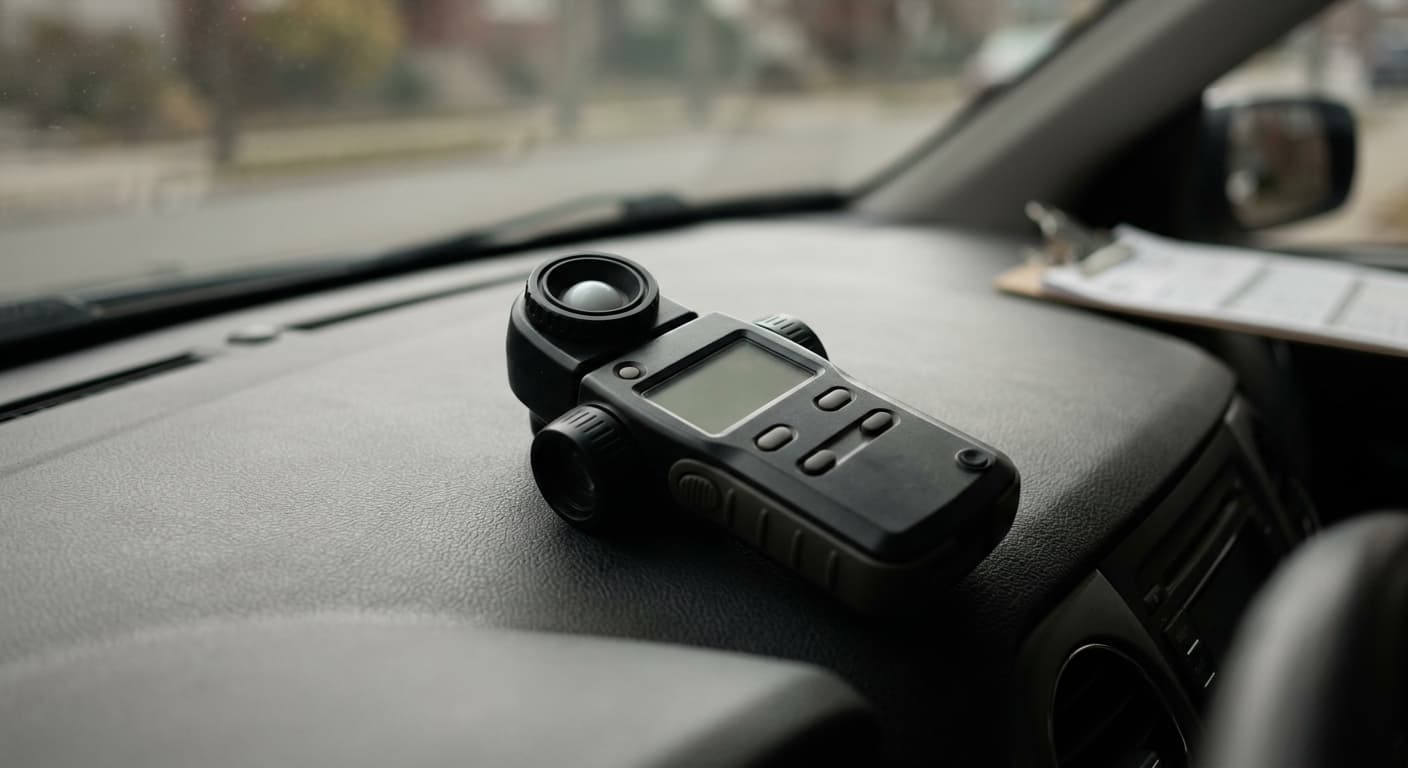
Window tint is measured using a VLT meter, a small device placed on the glass that emits a beam of visible light and reports the percentage that passes through. Officers typically test the front side windows first because those carry the strictest limit. Nebraska's statute does not specify a numeric measurement tolerance, so installers and vehicle owners should aim to meet or exceed the 35% front and 20% rear minimums with no comfort margin built in for meter variance. If your film is measured right at the boundary, any calibration difference between one meter and another could produce a different result.
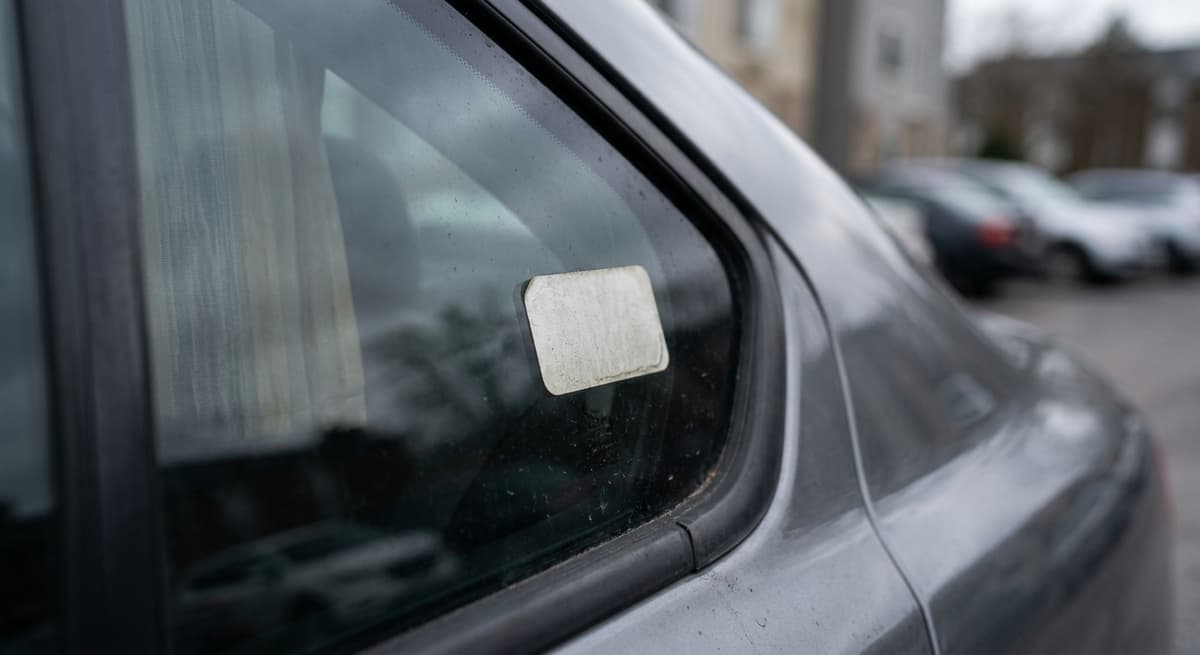
Nebraska does not require a compliance sticker or installer certification label to be affixed to the window. However, reputable installers will typically provide documentation showing the VLT rating of the film they applied, which can be useful if you are stopped and an officer questions whether the tint is legal. Keep any paperwork from your installer in the glove compartment alongside your registration and insurance.
Penalties for illegal tint in Nebraska
Nebraska splits the penalty between the driver and the installer, and the two are not the same. Under Neb. Rev. Stat. 60-6,258, a person owning or operating a vehicle that violates the tint rules is guilty of a Class V misdemeanor, which under Neb. Rev. Stat. 28-106 carries a maximum $100 fine and no imprisonment. Under Neb. Rev. Stat. 60-6,259, a person who applies sunscreening or glass-plastic glazing material in a way that leaves a window in violation of 60-6,257(1) is guilty of a Class III misdemeanor, which carries up to three months imprisonment, a $500 fine, or both. The shop that installs an illegal film is exposed to a far heavier penalty than the driver who ends up with it. For a driver's first offense, the maximum fine is $100. Although this may seem modest, a tint violation can appear on your driving record and may affect insurance rates depending on your carrier. Officers can issue the citation during a routine traffic stop or at a safety checkpoint. Unlike some states that offer a fix-it ticket allowing dismissal upon removal of the illegal film, Nebraska's statute does not expressly provide a cure or repair provision, so the fine is generally assessed at the time of the stop. Removing the non-compliant film and getting a legal re-tint is still the practical solution to prevent repeat citations.
If you want to tint your windows in Nebraska
Planning your tint project within Nebraska's limits is straightforward. For a sedan, choose a film rated at 35% VLT or higher for the front side windows, and 20% VLT or higher for the rear side windows and back glass. If you drive an SUV, truck, or van, you can use any VLT darkness behind the driver.
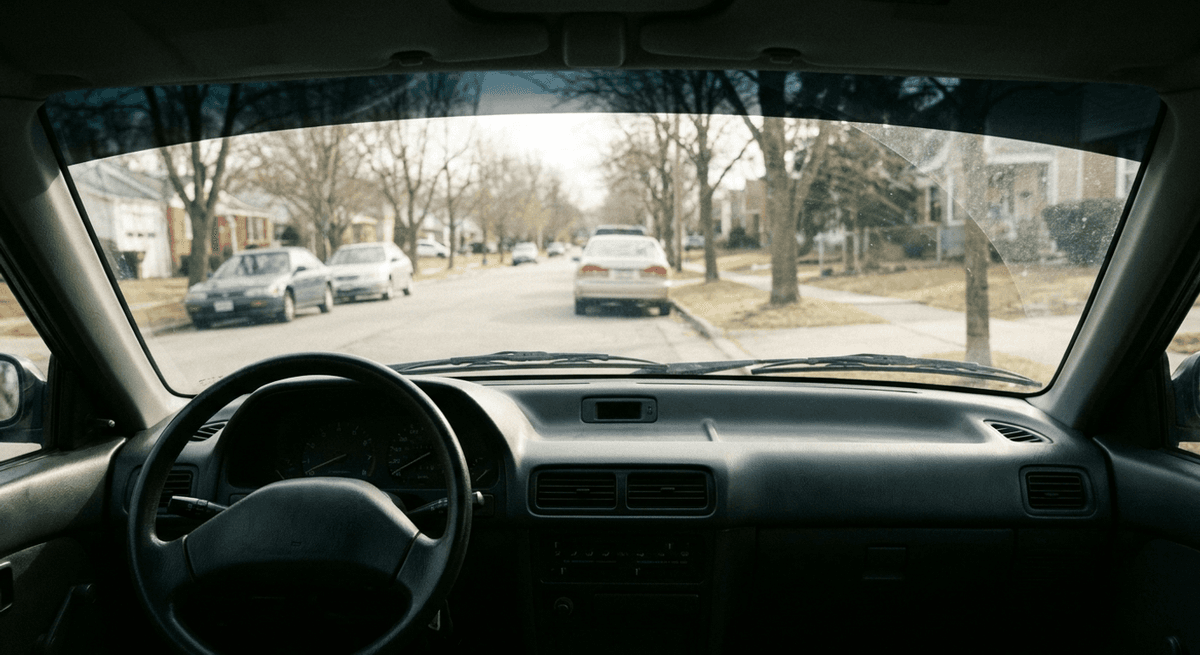
Start by selecting a licensed tint installer who is familiar with Nebraska's statute and can measure your existing glass before applying film. Tell the installer the year, make, and model of your vehicle so they can account for any factory glass tint already present. After installation, ask for a written record of the film's VLT rating. Although Nebraska does not require a sticker, having documentation makes it easier to resolve any questions during a traffic stop.
Keep red, yellow, and amber film off the windshield above the AS-1 line, where the statute expressly bans those colors, and treat neutral tones elsewhere on the car as the safer choice even though the color rule does not reach the side and rear glass. Make sure front-window reflectivity does not exceed 35%. Clear UV-blocking films are an option if your main concern is UV exposure, since they satisfy the VLT requirements while still blocking most ultraviolet radiation, and because they are clear and transparent they are also the one kind of film the statute allows on the windshield below the AS-1 line.
This article is general legal information, not legal advice. Window tint limits vary by state and change, and enforcement depends on local practice and your specific vehicle. For a definitive answer, check your state DMV or consult a local attorney.
For a full national overview see Window Tint Laws by State. Nebraska also regulates what objects may be mounted on or near the windshield; see Nebraska Windshield Mounting Restrictions for related rules.
More Nebraska Laws
Frequently Asked Questions
What is the legal tint in Nebraska?
Nebraska requires front side windows to allow at least 35% of visible light through (35% VLT minimum). Rear side and back windows on sedans must allow at least 20% VLT. SUVs, trucks, and vans can use any darkness behind the driver.
How dark can my front windows be in Nebraska?
Your front side windows must let in at least 35% of visible light. A 35% VLT film is the darkest legally allowed on the front. Going darker than 35% on the front side windows violates Nebraska law and can result in a Class V misdemeanor citation.
Is 20% tint legal in Nebraska?
A 20% VLT film is legal on the rear side windows and rear window of a sedan. It is NOT legal on the front side windows of any vehicle, where the minimum is 35%. On SUVs, trucks, and vans, 20% tint on the back windows is also legal.
Can I get a medical exemption for window tint in Nebraska?
Yes. Neb. Rev. Stat. 60-6,260 lets the Nebraska State Patrol or a local law enforcement agency grant a written waiver of the VLT and reflectance standards for medical reasons, based on an affidavit signed by a licensed physician. The waiver is administered by law enforcement, not the Department of Motor Vehicles, and must identify the vehicle and state the effective dates.
What is the penalty for illegal tint in Nebraska?
It depends on who is charged. Under Neb. Rev. Stat. 60-6,258, the owner or operator of the vehicle is guilty of a Class V misdemeanor, with a maximum $100 fine and no jail time. Under Neb. Rev. Stat. 60-6,259, the person who applies the film is guilty of a Class III misdemeanor, which carries up to three months imprisonment, a $500 fine, or both. There is no express fix-it ticket provision in the statute, so a driver's fine is typically assessed at the time of the stop.
Is windshield tint legal in Nebraska?
Below the AS-1 line, Neb. Rev. Stat. 60-6,257(1)(b) allows only sunscreening material that is clear and transparent, so a clear UV film is permitted there but a shaded or darkening film is not. A tint strip above the AS-1 line may be shaded, but the material must not be red, yellow, or amber.
Do SUVs have different tint rules in Nebraska?
Yes. Nebraska treats multipurpose vehicles differently from sedans. SUVs, pickup trucks, vans, and buses can have any level of darkness on the windows behind the driver. The 35% front side window rule still applies to all vehicles.
Updates
Corrected the tint penalty to distinguish the owner or driver's Class V misdemeanor from the installer's Class III misdemeanor, restored the statute's clear-and-transparent qualifier for windshield film below the AS-1 line, limited the red/yellow/amber ban to the windshield where the statute places it, and qualified the reflectance limit behind the front seat.
Corrected a wrong denial that Nebraska has a medical exemption for window tint: Neb. Rev. Stat. 60-6,260 lets the State Patrol or local law enforcement grant a written waiver of the VLT/reflectance standards for medical reasons on a licensed physician's affidavit. Also fixed a mislabeled citation that described the owner/operator penalty statute as a multipurpose-vehicle rule.
Independently fact-checked against the cited primary sources; governing law re-checked for recent changes
Removed an unsupported dual-outside-mirror precondition from the multipurpose-vehicle tint exemption; Neb. Rev. Stat. 60-6,257 and 60-6,258 impose no such requirement, and the exemption is unconditional.
Removed a residual restatement of the unsupported dual-outside-mirror precondition from the FAQ (missed in the first pass) — the exemption in Neb. Rev. Stat. 60-6,257 is unconditional.
Governing law re-checked for recent changes
Reviewed and approved by an editor
The Law Behind This Article
This article rests on the statutory provisions below, held in our own legal record and retrieved from the official source. Tap a section to read the operative text.
Nebraska Revised Statutes, Chapter 60: MOTOR VEHICLES
§ 60-6,257Windshield and windows; tinting; sunscreening; prohibited acts; terms, definedIn forcecited in 2 of our articles
(1) It shall be unlawful for a person to drive a motor vehicle required to be registered in this state upon a highway: (a) If the windows in such motor vehicle are tinted so that the driver's clear view through the windshield or side or rear windows is reduced or the ability to see into the motor vehicle is substantially impaired; (b) If the windshield has any sunscreening material that is not clear and transparent below the AS-1 line or if it has a sunscreening material that is red, yellow, or amber in color above the AS-1 line; (c) If the front side windows have any sunscreening or other transparent material that has a luminous reflectance of more than thirty-five percent or has light transmission of less than thirty-five percent; (d) If the rear window or side windows behind the front seat have sunscreening or other transparent material that has a luminous reflectance of more than thirty-five percent or has light transmission of less than twenty percent except for the rear window or side windows behind the front seat on a multipurpose vehicle, van, or bus; or (e) If the windows of a camper, motor home, pickup cover, slide-in camper, or other motor vehicle do not meet the…
Official text (excerpt) · last checked 2026-09-01 · Read the full text in our law library · Verify at nebraskalegislature.gov
Also relied on in: Nebraska Windshield Mounting Laws (2026 Guide)
§ 60-6,258Windshield and windows; violations; penaltyIn forcecited in 2 of our articles
Any person owning or operating a motor vehicle in violation of section 60-6,257 shall be guilty of a Class V misdemeanor.
Official text (excerpt) · last checked 2026-07-29 · Read the full text in our law library · Verify at nebraskalegislature.gov
§ 60-6,260Windshield and windows; waiver of standards; conditionsIn forcecited in 2 of our articles
The Nebraska State Patrol or local law enforcement agency may grant a waiver of the standards in section 60-6,257 for reasons of safety or security or for medical reasons based on an affidavit signed by a licensed physician. Such waiver shall be in writing and shall include the date issued, the vehicle identification number, the registration number, or other description to clearly identify the motor vehicle to which the waiver applies, the name of the owner of the vehicle, the reason for granting the waiver, the dates the waiver will be effective, and the signature of the head of the law enforcement agency granting the waiver. Such agency shall keep a copy of the waiver until the waiver expires.
Official text (excerpt) · last checked 2026-07-29 · Read the full text in our law library · Verify at nebraskalegislature.gov
§ 60-6,259Windshield and windows; applicator; prohibited acts; penaltyIn force
Any person who applies a sunscreening material or a glass-plastic glazing material in a manner which results in a motor vehicle having a window which violates the requirements prescribed in subsection (1) of section 60-6,257 shall be guilty of a Class III misdemeanor.
Official text (excerpt) · last checked 2026-07-29 · Read the full text in our law library · Verify at nebraskalegislature.gov
Nebraska Revised Statutes, Chapter 28: CRIMES AND PUNISHMENTS
§ 28-106Misdemeanors; classification of penalties; sentences; where servedIn forcecited in 3 of our articles
(1) For purposes of the Nebraska Criminal Code and any statute passed by the Legislature after the date of passage of the code, misdemeanors are divided into seven classes which are distinguished from one another by the following penalties which are authorized upon conviction: Class I misdemeanor........ Maximum — not more than one year imprisonment, or one thousand dollars fine, or both Minimum — none Class II misdemeanor....... Maximum — six months imprisonment, or one thousand dollars fine, or both Minimum — none Class III misdemeanor...... Maximum — three months imprisonment, or five hundred dollars fine, or both Minimum — none Class IIIA misdemeanor..... Maximum — seven days imprisonment, five hundred dollars fine, or both Minimum — none Class IV misdemeanor....... Maximum — no imprisonment, five hundred dollars fine Minimum — none Class V misdemeanor........ Maximum — no imprisonment, one hundred dollars fine Minimum — none Class W misdemeanor.......
Official text (excerpt) · last checked 2026-07-29 · Read the full text in our law library · Verify at nebraskalegislature.gov
Cited in 218 court opinions in our collectionLatest citing opinion in our collection: 2026
Opinions citing this section in our collection:
- State v. Becker (Nebraska Supreme Court 2019, 304 Neb. 693)“…entence.” In that discus- sion, the court made reference to Neb. Rev. Stat. § 28-106(2) (Reissue 2016), which provides in pa…”
- State v. Louthan (Nebraska Supreme Court 1999, 257 Neb. 174)“…ine, and a 15-year license revocation for a third offense. Neb. Rev. Stat. §§ 28-106 (Cum. Supp. 1998) and 60-6,196(2). If…”
- State v. Ralios (Nebraska Supreme Court 2019, 301 Neb. 1027)“…exceed one hundred dollars. (Emphasis supplied.) Under Neb. Rev. Stat. § 28-106 (Reissue 2016), a Class III misdemeanor…”
Identified automatically from the court opinions citing this section — not a ranking of which case controls.
Also relied on in: Nebraska DUI Laws: Penalties, BAC Limit & License (2026)
Search our full record of US law — 2.1 million sections, every state + federal →
Sources and References
- Neb. Rev. Stat. 60-6,257 (passenger car sunscreening)(nebraskalegislature.gov).gov
- Neb. Rev. Stat. 60-6,258 (owner/operator penalty - Class V misdemeanor)(nebraskalegislature.gov).gov
- Neb. Rev. Stat. 60-6,260 - waiver for safety, security, or medical reasons(nebraskalegislature.gov).gov
- Neb. Rev. Stat. 60-6,259 (applicator penalty - Class III misdemeanor)(nebraskalegislature.gov)
- Neb. Rev. Stat. 28-106 (misdemeanor classification and penalties)(nebraskalegislature.gov)