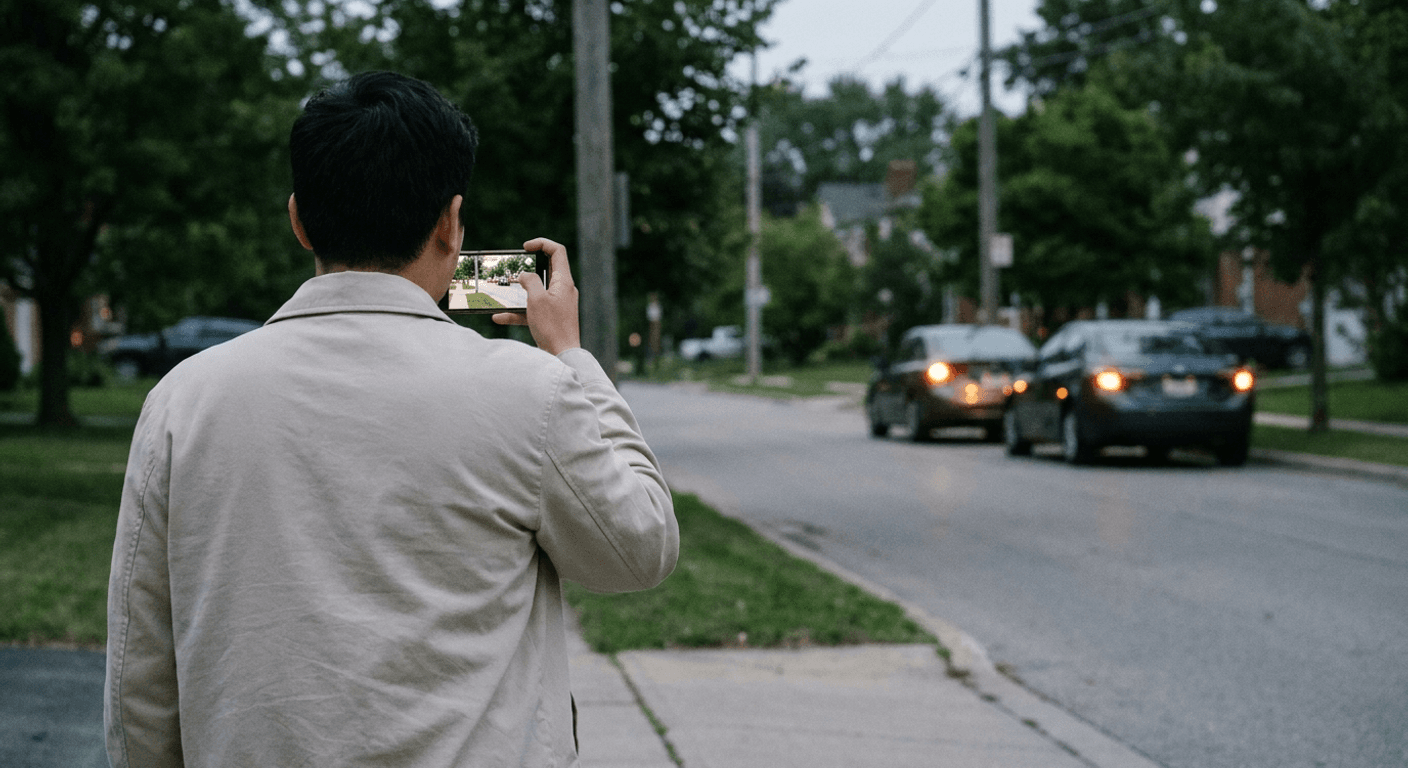
Alabama Police Body Camera Laws (2026): Access & Rules
Alabama has no bodycam mandate and footage isn't a public record. See who can view footage under the 2023 disclosure law and what it does not cover.
8 min read
52 articles
Alabama has no bodycam mandate and footage isn't a public record. See who can view footage under the 2023 disclosure law and what it does not cover.
Alaska has no bodycam statute; deployment and footage access run agency by agency under the general Alaska Public Records Act. See how requests work.

Arizona has no statewide police bodycam mandate. See which rules actually apply: agency policies, A.R.S. 39-121 records access, DPS release rules and fees under 41-1734.
Arkansas has no statewide police body camera law. See how the Arkansas FOIA governs bodycam footage requests, the officer-death exemption, and retention rules.
California's 45-day critical incident rule under Gov. Code 7923.625 governs release of police bodycam footage. See the timeline, redaction rules, and SB 1421.
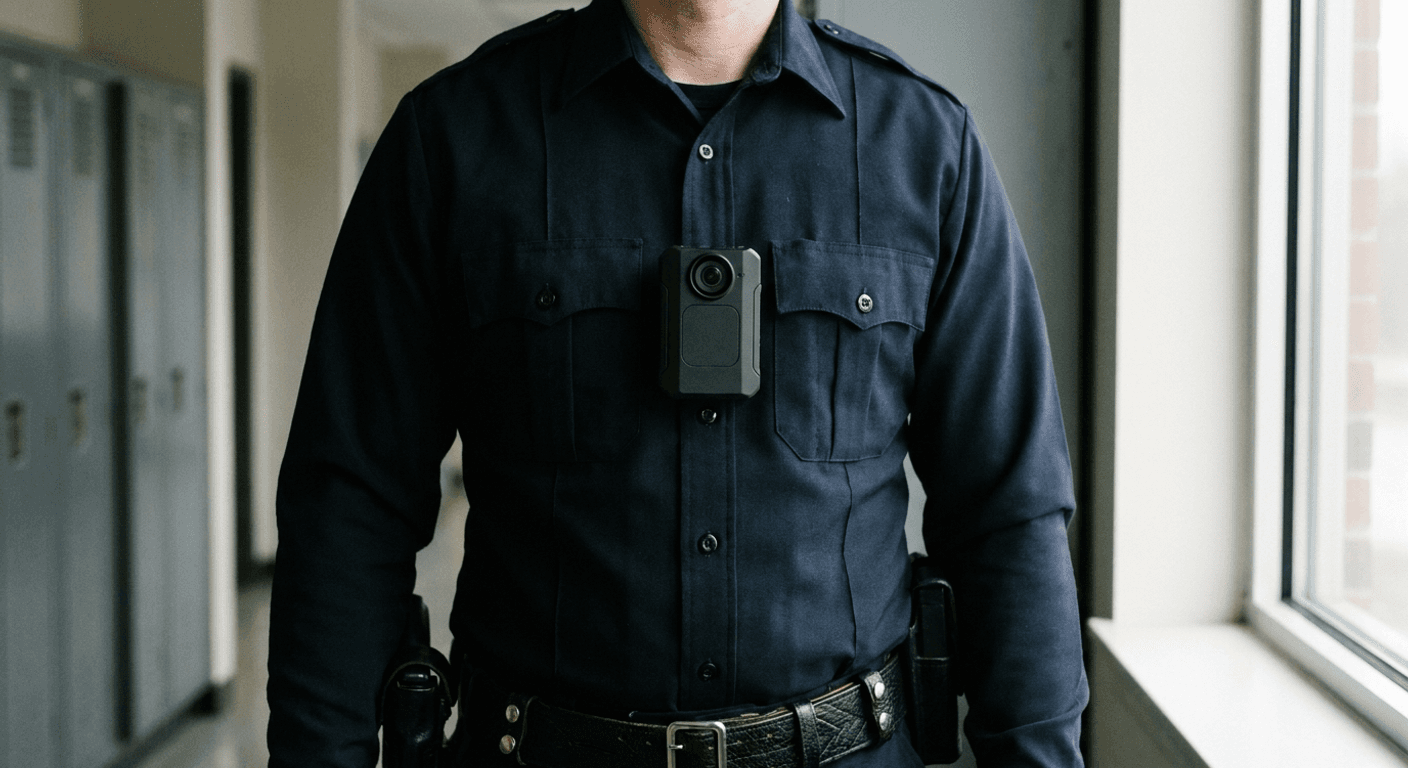
California SB 691, Chapter 416, requires every agency with a body-worn camera policy to add a patient redaction procedure by July 1, 2027.
Colorado mandates police body cameras statewide and requires misconduct footage released in 21 to 45 days under C.R.S. 24-31-902. See the rules and Aurora case.
Connecticut has required police body cameras statewide since July 2022 under Conn. Gen. Stat. § 29-6d. Learn the activation, retention, and public-access rules.
DC's Metropolitan Police Department has operated body cameras since 2014 under D.C. Code § 5-116.33. Learn the activation, retention, and public-access rules.
Delaware has required police body cameras statewide since 2021 under 11 Del. Code § 8402A. Learn the activation, retention, and public-records access rules.
Florida has no statewide bodycam mandate. Learn when footage is public under Fla. Stat. 119.071(2)(l), the 90-day retention floor, and how to get a copy.
Georgia has no statewide bodycam mandate. See the 180-day/30-month retention rule under O.C.G.A. 50-18-96 and how the Open Records Act governs access.
Hawaii has no bodycam statute; all four counties adopted cameras by policy. See how HRS 92F governs footage access, retention, and a 2024 Oahu shooting.
Idaho has no statewide bodycam mandate. Footage retention and public access run through Idaho Code 31-871 and the Public Records Act.
Illinois requires bodycams statewide under 50 ILCS 706. Retention, FOIA access rules, and how the Sonya Massey case tested the law, explained for 2026.
Indiana sets 190/280-day bodycam retention and a distinctive preservation-request rule under Ind. Code 5-14-3-5.2/5.3. How to request or preserve footage.
Iowa has no bodycam statute. Access to footage runs through Iowa Code 22.7(5), and courts are split on whether that exemption covers bodycam video.
Kansas classifies bodycam footage as a closed criminal investigation record under K.S.A. 45-254. See who can request to view it within 20 days, and the court-order path for others.
Kentucky requires body cameras only for no-knock warrant teams under Senate Bill 4. See KRS 61.168 disclosure rules and KRS 61.169 attorney access to footage.
Louisiana does not require police to use body cameras statewide. See the activation-policy law, retention rules, and how to request footage.
Maine has no law requiring police to wear body cameras. See why a 2019 mandate bill died and how footage access works under Maine's FOAA.
Maryland required all county police to use body cameras by July 1, 2025. See the statute, retention rules, and how to request footage.
Massachusetts has no statewide bodycam mandate. See retention rules (180 days to 30 months), public records access, and redaction requirements for footage.
Michigan requires no statewide bodycam mandate, but MCL 780.316 sets a 30 day retention floor. See FOIA access rules and the Patrick Lyoya case.
Minnesota bodycam footage is private data by default under Minn. Stat. 13.825, not public. See retention rules, exceptions, and the Amir Locke case.
Mississippi has no statewide bodycam mandate outside Capitol Police. Learn how the Public Records Act treats footage and why a 2025 mandate bill died.
Missouri bodycam footage stays closed while an investigation is active and opens once it goes inactive under RSMo 610.100. Learn the rule and a real case.
Montana has no bodycam statute. Access to footage runs through the state's constitutional right to know and a case-by-case privacy balancing test.
Nebraska has no statewide bodycam mandate. Neb. Rev. Stat. 81-1453 to 81-1454 sets a 90-day retention floor; access runs through general public records law.
Nevada requires designated agencies to equip officers with body cameras under NRS 289.830, with a 15-day retention floor and presumptively public footage.
New Hampshire has no bodycam mandate. RSA 105-D sets 30-180 day retention, and RSA 91-A:5 exempts footage from the Right-to-Know Law except use-of-force video.
New Jersey requires patrol officers to wear body cameras, keep footage 180 days to 3 years, and process requests through OPRA. See the statute and 2025 ruling.
New Mexico requires officers who interact with the public to wear body cameras, keep footage 120 days, and can hold agencies liable for spoliation. See the law.
New York has no statewide bodycam mandate for local police, only State Police under Executive Law 234. NYPD sets its own rules and now must release critical footage within 30 days.
North Carolina bodycam footage is not a public record under N.C. Gen. Stat. 132-1.4A. See the court petition process, notice rules, and the 2025 Chemuti ruling.
North Dakota bodycam footage in public places is open under N.D.C.C. 44-04-18.7. Private-place footage is exempt but discretionary. See real request disputes.
Ohio bodycam footage is a public record under R.C. 149.43(A)(17), with redactions for minors and victims but not officer-caused deaths. Fees now apply.
Oklahoma has no statewide bodycam mandate, but 51 O.S. Section 24A.8 sets disclosure deadlines and redaction rules once footage exists. Here is how it works.
Oregon law (ORS 133.741) sets a 180-day to 30-month retention window for police bodycam footage and bars facial recognition on recordings. Here is how it works.
Pennsylvania's Act 22 pulled bodycam footage out of the Right-to-Know Law and requires a written request within 60 days of recording. Here is how it works.
Rhode Island has no statewide bodycam mandate, but agencies that take state grants must follow a uniform policy, and footage is presumptively public under APRA.
South Carolina was first to mandate statewide bodycams in 2015, but S.C. Code 23-1-240 exempts footage from FOIA. See the Walter Scott case that drove the law.
South Dakota has no bodycam statute. Agencies decide for themselves whether to use cameras, and SDCL 1-27-1.5(5) lets them keep the footage closed.
Tennessee has no dedicated bodycam statute. See how Tenn. Code Ann. 10-7-504(u) governs footage access under the Public Records Act, and why it sunsets in 2027.
Texas has no statewide bodycam mandate. See Tex. Code Crim. Proc. art. 2B.0101 et seq. (recodified 2025), the 90-day retention floor, and public access rules.
Utah has no statewide bodycam mandate, but Utah Code 77-7a-107 sets GRAMA-based release rules plus a fast-track for shootings and deaths in custody.
Vermont requires only State Police Field Force troopers to wear body cameras under 20 V.S.A. 1819, with no mandate for local departments.
Virginia has no statewide bodycam mandate. See Va. Code 15.2-1723.1's policy rule, Virginia State Police funding, and how VFOIA controls footage access.
Washington has no statewide bodycam mandate yet. See RCW 10.109 policy rules and RCW 42.56.240(14)'s public records exemptions for footage access.
West Virginia has no bodycam-specific statute. See how W. Va. Code Chapter 29B (FOIA) governs footage access, response deadlines, and the Exline case.
Wisconsin regulates body cameras under Wis. Stat. 165.87. See retention rules, the 2024 redaction-fee law, and how to request footage.
Wyoming's peace officer recording law, W.S. 16-4-203(d)(xviii), keeps bodycam footage closed by default. See the narrow exceptions and how release works.