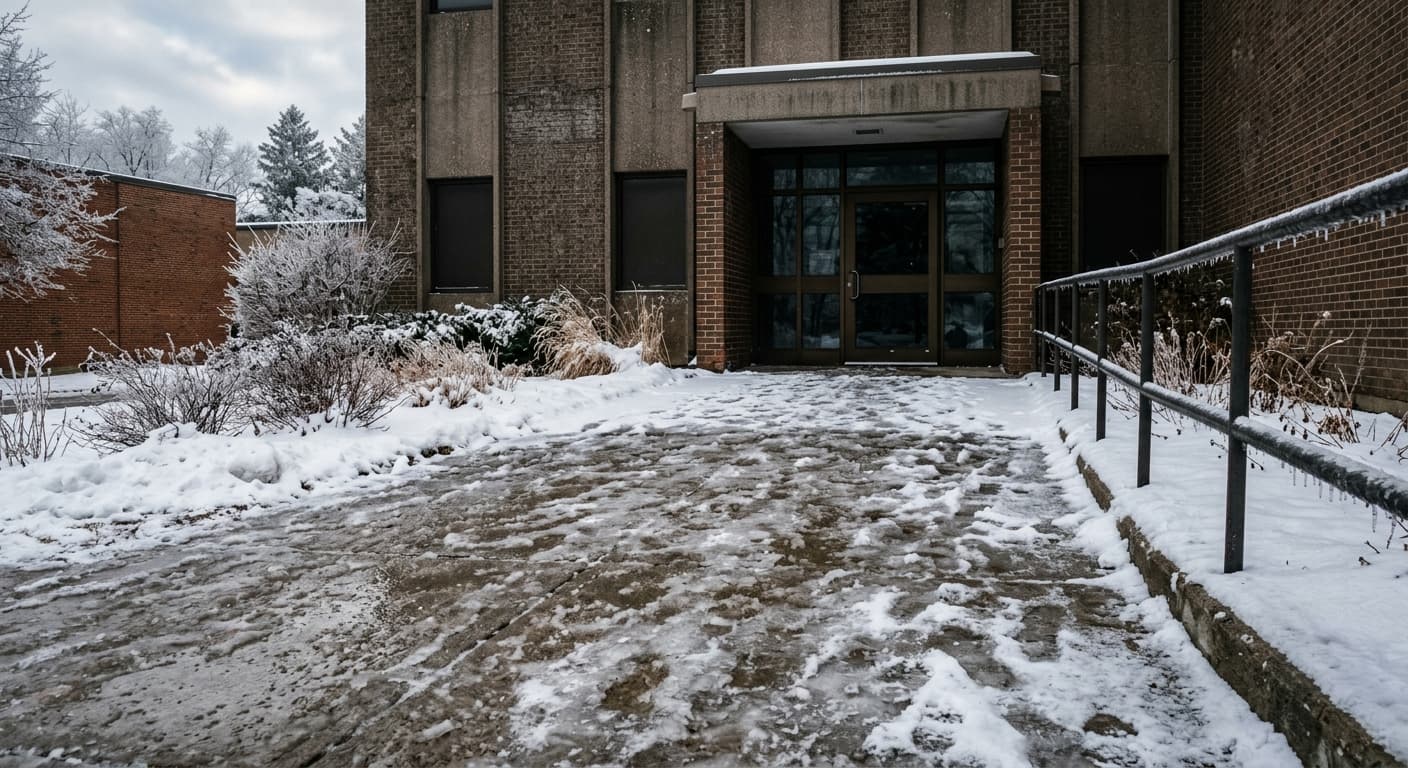
Alabama Slip and Fall Laws: Proving Premises Liability in a Pure-Contributory State
Alabama slip and fall laws: pure contributory negligence bars recovery if you're 1% at fault; open-and-obvious is an absolute bar. Key deadlines and rules explained.
Loading...
66 articles

Alabama slip and fall laws: pure contributory negligence bars recovery if you're 1% at fault; open-and-obvious is an absolute bar. Key deadlines and rules explained.

Alaska slip and fall law guide: pure comparative fault, no natural-accumulation rule, open-and-obvious doctrine, 2-year SOL, and no government notice deadline.

Alberta slip and fall law under the Occupiers' Liability Act RSA 2000 c O-4: visitor duty of care, recreational-land trespasser carve-out, child trespassers, 2-year limitation period, and municipal claims.

Arizona slip and fall law: pure comparative negligence, no open-and-obvious bar, 2-year PI deadline, 180-day government notice of claim. What you must prove.

Arkansas slip and fall law: modified comparative fault (50% bar), no open-and-obvious bar, no natural-accumulation immunity, 3-year SOL, government claim rules.

Slip and fall in BC? The Occupiers Liability Act RSBC 1996 c 337 sets the duty of care, rural exceptions, 2-year limit, and municipal notice traps.

California slip and fall law: what you must prove, the open-and-obvious doctrine, the 2-year lawsuit deadline, and the 6-month government claims rule.

Understand Canada's slip and fall laws: property owner liability, proving negligence, damages you can recover, and filing deadlines.

Colorado slip and fall law guide: PLA visitor status, open-and-obvious abolished, no natural-accumulation rule, 2-year SOL, 182-day CGIA notice, $1.5M non-economic cap.

Connecticut slip and fall law: prove owner notice, navigate the ongoing-storm doctrine, 51% bar comparative fault, and a 2-year injury deadline (CGS §§52-572h, 52-584).

Delaware slip and fall law: open-and-obvious is a complete bar, 2-year SOL, modified 51% comparative fault. Learn what you must prove to win your claim.

DC slip and fall law: pure contributory negligence bars any recovery if you share 1% fault. 3-year SOL, 6-month gov notice, natural-accumulation ice/snow rule explained.

Florida slip and fall law: Fla. Stat. § 768.0755 constructive-notice rule, 2-year SOL, modified 51% comparative fault, open-and-obvious doctrine, and government claim deadlines.

Georgia slip and fall law under OCGA Section 51-3-1: proving owner notice, the Robinson two-prong test, open-and-obvious as comparative fault, no natural-accumulation immunity, 2-year SOL, and government notice deadlines.

Hawaii slip and fall law guide: modified-51 comparative fault, no open-and-obvious bar, no natural-accumulation rule, 2-year SOL, and 2-year county notice deadline.

Idaho slip and fall laws explained: modified comparative negligence (50% bar), no open-and-obvious bar, no natural-accumulation immunity, 2-year SOL, 180-day government notice deadline.

Illinois slip and fall law: open-and-obvious bars claims, natural accumulation means no duty for ice/snow, 2-yr SOL (1 yr for government). Modified comparative fault 51% bar.

Indiana slip and fall law guide: invitee duty, open-and-obvious as comparative fault, no natural-accumulation bar, 2-year SOL, 180/270-day Tort Claims Act notice.

Iowa slip and fall law: unified reasonable-care duty (Koenig 2009), open-and-obvious comparative, no natural-accumulation immunity, 2-year SOL, no government notice deadline.

Kansas slip and fall law guide: reasonable-care standard, open-and-obvious comparative factor, winter storm doctrine, 2-year SOL, K.S.A. 12-105b municipal notice, modified-50 fault rule.

Kentucky slip and fall law: 1-year deadline (KRS 413.140), pure comparative fault, no open-and-obvious bar (Shelton 2013), and no natural-accumulation rule (Carter 2015).

Louisiana slip and fall law: La. R.S. 9:2800.6 merchant notice rule, modified 51% comparative fault (eff. 2026), 2-year SOL, Farrell open-and-obvious doctrine, and no pre-suit government notice.

Maine slip and fall law: 6-year SOL, modified-50 comparative fault, no open-and-obvious bar, no natural-accumulation shield, 365-day government notice deadline.

Manitoba slip and fall law explained: The Occupiers' Liability Act CCSM c O8, trespasser/recreational exceptions, 2-year limitation, and municipal notice rules.

Maryland slip and fall law: pure contributory negligence bars all recovery for even 1% fault, open-and-obvious is an absolute duty bar, 3-year SOL, 1-year government notice.

Massachusetts slip and fall law: modified comparative fault (51% bar), open-and-obvious doctrine, no natural-accumulation rule for ice/snow, 3-year SOL, 2-year gov notice.

Michigan slip and fall law guide: Kandil-Elsayed 2023 abolished open-and-obvious as a duty bar, natural-accumulation duty, hybrid modified-50 rule, 3-year SOL, 120-day government notice.

Minnesota slip and fall law: 6-yr SOL, modified-51 fault rule, no natural-accumulation bar, 180-day govt notice deadline. What you must prove to win.

Mississippi slip and fall law: pure comparative negligence, open-and-obvious abolished as a bar (Tharp v. Bunge), 3-year SOL, 90-day government notice deadline, and $1M non-economic cap.

Missouri slip and fall law: pure comparative fault, Massachusetts Rule (no duty for natural ice/snow), open-and-obvious doctrine, 5-year SOL, 90-day city notice requirement.

Montana slip and fall law: uniform duty of care, no open-and-obvious bar, no natural-accumulation rule, 3-year SOL, 51% comparative fault bar. Key rules explained.

Nebraska slip and fall law guide: open-and-obvious is a complete duty bar, 4-year SOL, modified-50 fault rule, and 1-year notice for government claims.

Nevada slip and fall law guide: Foster v. Costco reasonable-care duty, open-and-obvious comparative only, no natural-accumulation rule, 2-year SOL, NRS 41.141 51% bar.

New Brunswick slip and fall claims are governed by ordinary negligence law, not an Occupiers' Liability Act. Learn the duty of care, 2-year limitation, and municipal notice rules.

New Hampshire slip and fall law: 3-year SOL, modified-51 comparative fault, no open-and-obvious bar, no natural-accumulation shield, 180-day state notice deadline.

New Jersey slip and fall law: prove owner notice, navigate the commercial/residential sidewalk split, 51% bar comparative fault, and a 90-day government claim deadline.

New Mexico slip and fall law: pure comparative negligence, open-and-obvious abolished, no natural-accumulation rule, 3-year SOL, 90-day government notice of claim.

New York slip and fall law explained: constructive-notice standard, open-and-obvious doctrine, storm-in-progress rule, 90-day NYC notice-of-claim trap, and pure comparative negligence.

NL slip and fall uses common-law negligence, not an OLA. 2-year limitation, no municipal notice deadline, proportionate fault apportionment. Know your rights.

NC slip and fall law: pure contributory negligence (1% fault bars all recovery), open-and-obvious absolute bar, 3-year SOL, and municipal charter notice traps.

North Dakota slip and fall law: 6-year SOL, modified-50 comparative fault, open-and-obvious as comparative factor, ice/snow rules, and 180-day state notice deadline.

Northwest Territories slip and fall law applies common-law negligence: no Occupiers' Liability Act exists. Learn the duty of care, 6-year limitation, and fault apportionment rules.

Nova Scotia slip and fall law: Occupiers' Liability Act SNS 1996 c 27, 2-year limitation, recreational premises, and the municipal sidewalk exception explained.

Nunavut has no Occupiers' Liability Act. Slip and fall claims rely on common-law negligence. Learn the duty of care, 6-year limitation period, and contributory fault rules.

Ohio slip and fall law: open-and-obvious is a complete bar, ice/snow no-duty rule applies. 2-year SOL, 51% comparative negligence, non-economic damage caps explained.

Oklahoma slip and fall law explained: open-and-obvious bar, natural-accumulation ice/snow no-duty rule, 51% comparative fault, 2-year SOL, and GTCA notice requirements.

Ontario's Occupiers' Liability Act requires reasonable care for all visitors. Snow or ice falls need 60-day written notice; sidewalk falls need 10-day notice.

Oregon slip and fall law: modified-51 comparative fault, no open-and-obvious bar, no natural-accumulation immunity, 2-year SOL, 180-day government notice deadline.

Pennsylvania slip and fall law: open-and-obvious is a no-duty bar, the hills-and-ridges doctrine limits ice claims, and the 51% comparative-fault rule governs recovery.

PEI's Occupiers' Liability Act requires reasonable care for all visitors. No 60-day snow notice rule. Trespassers receive reduced protection. Two-year limitation period applies.

Quebec slip and fall law uses the Civil Code, not an Occupiers' Liability Act. Learn article 1457 fault rules, the 3-year prescriptive period, and the Dorval SCC ruling on municipal notice.

Rhode Island slip and fall law: pure comparative fault, no open-and-obvious bar (2019), Connecticut Rule for ice/snow, 3-year SOL, 60-day municipal notice (RIGL 9-20-4).

Saskatchewan has no Occupiers' Liability Act. Learn how the common-law invitee, licensee, and trespasser categories determine your rights, plus the 2-year limitation period.

Compare slip-and-fall premises liability laws across all 50 states and DC: negligence rules, open-and-obvious doctrine, ice and snow duty, and filing deadlines.

South Carolina slip and fall laws explained: open-and-obvious bars claims, modified-51 negligence, 3-year SOL, no ice/snow rule, and government claim deadlines.

South Dakota slip and fall laws explained: slight/gross negligence rule, open-and-obvious duty bar, ice/snow duty, 3-year SOL, 180-day government notice deadline.

Tennessee slip and fall laws: 1-year SOL, modified 50% comparative fault, open-and-obvious as comparative factor, ice/snow duty state, $750K non-economic cap.

Texas slip and fall law: open-and-obvious duty bar (Austin v. Kroger 2015), natural-accumulation no-duty for ice/snow, modified 51% comparative fault, 2-year SOL, and 90-day government notice rules.

Utah slip and fall law guide: invitee reasonable-care standard, unsettled open-and-obvious two-track rule, no natural-accumulation immunity, 4-year SOL, 1-year gov notice.

Vermont slip and fall law: unified reasonable-care standard, no open-and-obvious bar, no natural-accumulation immunity, 3-year SOL, and a critical 20-day notice rule for town bridge/culvert claims.

Virginia slip and fall laws explained: pure contributory negligence bars all recovery at 1% fault, open-and-obvious is an absolute bar, 2-year SOL, 6-month government notice.

Washington slip and fall law: pure comparative fault, no open-and-obvious bar, no natural-accumulation immunity, 3-year SOL, 60-day government pre-suit waiting period.

West Virginia slip and fall law: open-and-obvious is a statutory bar (W. Va. Code 55-7-28), ice/snow no-duty rule, 2-year SOL, 30-day state notice, modified-51 negligence.

Wisconsin slip and fall law: modified 51% bar, 3-year SOL, 120-day government notice, open-and-obvious is comparative, ice/snow duty applies to private premises.

Wyoming slip and fall law: natural-accumulation no-duty rule for ice/snow, open-and-obvious is comparative fault, 4-year SOL, 51% modified comparative fault bar.

Yukon has no Occupiers' Liability Act. Learn how common-law negligence governs slip and fall claims, the 2-year limitation period, and fault apportionment rules.